
Key takeaways
- Path grit shows up right after fairway work, so sweeping belongs in the same morning plan.
- Autonomous fairway passes free operators, not the need to inspect crossings and bag drops.
- Greens, tees, and bunkers stay on the crew schedule; paths are a parallel route.
- A short run sheet keeps starters, rangers, and shop staff aligned before qualifiers.
- Service Robot Co. maps fairway robots and can pair path sweepers under one service plan.
Why cart paths need their own window after fairway work
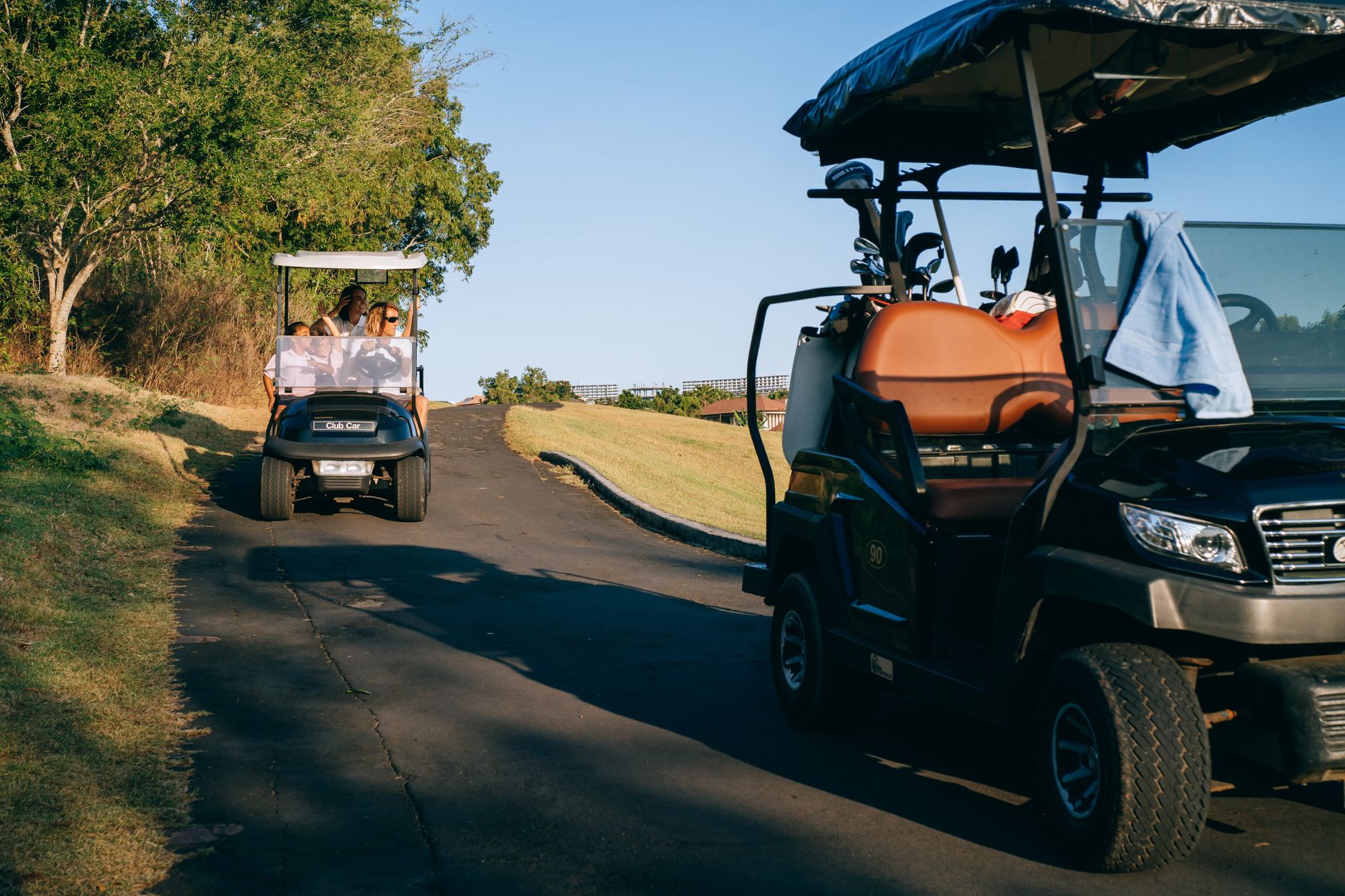
An early autonomous fairway pass can finish before the first tee, but it often leaves clippings, sand, and tire grit on adjacent cart paths and bag-drop concrete. Golfers notice that debris on shoes and wheels long before they comment on fairway striping. Superintendents who treat path sweeping as an afterthought end up sending crew back out during peak crossover traffic.
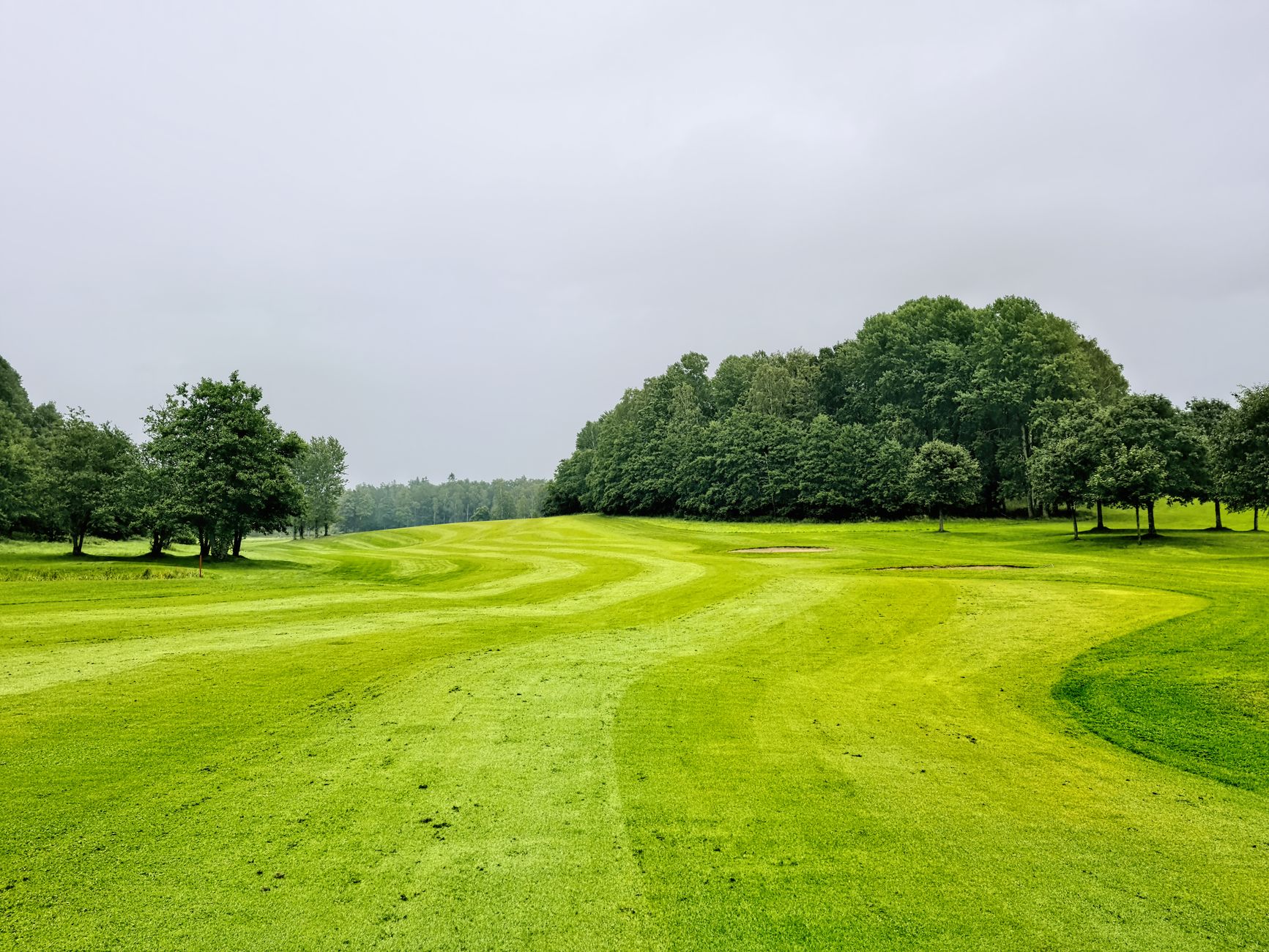
The fix is sequencing, not more hours on a ride-on fairway unit. Once the lawn mowing robot completes its mapped loop, a sweeper or compact scrubber route can run on paths while fairways stay closed to carts. That pairing keeps presentation tight without pulling your best operator off collar work later in the day.
What changes when fairways run autonomously at dawn
Robotic fairway mowing shifts labor from the seat to setup, monitoring, and detail tasks. According to trade stories from clubs adopting autonomous fairway units overseas, managers often redeploy saved hours into bunker presentation and walk-off areas once wide cuts run on a schedule. Path care belongs in that redeployed time if you want members to feel the difference at the bag drop.
The robot still mows fairways and rough only. Greens, tees, bunkers, and trim stay with your crew. Path sweeping is not a substitute for hand work around collars, but it is the fastest way to clear the mess wide cuts throw onto hardscape.
Build a path route that respects play and pedestrians
Start from the maintenance yard and walk the path network with the person who will run the sweeper. Mark choke points near the first tee, practice green, and any staging areas for morning leagues. Note where pedestrians cut corners because those spots collect sand even on calm days.
Keep a short list of conditional holds: junior clinics, photo setups, and qualifier crossings. If a gallery will walk a path segment, pause the sweeper and post it on the morning board. Visibility beats surprise every time.
Service Robot Co. can align fairway robot timing with path equipment during the site assessment so both routes share the same quiet window.
Match equipment to path surface and debris type
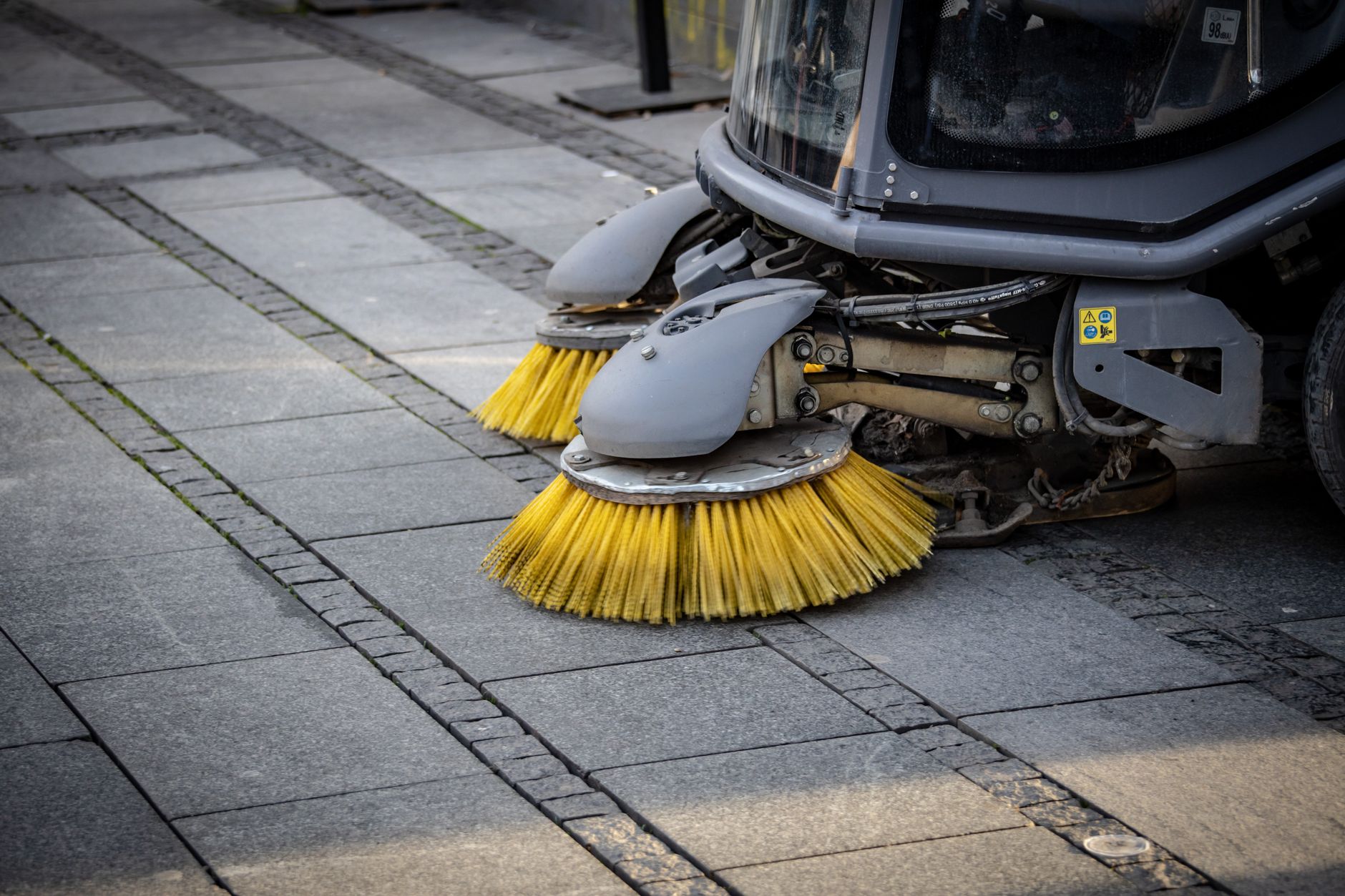
Cart paths vary from exposed aggregate to poured concrete with tight turns. A sweeper that handles leaves well may struggle with wet silica from bunkers after irrigation. Match brush pressure and speed to the surface so you are not polishing paths while leaving sand in joints.
Bag-drop aprons and patio stone near the shop often need a slower pass than long straightaways. Treat them as separate zones in the route instead of one continuous loop at fairway pace.
Buy or lease decisions for path gear follow the same financing path as the fairway robot, with quotes after a walk of the property.
Coordinate with starters and the pro shop
Starters need to know when paths are wet from sweeper water use or when a segment is closed for five minutes. A single line on the tee sheet whiteboard prevents carts from racing through a zone still being cleared.
Pro shop staff hear member comments first. If paths feel gritty by hole three, the issue is usually timing, not the fairway cut itself. Brief them when you shift the sweeper later because of dew or an event.
RoboCare support covers both the fairway robot and integrated cleaning gear, but on-course pauses still belong to your superintendent.
Heat, dust, and summer scheduling in Texas markets
In Central Texas and similar climates, dawn windows are short before heat builds on paths and crew. Running the fairway robot first, then the sweeper, uses the coolest air and the lowest cart traffic.
Dry weeks can turn path dust into a visibility issue near maintenance roads. A light water pass may help on some surfaces, but document which paths become slick so you are not trading dust for slip risk.
When heat advisories hit, protect people first. It is acceptable to shorten the path loop and finish aprons later if the fairway robot already held height.
When to keep path sweeping on the crew instead of automation
Tournament weeks with heavy staging may need hand blowers and blow-off mats where robots cannot go. Saturated paths after storms should stay closed until surfaces firm up, no matter how clean fairways look.
If your path network includes steep grades or broken edges, automation may cover only part of the network. Honest mapping during the assessment prevents promising a full loop you cannot run safely.
A partial automated path program still beats skipping paths entirely after robotic fairway work.
Lock the routine before peak season
Write a one-page morning run sheet: fairway robot start, expected finish, sweeper start, segments to skip, and who calls pauses. Train a backup operator for both monitoring tasks.
Photograph typical debris hotspots after the first few paired runs and keep them in the shop binder. New staff should not have to relearn those spots from memory.
Confirm financing, service coverage, and charger placement for both units before you market a cleaner path experience to members. One integrator for selection, deployment, and RoboCare keeps the plan coherent when calendars get tight.


