Key takeaways
- Rochester's 100,000 completed trips are a count, while the 50,000 staff hours are the health system's own estimate, not an audit.
- The report publishes no per-trip time and no method for the hours total, so treat that figure as a claim to test.
- A staff hour counts only when the trip would otherwise have been staffed, and the time is measured against a manual baseline.
- Subtract failed trips, stalls and staff rescues before any minutes saved become hours in a budget.
- Returned hours cut cost only when rostering, overtime or open shifts actually change.
What did Rochester Regional actually report?
Rochester Regional Health's Moxi robots had completed more than 100,000 trips at Rochester General and Unity Hospitals by August 2026, according to a fingerlakes1 report dated August 21, 2026. The same report says the health system estimates the robots have returned more than 50,000 hours to hospital staff.
Those two numbers are not the same kind of evidence. The trip count is a tally of completed work. The hours figure is the health system's own estimate, not an independent audit, and the report gives neither a per-trip time nor a method for building the total. A team that wants to copy the result has to rebuild the hours figure on its own floors.
Which trips were counted, and at which sites?
The report splits the total by site: more than 75,000 deliveries at Rochester General and more than 25,000 at Unity since the robots began operating in 2023. Two buildings with their own corridors, elevator waits and staffing routines are folded into one hours estimate. The split alone shows how much averaging can hide.
The word trip also needs a definition. The report does not say how a trip that stalled, needed a staff rescue or was rerouted is scored. It also does not say whether trips a nurse would never have made are included. Ask for the completed-trip rule before reading anything into the 100,000 figure.
What counts as a staff hour?
A trip is not an hour. One delivery might spare a nurse a walk to the pharmacy, or it might spare a runner a trip that would never have happened. The hours figure means something only when the time saved is tied to work that was actually waiting, and the public report does not show that link.
The launch-period numbers are a different kind of estimate. According to WHEC, eight Moxi robots were deployed, four at each Rochester hospital, and a system leader said staff had identified more than about 200 hours a week of work the robots could do, based on planned workflows. That is a forecast of tasks, not a record of completed trips. The date of the WHEC report was not confirmed in this check, so keep planned hours and completed trips in separate columns of your notes.
What should a vendor show behind an hours figure?
Before an hours figure goes into a budget, ask for the working behind it. A vendor that cannot answer these points has not yet given you a claim you can test.
- The manual baseline: minutes per trip on the same route, measured or modeled, with the method named.
- Which trip types count, and whether handoffs, waits and return legs are included.
- How failed, interrupted or staff-rescued trips are scored in the total.
- Whether hours are measured on the floor or projected from trip counts.
- The period covered and the split by site, so the two buildings can be read separately.
How do you test the claim in your own building?
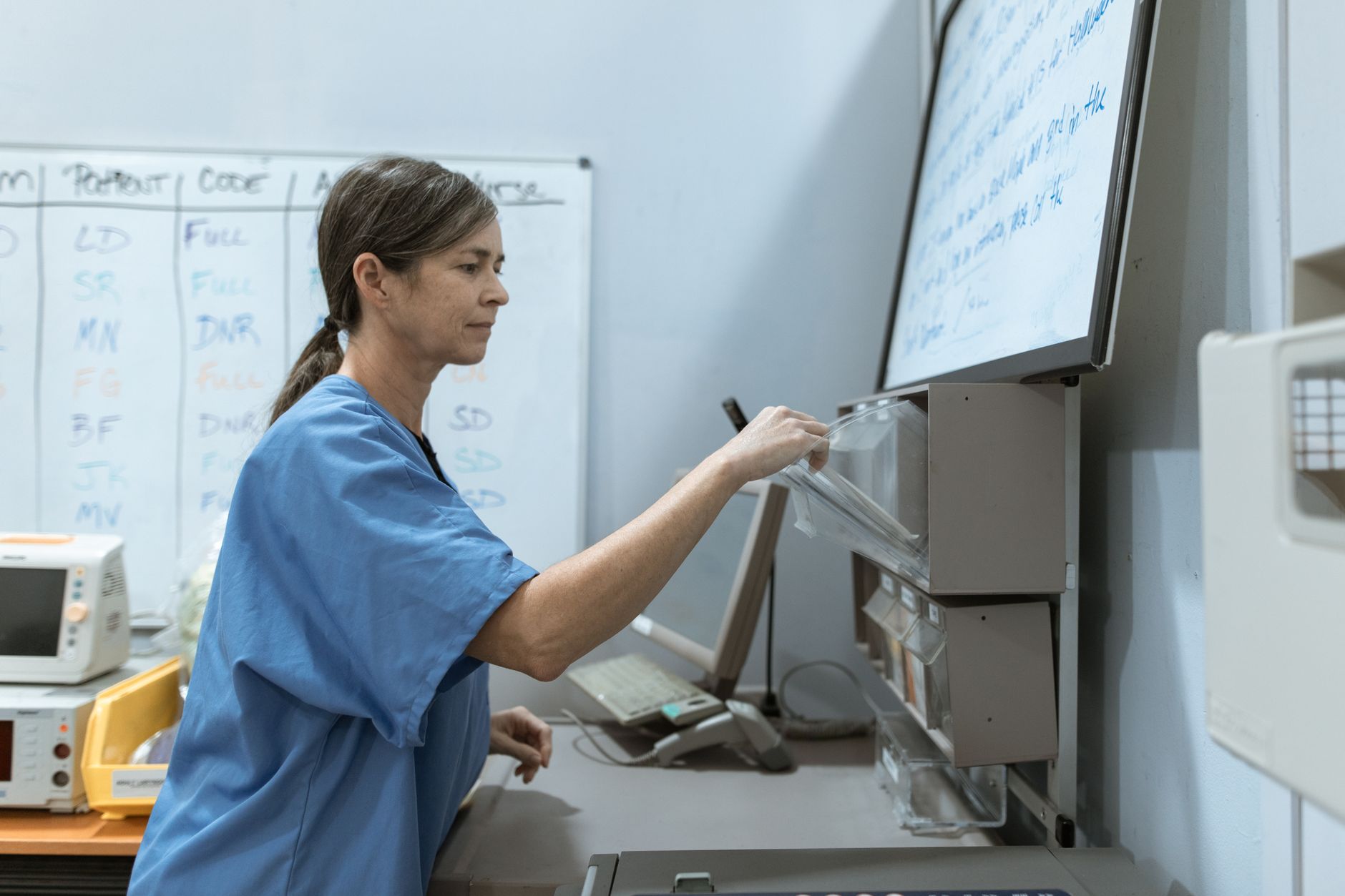
Start with one floor, one shift and one errand type, such as supply or specimen runs. Run the robot and a matched manual runner on that errand for several weeks, so one good week cannot carry the result.
Compare medians rather than best days. Keep the test running long enough to include a slow week, a sick-call week and a busy week, because those are the weeks when open shifts and staff rescues actually show up.
- Log each robot trip with request, pickup, handoff and arrival times.
- Time the manual version of matched trips on the same route and hours.
- Count failed trips, stalls and staff rescues as lost time, not as zero.
- Count only trips that would otherwise have been staffed.
- Convert minutes saved to hours only after the failures are subtracted.
What do other hospital results add to the picture?
Diligent Robotics, which makes Moxi, reports more than 1 million deliveries across more than two dozen hospitals, with hundreds of thousands of hours returned to clinicians. That figure comes from a robotics247 summary checked in November 2026. It is vendor-reported and was not verified against a primary source in this check. Treat it as a reason to ask the questions above, not as evidence for your site.
Results are not uniform. A nurse.org report says MultiCare in Tacoma discontinued its Moxi robots after a trial, under a headline calling the experiment a failure. This check did not confirm the date or the cause. One site's decision does not settle the robot's value, but it is a good reason to measure your own floors before you commit.
Where do returned hours turn into money?
Returned hours are capacity until a schedule changes. If a night corridor has open runner shifts, robot trips that fill those gaps protect work that would otherwise have been skipped. That is worth tracking, though it is not the same as cutting a payroll line.
If the goal is a lower labor line, the test changes. Track overtime, agency hours and unfilled shifts before and after the pilot, and tie any reduction to a roster change that someone signs off. Log skipped errands during the pilot as well, such as a delayed specimen run, so the cost of unfilled work is visible rather than assumed.

How does a site assessment set up the test?
Service Robot Co. is a full-service commercial robot integrator, and we are OEM-neutral. We pick the right robots across manufacturers, offer robot lease financing on a 3-year lease, then deploy, integrate, train and service each unit through a nationwide US engineer network. The lease is one fixed payment, quoted after a site assessment.
The assessment is the right place to build the trip log. Mapping routes, timing the manual baseline and writing down what counts as a completed trip before the first unit arrives lets a hospital test a staff-hour claim on its actual floors. A number measured that way can be defended to finance, which is the point of checking the claim at all.
Frequently asked questions
Want a robot working for you?
Tell us the job and the site. We will recommend the robot, quote the lease, and keep it serviced.