Key takeaways
- A yard patrol robot earns its place by spotting people and vehicles after dark and sending alerts to someone who can verify them.
- Thermal sensing matters more than a bright camera when a yard has no light and nobody watches the feed.
- Vendor detection ranges are claims until a walk test on your yard confirms them.
- Ask who answers the alert at 2 a.m. and how fast they act.
- A patrol robot supports locks, lighting and hitch locks. It does not replace them.
What should a patrol robot do in a restoration yard at night?
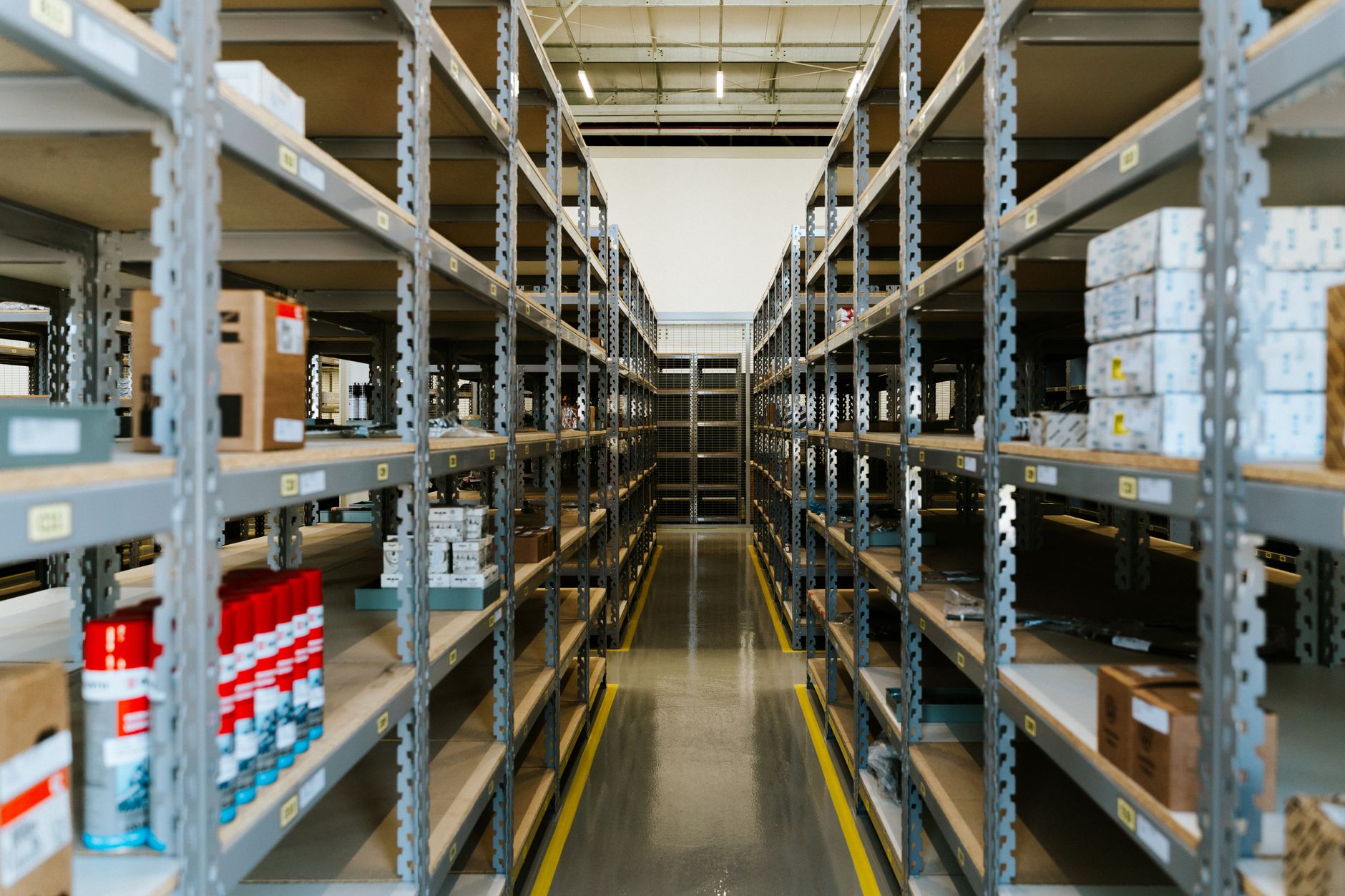
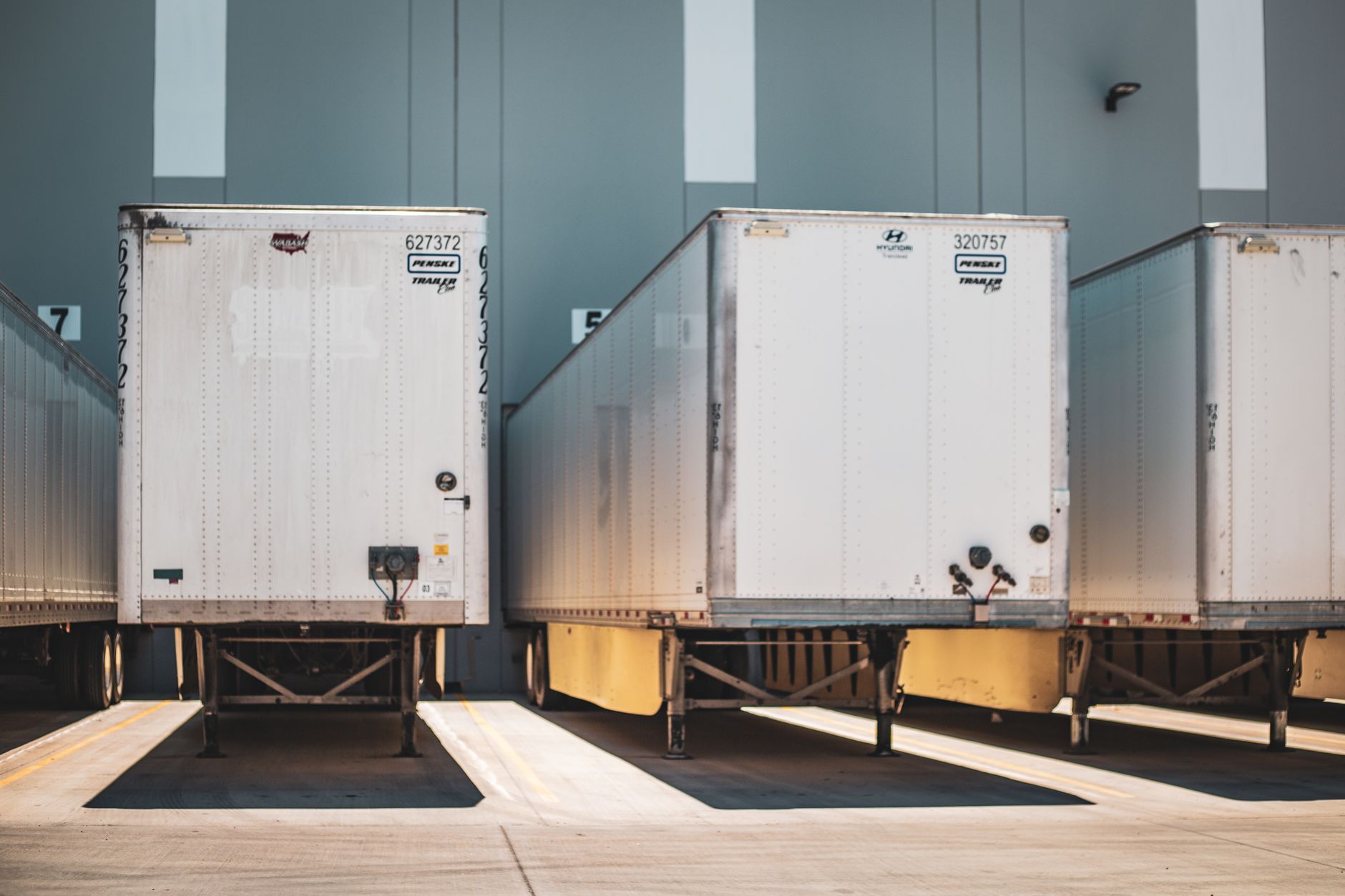
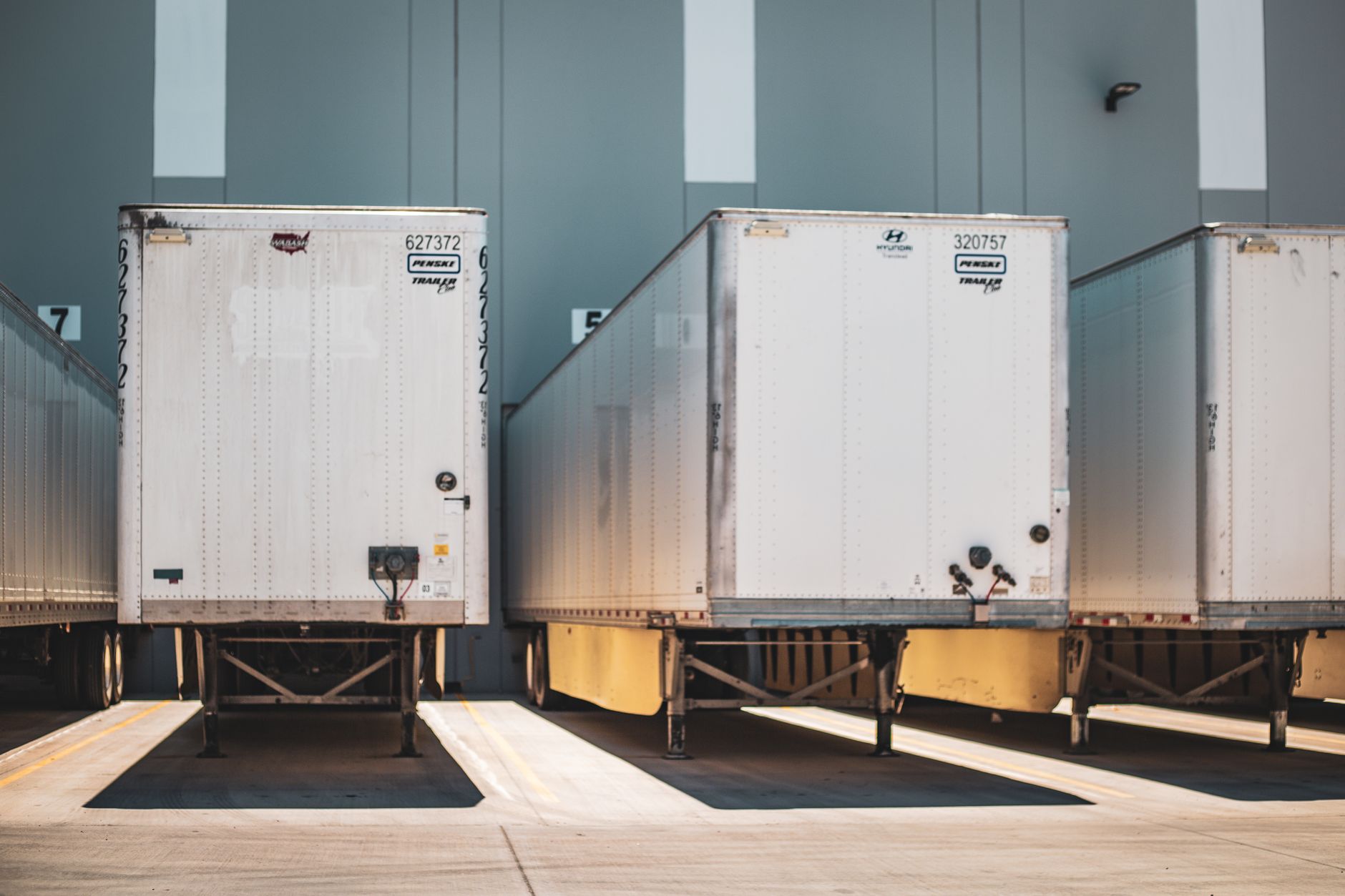
A patrol robot for a restoration company yard has three jobs after dark. It should detect a person or a vehicle inside the perimeter, send that alert to someone who can confirm it, and leave a record you can review at dawn. Trailers, pumps and drying equipment are the stock that walks off, and many yards sit unlit, unstaffed and open to the road.
It beats a camera only setup when the yard is large, irregular or unlit, and when nobody watches a live feed. A fixed camera records only what passes its field of view. A patrol robot moves along the fence line, switches to thermal sensing when the lights fail, and can be sent toward a trailer that trips an alert. Keep fixed cameras at gates for a steady record, because a robot covers ground and a camera holds one view.
Before any quote, ask four things: how the robot detects in darkness, which lighting you still need, how much perimeter it covers each night, and what happens when an alert fires. The answers separate a real fit from a good demo.
Why do equipment yards draw theft?
Equipment yards are soft targets, and the best public data is dated but consistent. A 2011 LoJack study across 21 states found light utility vehicles, work trucks and trailers were the most common stolen commercial equipment type, at 36 percent of thefts, as reported by CCJ. The same study found most job sites have weak security, with open cabs, shared keys and little product identification.
Recovery is poor. An academic study of construction site thefts, held in an East Tennessee State University repository, found an overall recovery rate under 7 percent. Thieves also use trailers, loaded or empty, to haul equipment away. Prevention is worth far more than recovery, and a yard that can see its perimeter is harder to work.
What detection should a patrol robot deliver after dark?
Look for human detection, vehicle detection and a thermal channel that works without ambient light. As of November 2026, the vendor pages I checked publish night figures. The SMP Robotics S5.2 IR datasheet, dated 2020, lists human detection at night up to 210 m, with a second figure of 320 m, and a thermal human-detection distance of 320 m. KABAM lists its Halo thermal PTZ array at 640×512, with a visible-camera low-light rating of 0.0001 lux. These are vendor-reported figures. I found no independent test data and no standard detection range metric to compare them against.
Treat a 320 m number as a starting claim. A restoration yard has trailers that block sightlines, tarps that flap and sprinklers that trigger motion. Test the robot on your ground before accepting any range. Use a walk test like this:
- Stage a person and a vehicle at the far fence line on a dark night, and time the alert from detection to a human reply.
- Park a trailer with its lights off and confirm the robot classifies it as a vehicle, not a shadow.
- Check whether each alert arrives with live video and thermal frames attached.
- Log every false alarm from wind, wet tarps and sprinklers, and confirm the vendor can adjust the rules.
When does a patrol robot beat cameras alone?
A camera only setup works when the layout is fixed, the yard is small and someone reviews footage quickly. Restoration yards usually fail that test. Trailers, pumps and drying units move between jobs, so a fixed camera's view goes stale. A robot follows a patrol route and can be re-routed as the yard changes.
The break point is labor. Cameras record, and a recording helps mostly after the loss. Pair a patrol robot with a monitored alert path, and the first response happens during the event. A robot does not stop a thief, and it cannot physically block a hitch. Its value is earlier detection and a usable record.
Which lighting, standard and ingress questions matter?
Ask what light the vendor needs. Some robots rely on thermal sensing for darkness, while the visible camera still needs enough light to identify a face or plate. Ask for the lux rating and the tested conditions behind it. KABAM's 0.0001 lux figure is a vendor specification, so ask for a night clip from a comparable site.
Ask which safety standard applies. UL 3300 is UL's safety standard for Service, Communication, Information, Education and Entertainment robots. It covers mobility hazards such as speed limits, object detection and avoidance, and audible or visual indicators of presence and path. The 2021 edition excludes robots that perform as, or are integrated in, security or life-safety systems, according to the ANSI listing, so a patrol robot may sit outside its scope. Check the current text before relying on that.
Ask about ingress protection too. Dust, mud and rain are a yard's daily conditions, so get the rating for the exact model you would lease, along with its operating temperature range.
How much perimeter does one robot cover?

Ask for the route length, the time for one full circuit and the number of passes each night. Ask where the robot cannot go, such as ruts, gravel ramps or gates it cannot open. Ask about blind spots behind stacked pumps, between trailers in double rows and under low canopies. A careful vendor marks these on a site map before quoting.
Ask where the robot charges. A dock placed at the far corner shortens patrol time, while a dock near the gate keeps the robot close to the shift change. Ask what happens when the battery runs low mid-patrol, and whether a second unit or a person takes over.
Who receives the alert, and how fast?
Escalation decides whether the robot earns its place. Knightscope runs a security operations center that monitors robot alerts and live-streamed video, as in a Hayward, California garage deployment. Knightscope's 2023 blog describes Knightscope+ as a way to take part of the monitoring workload off the customer. eWeek reports that a client must still assign someone to receive alerts.
Put these questions in writing. Who verifies an alert before anyone is called? What is the call order, and how long does each step wait? Who is the site contact at 2 a.m. when the yard manager is off shift? How is a false alarm logged and tuned out? Does the escalation path change when a trailer is hitched or a gate is forced?

Where does Service Robot Co. fit in?
We are an OEM neutral integrator for US businesses. We pick the robot that fits the yard across manufacturers, then lease it, deploy it, integrate it, train staff and service it through a nationwide US engineer network. The lease runs for a term of three years with one fixed payment, quoted after a site assessment. That assessment is where the lighting, perimeter, ingress and escalation questions above get answered on your actual ground.
We will not promise a detection range before the walk test has run on your yard. A robot lease makes sense once the walk test passes and the escalation path is written down.
What a patrol robot will not replace
A patrol robot does not replace locks, gates, lighting or hitch locks, and it does not replace insurance. It does not respond to a breach by itself, and an alert with no one to receive it is only a log entry. Keep trailers locked and staged in lit areas, then use the robot to shorten the time between a breach and a human reaction.
Frequently asked questions
Want a robot working for you?
Tell us the job and the site. We will recommend the robot, quote the lease, and keep it serviced.
Sources
- SMP Robotics S5.2 IR datasheet (2020)
- KABAM Halo
- Knightscope, 4-step parking lot recommendation (2023)
- City of Hayward, California, Knightscope deployment
- eWeek, new robots designed to patrol routes
- UL 3300 at ANSI webstore
- CCJ, LoJack study on stolen commercial equipment
- East Tennessee State University repository, construction site theft study