Key takeaways
- Settle routing, charging and service coverage for each building before the site assessment ends.
- Ask how a robot enters each building and uses an elevator, not only how it crosses the lawn.
- Treat reported campus delivery totals as press figures until your own route logs confirm them.
- Write exit, notice and relocation terms into the lease, because campus programs can end on short notice.
- Bring the checklist into the site walk and insist on written answers to every item.
What a campus lease must settle before the assessment
A campus operator planning robots that move between several buildings needs four answers before signing: the route each unit travels, where it charges, who covers service at every site, and how the agreement ends if the program changes. A robot that runs cleanly across one courtyard can stall at the first doorway, so each area deserves its own review. The list near the end of this piece collects the questions in order.
Treat the site assessment as the place to get those answers, not as a formality. Service Robot Co. leases robots on a three year lease with one fixed lease payment quoted after a site assessment, so route, charging and coverage details are settled before a number is put on the table.
How should routes be mapped across buildings?
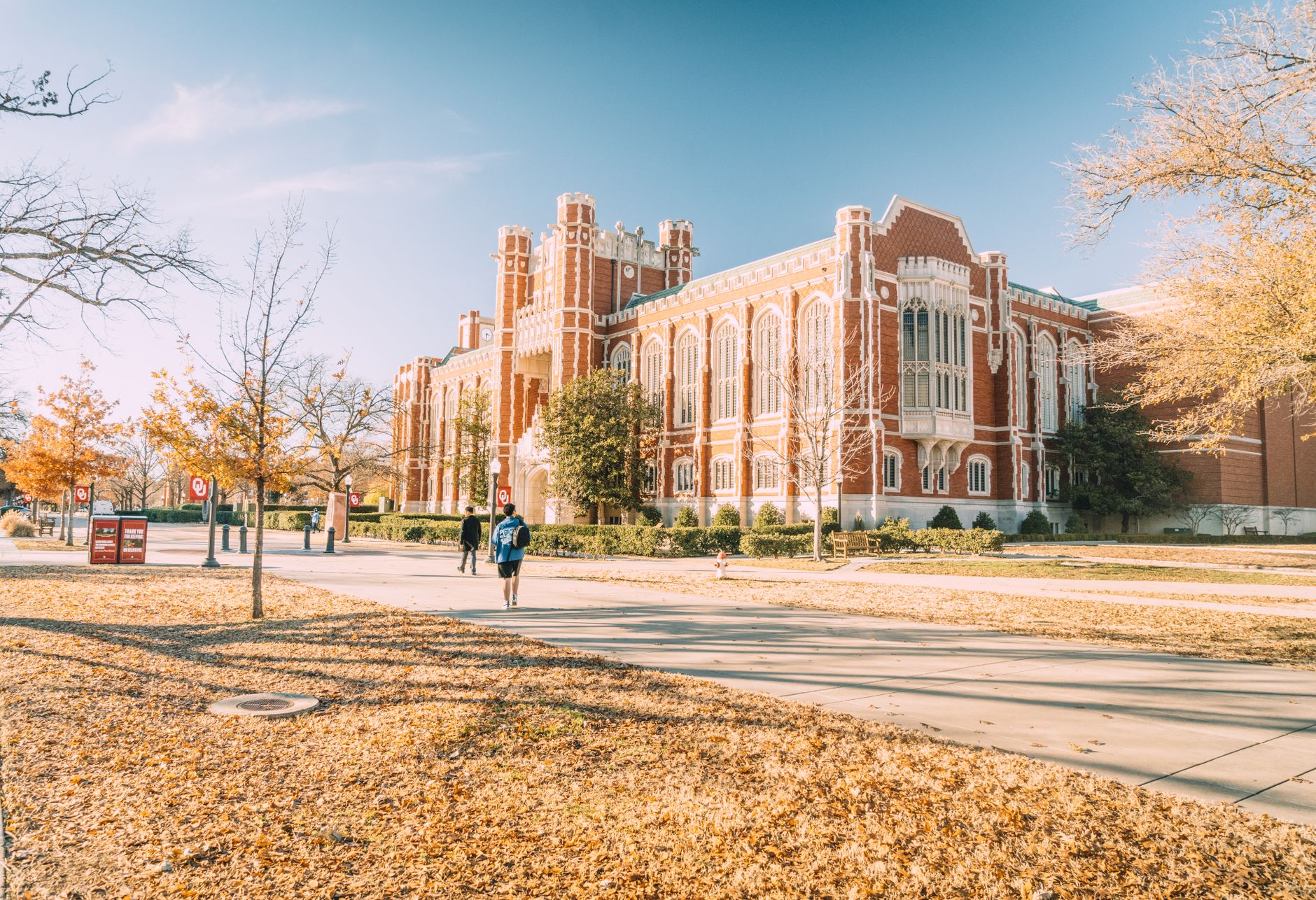
Published campus deployments show what navigation handles well. One university report describes robots using radar, sensors and GPS on sidewalks, detecting obstacles and handling crosswalks. Reporting is much quieter on the parts that matter once a robot leaves the walkway: how it enters a building, whether it can pass a door, and how it uses an elevator. The reports reviewed for this piece did not cover those points, so they belong on your list rather than in a vendor summary.
Ask for a map of every leg, indoor and outdoor, with doors, gates, lift access and shared corridors marked. Then ask how a route changes when a building locks after hours or a crosswalk closes for construction. A route map that stops at the curb is only half a route.

Where do the robots charge, and who moves them?

The research behind this piece did not yield verified charger counts, placement rules or per building coverage for campuses with several sites, so charging should be treated as an open question with a checklist rather than a settled figure. It matters because a unit that runs low between two buildings either stops in a walkway or waits for a person, and both outcomes end the delivery.
For each building, confirm where a charger would sit, what power is available, whether staff can reach it, and if it blocks an entrance or a fire path. Decide if the campus uses one hub or several, and who carries a unit back when it needs charge away from its route. Those choices decide how many staff hours the program actually consumes, and they are easy to overlook in a demo.
Who covers service when a unit fails in another building?
Service coverage is where programs spread across several buildings quietly break. A fault in one building can strand a unit that another building was counting on, so the lease should name a response path for each site rather than a general promise of support. Ask how a fault is triaged remotely, how long a unit can sit before a technician arrives, and whether a spare unit covers a site while its robot is out of service.
Service Robot Co. services every unit through a nationwide US engineer network, with on site dispatch and remote triage. We select and integrate robots across manufacturers, so one team sees the whole fleet. For a campus operator, the practical question is whether the team that deployed the fleet will answer the call in every building, on a stated timeline, under the same lease.
What should the lease say if the vendor leaves the campus?
This is the clause most campus pilots skip. On June 4, 2026, Starship Technologies announced it would wind down its U.S. university campus operations to focus on grocery and hot food delivery in cities. The company pointed to grocery delivery on a 10x growth trajectory over two years. Press reports put the affected fleet above 1,200 robots across about 60 U.S. campuses, and service was expected to continue through the 2026 to 2027 back to school season.
Miami University said all Starship robots had left its campus, with no immediate replacement expected from dining services. UW Madison housing was exploring alternatives. A campus operator on a three year lease should write the exit terms down now: the notice period, how service continues during a wind down, whether units can be relocated, and what the lease owes if robots leave a site early.
What do the reported campus numbers actually prove?
Campus figures are useful for scale and weak as proof. According to an Axios report from September 2026, Ohio State University's fleet with Avride grew from an initial 100 robots to 125 and logged nearly 235,000 deliveries to campus run buildings in the 2025 to 2026 academic year. Those are reported figures and have not been independently audited, so use them to size a question, not to answer one.
Market data carries the same caution. Trade press reporting on the IFR's 2026 service robot report put professional service robot shipments at almost 250,000 units in 2025, up 24 percent. Transport and logistics was the largest application at 117,500 units. Professional cleaning ranked third with a 12 percent share, and cleaning robot sales rose 40 percent. The earlier IFR release, covering 2024, counted about 200,000 units, up 9 percent, from a sample of 294 suppliers that the IFR did not project to the whole industry. The IFR advises against comparing figures across its reports, so read each year on its own terms.
What goes on the list for the site assessment?
Bring these items into the walk through and ask for written answers to each.
- Door and gate hardware on every route, with who controls access after hours
- Elevator access rights and how a unit calls a car without staff help
- Wi Fi and cellular coverage inside each building and along every outdoor leg
- Quiet hour windows and any rooms a robot must never enter
- Weather pause rules for outdoor legs, and who decides when a route closes
- Charger power, clearance and fire path review for each proposed charging spot
- Handoff points where a person moves a unit between buildings
- Route log access, so facilities can audit each run rather than read a vendor summary
- Exit terms: notice period, service during wind down, and relocation rights
Frequently asked questions
Want a robot working for you?
Tell us the job and the site. We will recommend the robot, quote the lease, and keep it serviced.
Sources
- Supply Chain Digital: IFR professional service robot sales surge 24 percent
- Supply Chain 247: transportation and logistics professional robot sales
- IFR: Service robots see global growth boom
- Axios: delivery robots on college campuses
- Fox News: Starship delivery robots leave campuses for cities
- Miami University: Starship delivery robots depart campus
- The Daily Cardinal: UW Madison food delivery robots leave campus
- Campus ID News: Purdue campus autonomous robot delivery