Key takeaways
- Split the showroom into dry walkways and wet tub zones before the first run.
- Tub rims, standing water, drains and chemical spills stay on a manual wipe list at first.
- Run the robot after the delivery crew clears the floor, not in the middle of the unloading.
- According to the IFR, most professional cleaning robots sold in 2024 went to floor cleaning jobs, and those sales rose 34%.
- Confirm the wet-surface rating in writing and test the route on your own tile.
Can a floor robot clean a spa showroom after close?
A floor robot can take much of a hot tub or spa showroom after close, but not all of it. The dry walkways, the porcelain or stone aisles between display tubs, and the open floor near the entrance are the natural work for an autonomous floor scrubber or sweeper. The wet rim zones, any spot holding standing water, and areas where spa chemicals have been spilled still need a person with a squeegee and a mop.
The plan that works for a showroom manager who has never run a robot is short. Map the floor into zones before anything runs, let the robot take the dry and lightly damp tile, keep a manual wipe list for the wet edges, and time each run around the delivery days that bring tubs, pallets and wet boots onto the floor.
Check the surface and water ratings against your actual tile before the first run. Those ratings are the first thing to confirm, not the last.
Why do spa showrooms split into wet and dry zones?
Display tubs hold water, and they spill it. Rims splash when a jet runs or a lid lifts, and the tile around each base collects drips that may not dry before close. Those wet patches sit beside dry walkways, sealed entry tile and aisles where customers walk in dry shoes.
The split matters because a floor robot does best on a floor it can read consistently. A dry porcelain aisle and a film of water on the same tile are two separate jobs for one machine. Drawing zones on the map tells you what the robot runs over, what it skips and what gets a person.
How do you map the showroom before the robot runs?
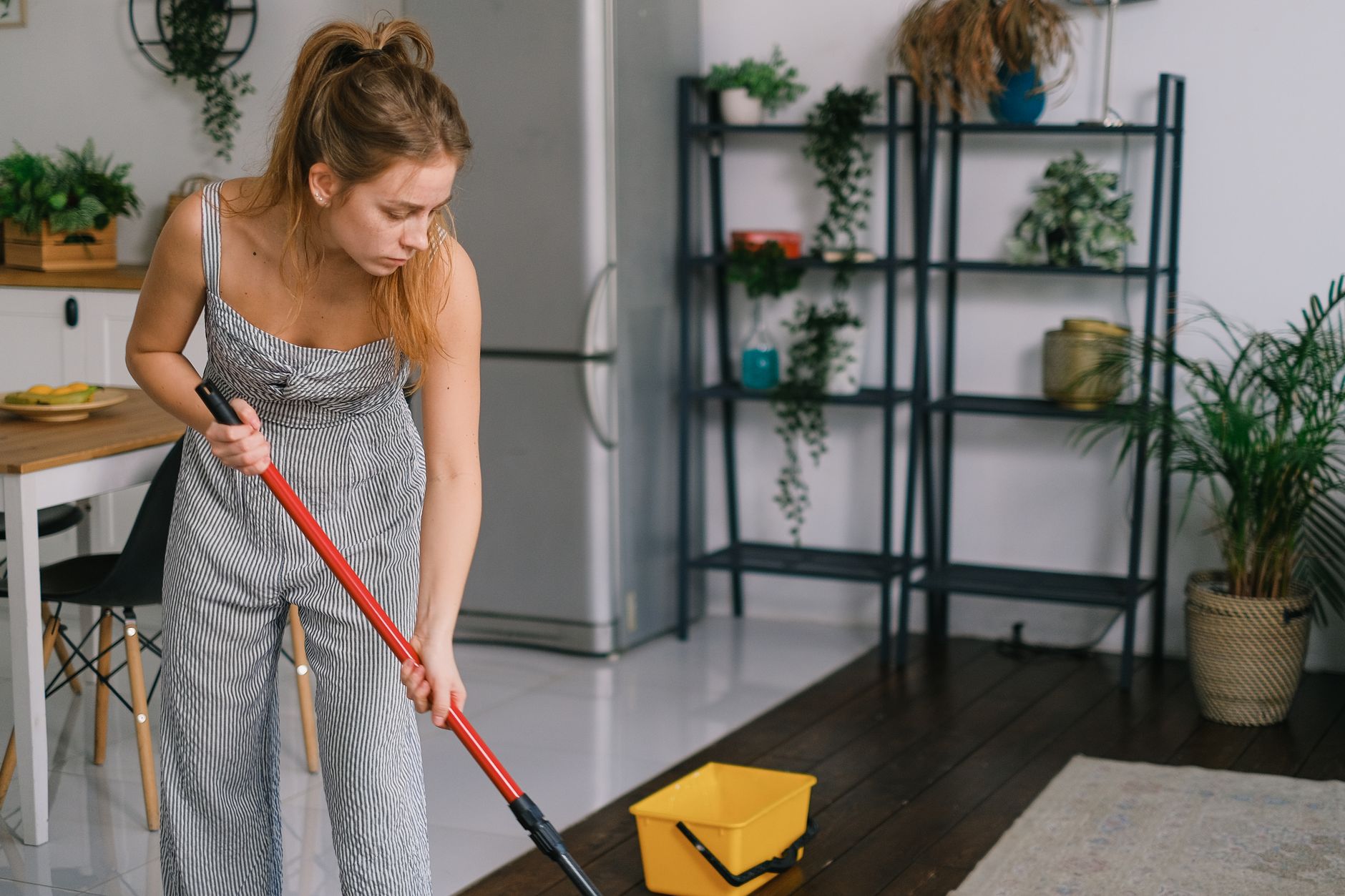
Mapping starts with a site assessment. Walk the floor with the vendor's engineer and note tub locations, pump and heater cords, floor lamps, rugs, threshold strips and any step between zones. Each one can stop a robot or send it the wrong way.
Mark no-go areas the way the vendor's software allows, then run the route slowly with the room empty. Service Robot Co. handles this step as part of a site assessment: we map the floor, set the zones and walk your team through the route before any unsupervised run.
Which zones still need manual wiping?
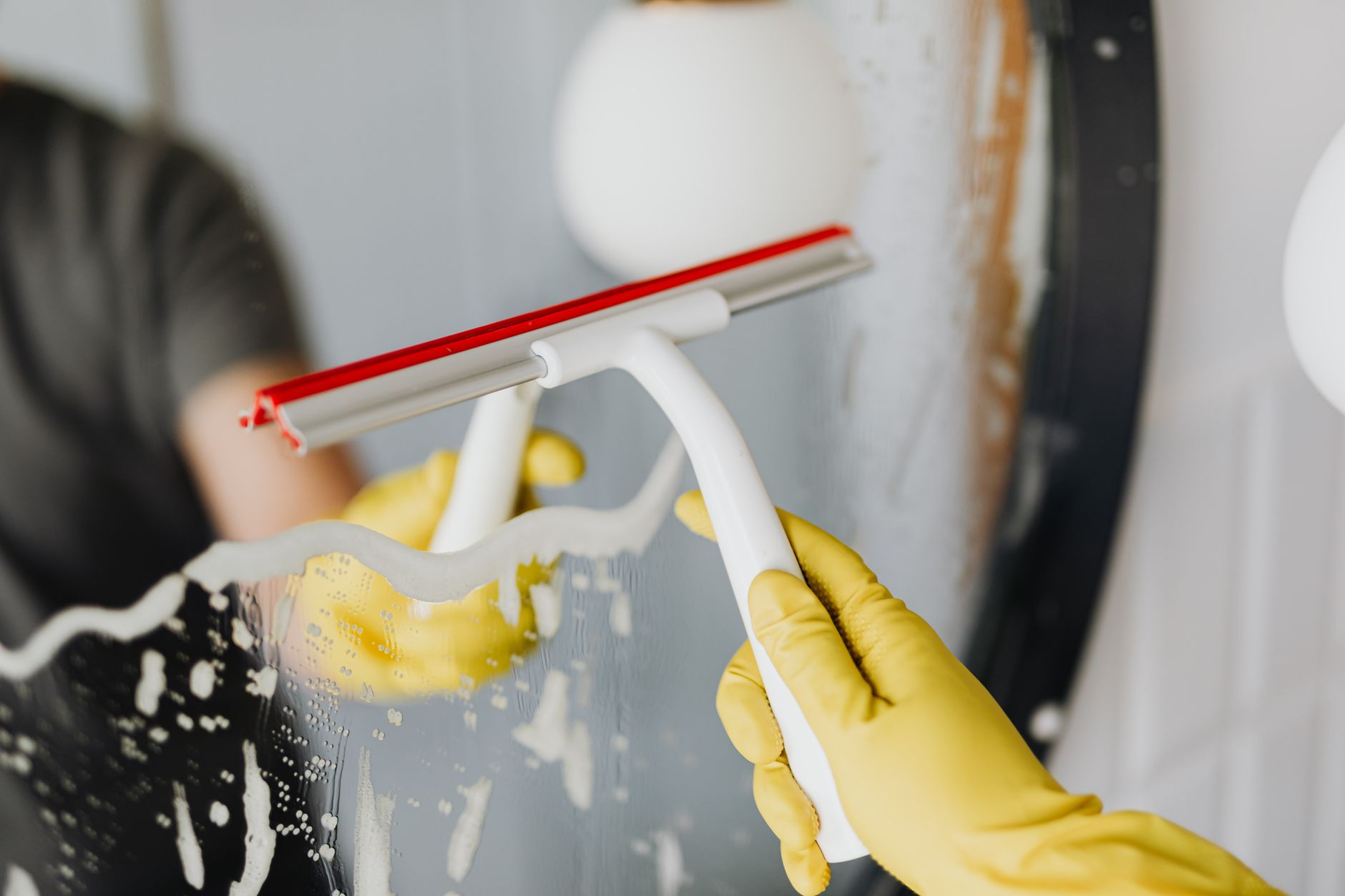
A robot can carry most of the dry tile. Five kinds of ground should stay on a manual list until your team has watched the robot work the floor for several weeks:
- The rim and splash band around each tub, where water and spa product reach the floor.
- Tile sections that hold standing water after a fill, a drain or a test.
- Drain covers, grout seams and the base of every display tub.
- Any spot where chemicals, oil or dropped product has landed.
- The entry mat and the first few meters inside the door, where wet boots arrive.
How should runs be scheduled around delivery days?
Delivery days change the floor more than any other single event. Tubs arrive on pallets, a hand truck or pallet jack crosses the walkways, and the crew tracks grit and water across tile that was clean the night before. A robot that runs straight through that mess spends its time on debris a little planning would have kept off the floor.
A workable pattern: run the robot on normal nights after close, and move the run to the evening after the delivery crew finishes. Keep a manual pass for the dock path and the first few meters from the delivery door, where most debris lands.
If a tub or stacked pallet sits on a mapped route, update the map before the run. A blocked path can stop the robot partway through, and a stop nobody sees can leave half the floor untouched until morning. If the log later shows repeated stops on the same delivery days, change the schedule before you change the robot.
What do the 2024 service robot numbers say about cleaning demand?
According to the International Federation of Robotics (IFR), professional cleaning robots were the third-largest professional service robot segment in 2024, with sales up 34% to more than 25,000 units. Most of those units are deployed for floor cleaning. The same report put total professional service robot sales at nearly 200,000 units, up 9%, and links demand to labor shortages.
These are 2024 figures. Full-year 2025 cleaning robot counts are not part of this data, so read them as a snapshot of 2024, not a total for this year. The IFR also tracks consumer floor-cleaning robots separately, close to 20 million units sold in 2024. Those home machines are not a benchmark for a commercial showroom.
How does a robot lease work for one showroom?
Service Robot Co. is a full-service commercial robot integrator for US businesses. We are OEM-neutral, so we choose the robot for your floor rather than starting from one manufacturer's catalog, and then handle deployment, integration, training and service through a nationwide network of US engineers.
Robots are leased, not sold. Our offer is a 3-year lease with one fixed lease quote made after a site assessment, so the number reflects your floor and your zones. A showroom can begin with one leased unit on a single zone, prove the wet-edge list and the delivery-day schedule, and then decide whether coverage should grow.
What should the first two weeks show?
The first two weeks are for measurement, not expansion. Review the robot's log each morning, check the wet edge by hand, and record what happened on every delivery day, not only the quiet ones. Track four measures from the first run:
- Each stop, with its time and zone.
- Minutes of manual wiping in each zone, so you know what the robot is actually saving.
- Any delivery day that blocked a mapped route.
- Wet-edge spots the robot skipped or missed on the morning check.
Frequently asked questions
Want a robot working for you?
Tell us the job and the site. We will recommend the robot, quote the lease, and keep it serviced.