Key takeaways
- Choose a day porter if your main pain is constant spot work, restroom touch-ups nearby, trash, and guest-facing exceptions.
- Choose a cleaning robot if your main pain is repeatable hard-floor coverage that needs to happen every day with the same standard.
- For wet-floor response, a porter still matters because OSHA expects spills to be addressed immediately and floors kept clean and, as far as feasible, dry.
- In most busy office lobbies, the strongest operating model is not robot versus porter. It is robot for repetitive floor passes and porter for exceptions and visibility.
What makes more sense for a busy office lobby?
If you need one direct answer, here it is. A day porter is the better choice when your lobby problem is constant interruption. Sudden spills, tracked-in rain, fingerprints on glass, overflowing waste, and the small guest-facing fixes that make a property feel cared for all need human judgment and immediate response. A cleaning robot cannot replace that layer of attentiveness.
A cleaning robot makes more sense when the biggest pain is keeping a large hard-floor lobby consistently presentable through repeatable passes. That is the machine’s lane. It handles routine floor work without fatigue, and it can take a predictable task off a labor pool that is still tight in many markets.
In practice, the cleanest answer for a high-traffic office property is often a split model. Put the repetitive floor route on automation, then use a day porter for wet-floor response, detail work, and the visual polish tenants actually notice. Buyers get into trouble when they compare these two options as if they perform the same job. They do not.
- Pick porter-first when appearances hinge on quick judgment and constant spot response.
- Pick robot-first when appearances hinge on repeatable hard-floor coverage over the same path every day.
- Pick both when the lobby is large, occupied for long hours, and highly visible to tenants and guests.
Why do buyers compare them too loosely?
Because both can improve visible cleanliness, they often get dropped into the same budget conversation. That is reasonable at first glance, but it hides the operational difference. One is a roaming person handling changing conditions. The other is an autonomous floor care asset built for structured, repetitive work.
The labor market also pushes the comparison. According to the U.S. Bureau of Labor Statistics, janitors and building cleaners held about 2,447,700 jobs in 2024, the median pay was $17.27 per hour in May 2024, and about 351,300 openings are projected each year on average from 2024 to 2034. That does not mean people are disappearing from the job. It means building owners keep hiring into a role with steady replacement demand.
Office traffic has also become less predictable across the week, which makes appearance management harder. Kastle’s August 2026 office barometer, based on access data from more than 300,000 users across 3,400 buildings, reported a 54.4% average occupancy across its 10-city sample for that week. Even with hybrid schedules, the lobby still has to look ready every day because busy periods bunch up fast.
What can a day porter do that a cleaning robot cannot?
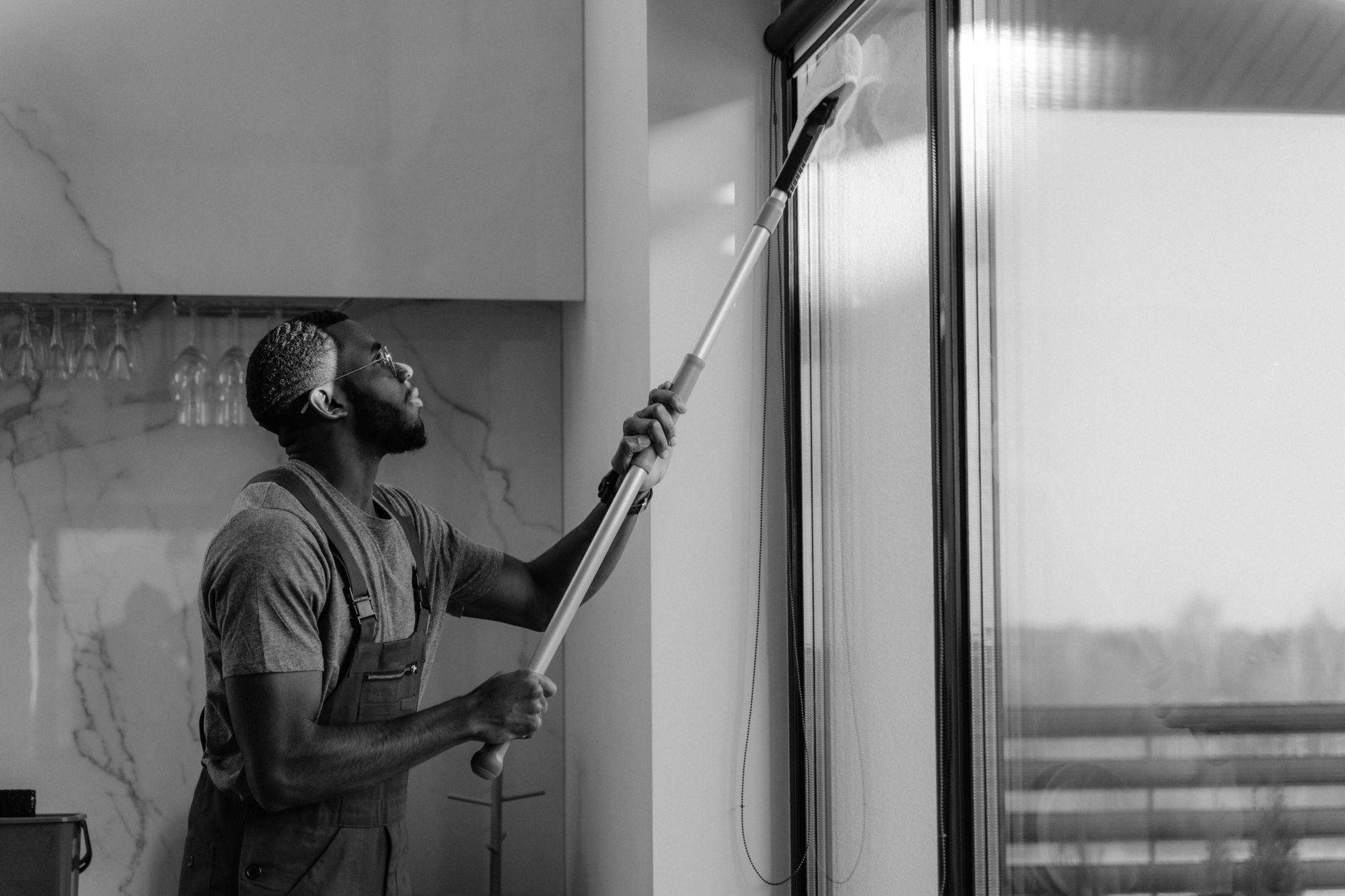
A porter can read the room. That matters in a lobby more than in many back-of-house spaces. Footprints suddenly collect near the revolving door. A guest drops coffee near the security desk. A storm pushes moisture across the vestibule. A trash can fills after a tenant event. The porter changes sequence and tackles the highest-risk issue first.
The role is broader than floor care. The Bureau of Labor Statistics describes janitorial work as including cleaning spills and hazards, cleaning restrooms, washing windows and glass, stocking supplies, and noticing repair needs. That breadth is exactly why a porter remains valuable in a lobby, where perception is formed by details beyond the floor machine path.
There is also an optics point. In some properties, a visible porter signals attentiveness to tenants, brokers, and visitors. If your lobby is effectively a leasing showroom, hospitality still matters. A robot contributes to that image differently. It suggests operational discipline and modernity, but it does not replace a human presence when people need help or reassurance.
Where does a cleaning robot clearly win?
A robot wins on consistency, route discipline, and labor relief for repetitive floor work. If your lobby has broad hard-floor zones that need the same scrubbing or mopping pattern every day, automation tends to outperform ad hoc manual coverage. The machine does not get pulled away to handle a delivery, answer a question, or fix a restroom issue down the hall.
It also changes when the work gets done. The Bureau of Labor Statistics notes that many office cleaners work evenings because buildings are often cleaned while empty. A robot can support that pattern with overnight cleaning no operator on the floor for every pass, or it can run during lower-traffic daytime windows if the route and site rules allow it.
This is where a commercial cleaning robot rental or robot as a service structure can fit. If you want predictable floor care without a large upfront purchase, monthly payment programs, maintenance included terms, and a lease rental or sale choice can make the trial easier to underwrite. The key is to judge the robot on the square footage and route regularity it will actually own, not on every janitorial duty in the lobby.
What about wet-floor response and slip risk?
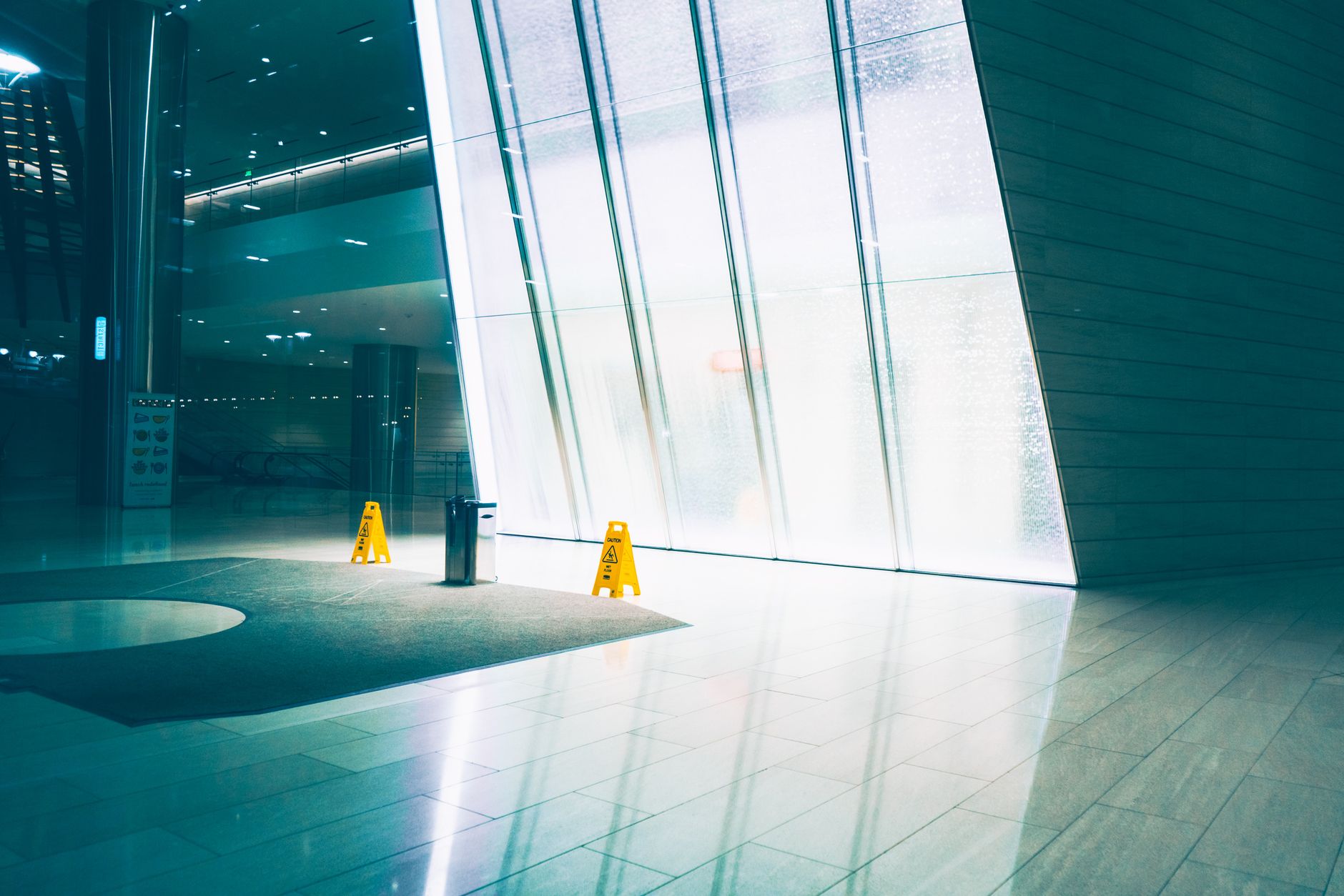
This is the sharpest line between the two options. Wet-floor response is not just about appearance. It is a safety function. OSHA’s walking-working surfaces rule says floors must be maintained in a clean condition and, to the extent feasible, in a dry condition. OSHA also says spills should be reported and cleaned up immediately as a recognized control practice.
That timing requirement matters in a busy office lobby because tracked-in weather and beverage spills do not arrive on a route schedule. A robot can maintain the baseline condition of the floor, but it is not a substitute for immediate intervention when a fresh hazard appears. If your building sees rain events, food delivery traffic, or coffee queues near the entrance, a porter still carries real weight in the risk picture.
The broader injury context is not trivial. The Bureau of Labor Statistics reports 479,480 cases involving days away from work tied to falls, slips, and trips in 2024. For a property team, that means the decision is not just labor versus automation. It is also planned cleaning versus live hazard response. Those are separate operating needs.
How much of lobby appearance is really about the entry zone?
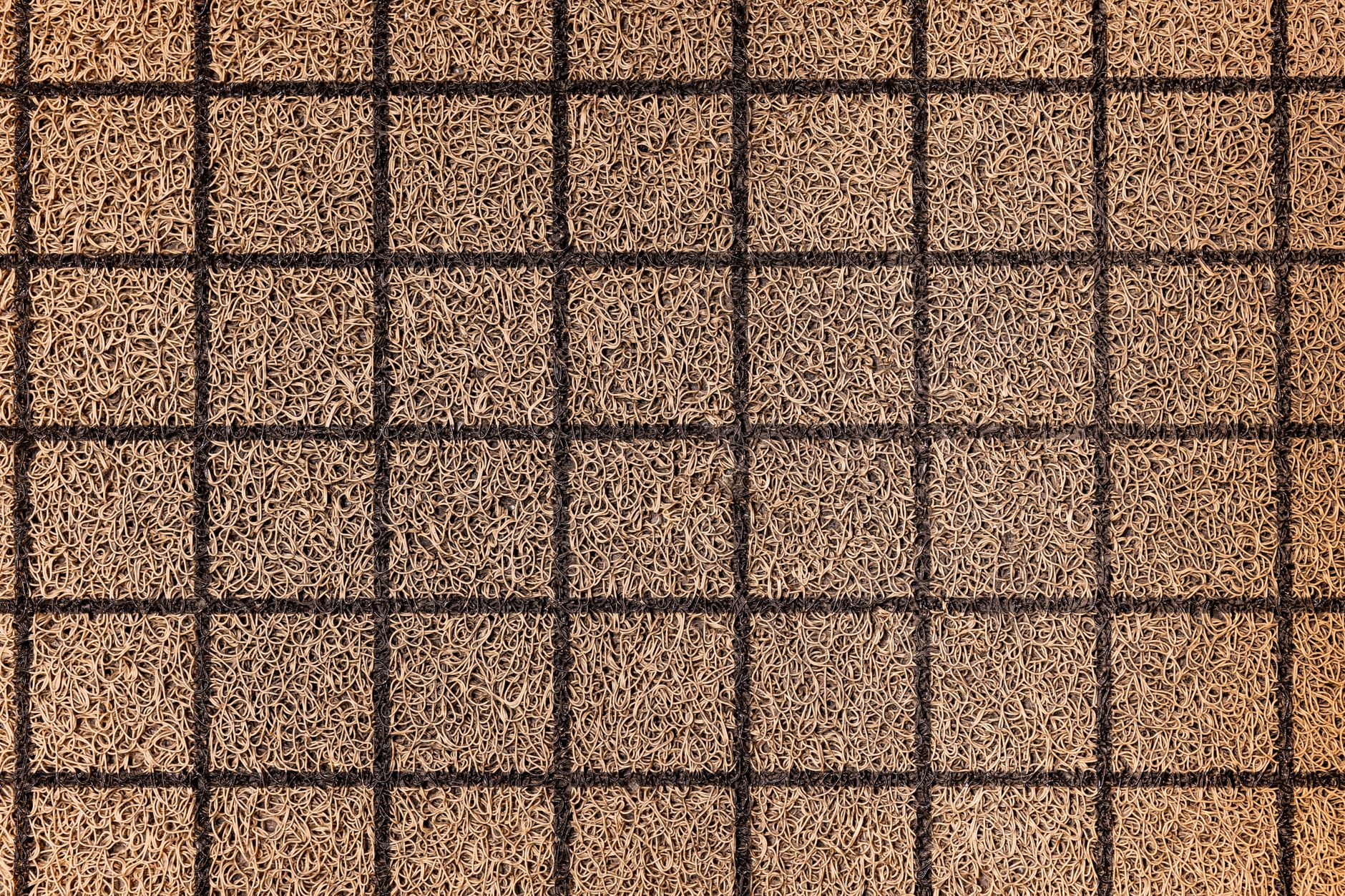
More than many buyers think. The first failure point in a lobby is often not the scrub path. It is the soil and moisture load entering through the doors. The EPA says 85% of the dirt tracked into a building on shoes can be removed if entry mats are properly designed and maintained. The same EPA guidance warns that without a sound mat system, entrances and lobbies become unsightly quickly and moisture on hard floors raises injury risk.
That changes the buying logic. If your entry control is weak, adding a robot without fixing mats and response coverage can leave you disappointed. The robot will keep cleaning, but the lobby will keep losing the battle at the threshold. Likewise, a porter who spends the whole day chasing tracked-in debris is doing expensive reactive work that better entrance control could reduce.
For many office properties, the right sequence is simple. Improve matting and drainage discipline first. Then decide how much repeatable floor care belongs to automation and how much exception handling belongs to a porter. The cleaner lobby usually comes from the operating model, not from a single hero asset.
When does the hybrid model pencil out best?
The hybrid model is strongest in lobbies with long open hours, visible hard-floor area, weather-driven soil loads, and a steady stream of interruptions. In that setting, the robot handles the large-format, repeatable floor task while the porter protects the guest experience and manages exceptions. Each side does the work shape it is best at.
This is also the cleanest way to avoid false expectations. If you cut porter hours assuming the robot will take over spill response, detail cleaning, and glass care, the lobby will disappoint you. If you keep all repetitive floor work on a porter in a large space, you may be spending labor on the least differentiated part of the job.
Service Robot Co. is built for exactly this kind of evaluation. As an OEM-neutral, full-service commercial robot integrator for U.S. businesses, the company can match the robot to the floor, then finance, deploy, integrate, train, and service it through a nationwide engineer network. That matters because the right answer is rarely just a machine. It is a site-specific operating plan with one partner responsible across the life of the program.
How should an office property buy this without making a category mistake?
Start with the actual lobby workload, not the label on the budget line. Measure how many hours go to repeatable hard-floor passes, how often live spills occur, how much glass and touch-point work sits near the lobby, and how much of the day the area is visibly occupied. Then ask which tasks are structured enough for automation and which require judgment and immediate presence.
If the repeatable floor task is substantial, a commercial robot rental, robot leasing for business, or month to month robot lease can be a sensible way to validate the fit. Ask for a free site assessment, route mapping, go-live support, and a clear service plan. For a busy lobby, uptime and response matter more than brochure claims.
Service Robot Co. can be useful here because it operates as a vendor neutral robot integrator rather than pushing one machine into every site. For owners who want one partner and one number across financing, deployment, training, and service, that can simplify the buy. It also keeps the discussion where it belongs: what work should be automated, what work should stay human, and how the two layers support each other every day.