Key takeaways
- A compact robot suits the hard floor lanes of a driving school office and classroom, not every surface.
- Entry mats, carpet borders and corners still need a hand crew or a vacuum.
- Carpet cleaning on a compact autonomous scrubber is not confirmed in the public sources reviewed.
- Quote noise ratings with their test conditions, then measure the unit in your own classroom at lesson volume.
- Run the robot in the gaps between lesson blocks, and let the lesson calendar set the window.
What a compact robot can clean in a driving school
A compact autonomous floor robot can take most of the hard floor in a driving school office and training classroom. That covers the tiled waiting area, the sealed or vinyl floor in the classroom, and the open corridor between the front desk and the back rooms. It leaves the entry mat, carpeted seating edges, corners and the gaps under chairs and desks to people. The best window is overnight or the hours between lessons, when the rooms are empty and no learner is waiting on a route.
Footprint matters more here than in a warehouse. Lobbies and classrooms are full of rolling chairs, cords and reception furniture, so a unit has to fit the real aisles, not the drawn ones. Walk the route with a tape measure and mark the pinch points before any choice is made. Runtime per charge belongs on the same site survey, checked against your own floor plan.
Which zones suit a compact robot, zone by zone
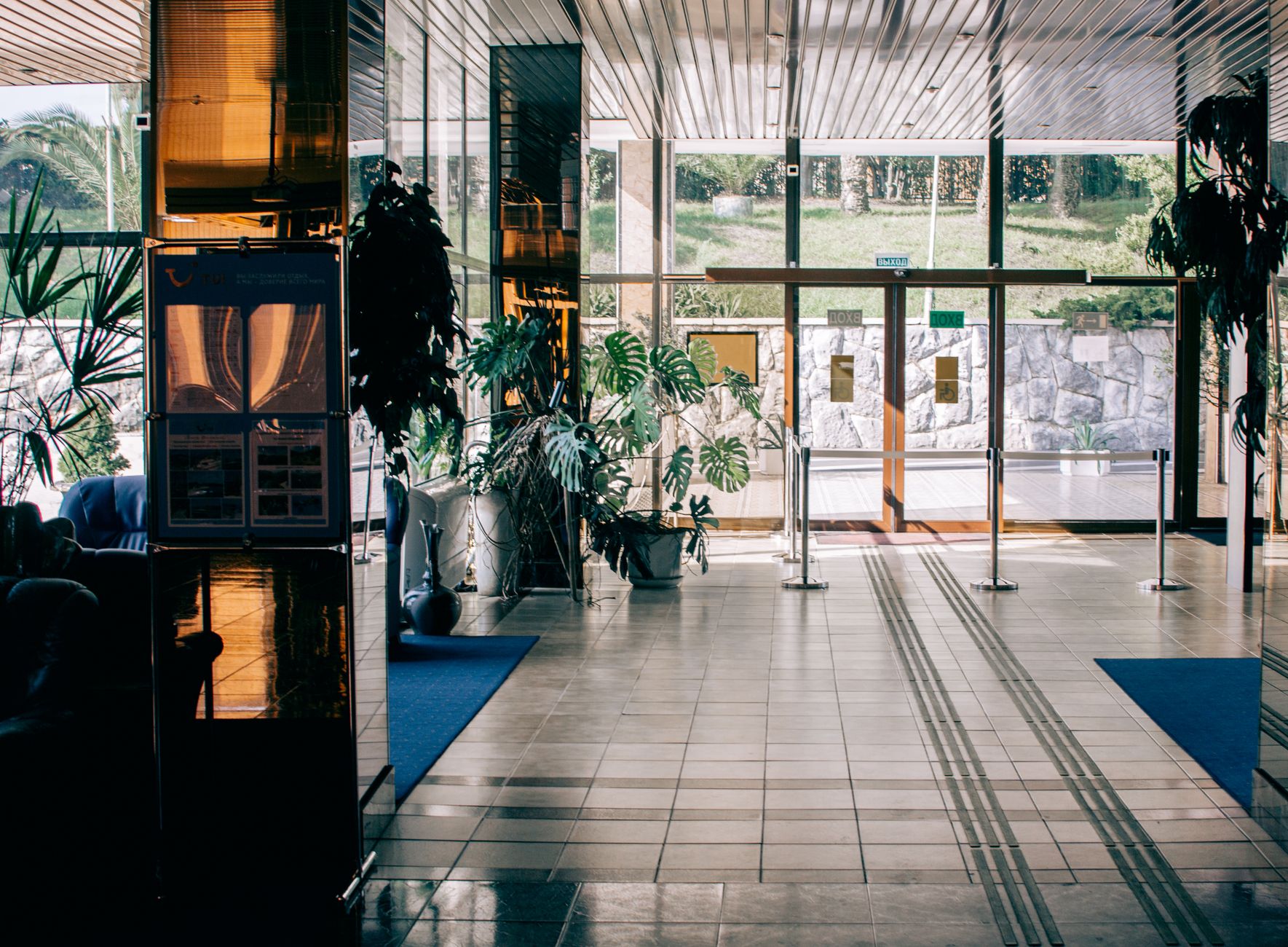
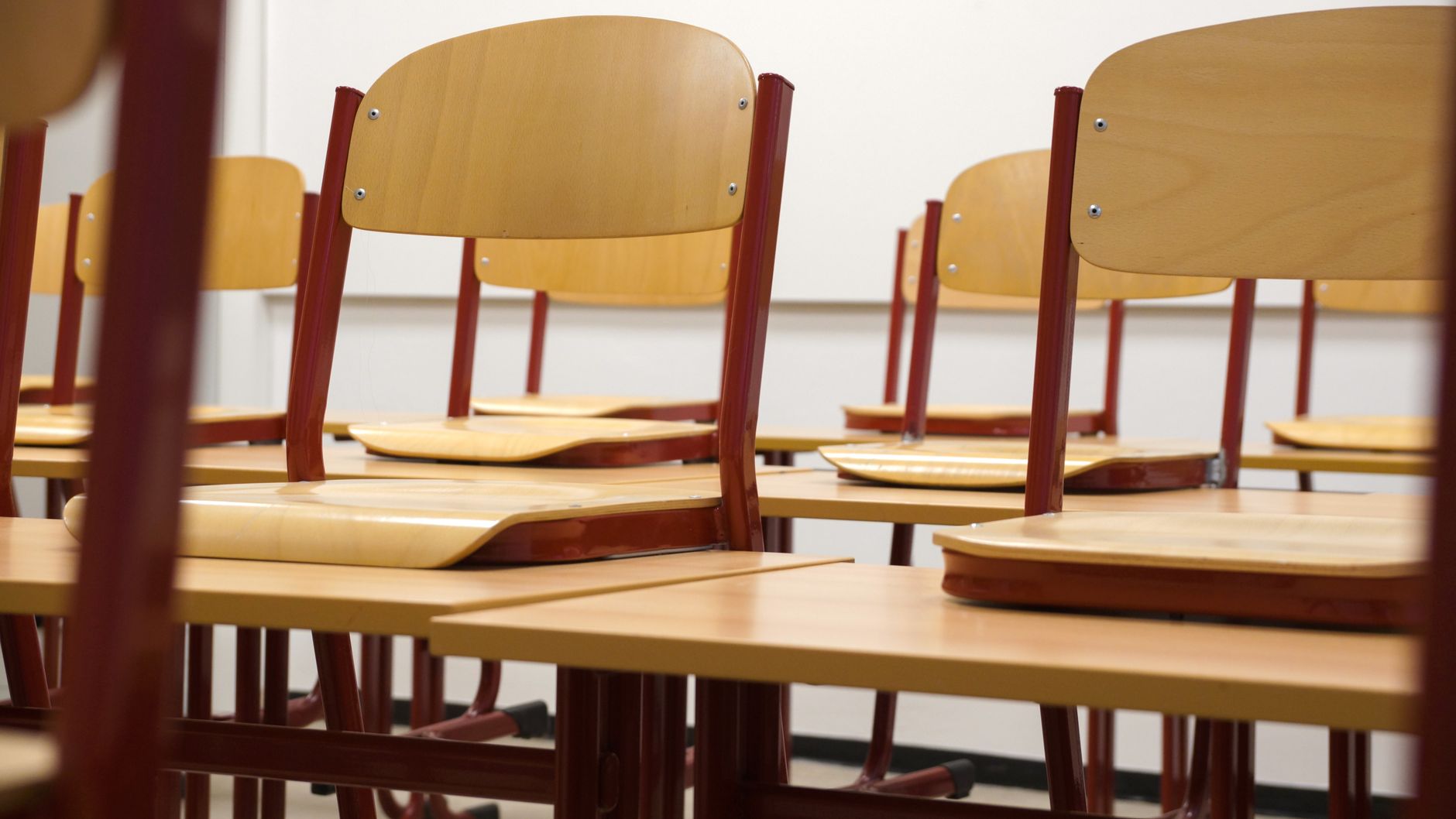
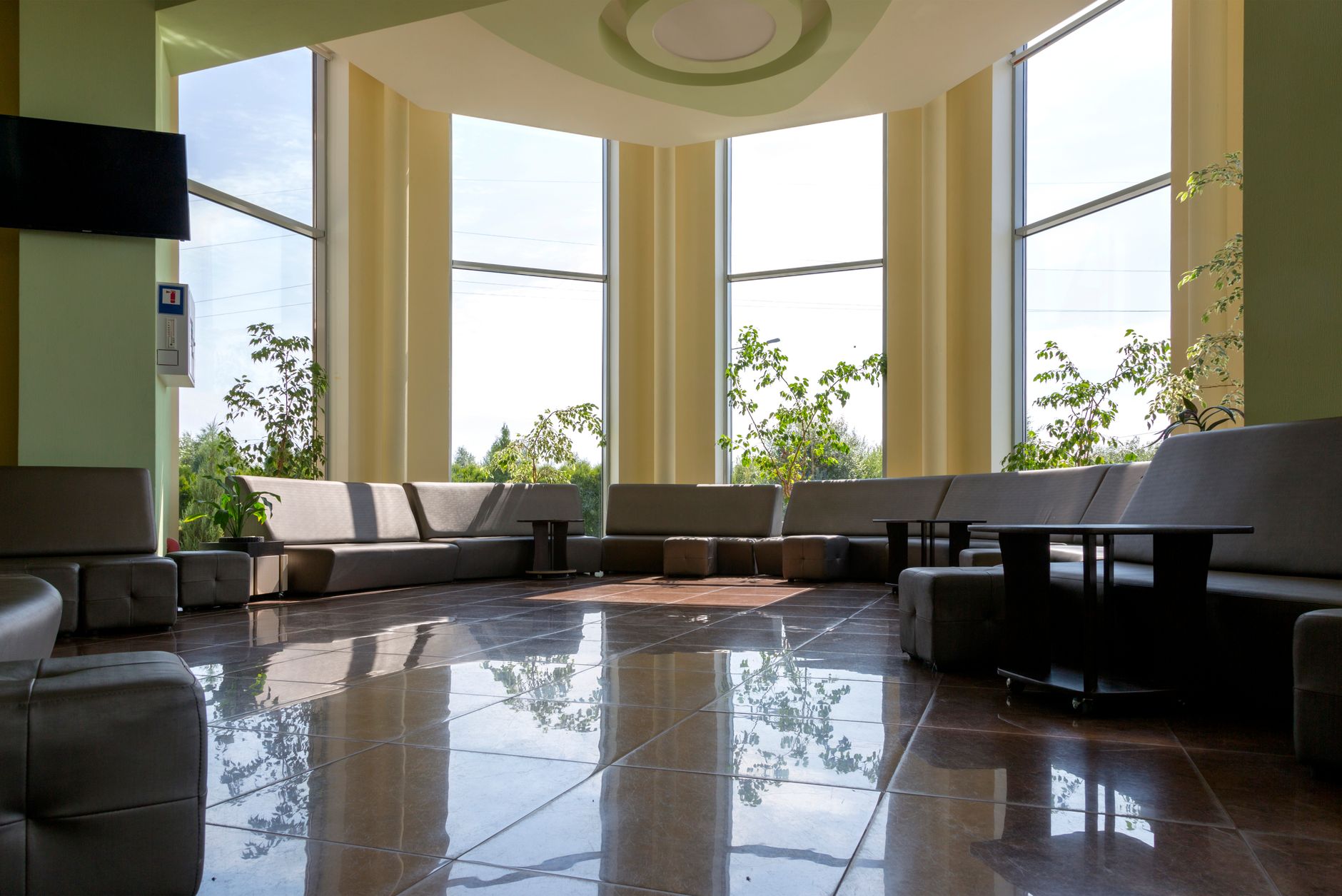
The tiled waiting area is usually the strongest fit, provided chairs have clearance and the reception counter does not block the main path. The classroom hard floor is a good fit when desks sit in rows, but rolling chairs and cords need routing around. A chair pulled out mid run can stop a route, so keep the room clear before the robot enters.
A product listing for a compact battery scrubber from Uline says it suits offices, retail and narrow hallways, and it advises against rubber or wood floors. Carpet is not mentioned there at all. Check the surface of every zone before a first run, because a tile lobby and a rubber stair landing are different jobs.
Where entry mats, carpet and corners still need hands
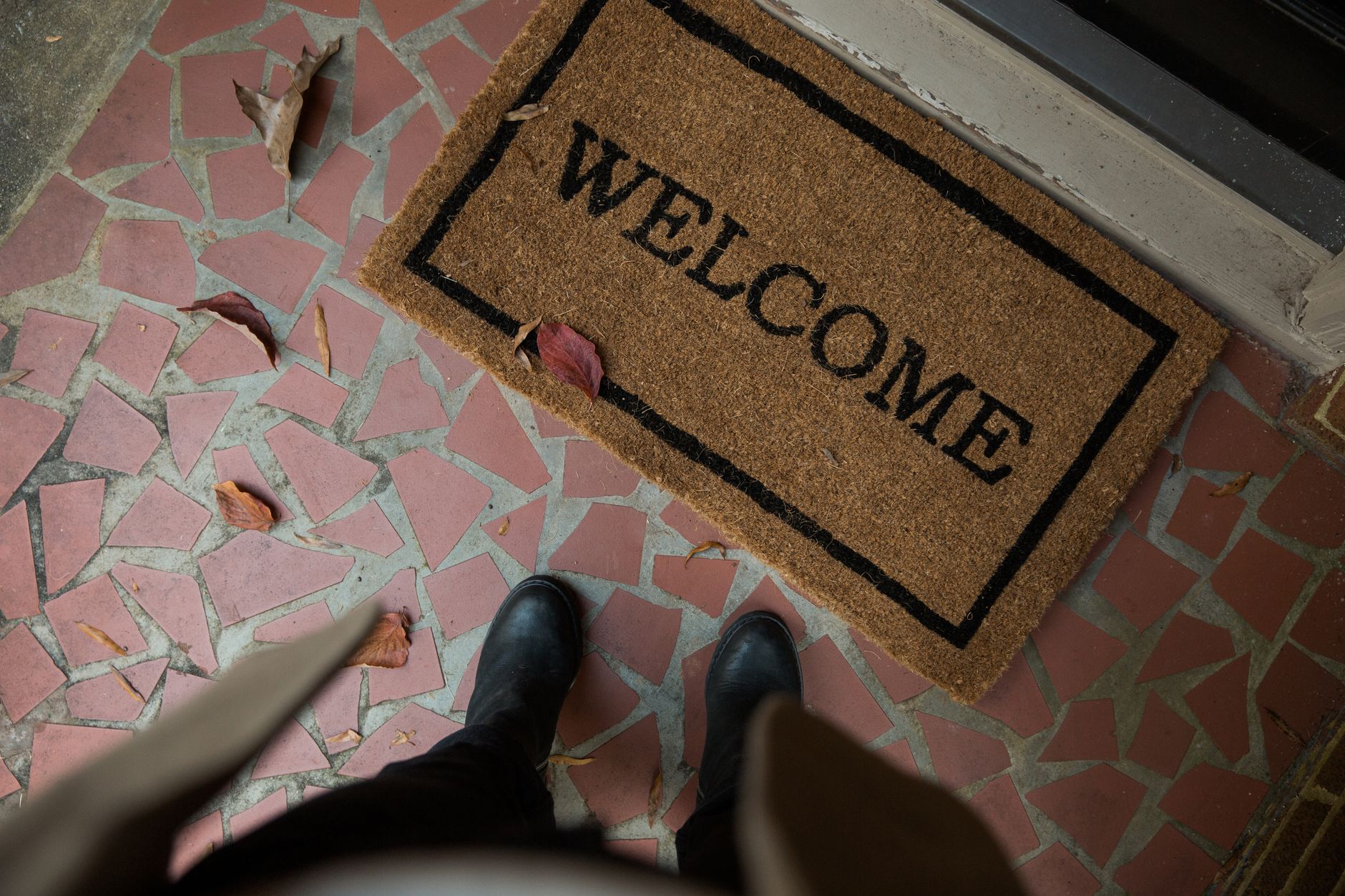
Entry mats take the heaviest grit from wet shoes and road salt, and a robot cannot do the job of lifting them out and shaking them. Move or roll the mats before each run, and schedule a hand clean for them on a fixed day each week. Skip that step and grit moves from the mat onto the tile the robot is meant to keep clean.
Carpet is the open question. The sources I reviewed did not confirm carpet detection or carpet cleaning on a compact autonomous scrubber. One dealer listing for a unit it does not name says it suits soft floors, hard floors and carpets, with operating noise as low as 58 dB. That figure is vendor reported and unverified, and the listing may describe a vacuum rather than a scrubber. Treat it as a lead to test on your own carpet, not as a fact to plan around.
Corners, the gap under student desks and the threshold where tile meets carpet are where any compact unit leaves more work behind. A hand crew with a vacuum covers those spots quickly, so they belong on a fixed line of the cleaning sheet.
How loud is a compact floor robot during a lesson?
Noise ratings for floor equipment are common, but they rarely say how they were measured. As of November 2026, the listings I checked put a Nilfisk SC370 walk behind compact scrubber at a maximum of 67 dB, or 66 dB in its silent mode, according to a dealer listing. That machine is not autonomous, so it is a reference point only. Naviarobotics, a vendor, says its Scrubber 50 and Scrubber 60 run under 67 dB, the Scrubber 75 under 69 dB and the Phantas under 65 dB.
The Uline compact scrubber is listed at 68 dBA. The Imec FIMAP MXR, a 22 inch ride on unit, is listed at 54 dB(A), vendor reported. A ride on machine is a different class of equipment, so that figure does not compare to a compact robot. Treat every number here as a machine rating. None of them tells you what a learner hears two rows away while a lesson is underway.
Ask each vendor for the measurement distance, the operating mode and the floor type used in the test. Then run the unit in your classroom at normal lesson volume and time the pauses. A quiet rating on paper matters less than the sound your learners actually sit through.
Setting quiet hours around lessons
Build the robot schedule from the lesson calendar, not from the clock. Quiet hours are rules about when the robot may run, when it must pause and who decides. Write them down before the first run, and post them where the front desk can see them.
- Mark every lesson block, classroom session and test slot on one shared calendar, and tag each route to rooms that are empty for that window.
- Start runs after the last lesson of the day and finish with a buffer before the first morning booking.
- Set a pause rule: the robot stops when a door opens into an occupied room or when a person steps into its path.
- Name one contact at the front desk, and keep a way to stop the unit within reach of that desk.
What the market data says about cleaning robots
IFR reports that global professional service robot shipments rose 24 percent to almost 250,000 units in 2025. Professional cleaning ranked third with a 12 percent share, behind transportation and logistics at 47 percent and hospitality at 14 percent. Those figures show direction across the industry. They are not a forecast for a single office.
IFR's figures come from a sample of 238 producers out of 1,001 manufacturers and are not projected to the whole industry. A secondary report also claims a 40 percent rise in cleaning robot sales. I found no IFR wording for that number, so it stays out of this article.
Which safety standard should a driving school ask about?
ANSI/CAN/UL 3300:2025 covers Service, Communication, Information, Education and Entertainment robots, according to the standards database listing I checked. The standard is not a certification scheme, and the public record I found did not show how cleaning robots are certified in practice. Ask every vendor which standard applies to its unit, which certifying body tested it, and for the test document itself.
How does a leased robot reach a driving school floor?
Service Robot Co. is a full service commercial robot integrator for US businesses. We are OEM neutral, so the choice starts with the floor and not with a brand. A site assessment maps the waiting area, classroom, training rooms and mat zones, and that assessment is the basis for one fixed lease payment on a three year lease.
After the quote, our nationwide US engineer network handles deployment, integration, training and service for the unit across its life, so one partner answers the call when a route needs changing. Hand work stays with your staff or contractor, and we set the robot's routes and quiet windows with you.
Frequently asked questions
Want a robot working for you?
Tell us the job and the site. We will recommend the robot, quote the lease, and keep it serviced.
Sources
- IFR: Global sales of professional service robots surge 24 percent
- Supply Chain Digital: IFR professional service robot sales surge
- Sylvane: Nilfisk Advance SC370 compact walk behind floor scrubber
- Uline compact auto floor scrubber listing
- Naviarobotics cleaning robot
- Americhem autonomous cleaning robots
- Imec FIMAP MXR ride on auto floor scrubber
- Standards database listing for ANSI CAN UL 3300:2025