Key takeaways
- Melt water from boots is the main hazard in a ski valet and needs a plan before the first guest arrives.
- Entry mats, drain grates and the floor beside boot racks should get manual checks first.
- A compact floor robot works best on a mapped route with keep out zones around racks and benches.
- According to IFR, floor cleaning is the main application of professional cleaning robots, but no ski room robot case study turned up in this review.
- Keep a manual backstop for peak arrival hours and for spills a robot route does not reach.
Which spots in a ski valet need manual attention first?
Start with the entry threshold, the first few meters of floor inside the door, and the drain points beside the boot racks. These two zones take the heaviest load of melt water, salt and grit, and water pools there fastest. A compact floor robot can cover the open floor between them, but the staff who run the room should inspect those spots by hand before each arrival wave.
Bench edges and the floor under gear drying racks come next. Melt water runs off skis, poles and boot liners, and grit settles along the base of those fixtures where a robot lane rarely reaches. Walk them at the start and end of every service window and write down what you find.
How do wet boots and melt water spread through the room?
Water leaves the entrance on soles and gear, then travels along the path between the door and the racks. Greatmats, a ski storage guide, says melt water from gear needs a plan of its own, that floors should keep traction when wet, and that interlocking drainage mats can channel water away. Oxmaint, a hotel slip and fall guide, lists tracked in rain and snow on hard floors as a typical entrance hazard.
The controls appear across the sources: matting at the door, a wet weather routine, and frequent checks that are logged. IMA's 2025 hospitality training deck and a Facility Executive article on hotel slips cover similar ground. Mopping alone does not solve the problem, because the next arrival wave brings water back in before the floor dries.

Which surfaces and drains should staff check by hand?
Check these four areas first, roughly in this order of priority.
The AIRE hotel checklist recommends slip resistant surfaces near wet areas, drainage that prevents standing water, and hazard signage. Those measures belong on the same walk through, since signage and drainage are fixed features that a cleaning robot does not change.
- Entry mats and the first floor strip inside the door: look for curled edges and film that reduces traction.
- Drain grates and boot drain recesses: confirm water leaves rather than standing. A patent for a recessed building entrance boot drain notes that standing water on linoleum is a slip hazard.
- Hard floor beside the bench and racks: look for patches that stay wet after the rest of the room has dried.
- Corners and dead ends behind racks: gear debris settles here, outside the path a robot is most likely to run.
How should a compact floor robot route around racks and benches?
Map the room before the first run. The route should be built around the racks, bench legs and boot trays, with keep out zones drawn where gear is set down and where guests stand to collect skis. Run the machine after the last arrival wave, starting at the back of the room and working toward the entrance, so the final pass covers the strip guests walk through.
Test the route against real use. Watch where carts pass, where guests queue, and whether the robot lane cuts across the entry mat. Place the charging dock outside the valet so it does not block the lane, and confirm every drain sits in a zone the robot can reach or is flagged for hand work.
What does a wet floor claim turn on in a hotel?
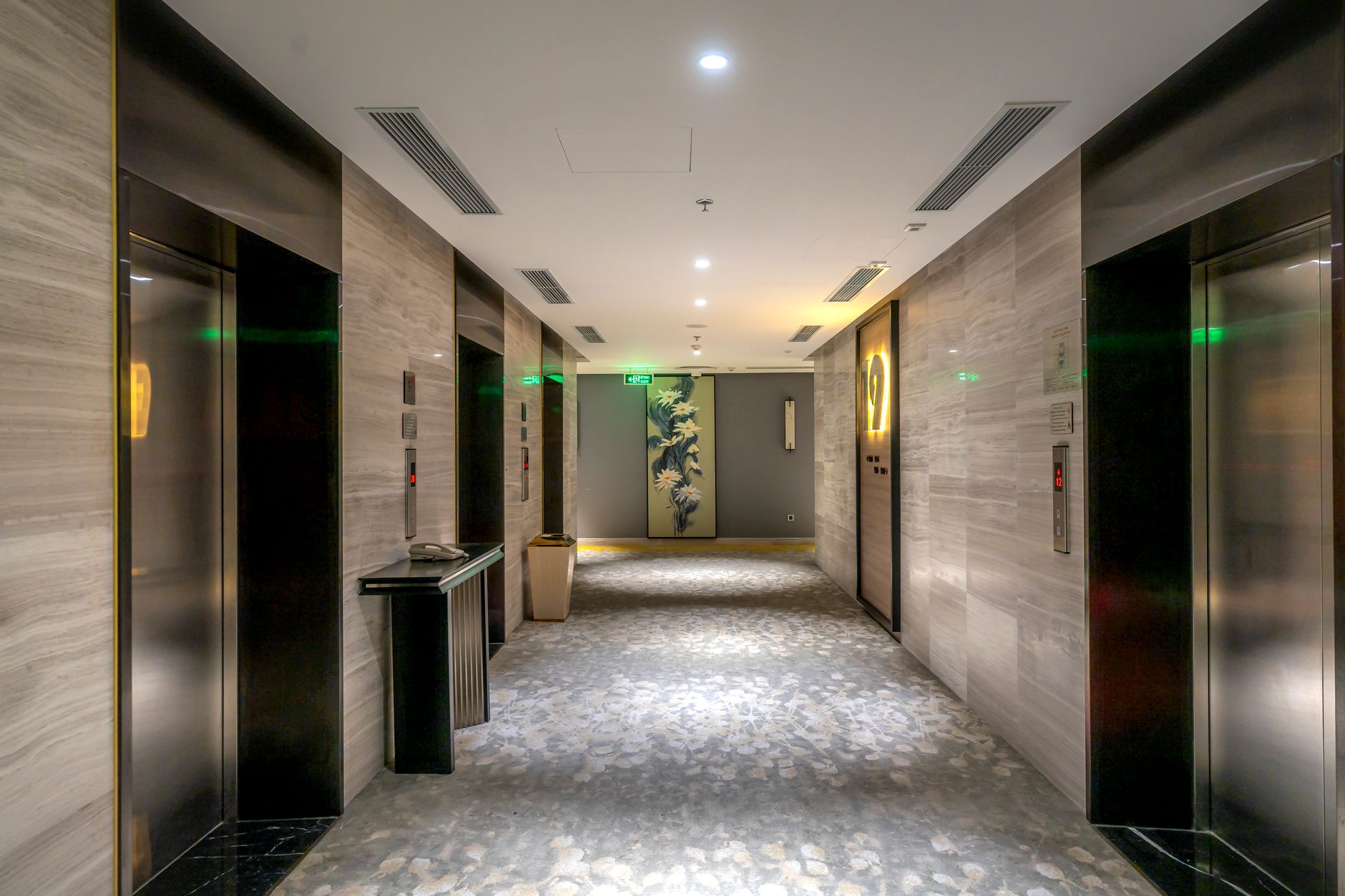
Oxmaint's legal commentary says a wet floor claim often turns on whether the operator knew or should have known about the water and responded within a reasonable time. A 2021 New York court decision involving tracked in snow or water in a hotel lobby appears in the same research set, which shows how the question reaches the courts.
For the valet, the record matters as much as the sweep. Logged manual checks show when water was seen and when it was cleared. A robot route log can show when a pass ran, but it does not replace a hand check at the drain.
What do the industry numbers say about cleaning robots?
According to the International Federation of Robotics, as reported by Robotics Tomorrow, global professional service robot shipments rose about 24 percent to almost 250,000 units in 2025. Professional cleaning ranked third, with floor cleaning as the main application. For 2024, IFR figures put professional cleaning sales up 34 percent to more than 25,000 units, while hospitality robots, the second category, reached more than 42,000 units and fell 11 percent.
We did not confirm an IFR count for 2025 cleaning robot units, so check that figure in IFR's own 2026 service robot release before quoting it internally. Hotel demand is real at the category level, but fit has to be proven on your floor, not borrowed from a headline.
What should a one room pilot prove before a full lease?
Start with one zone, the valet and gear room, and one leased unit. Set a baseline for manual wet spot checks, drain clearance logs and staff time for the first two weeks, then compare. If wet patches linger at the entrance mat after robot passes, the route needs changing, not more passes.
Service Robot Co. is an OEM neutral integrator. We choose the robot that fits your floor across manufacturers, then offer a three year lease with one fixed payment quoted after a site assessment. We handle deployment, go live support, training and service through a nationwide US engineer network, so you have one partner and one number to call.

Frequently asked questions
Want a robot working for you?
Tell us the job and the site. We will recommend the robot, quote the lease, and keep it serviced.
Sources
- Robotics Tomorrow: IFR service robots report
- Greatmats: drainage mats for ski storage room flooring
- Oxmaint: hotel slip and fall prevention guide
- AIRE checklist: hotel and motel slip, trip and fall risk management
- Google Patents US5230188: building entrance boot drain
- New York Courts reporter decision 2021_05665
- IMA hospitality risk control training: prevent slips and falls (2025)
- Facility Executive: slippery when wet, hotel industry slips and falls