Key takeaways
- A compact floor robot suits sealed, smooth floors and needs exclusion zones for mats, carpet and drains.
- The ingress protection rating on the spec sheet sets the wash down limit, and a splash rating is not a license to hose the machine.
- Fixed stops let a practice schedule robot runs into parked windows with doors shut.
- Bays suit a floor robot best, vans need narrow space planning, and loading areas usually need sweeping before scrubbing.
- Check the source and definition behind any mobile vet market size before using it in a budget.
Can a floor robot keep a mobile vet van and bay clean between stops?
Yes, for the right floors and within set limits. A compact floor robot can take over repeated sweeping and light wet cleaning in a clinic bay, or on the cargo floor of a van, between stops. That only holds if the surface, the water exposure and the route clock all fit the machine. The robot does not replace hand cleaning after each patient, and it does not clean upholstery or fabric surfaces.
Most of the work happens before the first run. A practice has to map a fixed route, decide which floors the robot covers, set its wash down rules and place a charging point within reach of where the van parks. A lease quote follows a site assessment that covers those details, not a generic estimate.
Why are mobile clinics looking at floor care now?
Mobile veterinary care is growing, but the reports that size it disagree on how big it is. The Business Research Company puts the mobile pet vet services market at $1.76 billion in 2026, with a 9.3% compound annual growth. Research and Markets values the mobile veterinary care market at US$0.9 billion in 2026, with a 7.7% CAGR to 2034. The two define the market differently, so neither figure describes a single practice.
A vendor summary of the global market says van based mobile clinics dominate the category, citing versatility and urban access. The same research family flags high operating costs as a restraint, and notes that tariffs raise the cost of imported diagnostic devices, vaccines and components used in mobile clinic vehicles. For a practice watching its operating costs, floor care that does not need a dedicated cleaner at every stop is worth testing.
Operators are moving this way outside the US as well. Longridge Vets in the UK launched a Vet in a Van mobile service, according to a LEP news report. The headline is all the public record gives here, so no service details are stated.
Which floor surfaces suit a compact floor robot?
Smooth, sealed, hard surfaces with few thresholds suit a compact robot best. Sealed vinyl, sealed concrete and epoxy in a bay are the usual candidates, because a compact unit can move across them without climbing. Loose rubber mats, raised door thresholds, ramp lips and drain grates are where robots stall, skip or need hand help, so map them as exclusion or hand clean zones before the first run.
Carpet in a waiting area or the upholstered bench in a van is a different job. Carpet and fabric need a vacuum capable unit or a hand tool, and a floor scrubber should not be sent there. Check the floor types listed on each model's own specification sheet before you accept a lease quote. This article did not verify the floor type list for any specific model.
How much water can a floor robot take during a wash down?
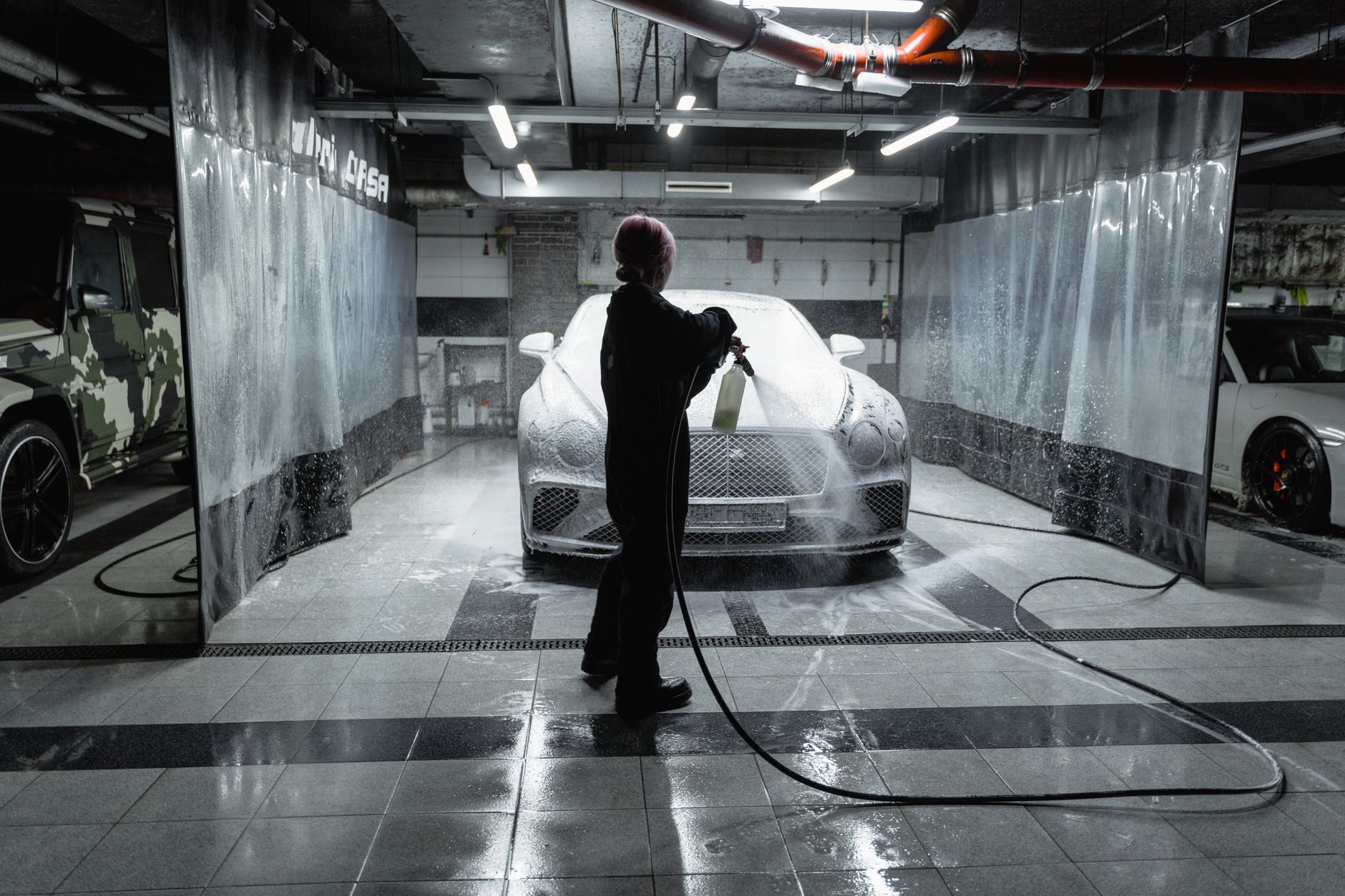
Wash down limits come from the ingress protection rating, not from how careful the crew feels. The IP Code is set by IEC 60529, where the first digit covers solids and the second covers liquids, according to the IP code entry on Wikipedia. IPX4 protects against water splashing from any direction, and IPX5 protects against water jets, according to Oriental Motor's IP ratings chart. An X in the first position means the rating makes no claim about solids, which matters in a dusty bay.
One glossary describes IPX5 as protection against jets from a 6.3 mm nozzle, from any direction. These descriptions come from secondary pages, not the standard text, so confirm the exact rating in the robot maker's documentation. A splash rating does not make a direct hose at the drive wheels, sensors or charging contacts safe. Keep the hose off the machine, and let the unit dry fully before it returns to its charging point.
How do you schedule cleaning around a fixed route?
A fixed route gives a clinic the cleanest window it will get, because the van follows the same stops in the same order. Give each stop a short robot window while the van is parked, the doors are shut and no animal is being moved. Save the longer cycle for the last stop of the day, when the van returns to base with the charger and a clear bay.
Build the schedule from the stop sequence, not the clock. A stop with surgery or sedation needs a longer hold than a routine vaccine stop, and the robot should stay parked during any patient transfer. Set a pause rule so any staff member can stop the unit with one action, and log every run so the practice can see which stops were actually covered.
Where do van interiors, bays and loading areas differ for a robot?
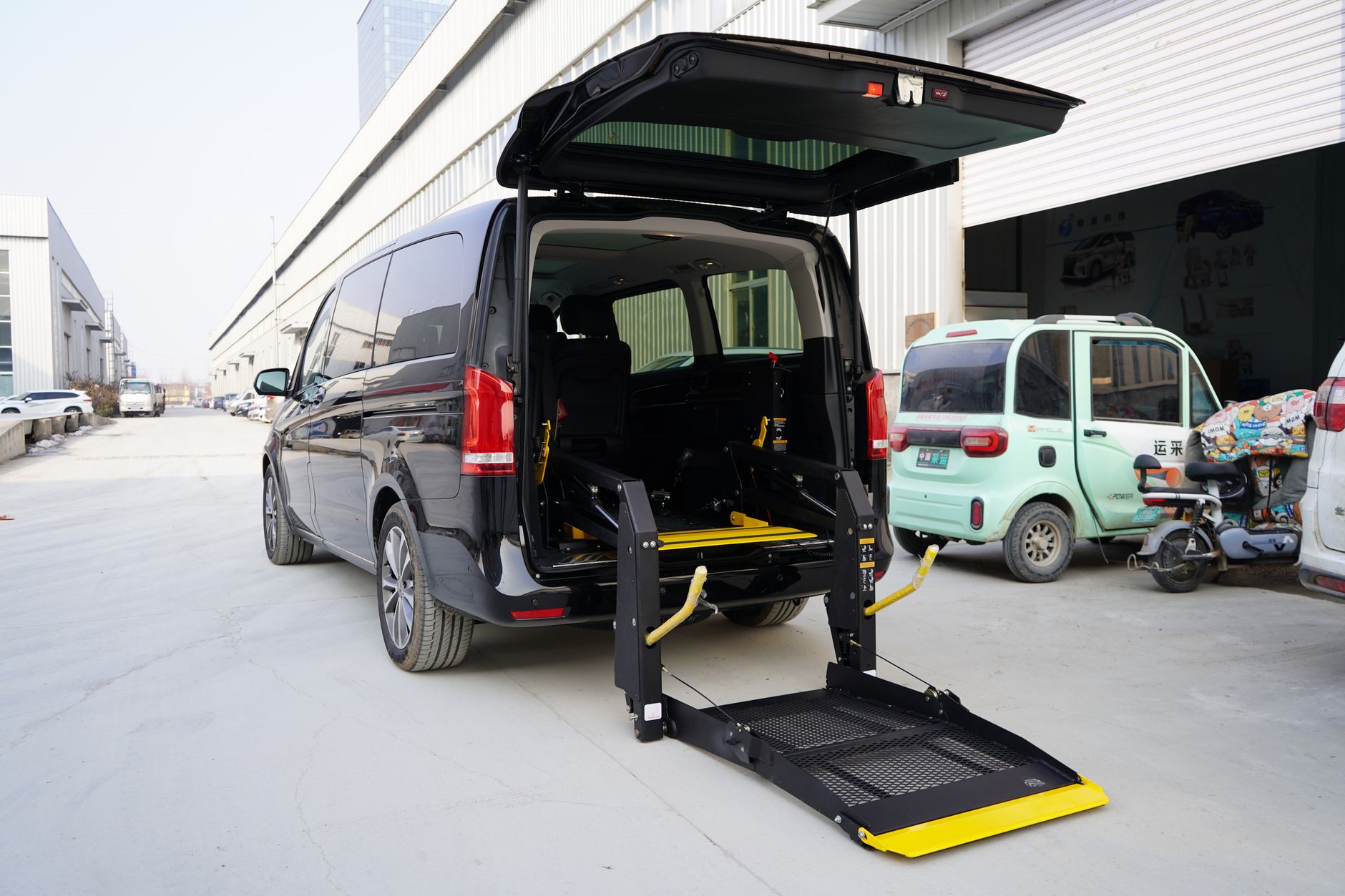
A van interior is narrow, crowded with cabinets and cable runs, and reached through a side or rear door. A compact robot may fit the cargo floor but not under fixed cabinetry, so hand work will stay at the edges and under benches. A bay is wider and more open, with drains, a hose point and more wet debris, which makes it the better home for a floor robot.
Loading areas sit between the two. They carry the heaviest foot and cart traffic and the most grit from outdoors, so a sweeping pass before a scrubbing pass usually comes first. Size the robot to the space it will actually cross, measured on the floor, not to the layout on paper.
What should a practice bring to a site assessment?
Service Robot Co. is a full service commercial robot integrator for US businesses. We select robots across manufacturers, lease them to customers on a three year lease with one fixed lease quote after a site assessment, then deploy, integrate, train and service every unit through a nationwide US engineer network. A practice deals with one company for the whole lifecycle.
Bring these items to the assessment so the quote reflects your real route:
- The stop sequence, with the parked time at each stop and the doors that stay shut
- A floor inventory for each van and bay, marking sealed, mat, carpet and drain zones
- The wash down rule for each space, including whether hoses are used and where
- A charging point location within reach of where the van parks
- The staff member trained to stop the robot and clear a jam
Frequently asked questions
Want a robot working for you?
Tell us the job and the site. We will recommend the robot, quote the lease, and keep it serviced.
Sources
- IP code (Wikipedia)
- Oriental Motor IP ratings chart
- Video Experts Group glossary, IPX5
- The Business Research Company, mobile pet vet services market
- Research and Markets, mobile veterinary care market outlook
- GlobalData Industry Research, mobile pet vet services global market report
- LEP, Longridge Vets launches Vet in a Van mobile service