Key takeaways
- A floor robot can take dry reception, retail aisles and grooming room tile after close.
- Tubs, drains, bathing stations and wet shampoo spills stay with a person.
- Public research covers cleaning robots in general, not grooming salons, so test on your actual floor.
- Pilot one zone for one overnight shift, with the stop rule written in advance.
- Service Robot Co. leases the robot on a 3 year lease after a site assessment.
Can a floor robot run a grooming salon overnight?
Partly. A floor robot can take the dry, mapped surfaces of a pet grooming salon after close: reception, retail aisles and the grooming room tile between stations. It should not be trusted with tubs, floor drains, bathing stations or shampoo spills that are still wet. A person clears and resets those before the run.
That split is the working answer for one overnight shift. It rests on operating logic, not a field test. We found no public study of a commercial floor robot in a grooming salon, so every zone call below needs proof on your actual floor before you commit.
The sections that follow cover what the industry data does and does not say, the zone by zone split, the conditions that make a robot pass safe, and a one shift pilot scope you can run next week.
What do the industry numbers actually tell a salon operator?
According to IFR's World Robotics 2025 release, professional cleaning robots were the third largest segment in 2024. They rose 34% to more than 25,000 units, mostly for floor cleaning (BusinessWire, Oct 7, 2025). That shows a large and growing category. It says nothing about grooming rooms.
IFR's 2026 figures, as reported by Kyodo News PR Wire in October 2026, put global professional service robot sales up 24% to almost 250,000 units in 2025. Professional cleaning robots again ranked third by segment, with floor cleaning as the main application. We did not find a 2025 unit count for cleaning robots, so the cleaning figure is a rank, not a volume.
Read the growth rates with care. IFR's supplier sample went from 294 suppliers in the 2025 report to 238 in the 2026 report, so year over year percentages should not be lined up across reports. These are supplier based figures, not a census of the market. Cleanzine carried the same cleaning growth story in May 2026.
Which zones can a robot cover after close?

Reception is the simplest case. Hard flooring, open sightlines and few obstacles let a floor robot run a clean route once the chairs and waiting area mats are moved. Keep the route off door thresholds and curled rugs, since those are the spots most likely to trip a route.
Retail aisles come next. Loose leashes, bags and bottles on low shelves matter more than the floor itself. Have staff shelve those items and square the product facings, so the route has clear edges to follow. Dry grooming supplies on shelves are a much easier case than a wet floor.
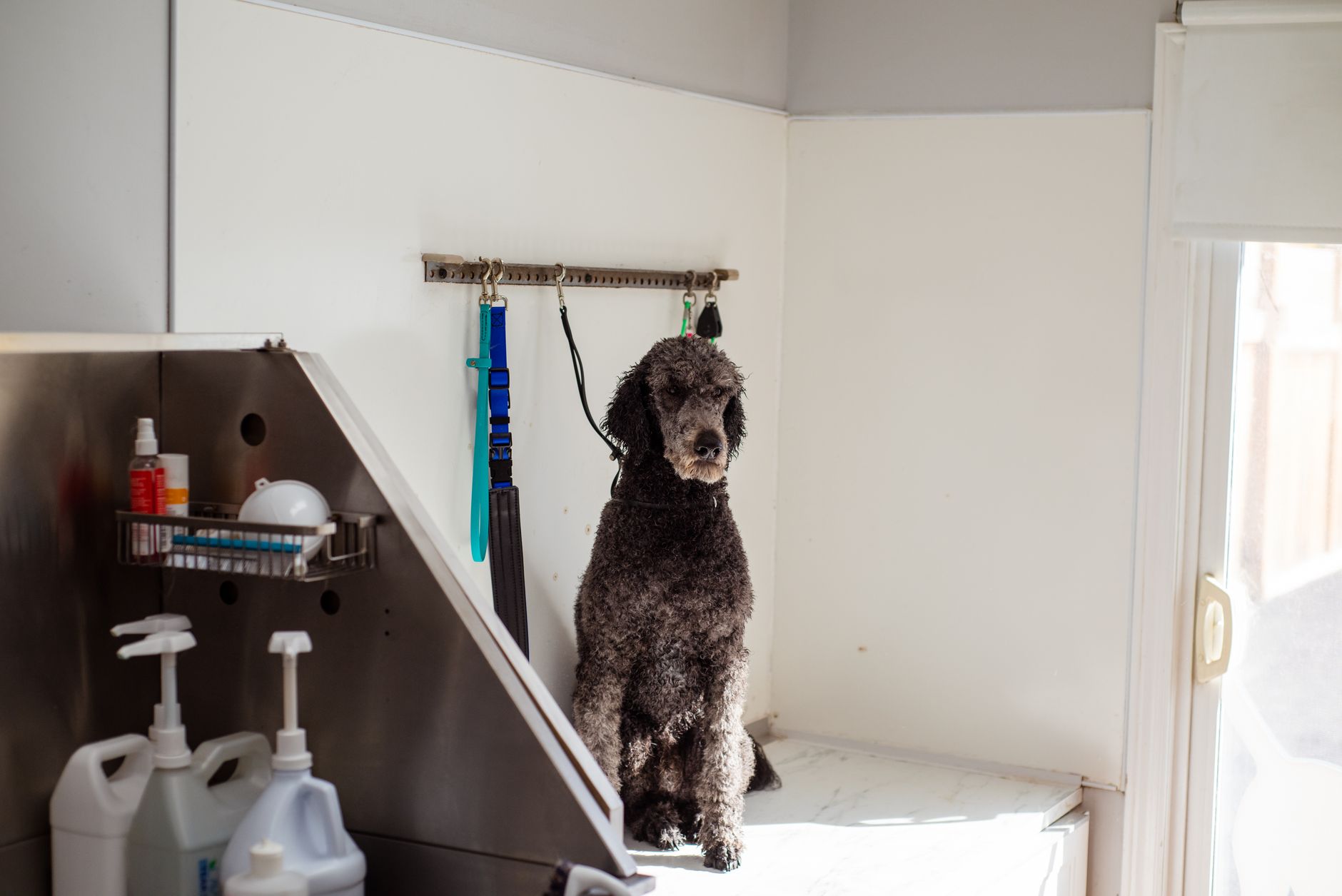
The grooming room is where the decision gets real. Dry tile between stations can be covered once tables, dryers and crates are pushed back to marked positions. A wet patch must be dry before the robot enters the room, and the pre run conditions below must be met first.
- Tubs drained, rinsed and left dry, with drain covers in place
- Wet shampoo spills mopped up by hand and dried, with a wet floor sign left out until the tile is dry
- Hair clumps lifted off the tile by hand or with a dedicated tool, not left for the robot
- Cords, towels, bowls and dog beds lifted off the route
- Tables, dryers and crates pushed to marked positions off the path
- Retail items shelved, with no bags or leashes on the floor
Where does a person still have to work?
Tubs, bathing stations and floor drains stay with a person. They are wet, recessed and where hair collects, so the job needs hands, a rinse and a visual check rather than a route. None of the research we found supports sending a robot into a tub or a drain.
Corners and the joint where tile meets the tub also need hand work. Water pools there, and the edges are where residue builds up. Treat them as a separate task scheduled into the same close, not as a leftover the robot might catch.
This split protects the robot as much as the floor. A machine started on a wet surface is one you may have to recover in the morning. Hands first, then the machine.
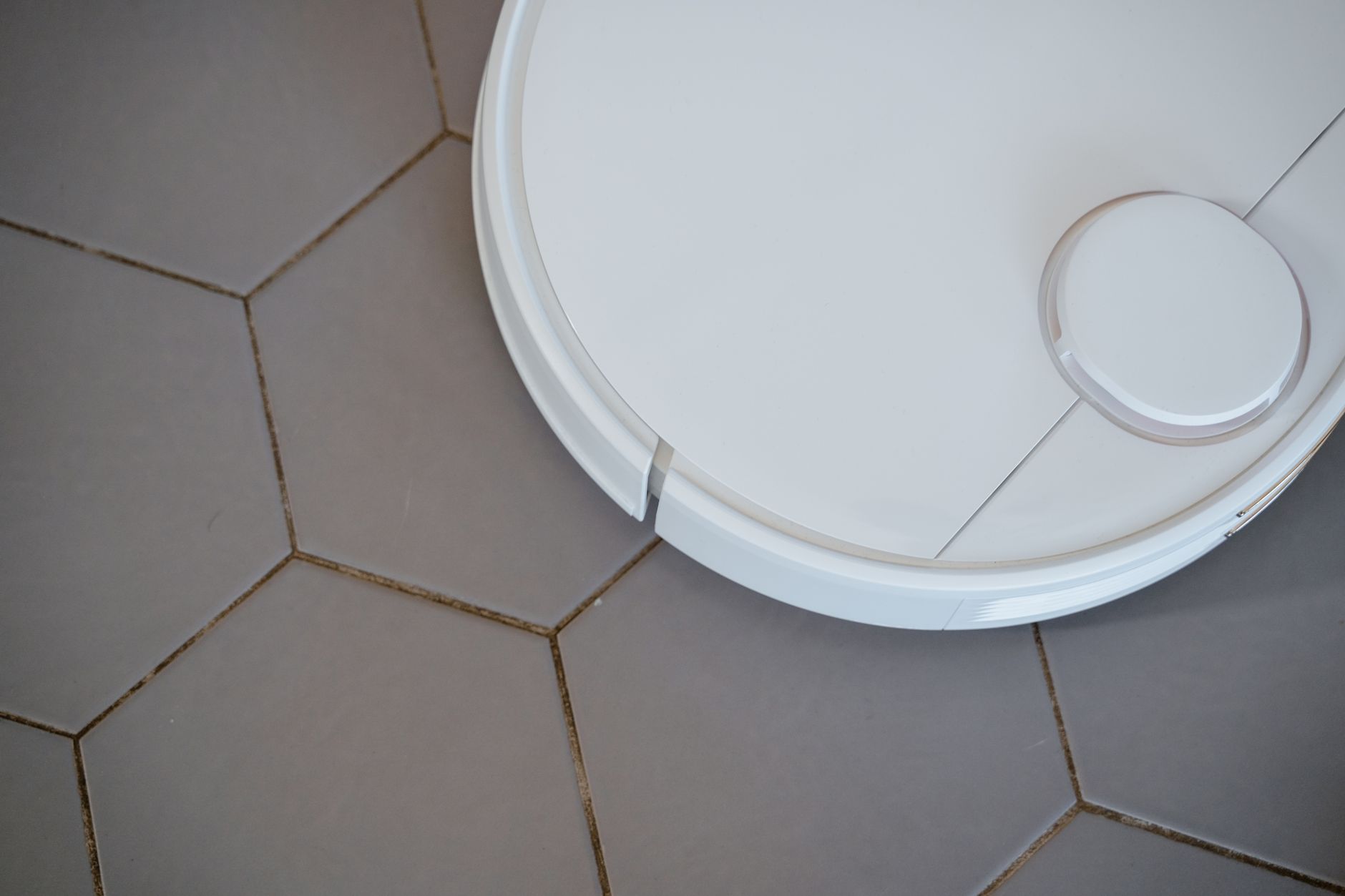
Why hair and shampoo residue change the cleaning method
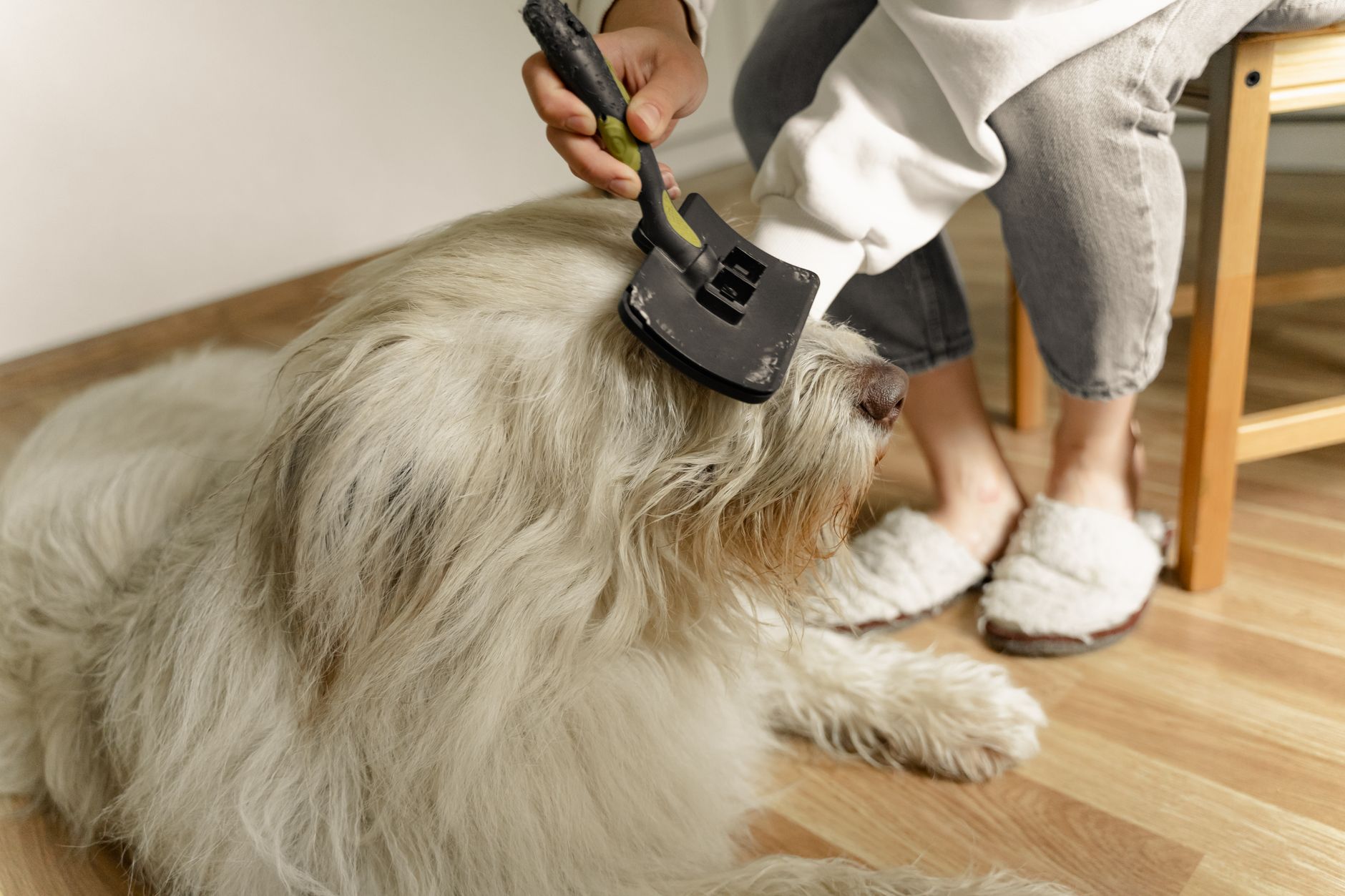
Dog hair is not dust. It clumps, wraps around brush rollers and drags across tile in long strands. Ask any vendor to demonstrate on your actual tile, using the hair your dogs really shed and a diluted shampoo rinse, before you assume a route will clear it.
An informal answer on a hobbyist forum argues that no single consumer robot both vacuums and mops well, and suggests pairing a vacuum robot with a washing unit. That is one opinion, not a test. The design question that matters is which job the machine is doing: dry pickup of hair, wet cleaning of residue, or both.
For a salon, dry pickup is the job a floor robot can plausibly take on. Wet residue work stays with the crew until a pilot proves otherwise.
How do you scope a one shift pilot?
Start with one zone, not the whole salon. Reception and the retail aisles make a clean first test because they are dry, open and low risk. Map the zone, mark the no go areas around tubs and drains, and write the stop rule before the robot runs.
Run one overnight shift, then read the log the next morning. Set the go or no go threshold in writing before the run, so the result cannot be argued into a yes. Record these measures:
If the zone passes, add the dry grooming room tile in a second run. Tubs and drains are not part of a pilot. Bringing them in is a separate review, with its own rules and its own sign off.
- Share of the mapped zone covered without a stop
- Each stop and its cause, such as a cord, a bag or a wet patch
- Minutes a staff member spent on setup and reset the next morning
- Hair or debris left behind, checked by hand on a marked grid
- Any contact with a no go area, wet floor sign or drain cover
How does Service Robot Co. fit into the pilot?
Service Robot Co. is an OEM neutral integrator for US businesses. We pick the robot that fits the zone, then lease it to you on a 3 year lease with one fixed payment quoted after a site assessment. We lease robots only, so there is no sale to negotiate.
During the site assessment, our integrators map the salon, mark the no go areas and draft the pre run checklist. Our nationwide US engineer network handles deployment, training and service on the same unit, so one vendor answers when a route stops at 2 a.m. That is the point of one partner, one number.
A sensible path is to start with one leased unit, measure one shift, and decide from the log. A commercial robot demo on your floor comes before any lease commitment, so the pilot answers the question from your data rather than from a brochure.
Frequently asked questions
Want a robot working for you?
Tell us the job and the site. We will recommend the robot, quote the lease, and keep it serviced.