Key takeaways
- A cobot fits the repetitive handling around the wheel, not the tension decision.
- Dedicated lacing and truing machines carry most of the documented precision work.
- Tension and trueness stay with a builder and a measuring tool.
- We found no published cobot wheel-lacing or spoke-packing deployment.
- Start with one station, one task and a measured baseline.
Where a cobot fits in spoke work
A cobot can take the repetitive handling in bike wheel building. That means sorting spokes by length and head type, presenting them to a fixture and packing finished spokes into trays. It should not take over the decisions that set how a wheel rides, which are the tension targets and the final trueness. A builder keeps those, supported by a measuring tool.
Our research found dedicated lacing and truing machines documented in patents and vendor literature. It found no published cobot wheel-lacing deployment and no cobot spoke-packing deployment. Read what follows as a plan to test at your own bench, not as proven performance.
Which spoke steps a cobot can take
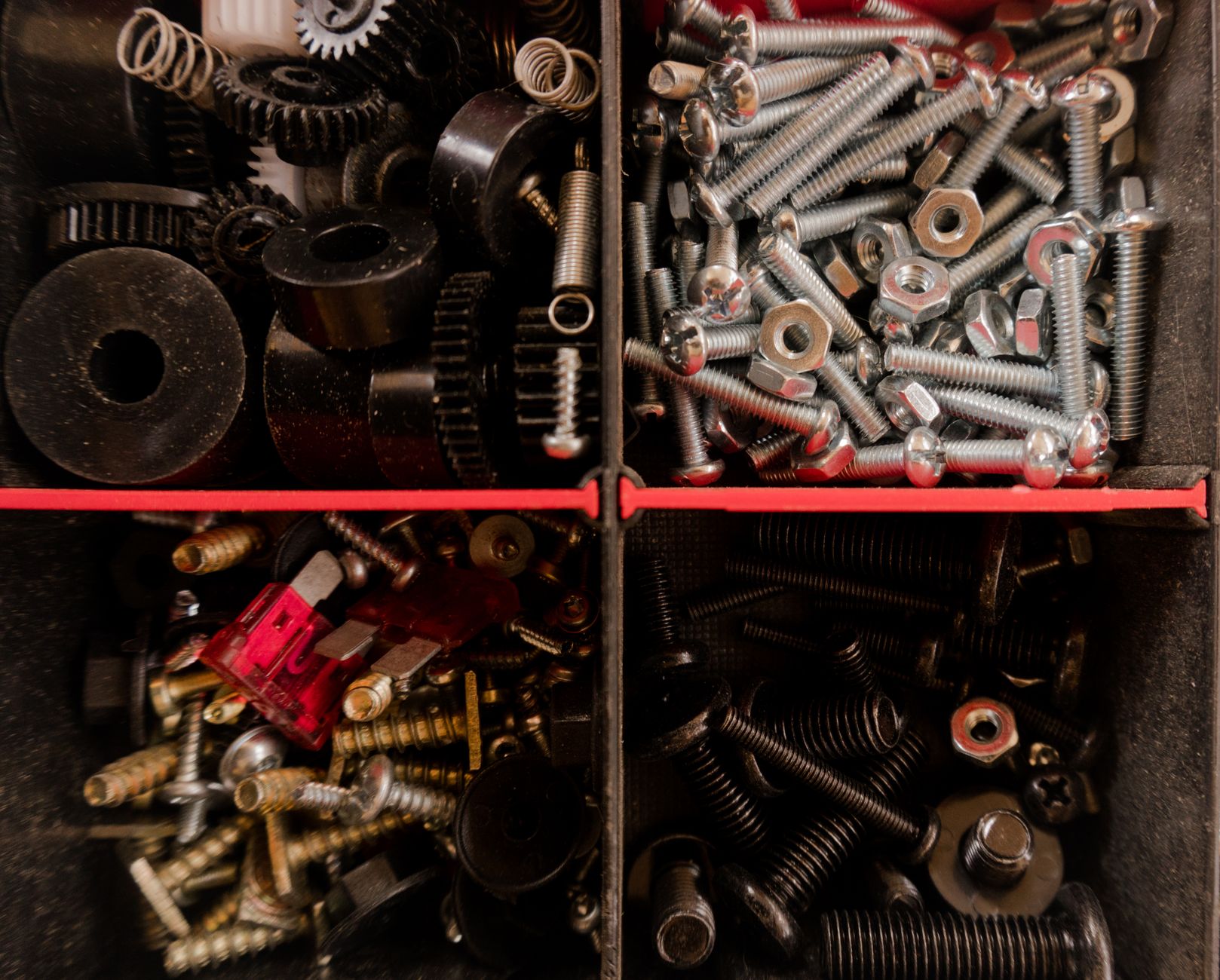
Spoke work splits into two kinds of motion. One kind needs rigidity and precision: holding a rim, threading a nipple, turning it a set number of revolutions. The other kind is repetitive handling that tires hands and slows a bench: picking spokes from a bin, sorting them, feeding them to a fixture and counting them into a tray.
The patent record shows the first kind already moving into machines. WO1983000032A1 describes feeding spokes one at a time down a chute and pushing them into hub holes with a sliding carriage. US4427047A describes clamping the rim, holding the hub centrally and inserting spokes in groups. A cobot's realistic early role sits beside those machines, taking the second kind of work. That is a planning view, not a documented result.
Where dedicated machines already carry the precision work
Vendors now sell machines that measure and correct wheels, and their claims are worth reading with care. Berd's TRUDI measures runout, centring and spoke tension, then calculates corrections. According to endurance.biz, its latest version supports wheel sizes from 20 to 32 inches, including e-bike wheels. Berd states the process can be up to 75% faster. That is a vendor-reported figure, and we found no independent testing that confirms it.
Holland Mechanics lists the Robot OT, a direct-drive system where the motor interacts directly with the nipple, with an integrated spoke tension measuring system. The vendor lists accuracy of up to ±0.1 mm with its Measuring Spoke Tension Analyser. The Robot ANT is a six-arm system listed for wheel sizes from 16 to 32 inches. As of November 2026, we found no published prices or throughput data for these machines.
Patent US4585046 describes a truing tool that clamps each spoke nipple shank and rotates it an integral number of revolutions. The tool sets the turn, but someone still decides which nipple needs how much turn.
Where a builder still checks tension and trueness
Tension is the step to keep with a person. Machines bring measuring tools inside, but the builder still sets targets, reads results and decides when a wheel is finished. Holland's Pro Truer, a semi-manual workstation, offers optional three-point tension measurement and stepwise tensioning control, which keeps the builder in the loop by design.
Some patents aim further. EP4549169 describes separate rim and spoke handling devices and aims for full automation with no human help during operation. That is a stated aim in a patent application, not a verified product, so a shop should plan for human checks until a vendor proves otherwise on its own bench.
Build the handoffs in before the first wheel runs.
- Spoke sort: a person confirms length and head type before a spoke enters the cell.
- Cobot to fixture: the cobot presents spokes, and a person or sensor confirms each one seats in the hub.
- Tension check: a builder or measuring tool reads tension against targets the builder set for that wheel.
- Truing check: a person reviews runout and centring readings before the wheel leaves the stand.
- Pack-out: the cobot packs only wheels a builder has signed off, and any wheel that fails goes back to the bench.
Starting with one station and measuring the pilot
A small shop can start small. Choose one wheel size range, one fixture and one cobot task, such as spoke sorting and packing, before anything touches lacing. Record bench time per wheel, rework and tension re-checks for a few weeks first, so the pilot has a baseline to beat.
Keep the cobot's job to freeing the builder's hands. Add a presenting step only after the cell has run stable for a period you set in advance, and write the stop rules down before go-live.
This is where an integrator earns its place. Service Robot Co. is an OEM-neutral integrator: we select robots and fixtures across manufacturers, then deploy, integrate, train and service them. A robot reaches a shop through a 3-year lease, with one fixed lease payment quoted after a site assessment. Every unit is covered by RoboCare, our service plan, backed by regional service engineers in every state we service. Nothing in this article suggests a partnership with the machine makers named here.
Frequently asked questions
Want a robot working for you?
Tell us the job and the site. We will recommend the robot, quote the lease, and keep it serviced.