
Key takeaways
- Cobots belong on repeatable bench steps like edge trimming, sanding passes, and scan alignment, not on the clinical fitting decision.
- OSHA expects local exhaust when dry grinding or polishing pushes dust above permissible limits, so dust capture is part of the cell design.
- High mix and one-off geometry mean quick-change fixtures and force limits matter more than raw cycle time.
- BLS projects 13 percent employment growth for orthotists and prosthetists from 2024 to 2034, so lab capacity pressure is real.
- A vendor-neutral integrator can pair cobot rental, ventilation review, training, and nationwide service under one deployment plan.
Where can cobots help in an orthotics and prosthetics lab?
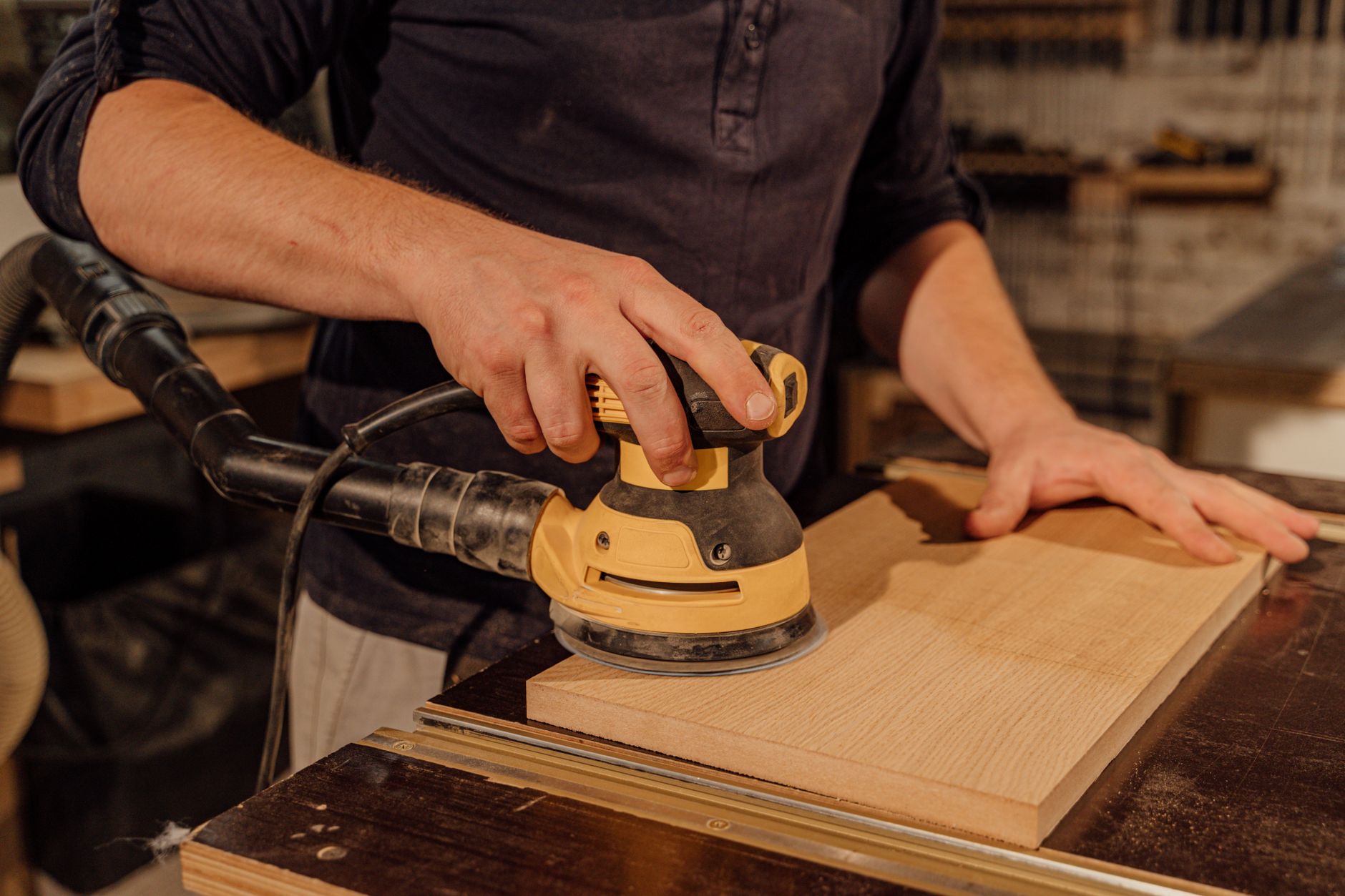
Collaborative robots can take over the repetitive, dusty bench work that eats technician hours without touching the clinical judgment that defines a good fit. Think controlled trimming passes on foam models, light sanding on thermoplastic edges, polishing cycles on check sockets, and holding scan wands steady during structured captures.
They do not replace the orthotist or prosthetist at the patient interface. They shorten the path between a approved design and a part that is ready for clinician review. According to the U.S. Bureau of Labor Statistics, orthotists and prosthetists held about 10,100 jobs in 2024, and every custom order still flows through human expertise.
The win is throughput and consistency on steps that look the same even when every patient is different. When a cobot runs the third sanding pass the same way at 9 p.m. as it did at 9 a.m., technicians spend more time on lamination, alignment, and tricky modifications.
Which finishing steps are realistic first candidates?
Start with operations that have a defined tool path and a forgiving tolerance band before final clinical adjustment. Router trimming on positive models, belt sanding on distal edges, and programmed buffing on test sockets are common pilots because the clinician still owns the last millimeter by hand.
Scanning assistance is a softer entry point. A cobot can present a limb model at a fixed pose while a structured light or handheld scanner collects data, which cuts fatigue on high-volume clinic days. Vision checks for voids, delamination, or trim lines can flag parts for human review instead of certifying them alone.
Gluing, lamination, and heat forming usually stay manual because fumes, exotherm, and drape sensitivity do not forgive a rigid arm in the wrong place. Keep those stations under existing fume control and let cobots feed prepared blanks to the bench.
- Pilot trimming or sanding on sacrificial positives before live patient parts
- Programmed polish on diagnostic sockets clinicians still hand-finish
- Scan pose holding with locked patient clearance zones
- Surface inspection that routes exceptions to a technician, not auto-release
How should dust and fume control shape the cell?
Orthotics and prosthetics dust is not generic shop dust. Plaster, carbon, thermoplastics, and adhesives each carry different exposure profiles. OSHA standard 1910.94 requires local exhaust ventilation when dry grinding, dry polishing, or buffing exceeds permissible exposure limits without respirators.
That means the cobot cell is really a ventilation cell. Hoods need to pull contaminated air away from the breathing zone, not across the operator. Dust collectors must empty without spreading fines back into the lab. ABC accreditation guidance for central fabrication also expects written policies on occupational exposure, SDS files, and PPE when engineering controls are not enough.
Force-limited cobots help, but they do not replace capture. Integrate the robot pedestal into an existing downdraft bench when you can. Document air-flow checks the same way you document torque on a router bit.
How do you fixture one-off geometry without crushing delicate work?
Every patient is a new SKU. Fixtures must clamp foam, copolymer, or laminated composites without ghosting the surface that will touch skin. Soft jaws, vacuum pods on sacrificial plates, and quick-change reference pins beat a single hard vise.
Teach points should reference the blank, not the finished anatomy. Clinicians often leave witness marks or index lines; the cobot follows those instead of guessing socket geometry from an old program. When a family of devices shares a platform, store recipes by material and thickness, not by patient name.
Keep human reach-in paths obvious. A collaborative speed limit and monitored stop let a technician adjust the blank mid-cycle when a laminate starts to lift. That is normal in O&P, not a failure mode.
What does high-mix production mean for programming?
Batch size is often one. Offline CAM from the CAD positive beats teaching every edge on the pendant. Import meshes, set stock offsets, and let technicians approve the first pass on scrap foam before you cut production material.
Changeover time dominates ROI. If swapping fixtures takes longer than the robot run, you bought a expensive paperweight. Standardize mounting holes on bench plates and color-code recipes so night staff does not open the wrong file.
Log every run with material lot, bit wear, and operator ID. When a clinician sends a part back for adjustment, you can trace whether the robot step or the hand finish drifted.
How do clinicians stay in control of final fit?
Write the workflow so the cobot never ships a device. It delivers a part to a labeled queue marked ready for clinical review. Orthotists and prosthetists sign off on flex, trim, and alignment before anything leaves the lab.
Document which steps are robot-eligible in your quality manual. ABC-style fabrication standards already expect equipment programs and preventive maintenance records. Extend that discipline to cobot recipes and version control.
Train clinicians on what the robot did, not just that it ran. A one-page traveler that lists sanding grit, router bit, and scan pose builds trust faster than a black box cycle count.

When does cobot rental beat buying for a small lab?
Many O&P sites run one shift of fabrication between clinic blocks. Capital spend on a robot that idles during patient hours is hard to defend. Month to month cobot rental or a short robot leasing for business pilot lets you prove hours on the dusty steps before you commit.
Bundle ventilation upgrades, gripper trials, and training in the same integrator statement of work. Service Robot Co. stays vendor neutral, so you can match arm reach and force limits to your bench without marrying a single brand. Nationwide service coverage matters when a router cell dies the week before a pediatric camp.
Run the pilot on one material family first, such as polypropylene check sockets. Measure technician hours returned, rework rate, and dust readings at the hood face. Expand only when clinicians agree the handoff is clean.
What should you verify before go live?
Walk the cell with your safety officer and your lead clinician the same day. Confirm hood capture velocity, e-stop reach, and patient data boundaries on any connected scanner.
Run destructive tests on scrap positives. Delamination and burn marks show up under heat before they show up in software.
Schedule integrator go live support through the first busy clinic week, not a quiet holiday. That is when real exceptions appear.