
Key takeaways
- Slow edge passes during collar grooming weeks.
- Hand crews own transitions robots should not cut.
- Buffers prevent scalping fresh collar work.
- Log speed profiles by hole for next season.
- Service Robot Co. maps collar buffers at deployment.
Why do collar weeks change fairway robot settings?
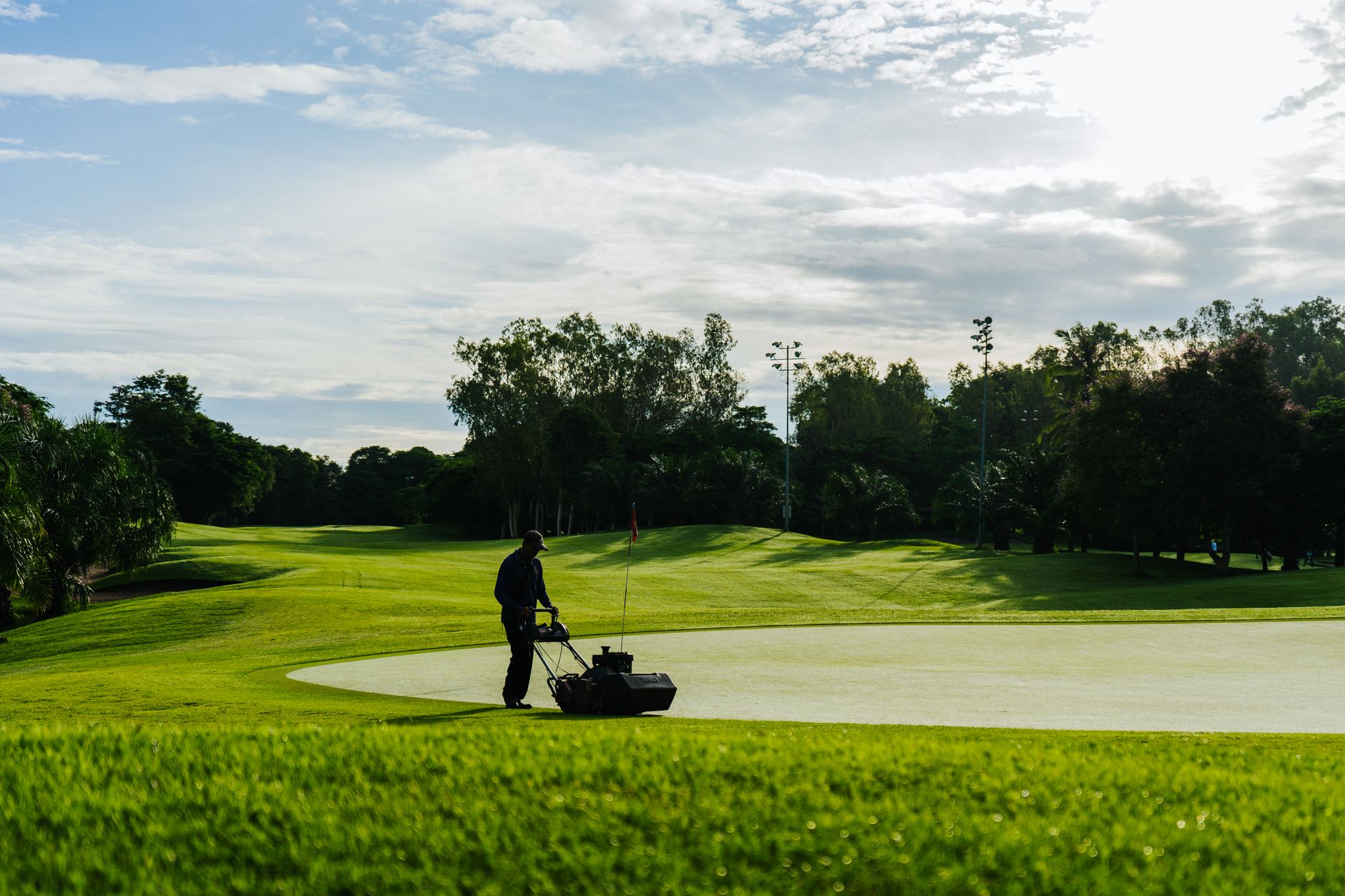
Autonomous fairway mowers run inches from collar transitions on mapped loops. During grooming weeks, crews lower heights, verticut edges, and hand-trim where machines should not go. Full summer speed at the margin scalps fresh work and leaves tire marks players see from the tee.
Collar work is visible. Members judge the whole fairway by the strip where grass meets rough. Robots that hug the edge too fast undo detail labor overnight.
Publish collar week on the robot calendar when the superintendent sets grooming priorities, not after the first complaint.
Which fairway margins need speed limits first?
Inside corners, bunker lips, and green approaches see the tightest turns. Slow those segments before open straightaways.
Showcase holes may need hand-only collars while robots run centers only. Split panels when software allows.
Photograph edge lines at dusk so night operators match daytime grooming.

How do hand crews and robots split collar work?
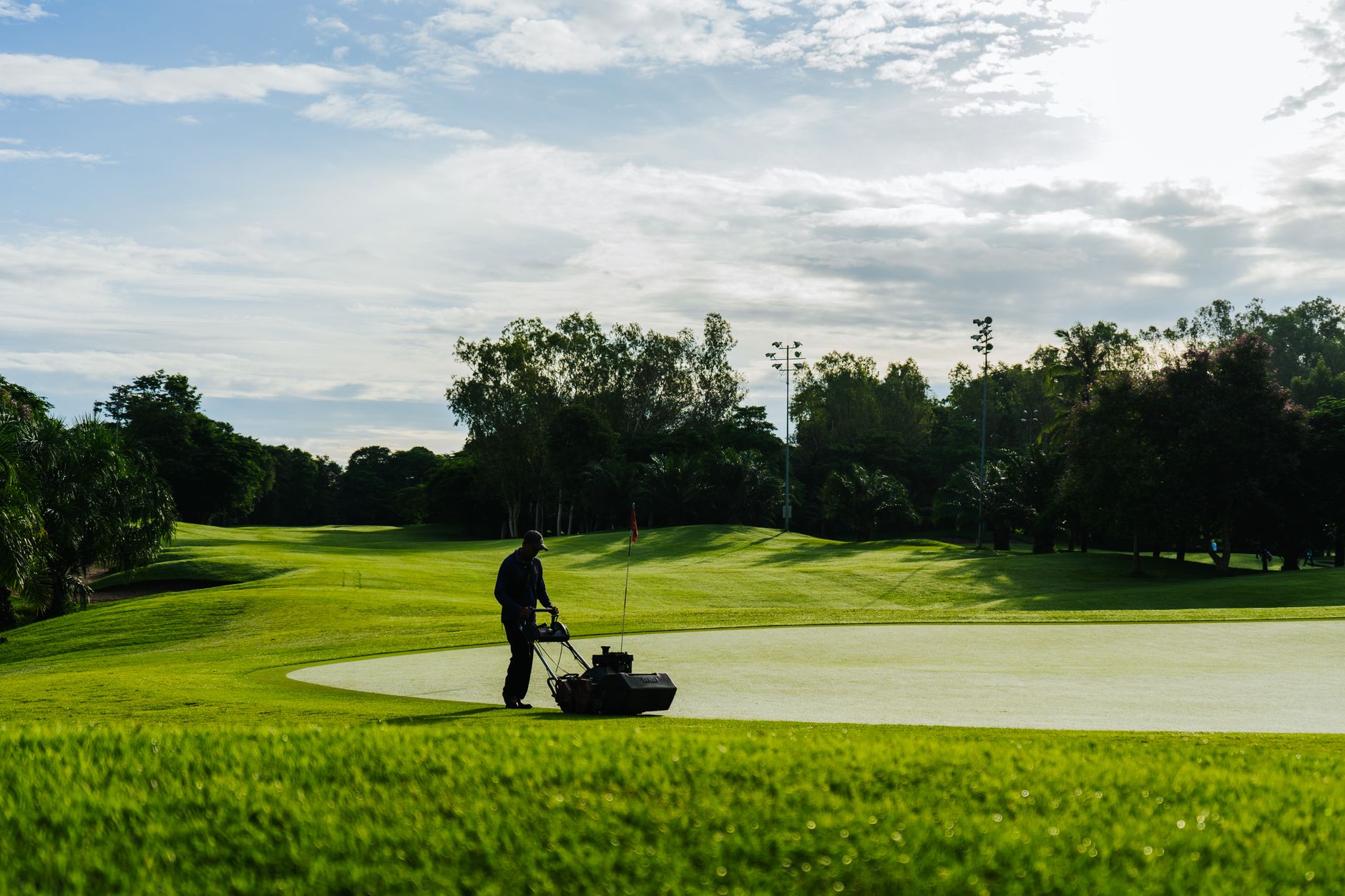
Hand crews finish transitions, clean debris, and roll edges robots should not touch.
Robots groom fairway centers and wide arcs away from fresh collar strips.
Radio when a hole is ready for edge passes so speed limits lift in the right order.
- Mark fresh collar strips on the map
- Set slow speed on margin segments
- Hold tight turns until roll firms
- Log release time per hole
What sensor tuning matters near collars?
Edge-follow behavior that works in midsummer can clip collars after grooming lowers height. Review offset after any collar program change.
Debris from verticutting triggers stops if not blown off before robots run.
Test one slow transit after grooming before enabling the full nine.
When can full edge speed return?
After collars firm under foot test and hand work is signed off, restore summer speed in stages.
First night at reduced speed, second night at normal if no scalping appears.
Note reopen times in the maintenance record for next year.

How should the pro shop explain collar weeks?
A brief note that collars are under intensive grooming sets expectations without blaming robots.
Starters can say fairway centers stay on schedule while edges are hand-finished.
After release, confirm grooming looks even on holes members photograph.
What if weather interrupts collar grooming?
Rain delays grooming and robots alike. Do not rush edge passes on soft collars to catch up.
Extend slow-speed zones if verticut debris stays wet on margins.
Compare robot holds to any topdressing planned the same week.
How does an integrator preset collar buffers?
Service Robot Co. is OEM-neutral on autonomous fairway mowers. We finance buy or lease options, map fairways with collar buffer and speed profiles, train your watch lead, and service units under RoboCare with regional engineers in every state we cover.
Import grooming-week speed tables during deployment so defaults exist before the first fall detail push. After the season, review scalping photos to tighten offsets on problem corners.
Bring collar maps to spring planning with the superintendent.


