
Key takeaways
- Hold fairway robots until collar rollers finish on affected greens.
- Slow turn speed within ten feet of collar lines on robot maps.
- Keep rollers and robots off wet collars the same morning.
- Starters need hole numbers when holds push dawn fairway work.
- Service Robot Co. programs turn buffers during fairway deployment.
Why do collar rollers conflict with fairway robots?
Collar rollers firm the transition between fairway and green. Fairway robots turn hardest exactly where that collar band is softest right after rolling.
A dawn schedule often sends robots across every fairway while the crew still rolls collars on the front nine. Paths cross at the approach where overlap is tightest and turf is most vulnerable.
Robots do not see fresh roller lines. They follow map geometry unless you slow turns or hold loops. That is why scuff marks show up as arcs beside collars before the first group reaches the turn.
Clubs that automate fairways still roll collars for speed and smoothness. The work is short per green but clusters on the same hours robots claim for fairway coverage.
The conflict is worse on courses that tightened fairway mowing height for summer play. Lower fairway height means robots turn on thinner leaf tissue right where collars were just compressed.
Which approach panels need turn-speed reductions?
Flag fairways where the robot path turns within ten feet of a collar on the green side. Dogleg approaches with a single turn beside the putting surface are the highest risk.
Par threes need holds more often than long par fours because the robot may traverse the entire fairway around a small target green in one loop.
Document turn zones on the map with names starters recognize, such as hole four left collar turn, not internal GPS layer labels only your technician understands.
Review stop and slowdown logs weekly during the first month of automation. Repeated events on the same collar mean the arc needs widening or the roller schedule needs to move.
How should roller crews sequence work with dawn robots?
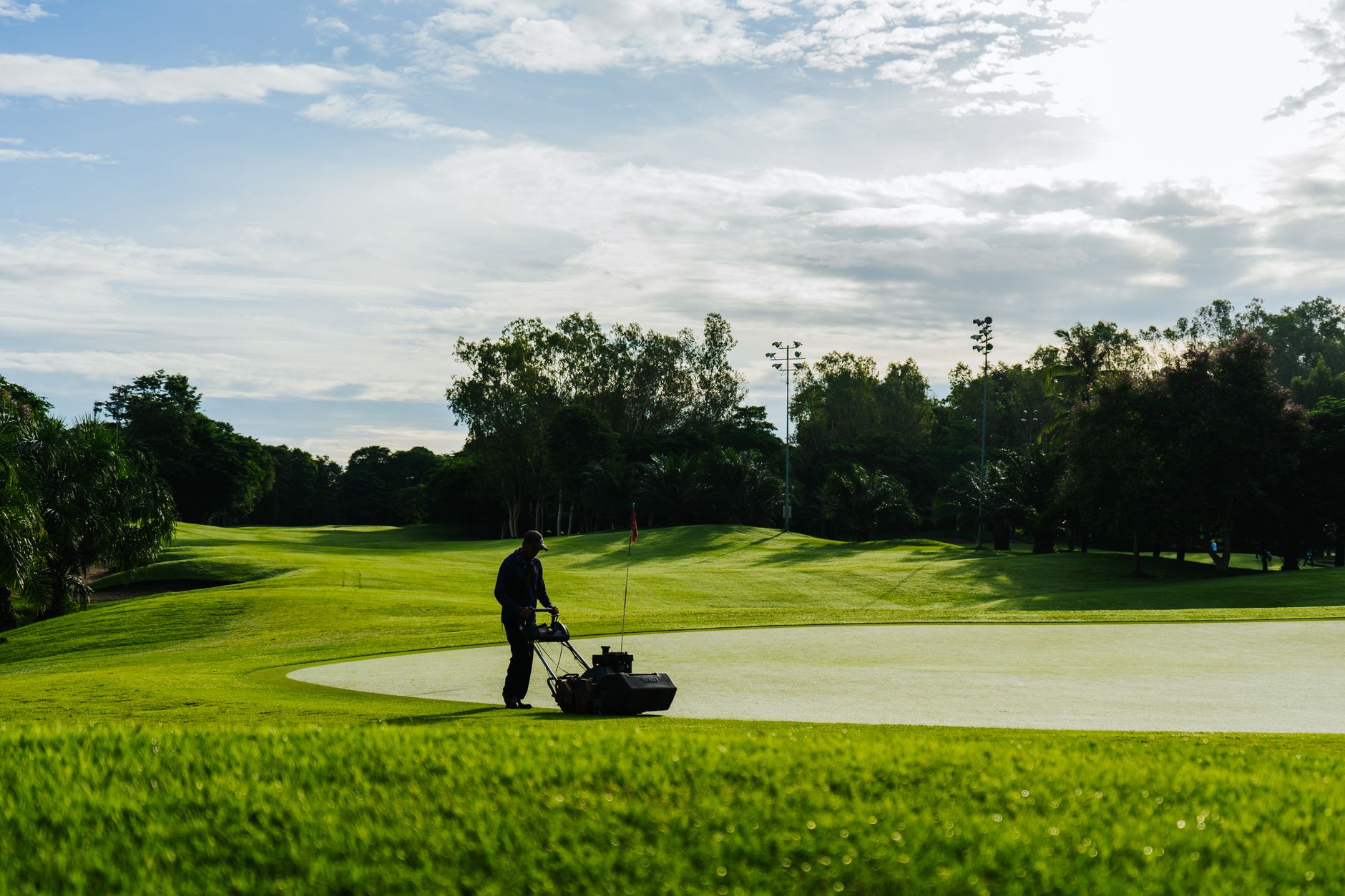
Finish rolling collars on holes in the robot path before releasing fairway loops, or roll the back nine first while robots run the front.
Radio clear from the roller operator should match the hold release on the maintenance board. Two different clear times for the same hole means someone will scuff turf.
On heavy morning dew, delay robot turns near collars even after rollers pass. Wet bentgrass and bermudagrass collars smear under tires that would be fine at midday.
Split crews can roll collars on nine while robots fairway-mow the other nine if travel time between nines is short. The pattern only works when radio discipline keeps holds in sync.
What turn-speed settings reduce collar scuffing?
Most platforms allow slower speed in geofenced turn arcs. Use them on every approach where the map turns toward the green.
Wider arcs cost a minute per hole but save a collar repair conversation with the greens chair. Compare telemetry: emergency slowdowns mean the fence is too tight.
After aeration or topdressing on collars, reset turn speeds to conservative values until the surface firms. Aeration holes grab tires and twist grass.
Train operators to avoid manual overrides through collar arcs except in emergencies. Overrides that bypass slow zones teach the crew the fence is optional.
When should holds stay active after rolling?
Keep holds until rollers are off the collar, dew is manageable, and no sand or topdress remains loose on the approach.
If rollers cross robot entry lines, wait until footprints and roller stripes are brushed out on the fairway side.
Tournament weeks may require holds on more greens than daily play. Load a tournament map layer rather than editing base paths each event.
Photograph any scuff within twenty-four hours. The image helps your integrator adjust arcs before the pattern repeats on neighboring holes.
How do irrigation cycles affect collar turns?
Night irrigation that wets collars before dawn robots run is a common scuff cause. Shift fairway starts or shorten collar cycles on robot mornings.
Pop-up overspray onto approaches creates slippery turns. Note which heads affect robot arcs when you build turn fences.
Coordinate with the irrigation tech before blaming turn speed. A dry collar with correct speed settings rarely scuffs; a wet collar scuffs at any speed.
Soil moisture sensors near approaches can justify later robot starts with data instead of gut feel, especially during humid coastal mornings.
What should starters know about collar holds?
Starters need hole numbers and whether delays affect pace on the first few holes only. A hold on hole two can back up the tee even when the back nine is open.
Post expected clear time on the shop board and the starter shack copy. Update both if rollers slip because of frost delay.
When members ask about brown arcs, starters can point to scheduled automation holds rather than guessing about disease.
If pace slows on held holes, consider temporary tee markers forward on adjacent holes only when the superintendent approves relief for turf, not for convenience alone.
How does an integrator set turn buffers at deployment?
Service Robot Co. walks approaches with your superintendent and marks turn arcs on the map before the first season of fairway automation.
Deployment ties those fences to named holds for roller mornings and documents who may release them. Financing and OEM-neutral fleet selection stay in the same project.
RoboCare service covers regional engineers in every state we cover, so a mis-set turn fence or stuck hold does not idle the fleet through a busy Saturday.
Seasonal map reviews should include collar work calendars. When rolling days move for overseed or PGR programs, turn fences and holds should move with them.


