Key takeaways
- Cost per lawn is the total cost of one mowing setup in a period, divided by the lawns cut in that same period.
- A robot setup has to carry its fixed lease payment, supervision hours and detail hours, not just the mowing hours it removes.
- Build crew hours from your own timecards, because national labor figures cannot show your route.
- Vendor payback claims are starting points to test, not results to copy.
- Get the lease term and fixed payment in writing before the leadership slide is final.
What cost per lawn means for a robot mower and a crew
Cost per lawn is the full cost of getting one lawn mowed in a set period, divided by the number of lawns mowed in that period. For a crew-only operation, the bulk of that is crew labor, plus fuel, equipment wear and trailer time per lawn. A robot-plus-crew setup adds a fixed lease payment, the hours a person spends supervising the robot, and the detail work the robot will not do.
The question for leadership is narrow. Does the robot take enough open-turf hours off the crew that its fixed cost and its added supervision are covered, lawn for lawn? If the answer depends on how many lawns you add, put that dependence on the slide.
Defining a lawn before you count anything
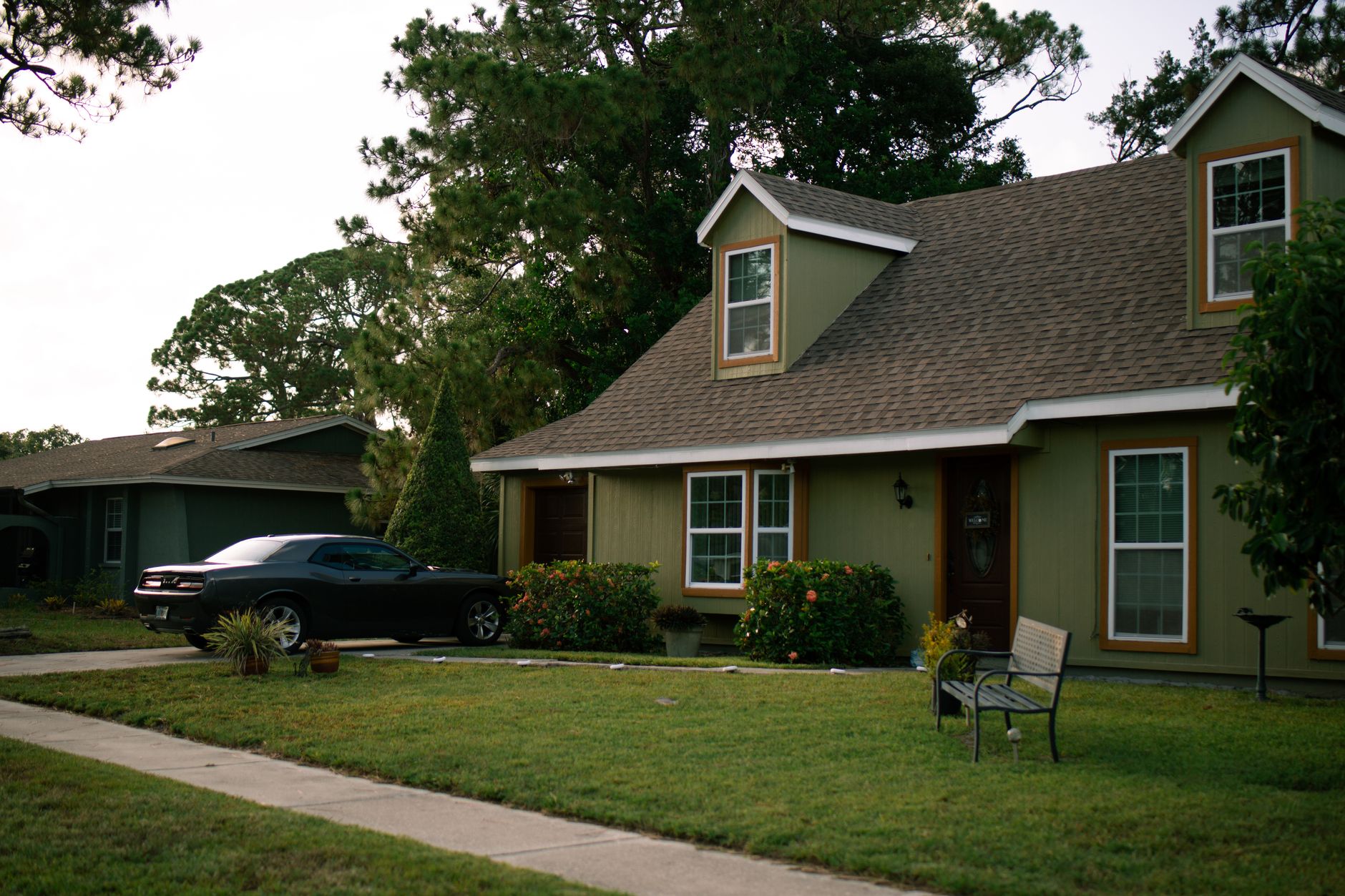
Two bids can look identical and still describe different work. Define a lawn as one billable property with a boundary, a block of open turf a robot can cover, and a list of hard-edge zones the crew still trims. Record area, slope, obstacles and sky view, since satellite guidance depends on open sky. Without these fields, your cost per lawn averages unlike properties together.
Split every property into open turf and detail. Open turf is the mowable field. Detail is edging along walks and beds, trimming around posts, and hand work at sprinkler heads. Carry these as separate hour lines, because they move differently once a robot takes the open turf.
Logging the crew hours that actually move
Use the hours your crew has logged, not a survey average. A labor survey can show a wage range, but it cannot show how long your crew spends on a particular property. Pull several weeks of timecards, tie each entry to a property, and split it between open turf and detail. Travel time to the property belongs in the crew-only column.
The Bureau of Labor Statistics publishes occupational wage data for grounds maintenance workers in its Occupational Outlook Handbook and in its OEWS tables. Use those pages to sanity check your wage base, then load your own labor cost, including payroll taxes and benefits, as the hourly input. Label any BLS figure as a national median, not your crew's rate.
Putting the lease quote into the same unit
A robot lease is a fixed payment, while a crew is a variable set of hours. To compare them, spread the lease payment across the lawns cut in the same period. The lease cost per lawn falls as the robot covers more lawns, which is why volume belongs in the model.
Use the same period on both sides. If the lease runs three years, model the full term or show a single year with the lease payment for that year. Mixed periods are the most common error on these slides, and reviewers find it quickly.
- Crew-only cost per lawn = (crew hours per lawn x loaded hourly labor cost) + equipment, fuel and trailer cost per lawn.
- Robot-plus-crew cost per lawn = ((open-turf hours with robot + supervision hours + detail hours) x loaded hourly labor cost) + (fixed lease payment for the period / lawns cut in the period) + any service cost your service plan does not cover, per lawn.
Counting supervision time as a separate line
A robot still needs a person to check it, clear a stop, move it past an obstacle, or confirm a zone finished. Many contractors fold that time into general crew hours, which hides the cost. Log supervision separately, by property and by visit, so the robot case stands on its numbers.
Landscape Management's 2019 coverage quoted one landscaper who estimated two to four man-hours saved per residential job with a robotic mower. That was a single contractor's estimate on residential lawns and it is dated. Treat it as a reason to measure your own sites, not as a benchmark.
Keeping detail work on the crew's clock

Edging, trimming around posts and hand work at irrigation heads usually stay with the crew. If the model removes open-turf hours but leaves detail hours unchanged, the savings are real but smaller than a whole-lawn estimate suggests. Keep detail as a fixed line on both sides of the comparison, so nobody counts those hours twice.
Vendors publish their own math. Yarbo, a robot mower maker, says golf and sports facilities report payback in 18 to 24 months and an average 22 percent maintenance cost reduction. It describes these as vendor-reported figures based on market research it did not publish in full, as checked in November 2026. Use such claims to decide what to test, then check any payback period against your logged hours.
What the published figures do and do not settle
I found no independent 2025 study measuring labor-hour savings from commercial robotic mowers. The trade coverage I reviewed is anecdotal, and the vendor figures are not fully sourced. Oxmaint's property-management article runs a hypothetical five-year model of four mowers. That model is illustrative, not observed, so use it as a template for your assumptions and not as a benchmark.
Neither source tells you what your crew does on your lawns. That is the one input you control, and it is why the timecard pull matters more than any headline percentage.
Building the leadership slide and where the lease fits
Show leadership three things for each property group: crew-only cost per lawn, robot-plus-crew cost per lawn, and the break-even lawn count where the two match. Solve for that count by setting the two formulas equal. List the assumptions beside the numbers, including the hours taken from timecards and the lease term. Plain math survives a finance review better than one headline percentage.
Service Robot Co. is an OEM-neutral robot integrator for US businesses. We select robots across manufacturers, lease them through financing, deploy and integrate them, and service every unit under RoboCare, our service plan, with regional service engineers. For a mowing operation, the lease is one fixed robot lease payment quoted after a site assessment, on a 3-year lease. Use that quote as the lease input and get the term in writing before the slide goes final.
Frequently asked questions
Want a robot working for you?
Tell us the job and the site. We will recommend the robot, quote the lease, and keep it serviced.
Sources
- BLS Occupational Outlook Handbook: Grounds Maintenance Workers
- BLS OEWS: Landscaping and Groundskeeping Workers (SOC 37-3011)
- Landscape Management: Put Mowing on Autopilot With Robotic Mowers
- Yarbo: Orchards, Vineyards and Golf Courses, Rethinking Grounds Maintenance
- Oxmaint: Robotic Lawn Care for Property Management