Key takeaways
- Leaf cleanup is a seasonal drain on crew hours, but the best documented total we found dates from 1973.
- No source we reviewed shows an autonomous fairway mower clearing leaves, so leaf savings remain a hypothesis to test.
- Log leaf work by task, fuel and equipment before you change any schedule.
- Schedule fairway passes around leaf peaks, and protect greens and cleanup first.
How do fall leaves change golf crew hours?
Leaf drop turns a steady fairway calendar into a lumpy one. In deciduous climates, a few heavy weeks of fall drop can pull crew members off greens, bunkers and irrigation and put them on raking, blowing and hauling. Those hours are real, yet they seldom appear on a timecard labeled as leaf work, which is why many superintendents underestimate them.
Autonomous fairway passes can help with the open part of the calendar, but they cannot be assumed to clear leaves. The sources we reviewed cover cut quality and routing, not leaf load, so the leaf claim needs testing on your own course before it goes into a budget.
What do the historical leaf hour figures show?
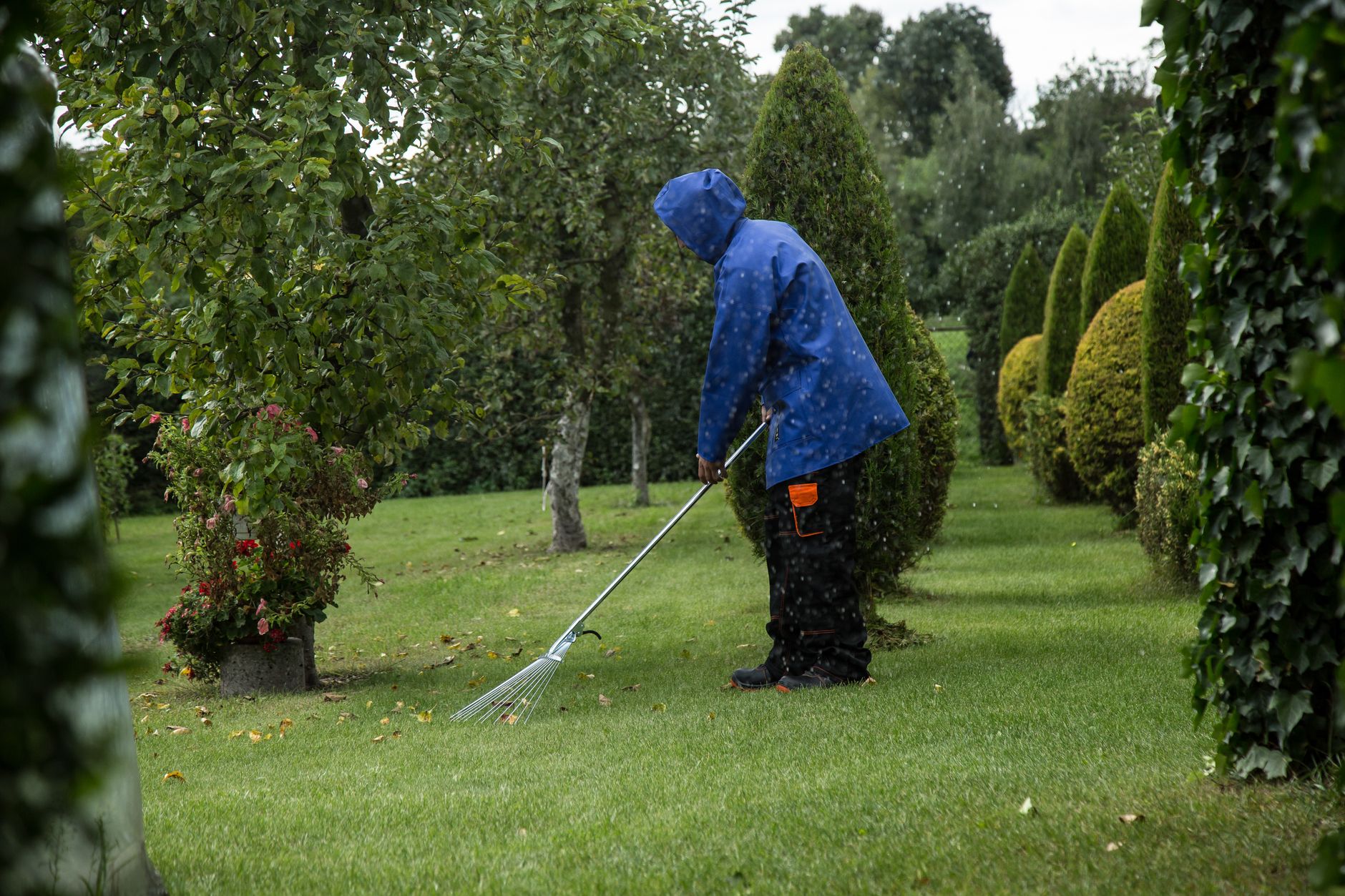
The best documented number we found is old. A 1973 superintendent's letter, kept in a Michigan State University library archive, reported 2,137 hours on leaf cleanup from early October through February, after burning was no longer allowed. Equipment, labor pools and course layouts have changed since then, so the figure shows scale, not a benchmark for your course.
We could not verify a current published total for leaf cleanup hours, so this article does not offer one. Your own timecards, sorted by task, will tell you more than any old letter. Logging labor hours, fuel and equipment maintenance for leaf removal is the habit that makes those totals usable from year to year.
Where do leaf hours land on fairways and paths?
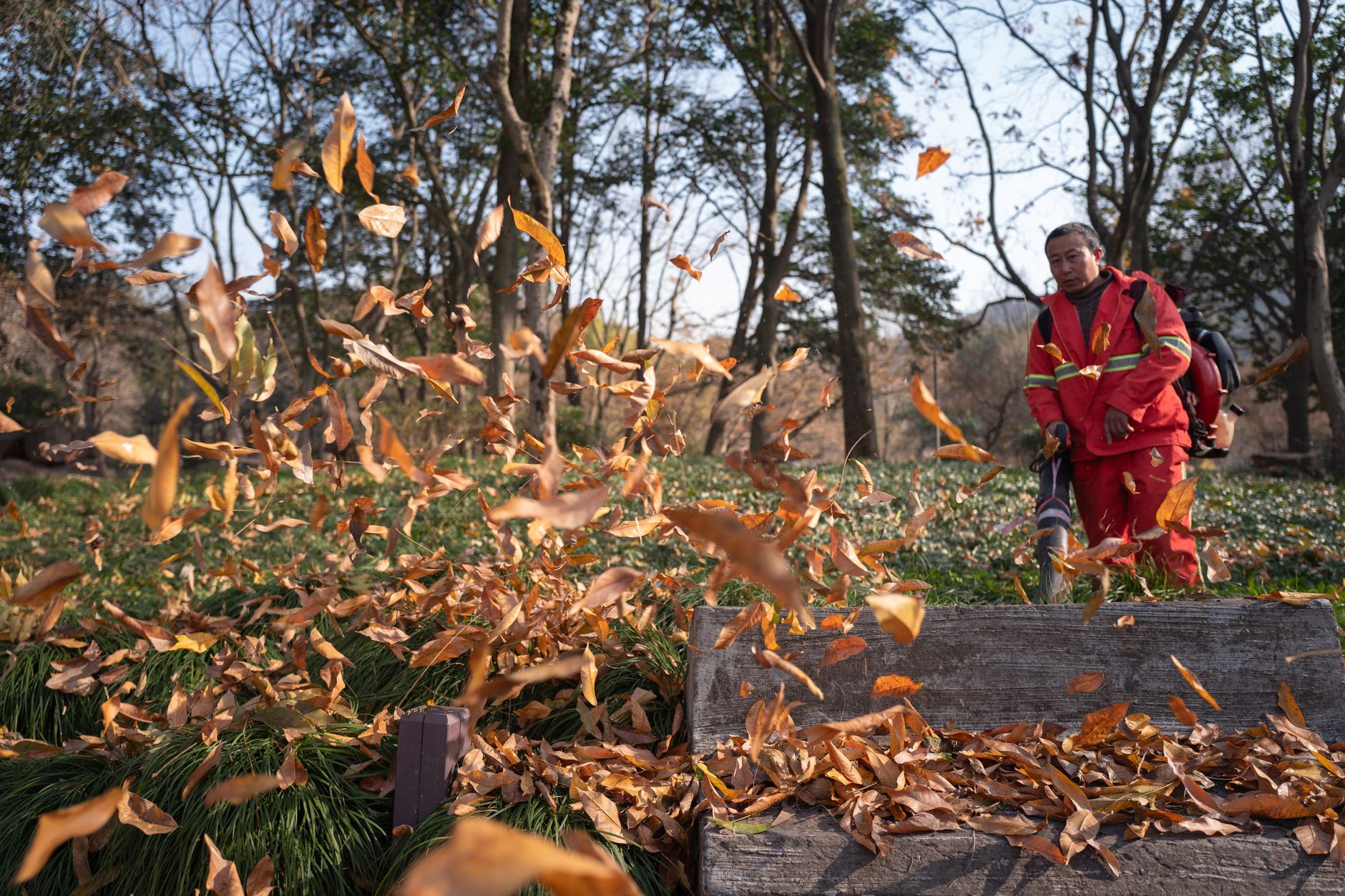
Leaf hours spread across more tasks than most schedules show. Crews often treat them as one job, but each task pulls a different skill set and moves at a different speed.
- Raking or blowing fairway leaves ahead of mowing passes
- Sweeping cart paths and walk paths, especially under tree lines
- Clearing collars, edges and greenside surrounds before debris reaches the putting surface
- Bagging and hauling debris from the course to the disposal point
- Re-clearing after wind events that move a fresh load onto cut turf
How should autonomous fairway passes work around leaf peaks?
Start with the calendar, not the robot. Walk the course in early autumn, mark the tree lines that drop the most, and compare those spots with your own records of when drops peaked. Then set fairway passes to run in the windows between peaks, so mowing and leaf clearing do not compete for the same morning.
The Belfry ran Husqvarna robotic mowers through rain-affected conditions at the Husqvarna British Masters, and coverage described good performance with little visible marking. That coverage did not address leaves or debris, so it speaks to cut quality, not leaf load. Toro, working with Reesink in the UK, describes a fairway mower that uses GPS mapping and reroutes to cover areas it missed. That is a vendor account about coverage, and it should be checked on your ground.
As of November 2026, Rye Robotics says its Boulder F1 fairway mower launched in September 2025 and is reportedly selling in China, South Korea and Japan, according to company reports. Aphrodite Hills has also introduced a robotic mower fleet. Both are signs of where the market is heading, but neither describes leaf handling.
What does a simple season hours comparison look like?
Build the comparison from last fall's records. Pull leaf-related timecards for one season, sort the hours into the tasks above, and then estimate which of those hours a fixed pass schedule could move off the crew. Keep the figures in separate columns, because a pass that runs on schedule is not the same as hours saved.
- Baseline: leaf-related crew hours by task, from last season's timecards
- Scheduled pass hours: fairway passes run in the windows between leaf peaks
- Hours moved: baseline minus any leaf work that still needs a crew
- Recheck: greens, bunker and cleanup hours that slipped while fairways ran
Where does a leased robot fit into a leaf-season plan?
Service Robot Co. is an OEM-neutral integrator, so we start from the job rather than a single manufacturer's catalog. We lease robots on a three-year lease through financing, with one fixed payment quoted after a site assessment. We deploy, integrate, train and service each unit under RoboCare, backed by regional service engineers in every state we service.
For a golf course, the site assessment is where leaf-prone tree lines, cart paths, drainage and hold points get mapped before any pass is scheduled around them. That map is what makes a leaf-season schedule testable, and it is worth building before the first fall drop arrives.
Frequently asked questions
Want a robot working for you?
Tell us the job and the site. We will recommend the robot, quote the lease, and keep it serviced.
Sources
- Michigan State University library archive: 1973 superintendent's letter on leaf cleanup hours
- Golf Business News: The Belfry robotic mowers at Husqvarna British Masters
- Golf Business News: Toro autonomous mower fleet with Reesink
- Dealroom: Rye Robotics and the Boulder F1 fairway mower
- Golf Business News: Aphrodite Hills robotic mower fleet