Key takeaways
- A May 20, 2026 superintendent blog estimate of a three to four year payback has not been independently checked.
- Payback depends on your wage rate, your measured hours and the fixed lease quote issued after a site assessment.
- Cutting two positions and redirecting the same hours produce very different payback math.
- The only cost range we found comes from an unvetted page, so treat it as a bracket to test, not a verdict.
- The labor survey snippets we found describe a tight market, but we located no 2025 GCSAA labor release.
The estimate is one superintendent's view
On May 20, 2026, the Highlands CC golf maintenance blog estimated that two autonomous mowing units, paired with cutting two staff positions, could pay back in roughly three to four years. The post presents one superintendent's view. It is not a formal analysis, and we have not independently checked it.
The same post says the math reads another way if the course keeps its staffing and reassigns that labor. That sentence matters more than the headline. It means the payback rests on what happens to the hours, not only on what the machines cost. We found no independent payback study for the two units for two positions scenario.
What a course must verify before trusting any payback figure
A payback period is only as good as the inputs behind it. The blog does not publish its wage rates, hours or quote, so a reader cannot rerun the arithmetic. Each input below has to come from the course itself.
- Fully loaded hourly cost for each position under review, taken from payroll and including taxes and benefits.
- Hours recovered per week during the growing season, measured on your acreage rather than borrowed from another course.
- The fixed lease quote, issued only after a site assessment that records your slopes, cart paths and drains.
- Supervision time still needed each day, because someone must watch the units and respond to alerts.
- Downtime coverage, including who cuts turf while a unit is in for service.
What the one cost source says, and why it is not enough
One page at gva.pages.dev, with no clear publication date, reports cost figures for an autonomous fairway system from one major manufacturer. We could not confirm those figures anywhere else, so we are leaving them out of the math here. A written quote from a site assessment is the number to use.
The same page argues that removing operator jobs also removes the people who notice problems early. It recommends keeping existing mowing capability until a system has run at least two seasons. That caution belongs in the model, because a two season hold delays when savings can start and keeps a fallback in place while new equipment proves itself.
How the math shifts when freed hours go to greens and bunkers
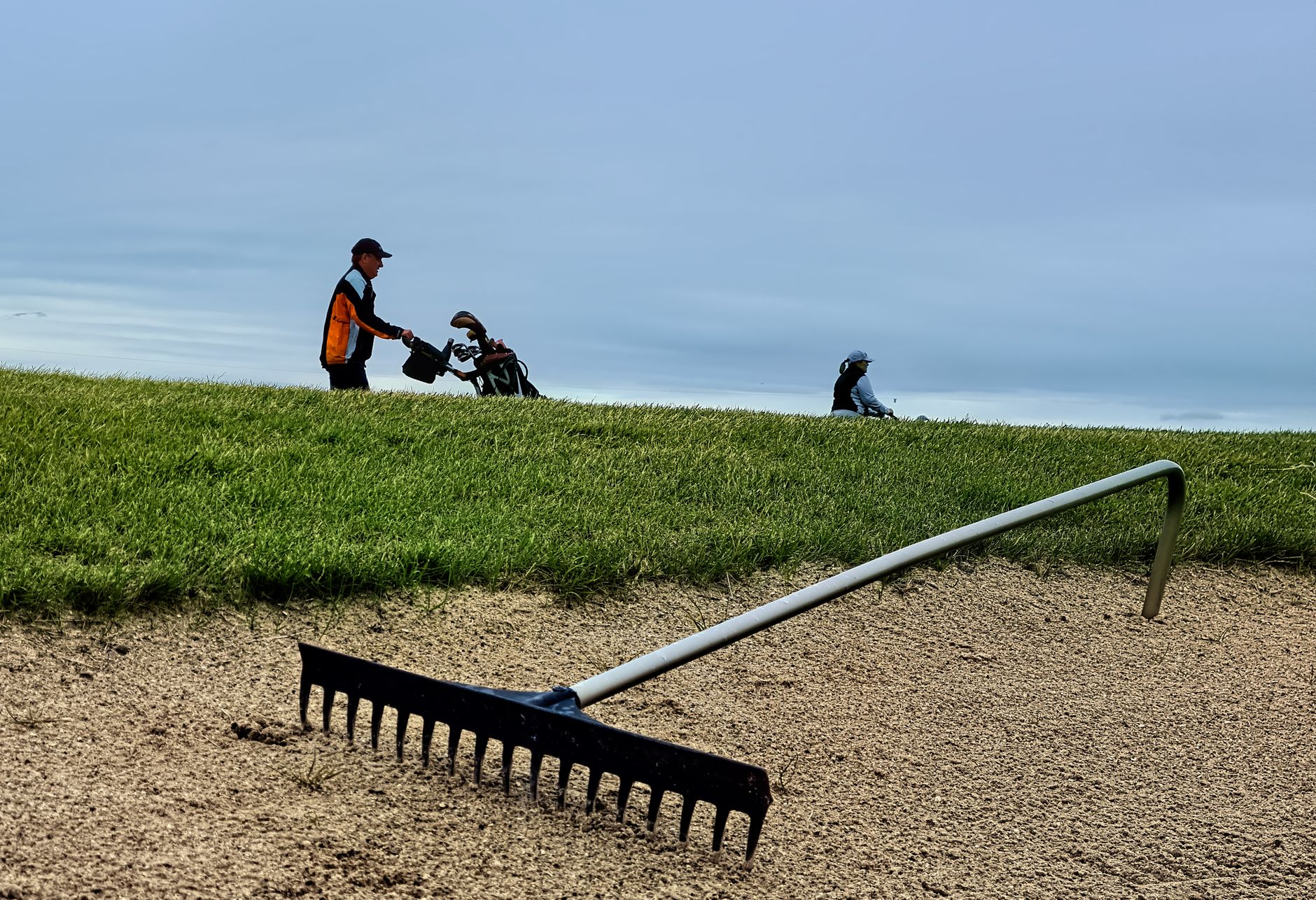
Cutting two positions makes the payback a labor savings story, and the savings appear as a line a budget can point to. Keeping the positions and redirecting the hours turns it into a capacity story. The return then arrives as bunker edges raked on schedule, greens work finished in the morning window and fewer overtime hours in peak weeks.
Those gains are real, but they are not automatic cash. A course has to price redirected hours at the cost of work it either pays someone else to do or now skips. A search result item describes four robotic units at Gullane Golf Club recovering 30 to 40 labor hours a week in the growing season, with that time framed as freeing staff for skilled work. We did not open that page, so treat the figure as reported, not confirmed.
Write down the tasks that slip in a normal week, then count them. Skipped greens detail is harder to price than a salary, yet it is often the figure that decides the case.
What labor surveys say about the staffing side
GCSAA labor survey results, reported in search snippets whose exact pages we have not confirmed, describe a hard market. In the 2022 survey, 63 percent of respondents rated the labor market bad or very bad, the same share as in 2019, and only 9 percent rated it good or very good. A 2018 survey found 74 percent calling maintenance hiring difficult or very difficult.
A 2024 GCSAA Maintenance Budget Survey, as one snippet reports it, puts average labor expenditures up 17 percent from 2022 to 2024. We did not find a 2025 GCSAA labor survey release, so the most recent labor figures here are older than the blog post. A tight market favors anything that reduces dependence on one operator, but it does not change the arithmetic for any particular course.
Where Service Robot Co. fits in this test
Service Robot Co. leases commercial robots through financing, and we are OEM neutral. We start by matching the machine to the work and the terrain, then decide with the course whether a three year robot lease fits its staffing plan. Our commercial robot leasing is built on that sequence.
The offer is one fixed robot lease payment on a three year lease, quoted only after a site assessment that measures slopes, drains, cart paths and routes. Service runs under RoboCare, our service plan, backed by regional service engineers in every state we service. That gives the downtime question a written answer before anyone signs.
What this search could not confirm
The payback claim rests on a single blog post, and we reviewed only its search snippet. We found no independent payback study for the two unit, two position scenario. The cost range came from a page with no clear date that we could not confirm elsewhere.
The labor figures are snippet level and tied to GCSAA surveys we could not fully open. Before any course adopts the three to four year figure, it should run its own model with its own payroll, its own hours and a written quote. Until then, the estimate is a question to test, not a result.
Frequently asked questions
Want a robot working for you?
Tell us the job and the site. We will recommend the robot, quote the lease, and keep it serviced.