Key takeaways
- Run the wet pass in the gap after an intake wave clears, not while trucks are still unloading.
- Clear every floor drain and test its flow before a robot run, because standing water is what turns a wash into a flood.
- Sweep dry vine pieces, leaves and loose berries first, so the wet pass carries less debris toward the grates.
- Keep robot routes off staff walkways and active truck lanes during peak intake.
When should a washdown start during intake?
Start the washdown in a gap between truck arrivals, never while a truck is still dumping. A cranberry dock is wet by design, so a robot that runs during offloading mixes fresh water into floating fruit and debris that are already spreading across the concrete. Wait for the active lane to clear, then run the wet pass while the drains can still carry the load.
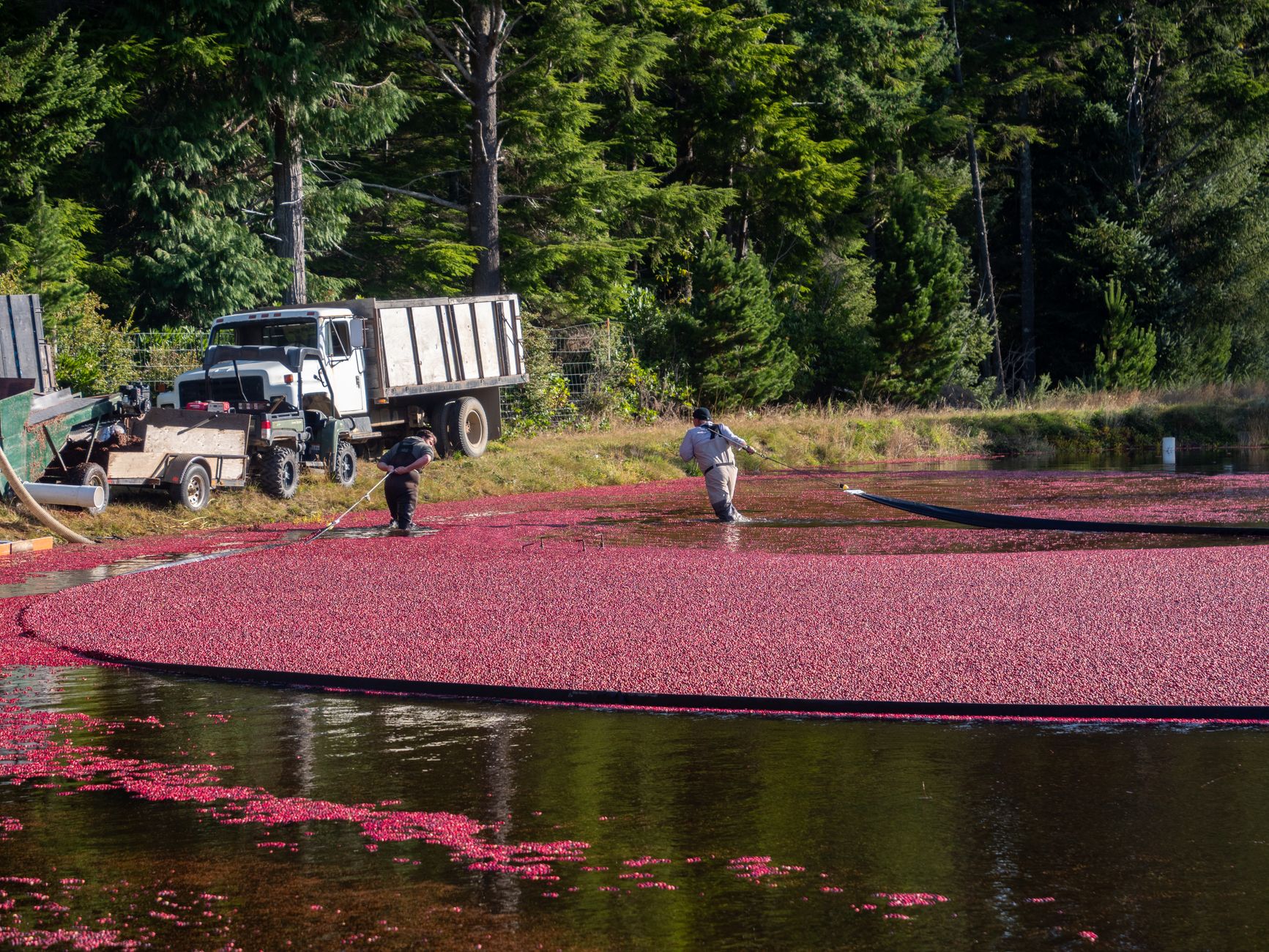
Build the schedule from the harvest, not from a clock. The Cranberry Institute describes a wet harvest that runs roughly three days, with bogs flooded, reels knocking fruit from the vines, and pumps or conveyors moving the floating fruit into waiting trucks. Intake arrives in waves that follow that harvest, so the receiving lead who logs truck arrivals can predict the gaps better than any fixed daily timer.
What makes a cranberry dock wetter than most?
Wet intake puts water on the floor on purpose. At the receiving station, a Taylor & Francis chapter on receiving describes hydraulic operations that remove dirt and matter from the fruit. The washwater is recirculated with a fresh rinse, passed through a rotating drum screen to catch solids, then sent to a holding tank before it returns to the line.
That loop is the part a robot planner should care about. If the screen is in poor shape, more solids stay in the water and more of that material ends up on the floor and in the drains. A wash scheduled while the screen is clogged hands the drains the worst of both streams.
What do the drainage rules require?
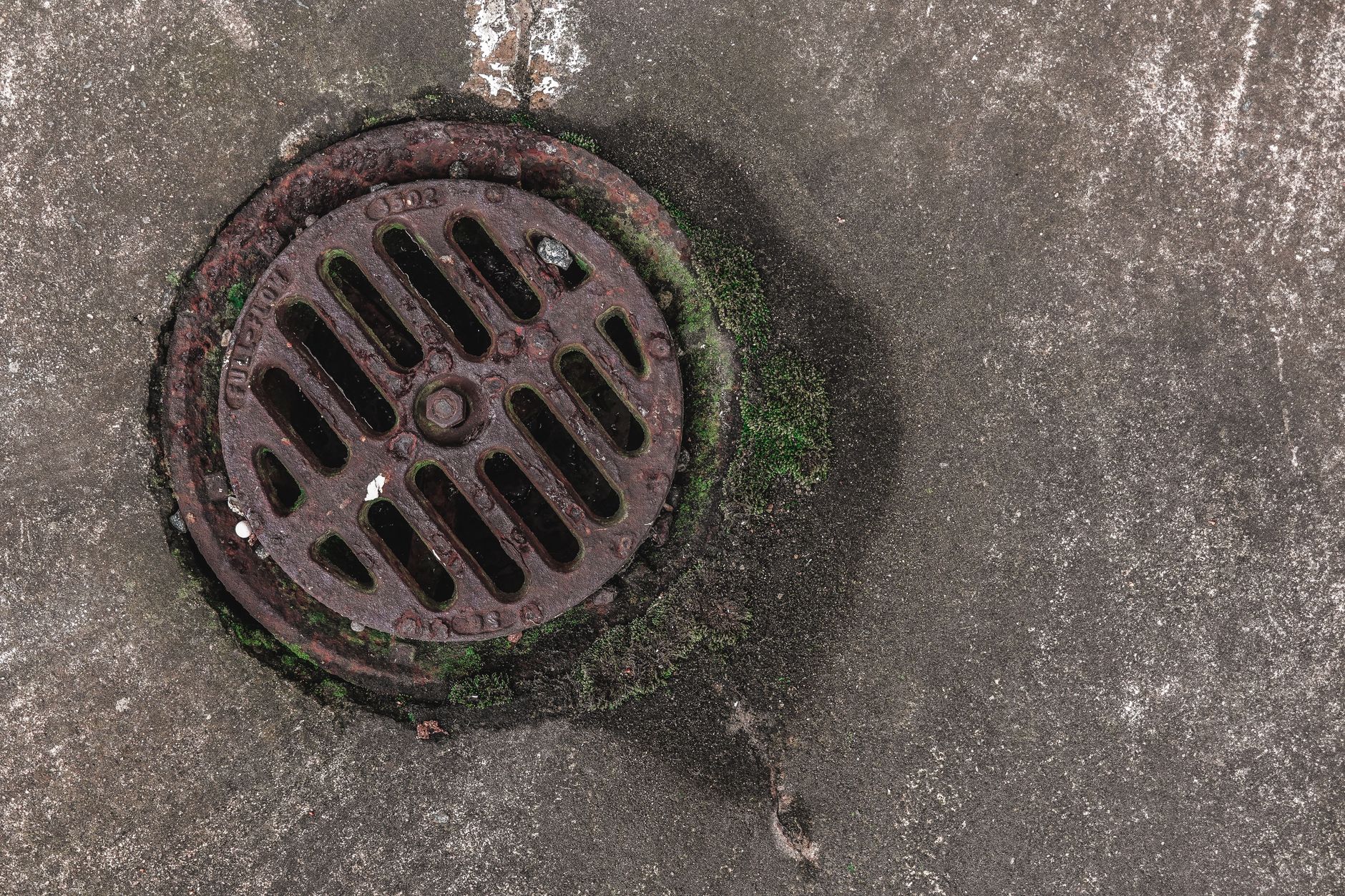
Federal food rules treat drainage as part of sanitation, not as an afterthought. Under 21 CFR 117.37, facilities need adequate floor drainage in areas cleaned by flooding, and in areas where normal operations release water or other liquid waste onto the floor. A cranberry receiving dock meets at least one of those tests on intake days, so its drains belong on the written sanitation schedule.
A food safety drains guide describes floor drains as a frequently overlooked part of US food safety compliance. Treat that as a reason to name one person who signs off the drain check before every wet run, and to keep that sign off in the same log as the washdown record.
What should be checked on drains before each run?
Run the same short check before every wash, and write down what you found. The check takes minutes, and it costs far less than a flooded staging lane.
- Lift the grate and clear the basket of leaves, vine pieces and berries before any water goes in.
- Pour a bucket of clean water at the drain and confirm it leaves in one pass without pooling.
- Look upstream in the channel for settled grit, since a robot squeegee will push that grit toward the grate.
- Check that the washwater screen is clean, so the water the line reuses is not carrying solids back onto the floor.
- Record any standing water left after the last run, and clear it before the next truck arrives.
How should sweeping and washing be sequenced?
Sweep dry first. Vine pieces, leaves and loose berries should come off the floor before the wet pass starts, because water spreads light debris into corners and into drain channels the robot cannot clear. A dry sweep also lets the wet pass do its job with less material in front of it.
Work from the far end of the dock toward the drains, so runoff flows toward the grates rather than across the staging lane or the path a forklift or pallet jack will use next. Keep the robot clear of active truck lanes during offloading, and set the run so the wet pass ends before the next truck backs in.
How do you keep the dock dry for staff?
A dock stays dry for staff when the wet pass ends with a drying step, not when the crew mops up after the robot leaves. Mark wet zones with cones and signage, and keep staff walkways and the intake table edge outside the robot route. Where the wash runs along a wall, leave a dry lane for people to walk between the trucks and the scale.
Schedule the dry down before shift changes and before the next intake wave, so the floor is passable when the crew arrives. A squeegee pass or a short dry sweep at the end of each run is often enough to move standing water back to the drains.
Where does a leased robot fit this schedule?
Service Robot Co. is OEM neutral. We pick the robot for the dock, then lease it through financing, deploy and integrate it, and service it under RoboCare, our service plan, backed by regional service engineers. Before any unit is installed, our team runs a site assessment, and the lease is quoted as one fixed payment over a lease term of three years.
For a cranberry dock, that assessment is where the drain layout, the intake windows and the truck lanes get mapped, so the run schedule follows the harvest instead of a generic clean. One vendor covers the whole lifecycle, which keeps the drain checks, the washdown log and any service call under one contact.
Frequently asked questions
Want a robot working for you?
Tell us the job and the site. We will recommend the robot, quote the lease, and keep it serviced.