Key takeaways
- A three-hole trial tests mapping, hold timing and cut quality over a few weeks, not a whole season.
- Choose holes that cover open sky, tree cover and heavy traffic so failures show up early.
- Log the same fields every week so decisions rest on records, not memory.
- Write pass and stop rules before the first pass, including any loss of location signal.
- Expand in steps, and only after consecutive weeks inside your pass criteria.
Is a three-hole trial enough to decide?
Yes, if you design it around specific questions. A three-hole fairway trial lets a superintendent test whether a robot maps the turf precisely, holds its timing around play and produces a cut the membership will accept, all without committing the whole course. It will not prove a labor saving across eighteen holes by itself, so treat it as a test of method rather than a verdict on the business case.
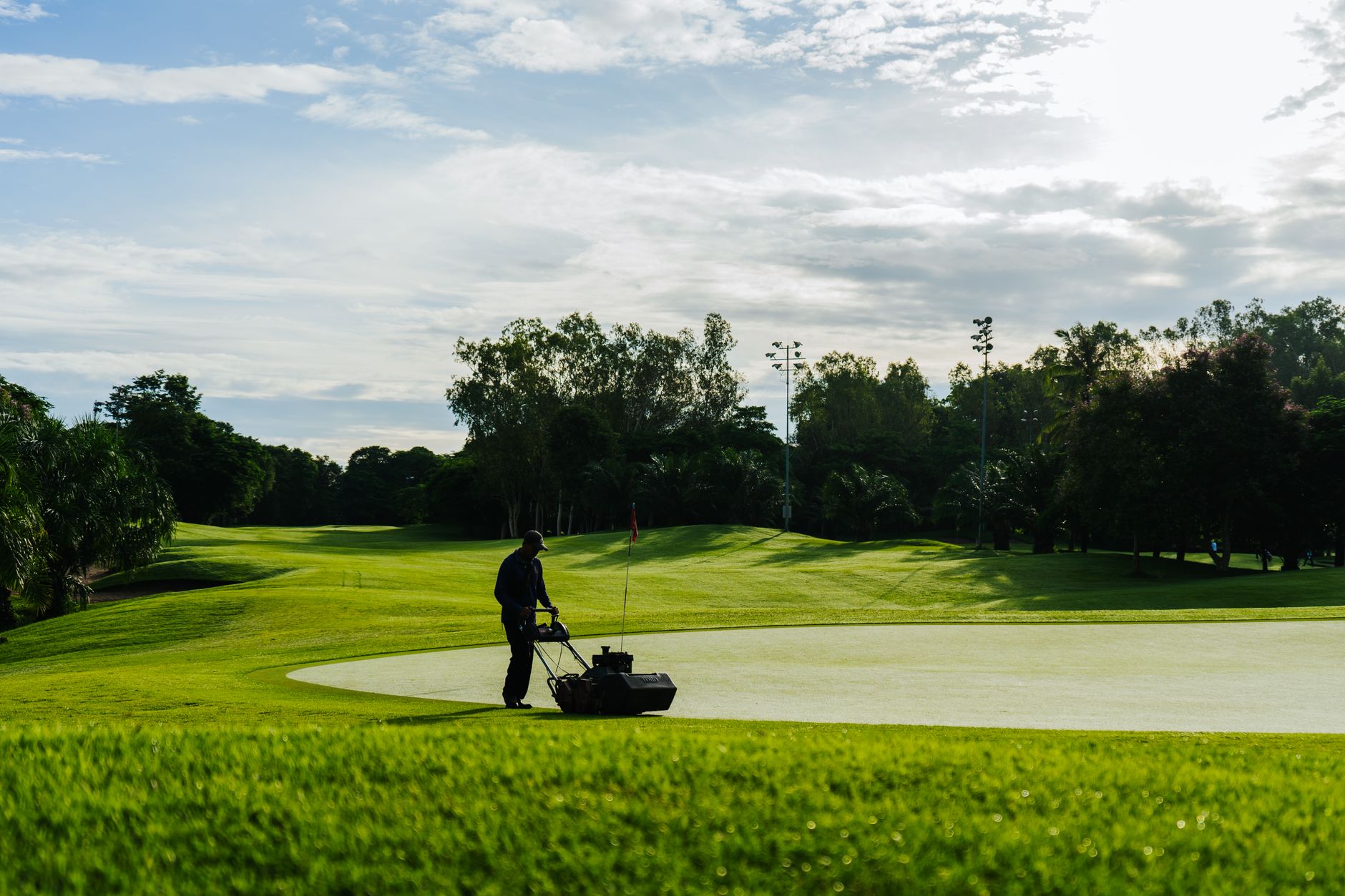
The clearest recent example is a lodge's own project page. As of November 2026, that page says the lodge acquired one Yarbo core and a Mower Pro module in June 2026, installed the autonomous mower in July 2026, and has been testing it on the fairways of holes 5, 6 and 9. The lodge later expanded to four mowers. The page is self-reported and not independently confirmed, so read it as one operator's account.
The same page also records an earlier attempt, described as June 2025. An Echo Robotics unit lost its location fix on hole 1, the install was stopped and the unit was removed. The lodge's summary is that the install is not working yet. That is the argument for a phased start: a failure on three holes costs weeks and a lesson, while the same failure across a full course costs a season.
Which three holes should you pick?
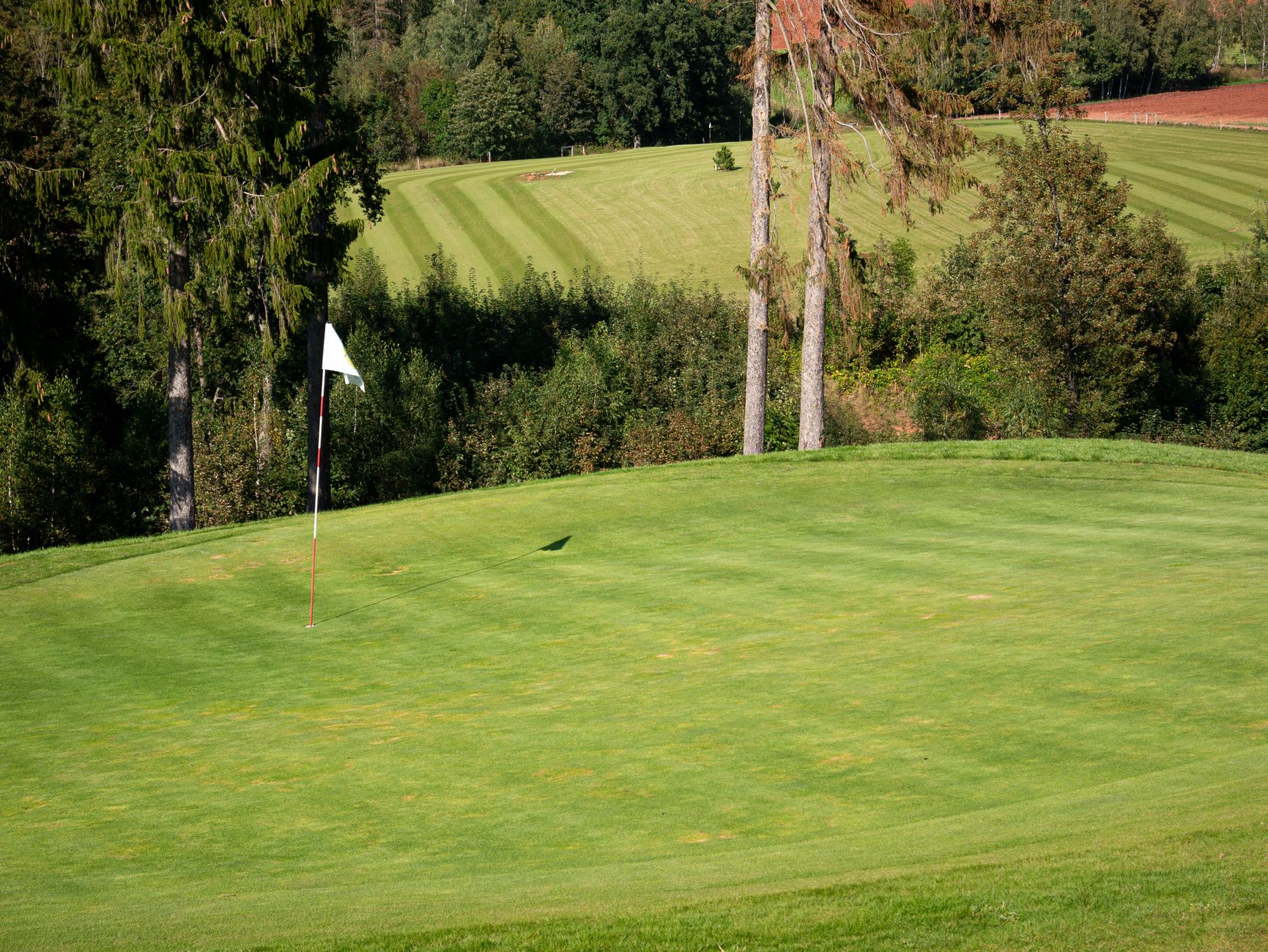
Pick holes that represent the conditions you actually mow. Choose one with open sky and a clean satellite view, one among trees or near buildings where the signal may be weaker, and one that carries the traffic, drainage or wet spots that stress a crew's routine. The lodge's trial ran on holes 5, 6 and 9, and its earlier halt on hole 1 is a useful reminder that signal conditions drive early failures.
Avoid choosing holes only because they are easy to run. An easy hole tells you little about hold timing or boundary behavior. Include at least one hole where a problem would be visible to players, because the trial should test the moments members notice, not only the moments that are simple to manage.
What should you log each week?

Log the same fields in the same format every week so trends show up. A running sheet beats memory, and the crew's own notes belong beside the machine's run data. For each of the three holes, record at least the following.
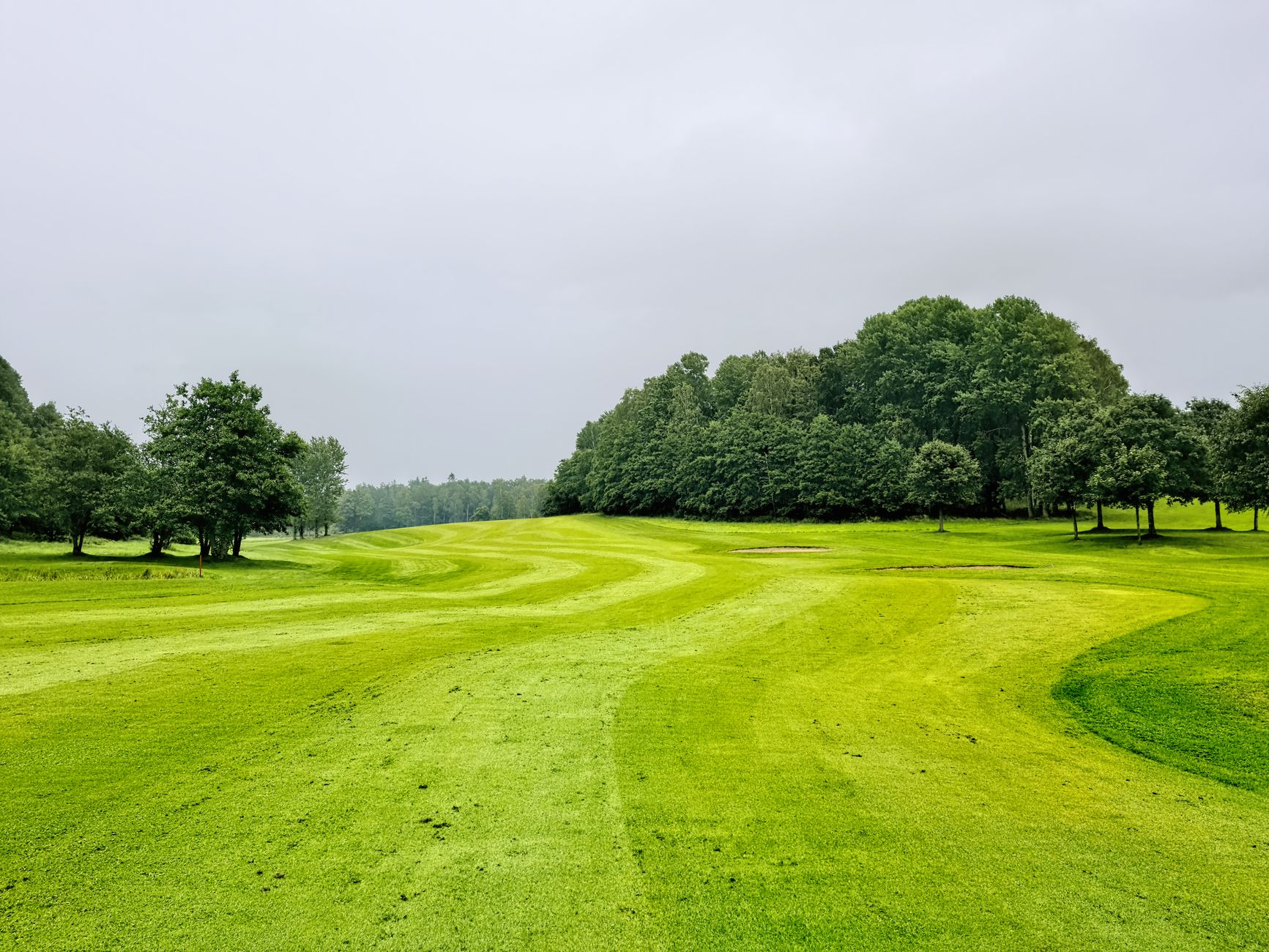
Keep the cut-quality checks dull and repeatable. Use the same check points, the same method and, where possible, the same person. Without that consistency, a superintendent cannot honestly say one week looked better than the last.
- Location fix dropouts, with the hole, the time and how long the unit stopped
- Holds that overlapped with groups, and how many minutes each hold lasted
- Boundary or obstacle corrections to the map, such as cart paths, drains and sprinkler heads
- Cut height and visible quality at fixed check points, measured the same way each week
- Crew minutes spent on the trial, including any manual touch-up or rescue
- Member and player comments, tagged by hole
What counts as a pass, and what counts as a stop?
Write the rules first, before the first pass. A pass means the trial stayed inside the timing, cut quality and crew-time targets you set in advance. A stop means a condition you have already agreed is unacceptable. The thresholds belong to your course, your membership and your agronomy program, so set them with your team rather than copying someone else's.
Good stop rules are concrete. Repeated loss of location signal on one hole, a unit leaving its mapped boundary, cut quality that falls below your own check points for consecutive weeks, or crew time that rises instead of falls are all reasonable triggers. The lodge's halt on hole 1 is the first kind in practice. A stop is a recorded result, and the log should say why it happened.
Weather belongs in the log as well. According to Golf Business News, The Belfry used autonomous mowers through rain-affected preparations for the Husqvarna British Masters. That shows machines can sit inside a wet-week plan, but your own weather rules should decide when a unit runs.
What are other courses testing in 2026?
Other 2026 announcements give context for a trial, though most come from vendors or clubs rather than independent pilot reports. Kohanaiki in Hawaii announced on May 27, 2026 that it had deployed a FireFly Automatix AMP-L100, which the announcement describes as a fully autonomous, all-electric, 100-inch, five-gang reel mower. Concert Golf Partners and FireFly Automatix report that Heathrow Legacy Club near Orlando took delivery of an AMP after a pilot test, though the date of that pilot was not confirmed.
Toro demonstrated its autonomous fairway mower at Interlachen Country Club and has rolled out an autonomous mower fleet with Reesink. According to Turf magazine, Husqvarna robotic mowers supported turf management at the 2026 U.S. Senior Women's Open. Hour-saving claims made by manufacturers should be checked against the original source before anyone quotes them to a board or club committee.
When should you expand beyond the three holes?
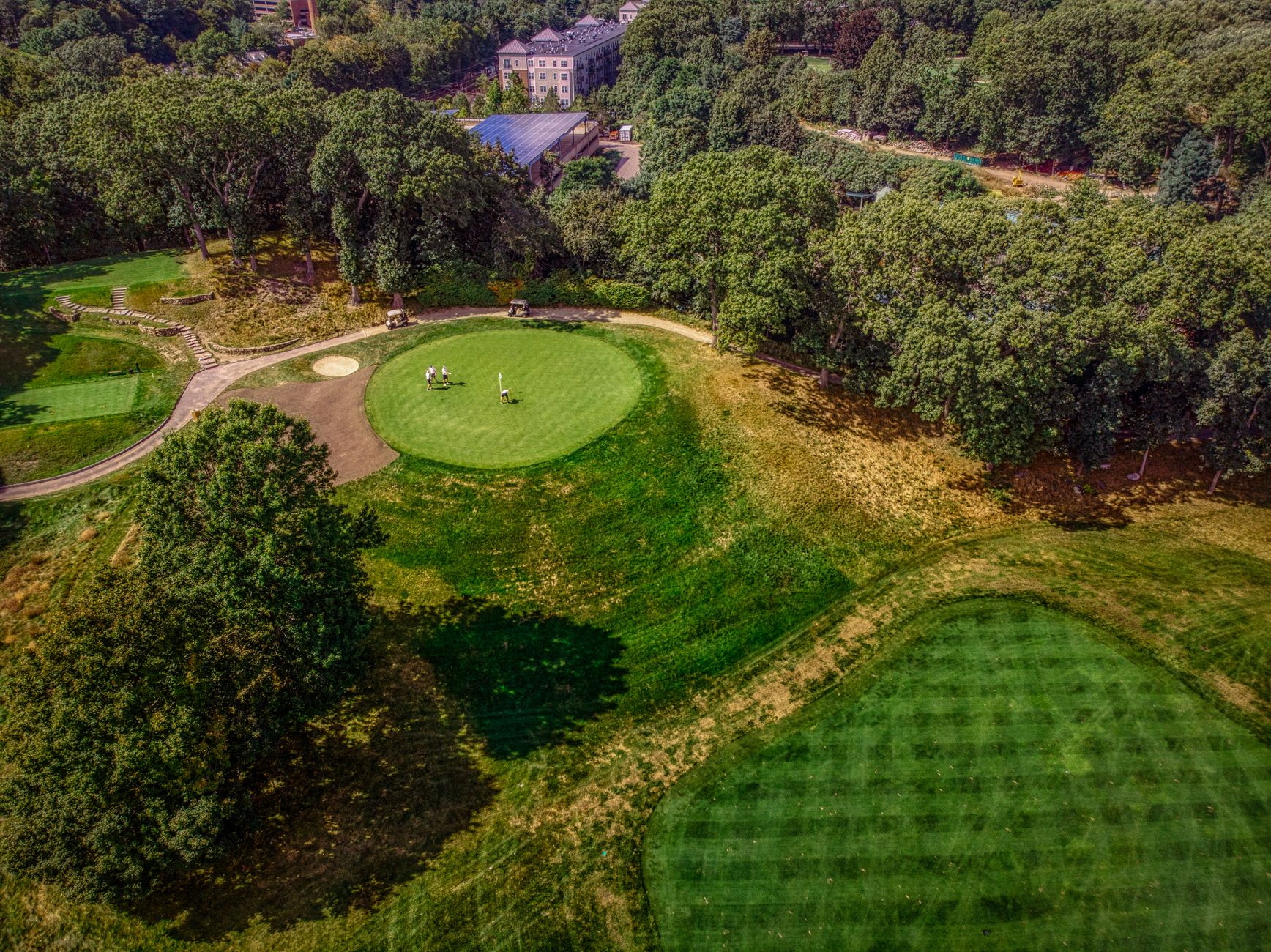
Expand in steps, not all at once. Add holes only after the trial has stayed inside its pass criteria for consecutive weeks, the crew has confirmed its own workload is manageable, and hold timing has been agreed with the people who play the course. Phasing the rollout without shutting the whole course is the point of the exercise.
Settle responsibilities before the next stage. Who updates the map after tree work? Who checks the unit before the first tee? Who calls for remote support when a unit stops mid-round? A phased start answers these questions while the stakes are still small, and the answers matter more as the fleet grows.
How does a lease fit a first step?
Service Robot Co. is a vendor neutral robot integrator for US businesses. We help choose the right robot across manufacturers, then arrange a commercial robot lease through financing on a 3-year lease, with one fixed lease payment quoted after a site assessment. We handle robot deployment and integration, train your staff, and service every unit under RoboCare, our service plan, backed by regional service engineers in each state we service.
For a first step, that structure helps. A site assessment and mapping come before the trial, go live support covers the first passes, and a fixed lease payment gives you a stable cost to plan around while the trial's logs build up. When a unit stops mid-round, remote triage and on-site dispatch decide how long a hole stays closed. Start with one leased unit on the holes you chose, and widen only when the records support it. This article does not report results from any golf customer of ours.
Frequently asked questions
Want a robot working for you?
Tell us the job and the site. We will recommend the robot, quote the lease, and keep it serviced.
Sources
- Keweenaw Mountain Lodge autonomous mowers project page
- First Call Golf: Kohanaiki deploys FireFly Automatix AMP-L100
- Golf Course Industry: A look into Toro's Autonomous Fairway Mower
- Golf Business News: Toro rolls out autonomous mower fleet with Reesink
- The Golf Wire: Concert Golf Partners and FireFly Automatix
- Turf magazine: Husqvarna robotic mowers at the 2026 U.S. Senior Women's Open
- Golf Business News: Autonomous mowers help The Belfry through rain-affected Husqvarna British Masters