Key takeaways
- Slope ratings come in percent or degrees, and the two do not convert one to one.
- Published limits are set per model and can differ between the work area and the boundary edge.
- The manufacturer material we reviewed does not address golf fairways or wet-grass derating, so get both in writing.
- Traction often sets the real limit, so treat the rated figure as a ceiling for dry ground, not a target.
- Fence steep ground out with a boundary wire island or stay out zone, then mark it crew only on the course itself.
Can a robot mower hold a hillside fairway?
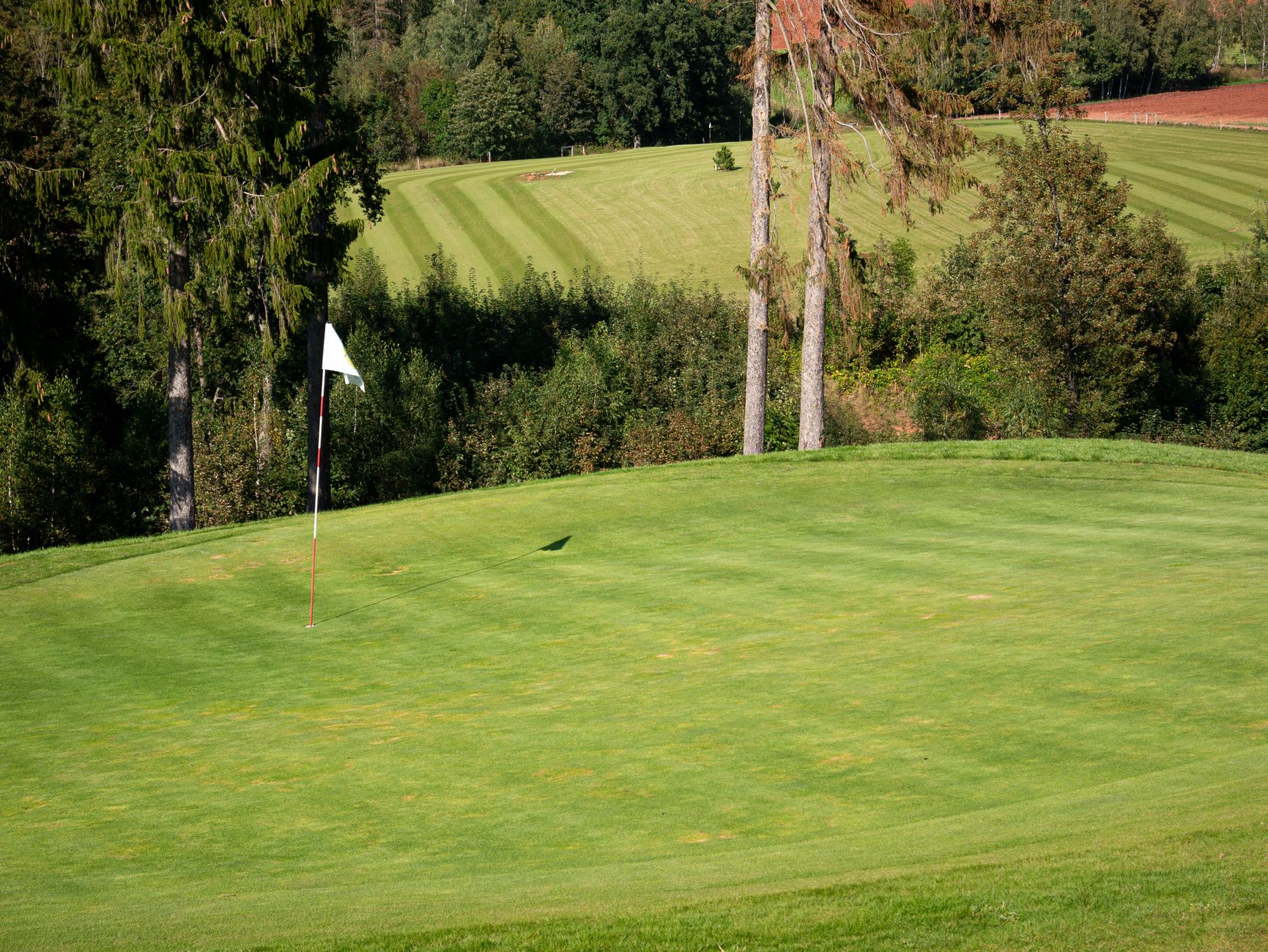
A robot mower can hold a hillside fairway only where the ground stays inside the model's published slope rating. That rating is a ceiling set for favorable conditions, not a target to aim for on a wet morning.
Manufacturers publish maximums as a percentage or in degrees, and the two do not convert one to one. According to FJ Dynamics, a 40 percent grade is roughly 18 degrees. Husqvarna lists standard Automower models at roughly 25 to 50 percent depending on model, and its AWD models up to 70 percent, or 35 degrees (vendor-reported, checked as of November 2026).
We found no slope guidance from any manufacturer written for golf fairways, and no published derating for wet grass. Treat every figure here as a starting point for a conversation with your supplier, not as clearance for a specific fairway.
How should a superintendent survey grades before trusting a rating?
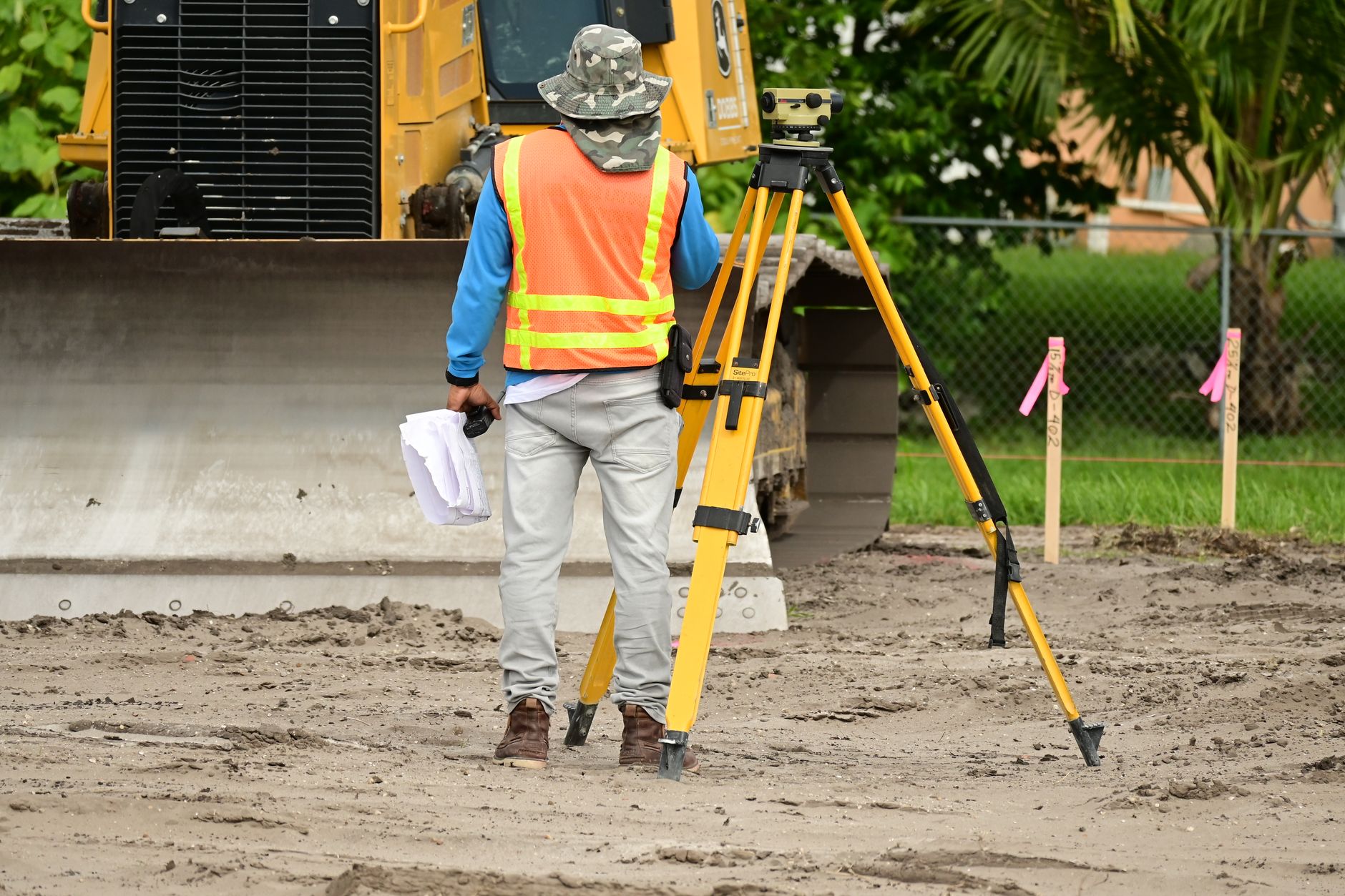
Walk each hillside fairway and record the steepest run a mower would have to climb, descend or turn on. Log it in percent and in degrees, because suppliers quote either and the conversion is not a straight swap.
Survey the boundary zone as well as the playing ground. Husqvarna's published limits can differ between the work area and the boundary edge, with one cited example at 40 percent inside and 15 percent at the boundary on some models. A fairway that clears the first number can still fail at its edge.
Husqvarna's Automower 420 manual gives a specified working slope of 45 percent and states that accessibility on steeper slopes cannot be guaranteed. Save your survey as a dated map so you can compare models against the same ground.
What changes when the grass is wet?
Traction, not grade alone, often sets the workable limit. Vendors promote AWD and dual track drive for this reason, as Eufy's slope limits blog explains. Husqvarna notes that slipping risk rises on steep slopes in wet conditions.
Husqvarna suggests diagonal or straight up the slope mowing patterns, keeping wheels clean, and optional terrain kits for tough ground. Those steps help, but none of them turns a steep wet bank into flat ground. Dew soaked mornings on exposed fairways deserve their own hold rule.
Ask whether the published rating assumes dry turf. If no wet-grass derating is published, get the vendor to say so in writing before the first run.

How do boundaries keep a mower off drop-offs and steep banks?
Steep ground beyond a model's limit should come out of the work area. Husqvarna advises a boundary wire island or, where the model supports it, an AIM stay out zone. Its boundary placement guidance applies to drop-offs as well as rises.
Move the boundary inward onto flat ground above the slope edge. Husqvarna's US guidance suggests about 1.5 m, or 5 ft, between the bottom of a slope and the boundary wire. We did not capture a drop-off distance from the sources, so get that figure from your supplier rather than estimating it from the slope rating.
Wire layout matters as well. Husqvarna advises against running boundary wire across slopes steeper than about 10 to 15 percent, because mowers may struggle to turn there. The threshold varies by model: 10 percent for the Aspire R4, 15 percent for its other listed models, and 25 percent for its NERA models. On tough slopes Husqvarna recommends a diagonal layout for better traction, and a wire running across a slope may be acceptable where a fence is meant to be contacted.
What should you ask a supplier before a slope quote?
Put these questions in writing before you compare models, and keep the answers with your survey map.
- Confirm whether the slope rating applies to the work area, the boundary edge, or both.
- Get the rating in percent and in degrees, with the vendor's conversion method.
- Confirm the drive system, whether AWD, dual track or single axle, and whether traction kits are optional on this model.
- Obtain any derating for wet grass, or a written statement that none is published.
- Confirm which boundary methods the model supports, wire island or stay out zone, and how many zones it can hold.
- Obtain the recommended boundary offset from a slope edge and any drop-off distance.
- Confirm barrier guidance where a slope borders a public road, which Husqvarna puts at a barrier at least 15 cm, or 6 in, high along the outer edge.
How do you mark steep sections as crew only?

Mapping the steep ground is only half the job. Once it sits outside the mower's boundary, mark it on the ground so no one, human or machine, treats it as open turf. Stakes or flags at the edge, signage at access points and a note on the course map are the simplest markers.
Give each crew only section an entry in the daily run log, and check the edge fence before every robot run. After storms, washouts and root heave can change where a slope really begins, so walk the boundary and update the map.
Crew only does not mean unsupervised. Assign a person and a route to every steep bank, and make the mowing schedule name who handles the ground the robot cannot.
Where does a site assessment fit into a hillside survey?
Service Robot Co. is OEM neutral. We select robots across manufacturers for the job, then lease them through financing on a three year lease, with one fixed lease payment quoted after a site assessment. We deploy, integrate, train and service each unit under RoboCare, our service plan, backed by regional service engineers in every state we serve.
On a hillside course, the site assessment is the natural point to walk grades, drop-offs and boundary edges, so the quote reflects the ground the mower will actually see. Keeping slope questions with one integrator also keeps the vendor answers in one conversation.
Frequently asked questions
Want a robot working for you?
Tell us the job and the site. We will recommend the robot, quote the lease, and keep it serviced.
Sources
- Husqvarna US support: optimize Automower installation for steep slopes
- Husqvarna self service: how to optimize an Automower installation for steep slopes
- Husqvarna Automower 420 manual (ManualsLib)
- FJ Dynamics blog: how to measure the gradient or slope of your lawn
- Eufy blog: robot lawn mower slope limits