Key takeaways
- Inventory every crossing before the robot's first route runs.
- Treat culvert ends and bridge approaches as hold points, not just slow zones.
- A wet deck, an unclear edge or a hidden drop means the crew carries the mower across.
- Vendor slope and boundary numbers are consumer-grade starting points, so test your own site.
- Log every hand crossing, since that log shows which fix saves the most crew minutes.
What hold points does a creek crossing need?
A creek crossing, a wooden bridge approach or a culvert edge needs its own hold point before the mower reaches it. Treat each one as a fixed place on the route, not a general slow zone, and decide in advance whether the robot stops, slows or waits for crew to confirm the way is clear.
The working rule is simple: inventory every crossing, set a hold before each one, cap speed on the approach, and write down the conditions under which the crew carries the mower across by hand. None of the public sources we reviewed sets numbers for golf crossings, so the thresholds below come from vendor manuals and public guidance we could check, plus the field testing you should run yourself.
Why do crossings stall or damage a robot mower?
Public research on mowing near roads points to the same weak spots. A Purdue report on an Indiana DOT pilot, dated January 2025, used a digital twin of highway corridors and tested path planning, obstacle avoidance and road-entry detection in simulation before a real-world check. A May 2026 Purdue news item says the simulation found mowers encroached on highways more often than expected, and that vegetation height often hid hazards.
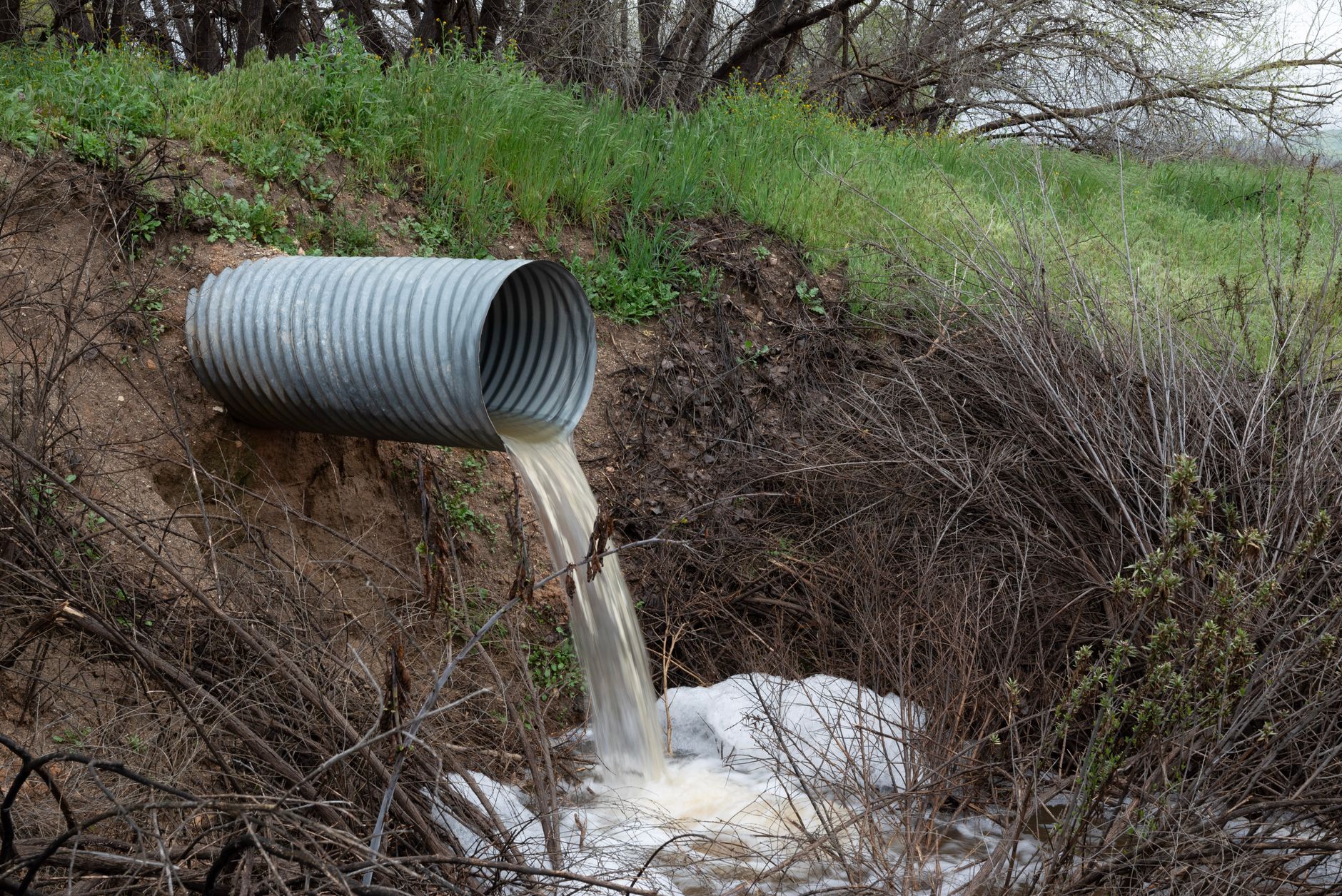
Vegetation hiding a drop is exactly the risk at a culvert end or a bridge lip. A 2025 Minnesota bill, HF 2375, listed culvert ends, guardrails, signposts and unexpected debris among obstacles an autonomous mower would need to handle in ditches and right-of-way. That bill is proposed legislation, not enacted law, but it names the same hazards a superintendent will recognize.

How do you inventory each crossing?
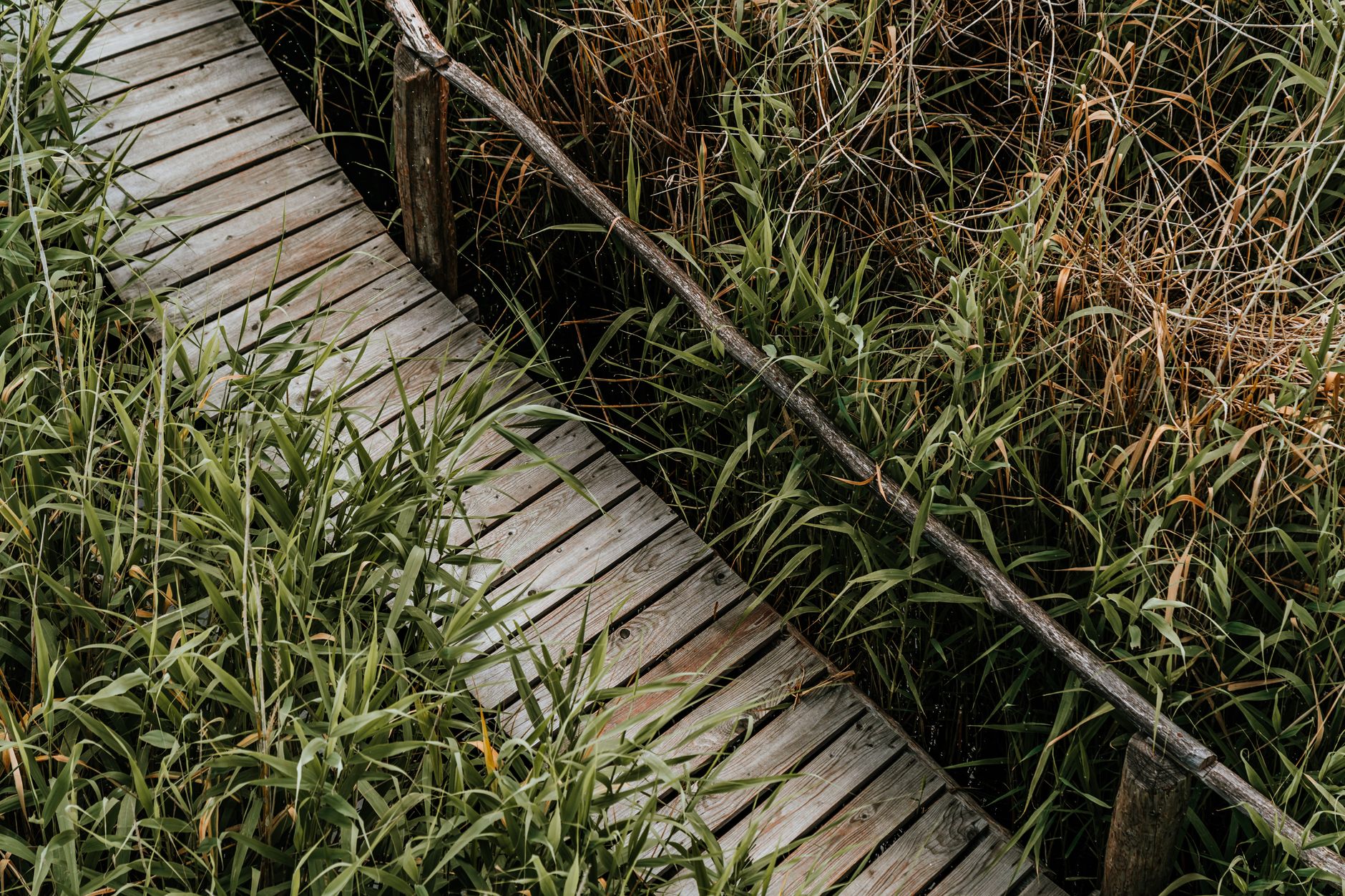
Walk every crossing with the crew lead who will supervise it, and record the same fields for each one. A written inventory lets you compare crossings and reuse the same logic when the course adds a bridge or replaces a culvert.
Photograph each entry from the mower's approach angle, not from the walkway. A view taken while standing upright can miss the same lip that a low-mounted sensor would see.
- Crossing type: open ford, culvert, box culvert or wooden bridge
- Approach grade in the direction of travel, and which side runs downhill
- Deck or ramp width against the mower footprint, with clearance on each side
- Surface condition: boards, soft bank, gravel or wet turf that holds a track
- Drop height at each edge, and whether the lip is visible from sensor height
- Vegetation or leaf litter that could hide the edge
- Drainage state after rain, including whether water runs across the deck
- Boundary wire or path routing that sends the mower onto the crossing
Where should the hold points go?
Set at least two holds for each crossing: one before the approach begins and one at the deck or culvert entry. The first stops the mower while the crew confirms the crossing is clear. The second catches the moment the wheels leave firm turf and the robot must decide whether to continue.
Vendor numbers help frame boundary decisions, though they belong to consumer units. A Yard Force manual for its Compact 300RBS and 400RiS models says the boundary wire should not run perpendicular to an incline above 10%, and recommends a strip of at least 2 m between a 10% or steeper slope and the wire, because downhill speed can carry the mower over the wire on wet ground. A separate Yard Force manual for the NX 60i lists a maximum 30% incline or decline for that model. These are different models with different limits, so use them to frame questions for a vendor, not to set your own numbers.
How fast should a mower cross?
No public source we found gives a golf speed limit for crossings, so set yours through timed test passes on the actual approach. Start slow, log how the mower behaves on entry and exit, and raise the limit only after repeated clean passes.
Consumer guides on crossing residential paths say the surface should be flat and firm, free from steps or deep gaps, and should keep the mower away from vehicle traffic. Wet ground changes the answer. The Yard Force warning about downhill speed on wet turf applies at a bridge approach as much as at a boundary. An eufy blog lists its E15 at 35% inside the boundary and another eufy post lists about 40%, and those two figures conflict, so neither belongs in a crossing plan.
When does the crew carry the mower across?
Write the rule down before the first wet week, not during it. Crew crosses by hand when the surface is wet or unverified, when a drop is hidden by growth, when the approach grade is steeper than your test passes allowed, or when the crossing has changed since the last survey, such as after storm debris or bank erosion.
Hand crossings cost crew minutes, so record each one in the run log. That log shows whether a fix, such as clearing vegetation or adding a hold, would save more hours than it costs.
How do you test hold points before the season?
Test each hold first with the robot off the crossing, then on it, with a crew member present. Run the route at the planned speed, then at a slower wet-day speed, and record each stop, stall and sensor warning against the inventory.
Simulation can help with route planning. The ROWMow Sim tool that Purdue worked on with INDOT is publicly available on GitHub, but it was built for highway corridors, so treat it as a method for thinking about edges and vegetation, not as a golf course map.
How does Service Robot Co. handle crossing surveys?
Service Robot Co. (servicerobotco.com) starts with a site assessment that maps the crossings, and the fixed lease payment is quoted only after that assessment. We are OEM-neutral, so the robot we recommend follows the job rather than one brand's catalog. Our leases run three years, and each unit is covered under RoboCare, our service plan, with on-site dispatch, remote triage and regional service engineers in every state we service.
Hold points should be reviewed after every storm and every culvert repair. That review fits naturally into the service relationship, so the crossing inventory stays current instead of living in a binder from the first setup.
What does the public record still leave open?
The gaps matter. No source we found covers golf creek crossings, bridge approaches, culvert edges or water hazards near ponds, and no verified deployment data shows how often robots stall at these spots or how many crew hours move mowers across them. Until a course keeps its own crossing log, the hold points in this guide are starting positions to test, not settled standards.
Frequently asked questions
Want a robot working for you?
Tell us the job and the site. We will recommend the robot, quote the lease, and keep it serviced.
Sources
- Purdue JTRP final report on Indiana DOT mowing pilot (SPR-4702)
- Purdue news: ROWMow Sim, Purdue and INDOT collaborate for safer highway mowing
- Minnesota HF 2375 (2025 session) bill text
- National Academies chapter on automated fleets
- Yard Force M-robot manual, Compact 300RBS and 400RiS
- Yard Force NX 60i installation manual
- eufy AU blog: robot lawn mower slope limits
- Anker UK blog: robot lawn mower and crossing a path