Key takeaways
- Most robot mowers mulch, so clippings stay on the turf and can still drift onto walks and drives.
- Broom dry debris first, sweep wet matted grass next, and blow hard surfaces last, at lower power.
- Check boundary wire and soft obstacles before the crew trims, so a skipped strip is found early.
- Route crew hours to the edges and visible hard surfaces that clients walk past every day.
What a robot pass leaves on hard surfaces
Most robot mowers mulch rather than bag, so the cut grass goes back into the turf. A fine film of clippings can still reach the walk, the drive and the curb line. According to FJ Dynamics, a robot-mower blog that reports its own guidance, robot mowers almost universally use mulching, which moves the cleanup load onto hard surfaces rather than into piles on the lawn.
How much reaches hard surfaces depends on moisture. The same vendor guide says running every 1 to 2 days keeps clippings fine, and moist grass is the main cause of visible clumps. Schedule passes for dry conditions where you can, and mark wet passes as heavier cleanup days on the route sheet.
Clippings on walks and drives: match the tool to the debris
A walkway cleanup guide from Journeyman HQ describes clippings plastered across driveways and sidewalks. Its advice is a push broom for dry debris and a mechanical broom or vacuum for wet, matted grass. Start with the lightest tool, and move up only when a film is left behind. This is one article's advice, so test it on your own surfaces.
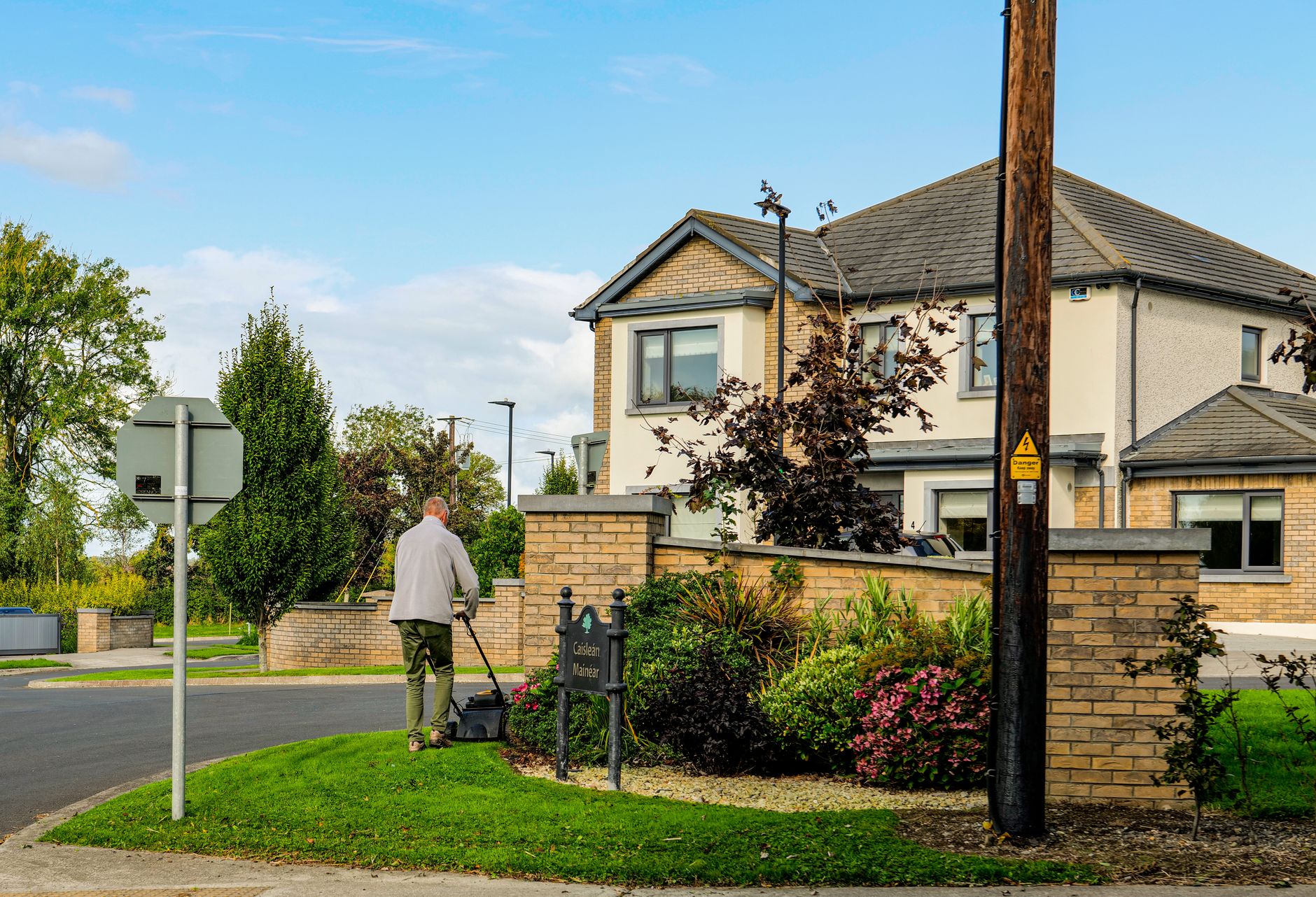
Driveway crossings deserve their own check. One robot-mower guide from Anker says a crossing must be flat, with no high kerb, step or gap that could catch the mower. Walk each crossing after the pass and log any lip, gap or kerb edge so it can be fixed before the next run.
Edges: the boundary wire sets the finish line
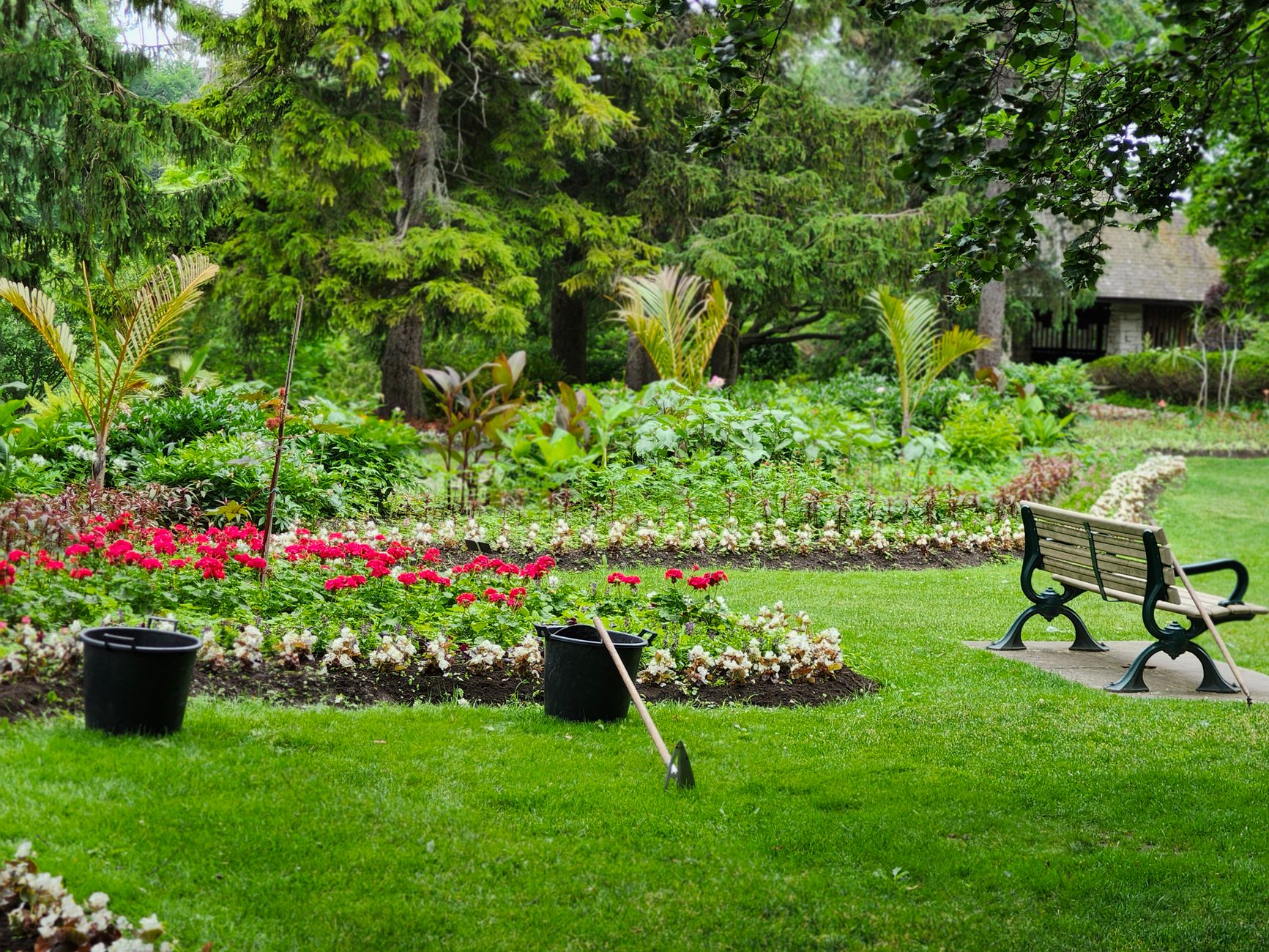
An edge looks finished only when the wire sits where it should. Toom's manual advises keeping wire about 20 to 30 cm from lawn edges and obstacles. Robomow guidance adds that hard, tall obstacles such as trees or bushes need no wire, because the mower detects them and turns away. Soft or low obstacles such as flower beds, fountains and steps should be fenced with wire islands.
Crew hours at the edge go to what the mower cannot reach: the strip between the wire and the bed, the stepped lip at a path, and spots where the wire runs close to a hard surface. When a strip is skipped, treat it as a wire or map question first, and only then reach for a trimmer.
Blowing hard surfaces last, low and at lower power
A landscaper quoted in a Green Industry Pros article uses a blower more on hard surfaces than on leaves. He keeps the nozzle low, blows in one consistent direction, and says flat-head or tapered attachments give a more concentrated stream. Hard surfaces let debris move more easily than lawns, so lower power is the safer setting on pavement.
Direction matters as much as power. The same article advises pushing debris onto a tarp or into piles on the lawn, never into the street, and one firm added a final pass along the curb line on every visit. A statewide bid specification requires clippings to be blown off adjacent hard surfaces right after mowing, so debris is not tracked indoors.
Noise is part of the spec too. Seattle's leaf blower best-practice sheet recommends blowers rated at 65 dBA or below, a useful line for any site near homes. Blow after brooming and vacuuming, not before, because blowing wet grass across a drive only moves it.
Sequencing the crew route so no step undoes the last
Order matters more than speed. Blowing first sends debris back onto surfaces already swept, and trimming before the wire check wastes time on a strip the mower may reach on its next pass. Run the routine in this order, and have the lead sign off each step on the route sheet.
Keep the last step honest. A crew that finishes on the drive but leaves a clogged grate or a fallen branch has not finished the visit. Log drains and obstacles on every visit, even when nothing is wrong, so the lead can see patterns across weeks.
- Check flagged edges and wire first, so a skipped strip is found before the crew moves on.
- Broom dry clippings off walks and entrances with a push broom.
- Vacuum or mechanically sweep wet, matted patches on drives and walks.
- Trim and edge the strips the mower could not reach, working toward the hard surface.
- Blow hard surfaces last, low and in one direction, toward the lawn or onto a tarp.
- Walk the drains, curb cuts and obstacles, and log anything that needs a follow-up.
Drains and obstacles: where the research runs out
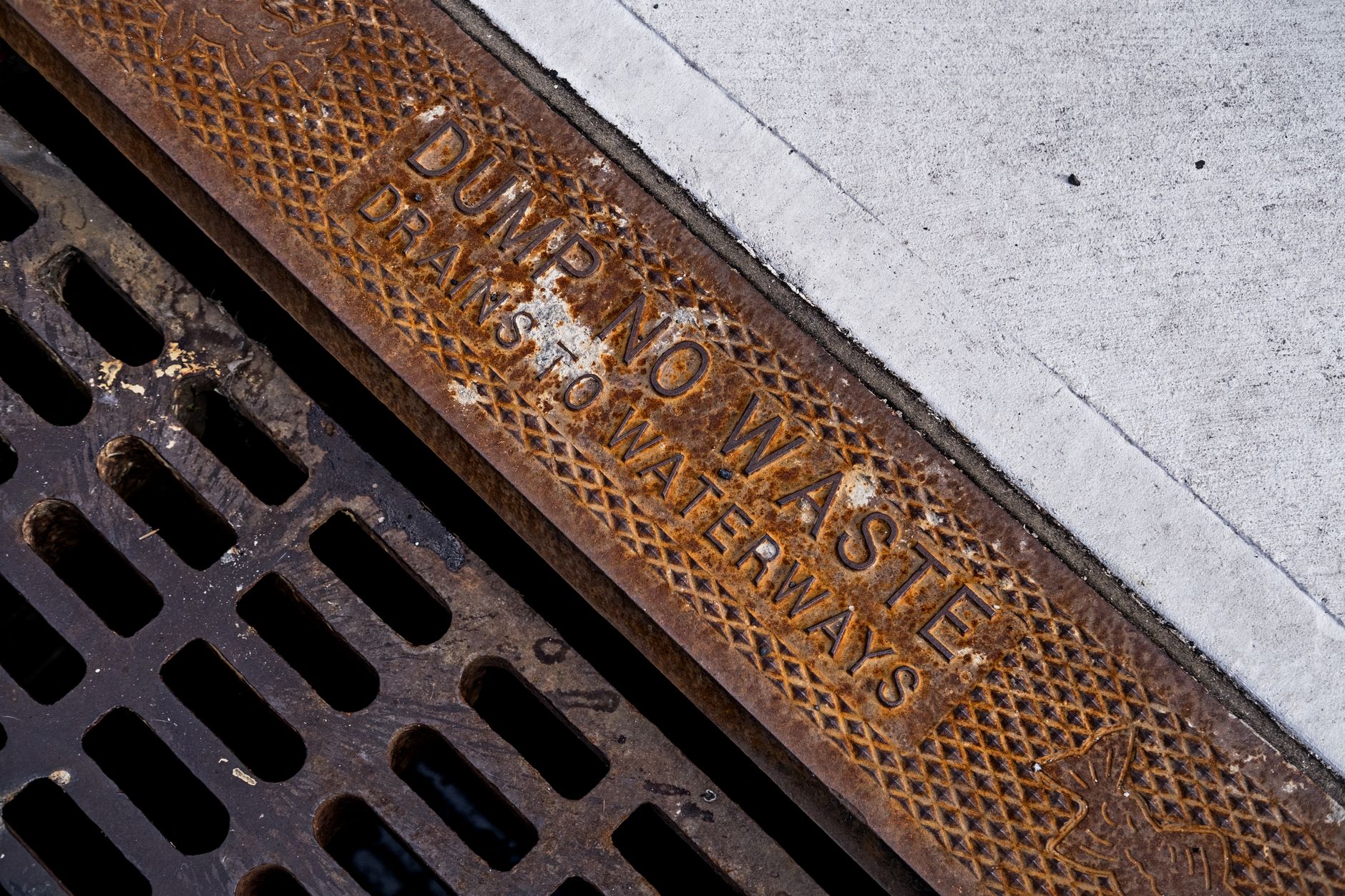
The research behind this routine did not surface a verified drain-inspection procedure for post-mow crews. Treat drain and obstacle checks as your site checklist, not as an industry standard. Confirm grates are clear of clippings before the blower goes through, and check that soft obstacles still sit inside the fence the map expects.
Hoses, bins and delivery pallets are the objects crews move most often, and each move can put a obstacle where the map does not expect it. Note them on the sheet so the next map update reflects the site as it is.
Where a lease and a service plan fit the routine
Service Robot Co. (servicerobotco.com) is an OEM-neutral integrator. We lease robots through financing, on a 3-year lease with one fixed quote after a site assessment, then deploy, train crews and service each unit under RoboCare, our service plan, backed by regional service engineers in every state we service.
The cleanup routine above belongs in that handover. Crew leads learn the wire checks, the blowing order and the drain log before go-live, so the first complaint is not the first lesson.
Frequently asked questions
Want a robot working for you?
Tell us the job and the site. We will recommend the robot, quote the lease, and keep it serviced.
Sources
- FJ Dynamics robotic mower blog
- Journeyman HQ walkway cleanup article
- Anker robot lawn mower driveway crossing guide
- Toom robotic mower manual
- Robomow boundary wire guide
- Green Industry Pros debris management article
- BidNet Direct statewide solicitation abstract
- City of Seattle leaf blower best practices sheet