Key takeaways
- Every crew hour spent on repeat turf or floor work is an hour you cannot bid elsewhere.
- Map hours by task first, since job totals hide the repeat passes that eat your week.
- Vendor surveys point to efficiency and tech spending, but they show direction, not proof for your site.
- Freed hours add contracts only when timing, routing and sales capacity line up.
- Prove the gain in one zone, then decide how many accounts the crew can carry.
What a full crew calendar leaves unsold
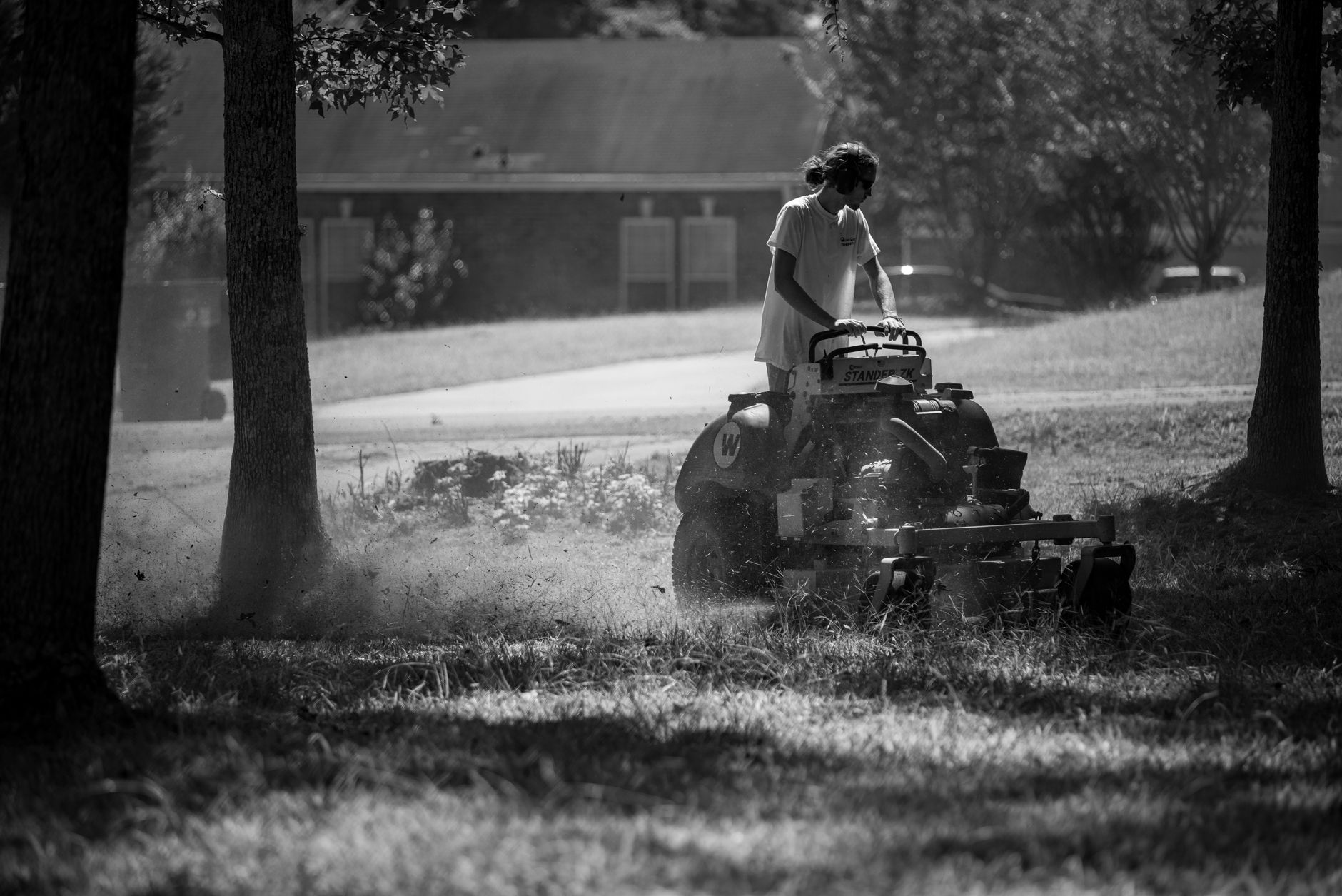
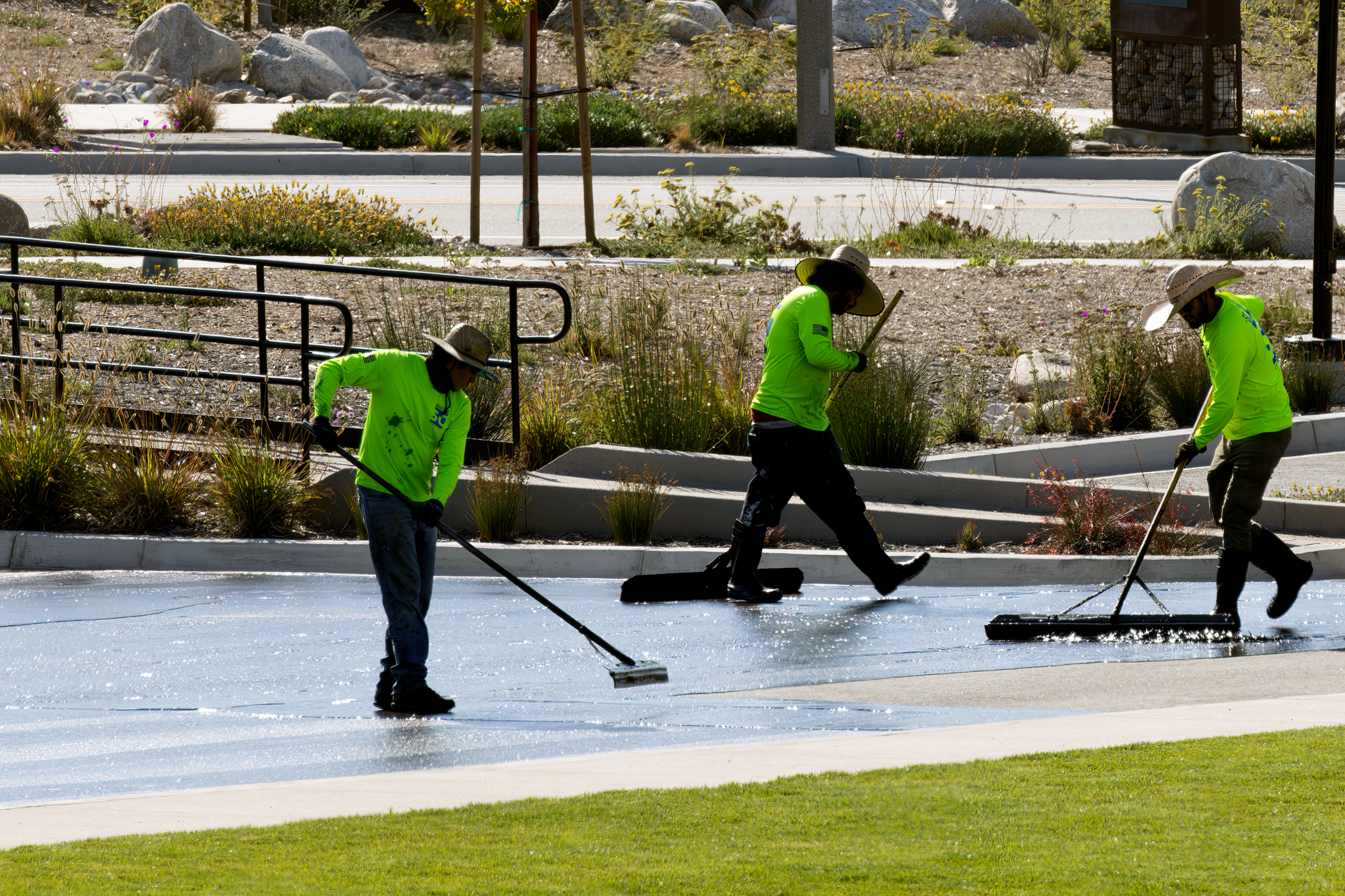
Every crew carries a fixed number of paid hours each week. When a large share of those hours goes to repeat turf or floor passes, the time left for new accounts shrinks, and the gap rarely appears on an invoice. An owner sees billed work, not the bids the crew was too full to chase.
The short answer is that a contractor leaves real contracts on the table when repeat hours crowd out sales walks, site visits and new account setup. Partly automating the repeat work can free hours for that growth, but only if an audit confirms where those hours really sit.
This is an opportunity audit, not a warning about robots. The aim is to find which hours a machine can carry, and what those hours could support if the crew were free to take them.
Map the hours by task before counting contracts

Start with several weeks of time logs sorted by task rather than by job. Job totals hide the repeat passes that eat early mornings and late afternoons, so the logs need to show what the crew did, in categories like these.
Repeat route work is the first candidate for partial automation. Judgment work stays with people. Travel is the hidden cost that no machine removes on its own, so it belongs in the audit beside the rest.
- Repeat route work: the same sweep, scrub or mow on a fixed path
- Setup and teardown between jobs
- Judgment work: diagnosis, inspection, client conversations and bid walks
- Travel between sites
What industry surveys say about crew time
Aspire, a ServiceTitan company, released its 2026 Commercial Landscape Industry Report on October 7, 2025. The survey covered 1,015 commercial landscape contractors, with fieldwork from May 2 to 23, 2025. Its headline names client retention, operational efficiency and smarter tech investments as the focus.
According to the report summaries, 62% of contractors use seven or more software tools for end to end operations, and 29% use ten or more. Every figure here is vendor reported, and Aspire sells software, so read these numbers as direction rather than proof for your territory.
A separate Aspire trends report released April 7, 2026 says 47% of contractors rank margin improvement as a top priority, and 46% of contractors with software struggle with scheduling. For an owner weighing how many accounts a crew can carry, scheduling is the pressure point. Hours you cannot schedule are hours you cannot sell.
Where cleaning robots sit in the growth picture
According to IFR's World Robotics 2025 data, covering 2024, the professional cleaning segment was the third largest professional service robot application, with more than 25,000 units sold, up 34%, mainly floor cleaning. That was the highest growth of any category that year.
IFR's World Robotics 2026 summary reports that global professional service robot shipments rose 24% to almost 250,000 units in 2025, and that professional cleaning ranked among the top five application groups. This article does not cite a 2025 cleaning unit count, because none appeared in the material reviewed.
IFR's figures come from a sample of 238 suppliers, not whole-market projections, and the sample changes each year. Treat the trend as a sign that demand for floor care robots is growing, not as a forecast for your own floors.

How freed hours turn into new contracts
Freed hours add contracts only when three things line up. The freed time must fall when the crew can use it, the crew must be routed toward new accounts, and someone must be selling the capacity. A pass finished before dawn adds nothing if the crew does not reach the next site until mid morning.
Three uses follow from a good audit. Crews can take walk throughs and bid visits for new sites, add service depth to existing clients with a midday refresh, or reduce overtime. Margin is a stated priority for many owners in Aspire's April 2026 figures, so overtime relief may matter most.
Prove the gain in one zone before adding accounts
A single zone is the cheapest test. Pick one repeat route at one site, log crew hours and machine run hours over a set period, and record missed passes and rework. Compare the crew's open time that week against the same period before the test.
Keep the test honest by changing one thing at a time. If a new account is added in the same month, the hours gained become hard to attribute, and the audit loses its value. Let the zone run its course before deciding on more accounts.
Where a lease fits the capacity plan
Service Robot Co. is an OEM neutral commercial robot integrator. We select robots across manufacturers, then arrange a three year lease with one fixed payment quoted after a site assessment. We deploy, integrate, train and service each unit through a nationwide US engineer network, so one partner covers the whole lifecycle.
Commercial robot leasing works best after the audit, not before it. A site assessment shows which zones hold the repeat hours, and a lease quote can then be set against logged crew time instead of an estimate. That keeps the fixed robot lease payment tied to the capacity it is meant to free.
What to check before committing more hours
Before adding accounts against freed hours, check three things in writing.
A clear answer to each question protects the crew's calendar. Without one, a robot can add activity without adding sellable capacity, and that is the gap this audit is meant to close.
- Schedule fit: do the freed hours land in the windows new clients need?
- Coverage: which route stops if a unit is down, and who covers it that day?
- Records: do the logs show hours saved per zone, not only machine run time?
Frequently asked questions
Want a robot working for you?
Tell us the job and the site. We will recommend the robot, quote the lease, and keep it serviced.