Key takeaways
- An empty night shift rarely shows on a budget, yet the floor, restroom and patrol work it drops still costs you.
- Count open overnight hours and the specific tasks they block before weighing any option.
- Price each blocked task with your own hourly cost, then add the recovery work that follows.
- A lease quote only means something after a site assessment has mapped the floors and traffic.
- Review the count each quarter so the decision tracks your real open hours, not a single bad week.
Why an empty night shift costs money without an invoice
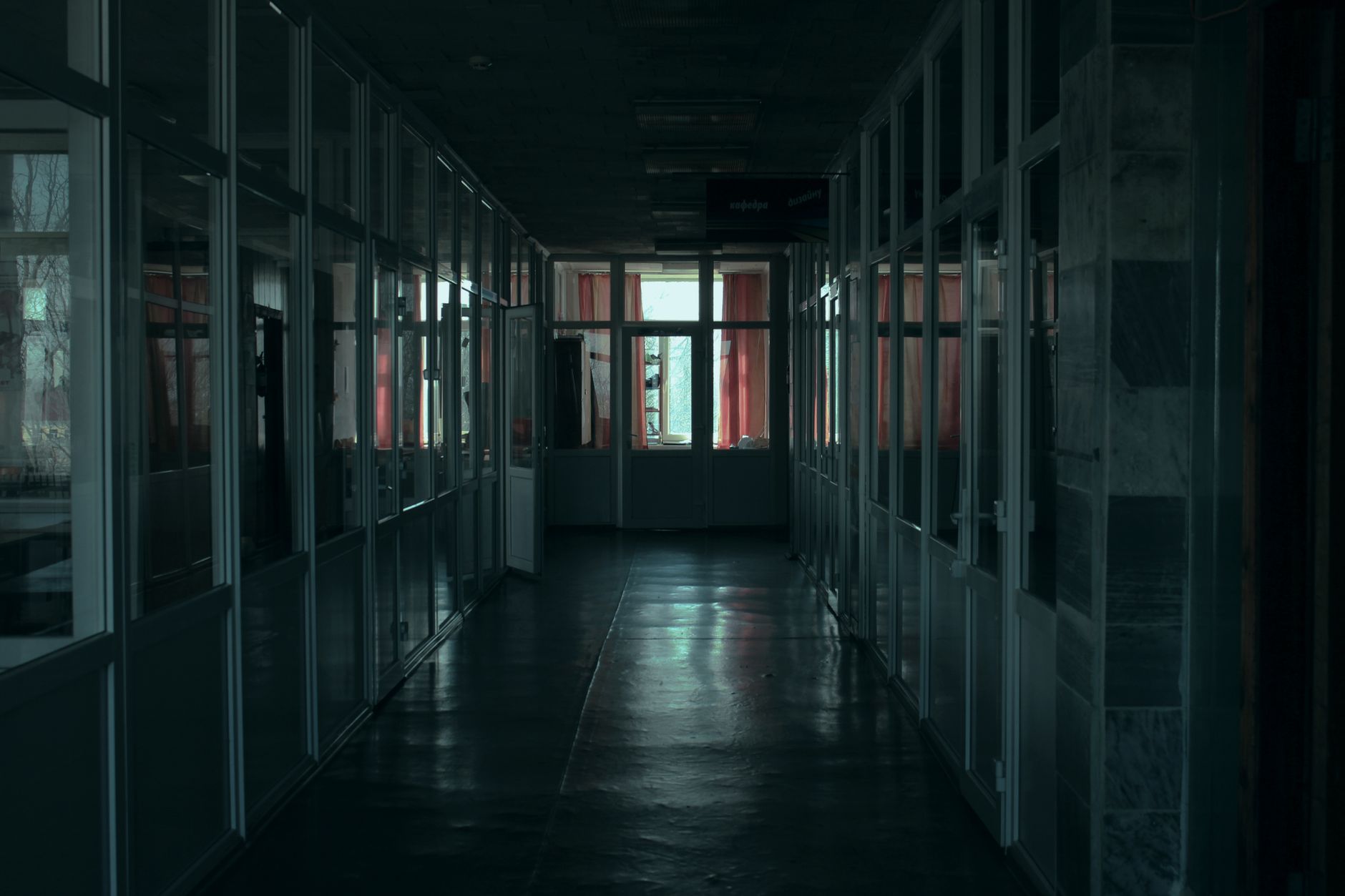
An open overnight shift almost never shows up as a line item. No one bills you for the lobby floor that stayed dirty, the restroom nobody checked at 2 a.m., or the patrol that was skipped because the only person on duty was covering a second wing. The cost appears later, in complaints, in a day crew that spends its first hour catching up, and in the slow erosion of a building that looks tired by mid morning.
The short answer is this: an empty overnight shift costs you the value of the work it fails to do, plus whatever it takes to recover that work. Both parts can be measured. You count the open hours, name the tasks they block, and attach a cost to each one. Only then does a fixed lease quote mean anything to your budget.
How do you count open overnight hours?
Start with the schedule you already have. For a recent stretch of eight weeks, compare each night's planned coverage against the hours actually worked. The gap is your open time. Keep sick calls separate from vacancies, because they behave differently: a sick call is a one night event, while a vacancy can run for a long stretch.
Log each gap the same way every time so the numbers can be compared from week to week. A simple sheet with four columns is enough to start.
- Date and planned shift start
- Unfilled hours, measured to the quarter hour
- Cause: vacancy, sick call, resignation or no show
- Tasks due during the gap that were not completed
Which overnight tasks do empty hours block?
Most facilities carry a short list of recurring work that only the night crew can do cleanly: scrubbing corridors before the morning rush, sweeping loading aprons, checking restrooms on a fixed round, and emptying bins before tenants arrive. When the crew is short, these are the tasks that slip, and they slip in a predictable order. Floors go first, then restrooms, then the patrol round.
Labor is the easiest place to price this work. According to the Bureau of Labor Statistics Occupational Outlook Handbook, the 2024 median pay for janitors and building cleaners was $35,930 a year, or $17.27 an hour. The same handbook projects employment in that group to grow 2% from 2024 to 2034, slower than the average for all occupations, so a vacancy may stay open longer than you expect.
Treat the median as a reference point, not your rate. Your true hourly cost includes the wage you actually pay, payroll taxes, benefits, supervision and the turnover you absorb. None of that appears in the handbook figure.

How do you put a cost on each blocked task?
Work from the hours in your log. For each blocked task, multiply the hours it needed by the fully loaded hourly cost of the person who would normally do it, or by the cost of a replacement if you bring in agency labor. That gives the direct labor value of the missed work. Keep it separate from the recovery cost, which is what it takes to catch up.
Recovery costs are where open shifts hide the most money. Look for day crew overtime, a second pass by a supervisor, complaint handling, and any missed inspection that forced rework. Each one is a real line on a timesheet or a ticket log, even if nobody tagged it to the empty shift.
Add the two parts, then divide by the number of open nights. The result is a cost per open night you can set against a lease quote, and it is built from your own records rather than a guess.
What should a site assessment check before a quote?
A quote is only as good as the map behind it. During a site assessment we look at the overnight route, the surfaces, and the traffic that arrives before the morning crew does. We also confirm which tasks the robot should take on and which stay with people, such as restocking or anything that needs a judgment call.
The result is a scope you can check against your open hour log. If a task in your count is not in the scope, the quote will not close that gap, and you should know that before you sign anything.
How does that cost compare with a fixed robot lease?
Once you have a cost per open night, the comparison is simple arithmetic against a three year lease. The only quote worth testing is one built on your actual floor, so the comparison starts with a site assessment, not a catalog price.
Service Robot Co. leases robots only, through financing on a three year lease, and provides one fixed lease quote after the site assessment. Because we are OEM neutral, we match the robot to the task, whether that is floor scrubbing, transport or patrol, rather than to a single manufacturer's catalog. Our nationwide US engineer network deploys, trains and services each unit, so the open hours you counted do not depend on one local technician.
Compare the quote with your cost per open night over the full lease term, not a single week. A quote that covers the floors you actually lose, across the nights you actually lose them, is the one to test against your count.
What does the industry data say about demand?
The International Federation of Robotics (IFR) reports that professional cleaning robots ranked third among professional service robot categories in 2024, with sales up 34% to more than 25,000 units, mostly for floor cleaning. The figures are vendor association reported, so read them as a direction of travel rather than a census.
IFR's 2025 release reports that professional service robot shipments rose 24% to almost 250,000 units. That release does not break out cleaning robots, so the cleaning figure you can cite today is still the 2024 number. The IFR's 2024 report also cited staff shortages as a key reason companies adopt professional service robots.
Where the count stops being reliable
We could not find a verified public figure for the cost of an unfilled overnight shift, so that number has to come from your own log. Published shift differential surveys are dated and differ by source, so do not use a generic premium as a stand in for your payroll.
Review the count each quarter. If open night hours fall, the robot case weakens; if they keep appearing, the case strengthens. Either way, the decision rests on your floors, your hours and your quote, and a count taken once is a snapshot, not a trend.
Frequently asked questions
Want a robot working for you?
Tell us the job and the site. We will recommend the robot, quote the lease, and keep it serviced.