
Key takeaways
- Crew leads are harder to find and keep than field workers: 59% of contractors say so for leads, against 42% for field workers.
- A missing lead can idle a route even when every crew member shows up.
- A robot mower moves the lead's job from driving the machine to supervising it.
- Name a lead and a trained backup for every property before you add routes.
- Start with one leased unit where the bench is thinnest, then measure how often a lead must step in.
Why crew leads are the harder hire
Crew leads are harder to find and keep than field workers, and the gap is wider than most operators expect. A Green Industry Pros article on the green industry jobs gap reports that 42% of contractors say field workers are harder to find and keep, while 59% say the same about crew leaders. That 17 percentage point difference points straight at the person who holds a crew together.
A field worker can learn a trimmer, a blower or a sprayer on the job. A crew lead has to know the property, read the client, catch a bad irrigation head before it floods a fairway and make the call when a route falls behind. Fewer people can do that well, so fewer people apply.
For a company running several properties, scarcity turns into a scheduling problem. One missing lead can leave a whole site without direction, even when every crew member clocks in.
How much of the gap the survey really shows
The same article reports that more than half of responding landscape contractors plan to hire additional field workers and crew leaders over the next two years. Hiring plans and retention trouble can sit side by side, and that combination is what makes the lead role so contested.
Read the figures with care. The copy we checked does not show a publication date, so confirm the year on the original page before quoting it. The survey also measures what contractors say about their own hiring, not how many lead seats sit empty today. A 59% answer tells you where the pressure sits, not how many openings a region holds.
Not everyone reads the market the same way. An early 2025 Landscape Management expert piece argues that the labor market has normalized and that employers of choice can stay fully staffed. A 2025 Green Industry Pros report, Staying Rooted, names labor as the most pressing concern for 29% of respondents, according to its summary. Both views can hold: the best employers keep their leads, and the rest keep searching.
LMN's 2022 State of the Industry ranked hiring, training and retaining staff as the top challenge, so the concern predates this survey.
Why leads are harder to keep than crew members
A lead carries the duties nobody else on the crew wants. They approve the day's route, answer the client when a lawn looks wrong, sign off equipment checks and take the first call when something breaks before dawn.
Those duties bring accountability without always bringing authority or a clear step up in pay. When a skilled hand can earn a similar check doing the work without the phone calls, the lead role looks like a risk rather than a promotion. Pay alone rarely closes that gap. Clear authority, a defined path and steady hours matter just as much.
Burnout compounds it. A lead who covers a missing crew member for two weeks of double shifts is one resignation away from walking out, and the crew loses the person who knew every irrigation valve on the property.
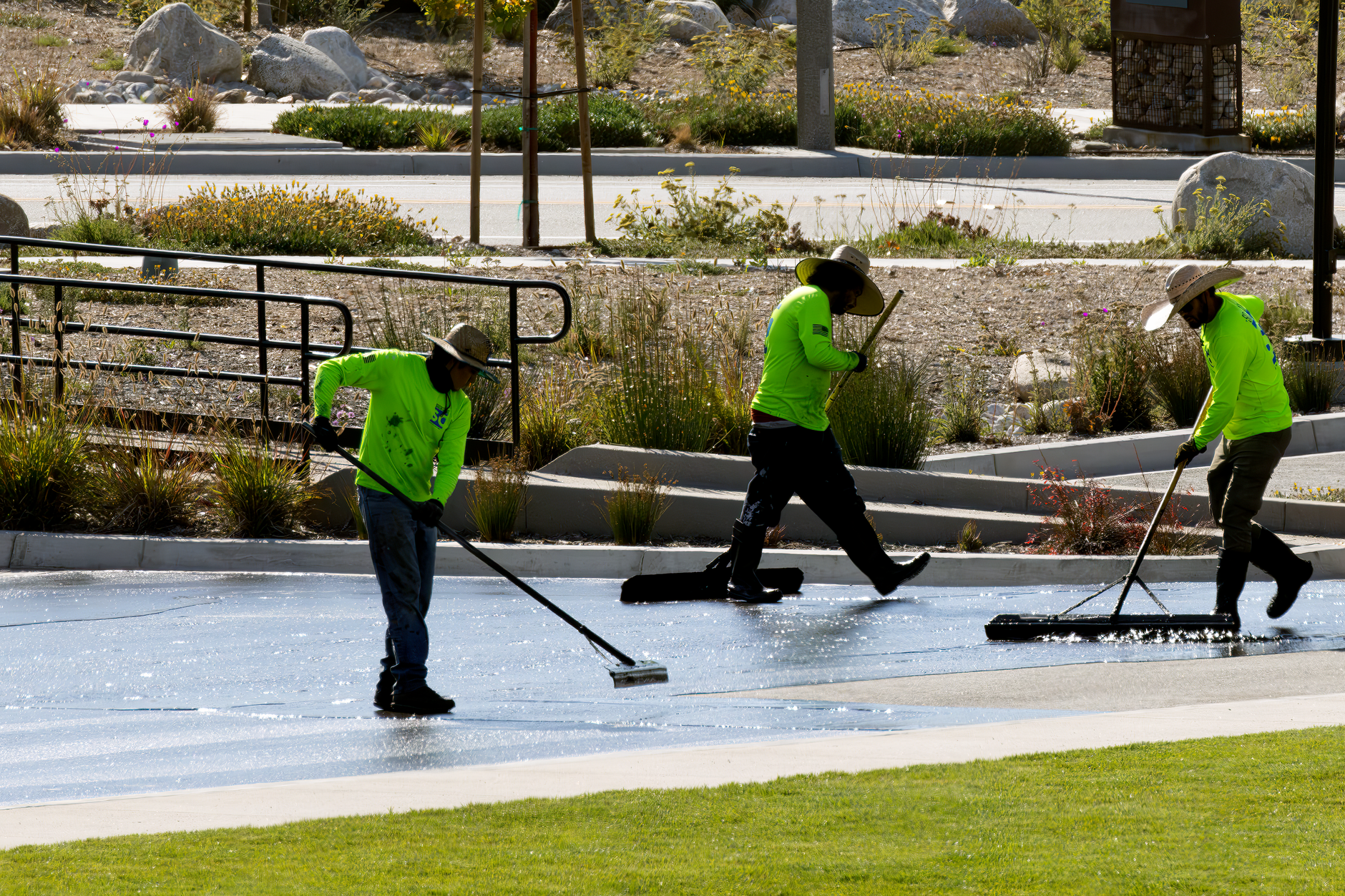
What a missing lead does to a route or a robot mower
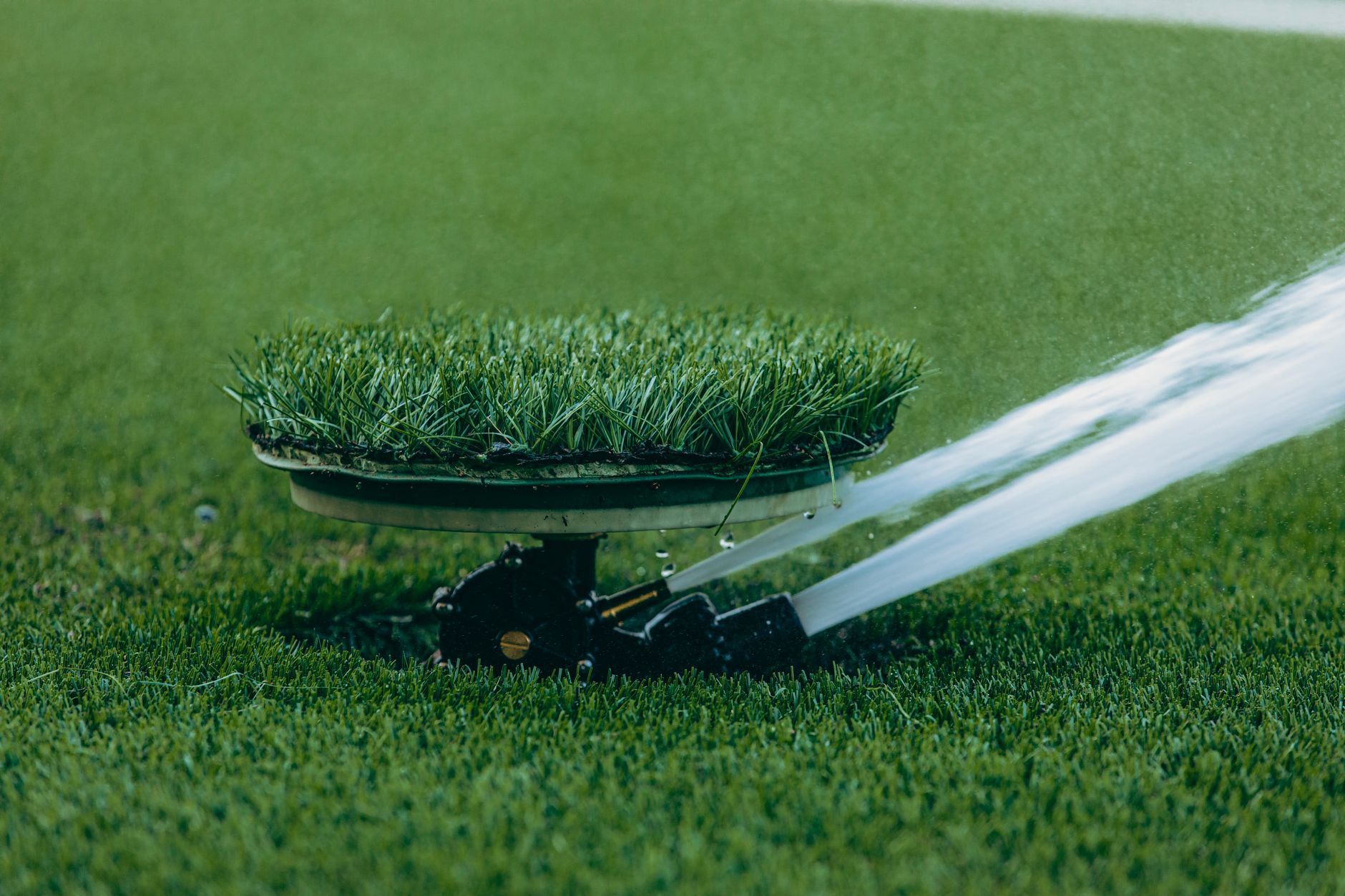
A robot mower does not remove the need for a lead. It shifts the lead's attention from pushing a machine to supervising it, along with the people and hazards around it. On a mowing route, a lead handles a short set of repeat jobs:
A missing lead leaves the robot running on a valid map, but nobody decides what happens when it stops in an odd spot. A stop left unanswered for a day costs cut quality and client trust. The lead also spots a sinking sprinkler head or a new hazard before the machine does.
- Run the start check on sensors, blade condition and the boundary or map status before the mower leaves the dock.
- Clear hoses, toys, stakes and stray equipment from the zone before each pass.
- Read alerts and the run log, then decide whether a stopped unit needs a site visit or a remote fix.
- Move crew hands to edging, trimming and bed work so they stay out of the mower's path.
- Record client requests so the next pass respects them.
How to plan lead coverage across several properties
Start with a site list, not a headcount. For each property write the named lead, the trained backup, the hours the lead must be on site and the tasks that need a human decision. A property without a named lead has no real route, however many workers appear on the schedule.
Next, sort the properties into two groups. A short route close to the yard can share a lead. A large campus with a robot mower and events on the calendar usually needs its own. Count travel time between sites as well, since a lead who spends the morning driving has less time to supervise.
Then pair every lead with a backup who has walked each property at least once. Backups need training on the start check, the alert screen and the escalation path, not only the crew's work list.
Review the plan every quarter against open roles, turnover and property changes. A plan written in spring rarely survives a summer of resignations.
Building a backup bench and remote support before you need it
A bench is the group of people trained to step up. Pick two candidates per property, rotate them through a few supervised days on the robot's screen and write the steps in plain language a new lead can follow before dawn.
Cross training protects the crew too. When a lead is out sick, a trained backup keeps the schedule and the client calls moving, and the crew does not lose a day to confusion.
Support matters as much as people. Service Robot Co. delivers this through RoboCare, our service plan. Remote triage comes first, on site dispatch follows when a fault needs hands, regional service engineers cover every state we service, and emergency response runs nationwide. One partner and one number means your lead is not juggling several vendors while a mower sits idle.

Where a robot lease fits in the coverage plan
Service Robot Co. is a full service commercial robot integrator for US businesses. We select robots across manufacturers, offer commercial robot leasing through financing, deploy and integrate each unit, train the staff and service every unit under RoboCare. Our offer is a lease only, on a three year term, with one fixed robot lease payment quoted after a site assessment.
A lease is not a lead, but it can reduce how many routes depend on a single person. A sensible start is one leased unit on the property with the thinnest bench. Use the first months to measure how often a lead must step in, then decide whether a backup robot program or spare unit coverage is worth extending to the rest of the portfolio.
The site assessment comes before the quote, so the number reflects your actual lawns, not a guess. Keep the lead in the plan from day one. The machine handles repeat passes, while a trusted person still decides what the grass needs today.
Frequently asked questions
Want a robot working for you?
Tell us the job and the site. We will recommend the robot, quote the lease, and keep it serviced.