
Key takeaways
- Dawn fairway loops overlap peak wildlife movement.
- Buffer zones near ponds and tree lines reduce false stops and risk.
- Marshals and maintenance share one wildlife hold script.
- After a sighting, log the hole before re-enabling the loop.
- Service Robot Co. maps wildlife corridors during deployment.
Why do wildlife crossings matter for fairway robots?
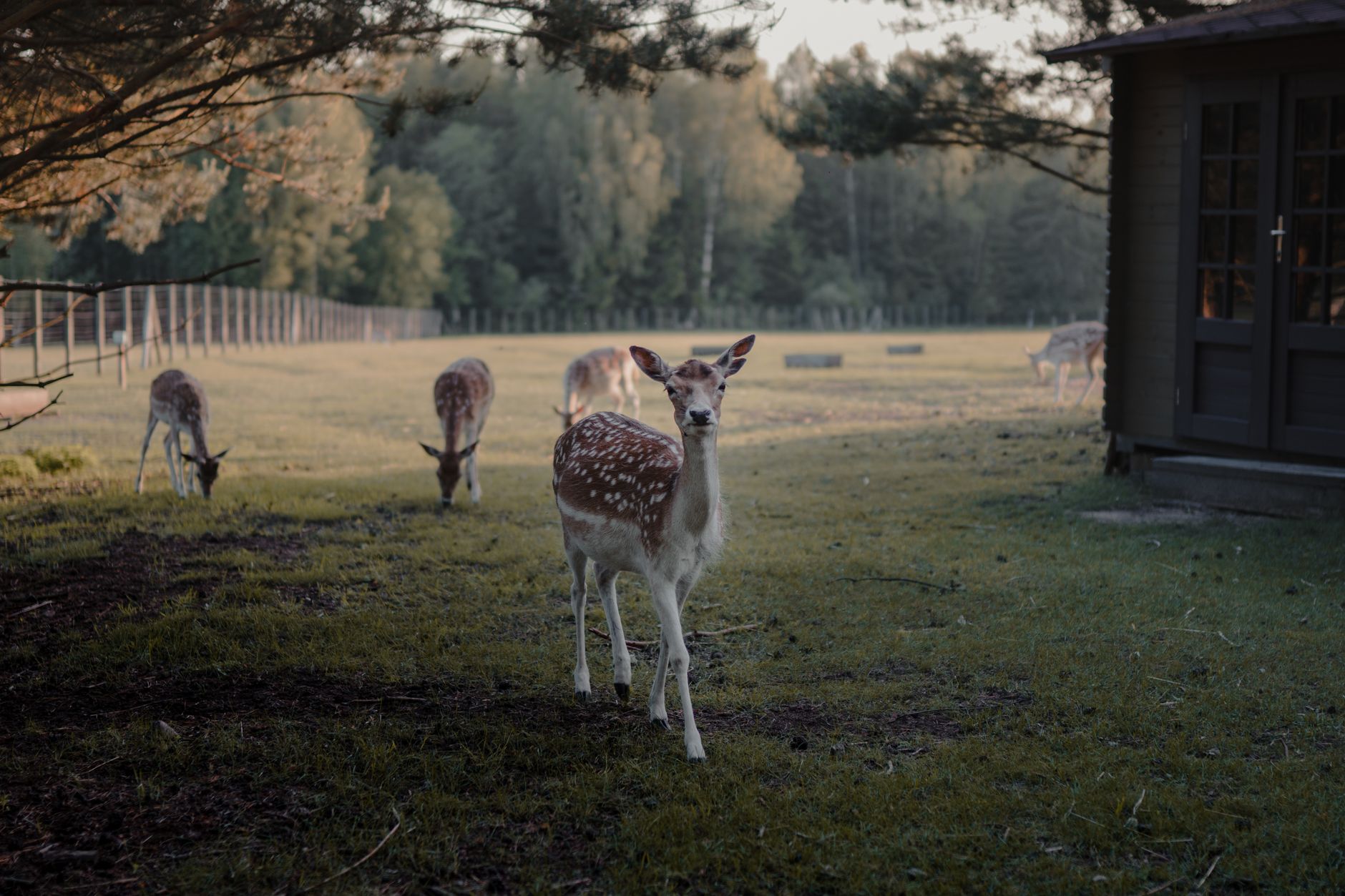
Autonomous fairway mowers run when the course is quiet, which is also when deer, geese, and other animals use open turf as travel corridors. A robot that treats wildlife like a temporary obstacle can stop safely, but repeated encounters on the same hole waste the night window and tempt operators to override safety settings.
The goal is not to scare animals off fairways. It is to keep robots out of predictable crossing times and places while still finishing grooming on open panels. Superintendents who ignore wildlife patterns often get a string of pause codes on holes three and eleven every October.
Document crossings the way you document drainage low spots. Photos at dawn beat guessing from memory when you configure holds next season.
Where do crossings cluster on most courses?
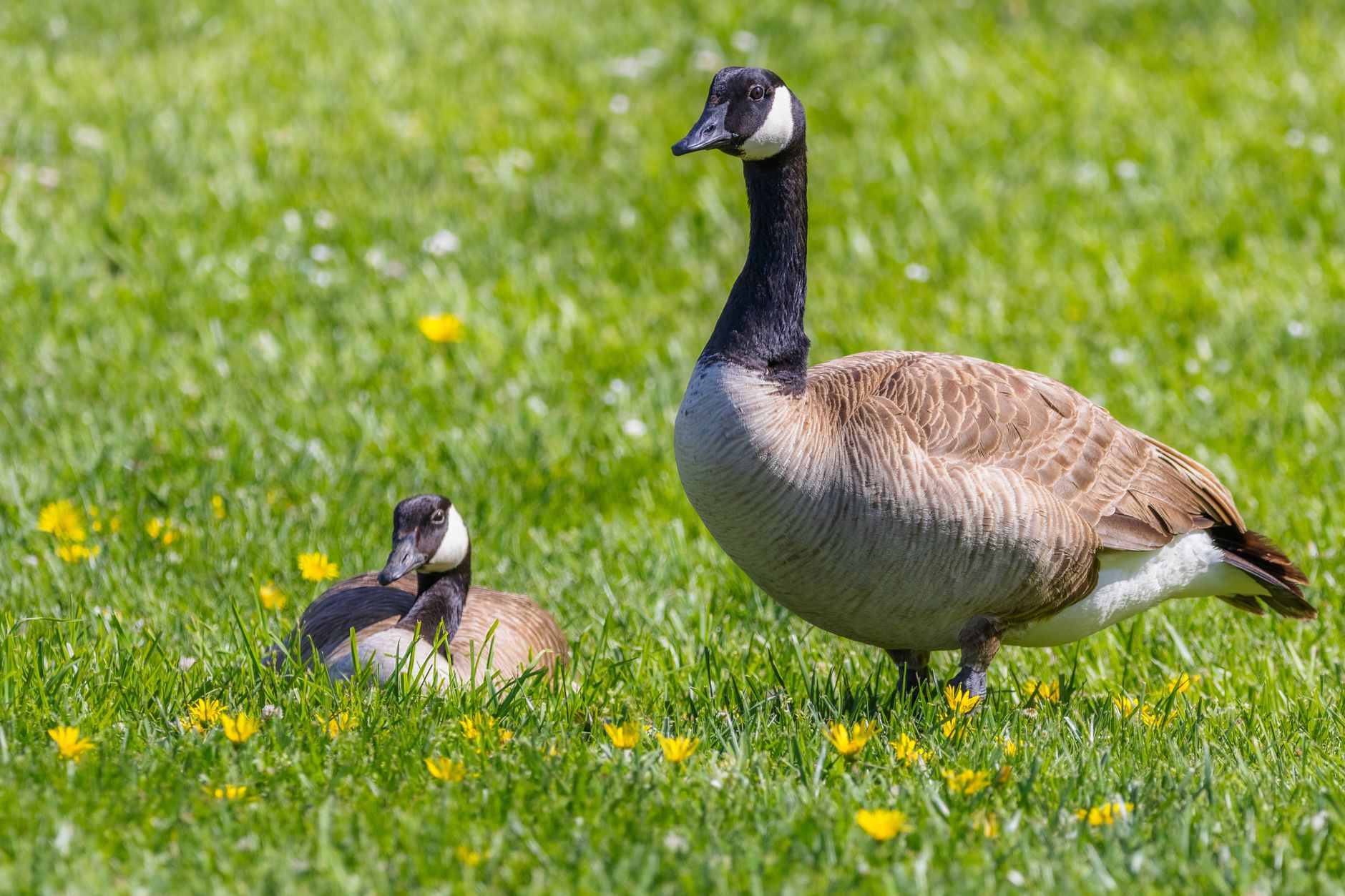
Tree lines that funnel into fairways, pond fingers, and bridges between holes attract deer at first light. Geese graze short turf near water and leave quickly when carts appear, but robots approach quietly and can surprise a flock mid-crossing.
Wooded rough transitions are less visible on a map than open fairway centers. Mark those connectors as slow-speed or human-only if your model cannot reliably detect tall animals.
Share the cluster map with the pro shop during migration weeks so starters know why a fairway may look taller until mid-morning.
How should dawn scheduling change for wildlife season?
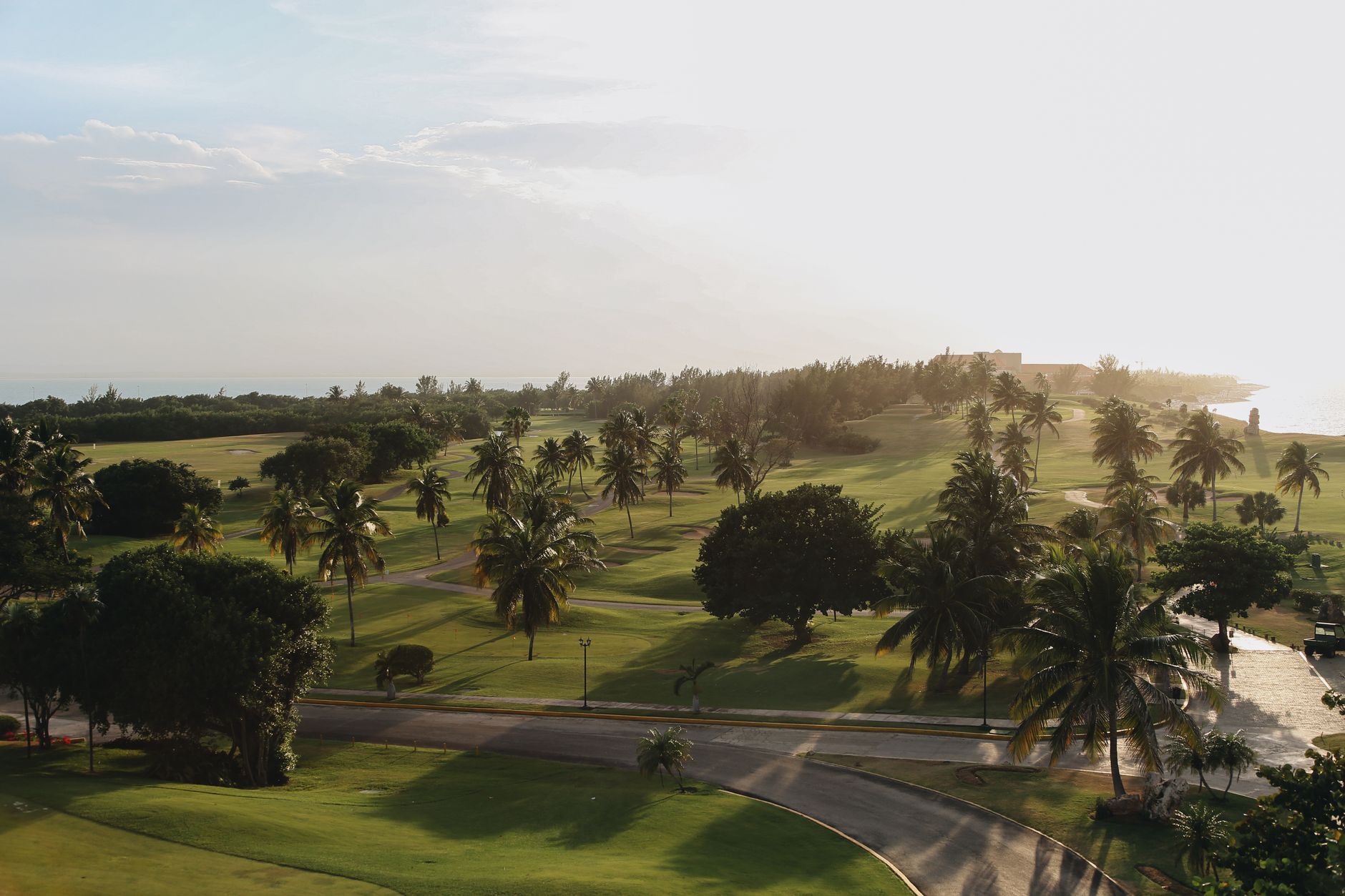
Shift start times on affected nines so robots finish open centers before the heaviest crossing window, or hold entire loops until marshals clear sightings.
Some clubs run robots on the back nine first while deer move across the front. Pick a pattern and keep it for the season so reliefs do not revert to a summer template.
Avoid stacking wildlife holds with aerification or tournament prep without updating the calendar. Double holds compress labor elsewhere.
What pause buffers belong on the map?
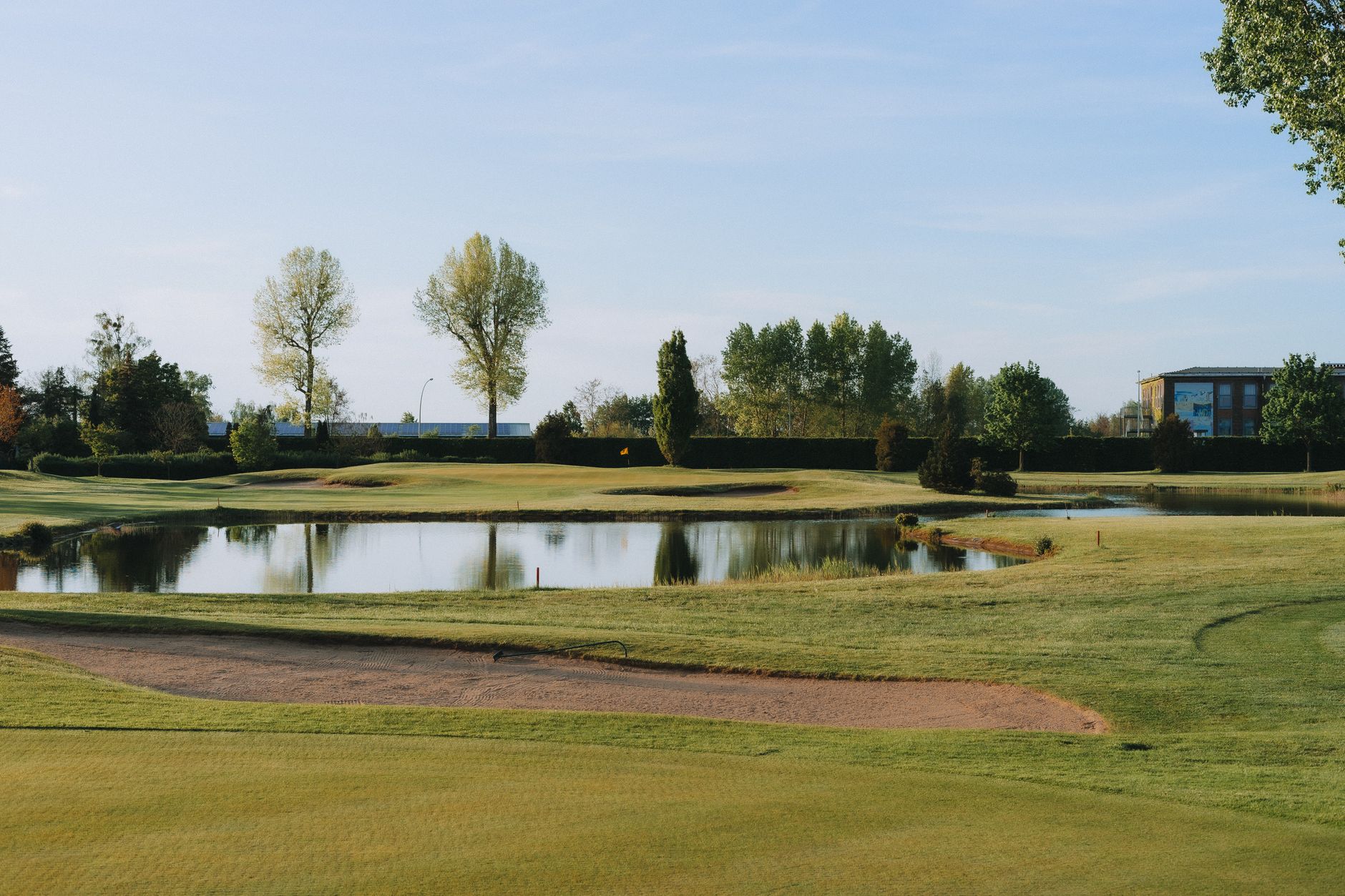
Draw buffers wide enough that a deer standing in rough does not block the entire fairway loop. Narrow buffers cause edge-hugging behavior that players notice as striping.
Near ponds, include approach collars if geese use them as launch paths. A robot that cuts tight to water at dawn will meet flocks more often.
Export buffer edits for weekend staff. Tournament weeks need the wildlife layer visible so nobody re-enables a fast summer loop.
- Mark pond and bridge connectors
- Set slow speeds on tree-line panels
- Hold loops after confirmed sightings
- Log pause codes by hole and time
How do sensors behave around animals?
Lidar and cameras may classify a deer as a large obstacle and stop correctly, then sit until the animal moves. That is safe but costly on a tight schedule.
Tall grass at the edge can hide legs until the animal steps onto mowed turf. Trim sight lines where policy allows without widening play corridors.
After firmware updates, re-walk wildlife holes once. Detection tuning sometimes shifts with seasonal lighting.
What should marshals and maintenance say after a sighting?
Use one line: robots stay on hold on that hole until maintenance clears the corridor. Starters repeat it when players ask about uneven turf near a pond.
Radio a sighting with hole number and direction of travel. Maintenance logs it before re-enabling zones.
Never chase wildlife with a robot to clear a path. Hold the loop and let the animal leave on its own.
When can passes resume after wildlife activity?
Re-enable hole by hole after visual confirmation and a slow transit test without players present. Geese may return within minutes, so some clubs keep dawn holds all migration week.
Note reopen times in the maintenance record. Next year’s template should copy those windows.
If a predator or injured animal is involved, follow local wildlife guidance before any autonomous move.
How does an integrator help before migration season?
Service Robot Co. is OEM-neutral on autonomous fairway mowers. We finance buy or lease options, map fairways and wildlife buffers, train your watch lead, and service units under RoboCare with regional engineers in every state we cover.
Import dawn holds and buffer zones during deployment so default migration settings exist before the first heavy crossing week. After the season, review pause logs with your superintendent to widen buffers only where data supports it.
Bring wildlife maps to your spring planning meeting with the greens committee.


