Key takeaways
- Starship says it is leaving U.S. campuses, with campus service running through the 2026 to 2027 school year.
- Most mail run delays happen at transitions such as doors, lobbies and elevator calls, not in open corridors.
- Elevator access depends on the building's controls, so confirm an integration path before promising service across floors.
- Vendor-reported elevator results show what is possible, not what your buildings will allow.
- Set stop rules and a single point of contact before the first campus run.
What must a campus mail robot handle?
A campus mail robot has to do more than cross a quad. On a typical run it leaves a mail room, moves through corridors and lobbies, passes doors, rides an elevator in any building above ground level, and reaches a drop point where someone signs for the envelope or box.
Routes usually stall at the transitions, not in the open hallways. A robot can travel a long corridor without trouble and still lose its run at a door it cannot open or an elevator it cannot call. The real pilot question is which transitions the robot can complete without a staffer standing by.
Why are campus delivery programs shifting?
Campus delivery is in flux. In a June 2026 release, Starship Technologies said it is shifting focus to retail grocery chains and hot food delivery in cities, and that it will keep campus service running through the 2026 to 2027 school year. Food Service Director reports that more than 1,200 campus robots are being reassigned to grocery and restaurant work in the U.S. and Europe.
Missouri S&T's campus post dated June 24, 2026 says its robot delivery service has ended. For a mail operation, the lesson is simple. A campus pilot should not depend on one vendor's campus program staying in place for the life of a contract.
Where do campus mail routes stall?
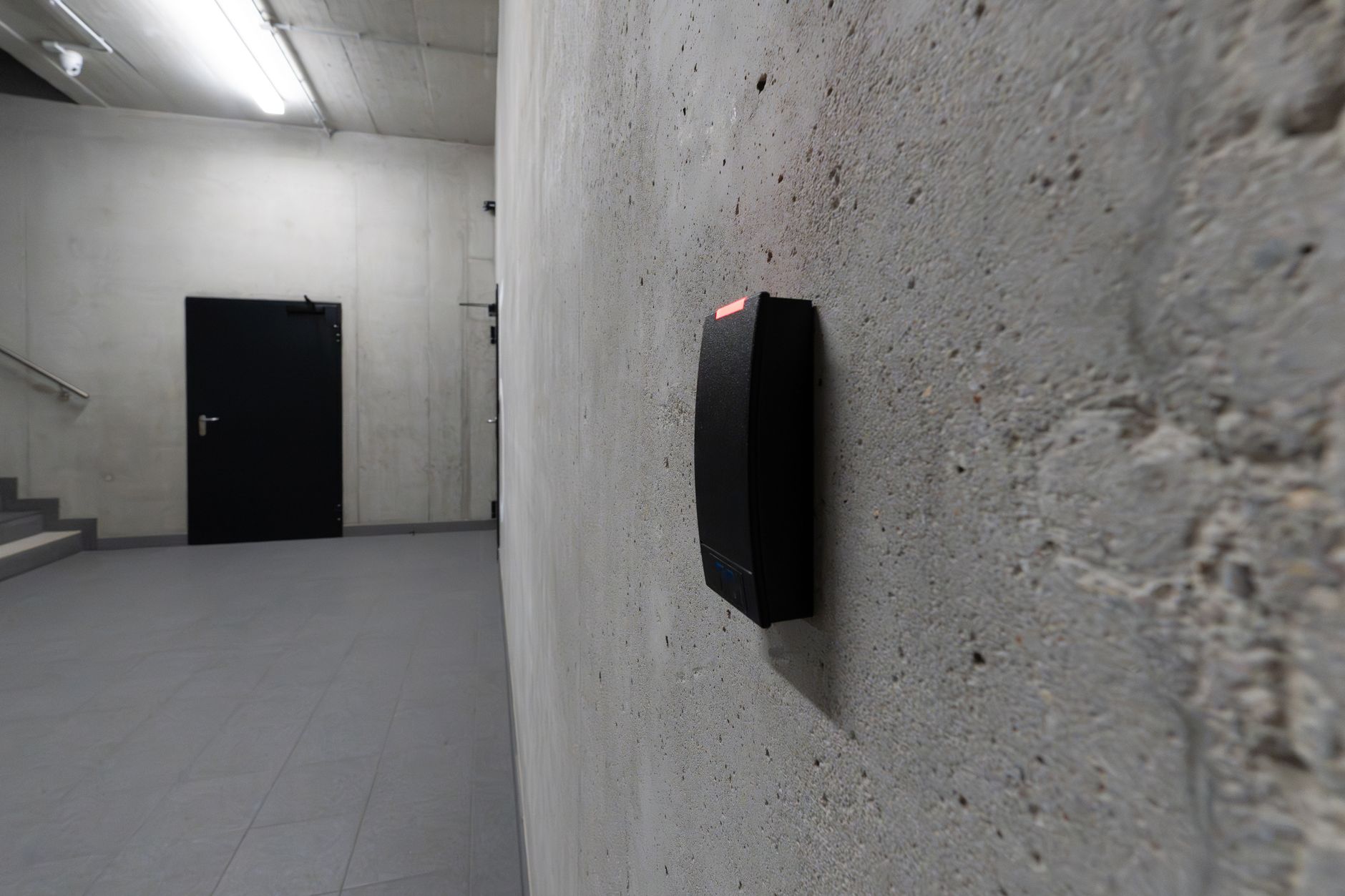
Public reports say far less about doors than about elevators, so door access belongs on the site survey list from day one. Each time a route moves between buildings, it passes a door, a card reader or a lobby gate. Each one needs an access plan and a person who can clear a jam.
Campus launches also show how scope gets narrowed. According to Campus ID News, Gonzaga's Kiwibot food program did not yet enter buildings or elevators at launch. A pilot that runs outdoors and stops at a building entrance has not proved indoor mail delivery, and the report should say so plainly.
How do robots get into elevators?
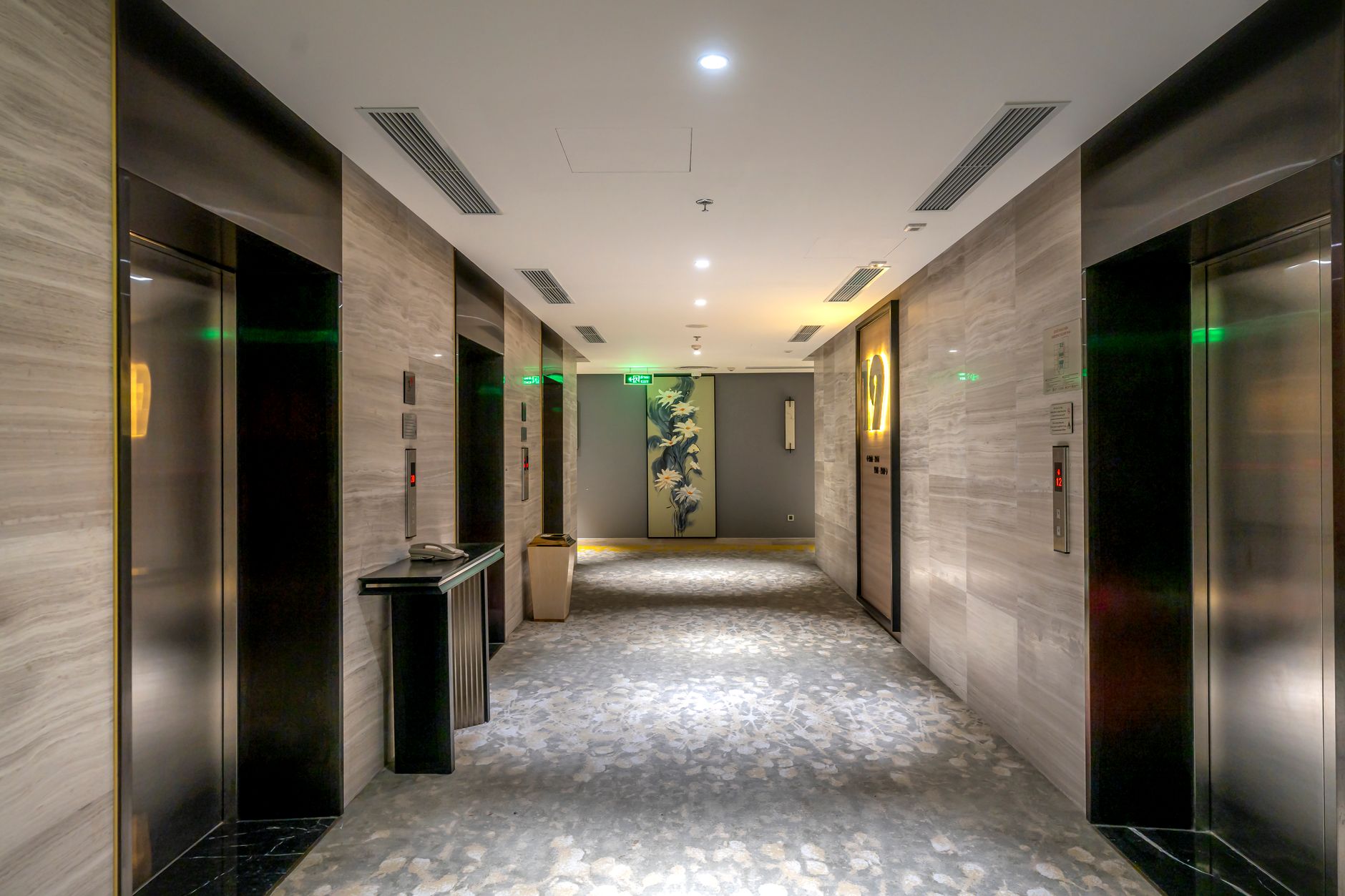
Elevator access is the hardest promise to make, and it depends on who controls the cars. Otis describes its Integrated Dispatch on its product page, checked in November 2026, as an API designed to integrate with most autonomous service robots, connecting through the cloud or a local link. Schindler's robot service connection API links robots to its elevators, and Rice Robotics has integrated with Schindler's PORT system at K11 Atelier and at Science Park Buildings 17W and 19W.
Vendor results are real but narrow. Pudu Robotics tested its FlashBot with Nippon Otis elevators in Japan, and the robot rode between floors without human interaction. That is a vendor-reported result, and it does not tell you how a building in another city will respond.
An Aalto University thesis compares three ways to connect robots and elevators: PLC, IO card and API. It concludes that the best approach depends on the environment. No peer reviewed study of API based robot and elevator integration turned up in our review, so treat each method as an option to verify on site, not settled practice.
What limits should you plan for before a pilot?
Write the limits down before anyone signs a route plan. Five of them decide most campus mail pilots.
- Elevator control: confirm whether the building offers an integration path, and who must approve it.
- Door access: confirm which doors the robot can pass through, and who clears a jam when it cannot.
- Lobby traffic: note peak hours and whether the robot yields cleanly in a crowded lobby.
- Outage behavior: decide what happens when a car or door is offline, and where the robot waits.
- Vendor continuity: confirm the vendor's commitment to your campus, given the Starship exit.
Where does a site assessment fit?
Service Robot Co. is an OEM neutral commercial robot integrator for US businesses. We pick the right robots across manufacturers, then finance, deploy, integrate, train and service every unit through a nationwide US engineer network. For a campus mail job, the first step is a site assessment that maps buildings, doors, elevator controls and drop points before any robot is chosen.
We lease robots only, on a three year lease with one fixed lease quote after that site assessment. Starting with one leased unit on one route gives a campus team a bounded pilot. A route that fails on its first elevator is a smaller lesson than one that fails across the whole campus.
Frequently asked questions
Want a robot working for you?
Tell us the job and the site. We will recommend the robot, quote the lease, and keep it serviced.
Sources
- Starship Technologies release via BusinessWire, June 2026
- Food Service Director: Starship exits college and university segment
- Missouri S&T eConnection: Starship delivery service update
- Campus ID News: Gonzaga and Sodexo launch Kiwibot robot delivery
- Otis Integrated Dispatch product page
- Elevator World: delivery robot integrated with Japan elevator
- Schindler robot service connection API page
- Aalto University thesis on robot and elevator connection methods