
Key takeaways
- Tubes are fixed, sealed links that skip elevators but cannot reroute.
- Robots can reach any elevator-served floor, but depend on elevator access and door integration.
- Custody on either system depends on logs, handoffs and written policy, not the carrier alone.
- Plan the courier path for downtime before either system fails.
Which system moves specimens better in an older hospital?
Neither system wins every route, and the right answer depends on the building. A pneumatic tube is a fixed, sealed link between stations. It skips corridors and elevators entirely, but it only runs where the pipe already runs. A delivery robot can serve any floor its elevator access allows and can be re-routed in software, but it depends on doors, elevators and charging to keep moving.
For an older hospital, the question that matters is what happens on the day the chosen system stops. Tube failures show up clearly in lab surveys and downtime policies. Robot failures depend on fleet design and building integration, and those have to be checked during planning rather than assumed.
How do routing and floor coverage differ?
A tube network connects fixed stations. Adding a drop point usually means new carrier pipe, and in an older building that can mean new penetrations, new vertical runs and a fresh round of engineering review. A robot route change is mostly a matter of mapping and software.
The UK HTM 2009 guidance says installation and maintenance costs should be offset by savings in staff time spent on manual transport. It also says routine preventive maintenance should mean better performance and fewer service calls. Those two points go together, because a tube only saves courier hours if it runs reliably enough that staff stop walking specimens by hand.
What changes at elevators and doors?
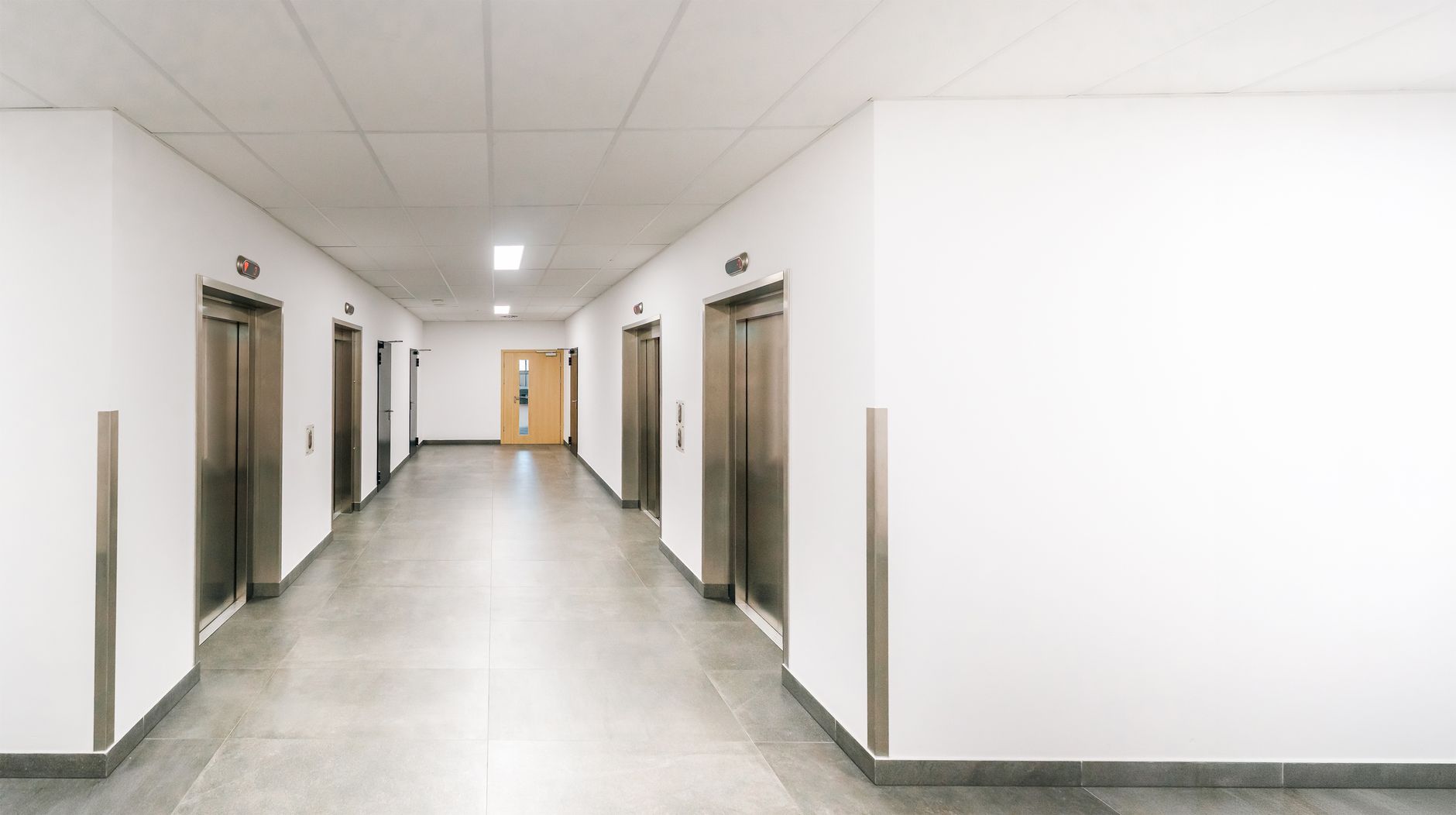
Tubes never ride elevators. That is their quiet advantage on vertical runs and their limit everywhere else. A robot shares the elevator with visitors, carts and staff, so the question shifts from distance to access.
BayCare's Winter Haven hospitals show what that looks like in 2026. According to a Relay Robotics announcement of the June 2026 expansion, robots ride elevators and pass badge-controlled doors on their own, and one robot runs lab specimen trips around the clock from urgent care to the second-floor lab. The vendor reports more than 99% delivery reliability. That figure is vendor-reported and has not been independently tested.
Elevator congestion is the risk to plan for. A 2026 Digital Health study of medication delivery robots in a tertiary hospital found that congestion affected delivery success and delay, and its authors recommend scheduling runs when congestion stays below critical thresholds. A vendor integration guide describes two options: the fleet system calls elevators directly, or elevators are reserved for robots during set hours. It adds that older buildings may need control-system upgrades first.
How is custody tracked in each system?
Custody is a documentation question before it is a transport question. A tube carrier moves inside a sealed system, so the record usually comes from station logs and from the staff who load and unload it. Swisslog material published by Kuka claims that RFID-tracked carriers can provide chain-of-custody records and per-transport monitoring. Those are vendor marketing claims, not independent tests.
Robots generate their own logs for trip start, elevator use and door events. The vendor guide notes that access-control integration lets robots open secured doors such as specimen storage, and access control can also show who opened that storage if the integration is built that way. Either way, each end of the run still needs a signed or badged handoff, whichever system carries the specimen.
I did not find a standard that defines chain-of-custody documentation during tube downtime. Institutional policy and accreditation rules govern it, so your written policy is the document an inspector will read first. Saratoga Hospital's tube policy goes further and excludes chain-of-custody tests from tube transport altogether.
How reliable are pneumatic tubes in practice?
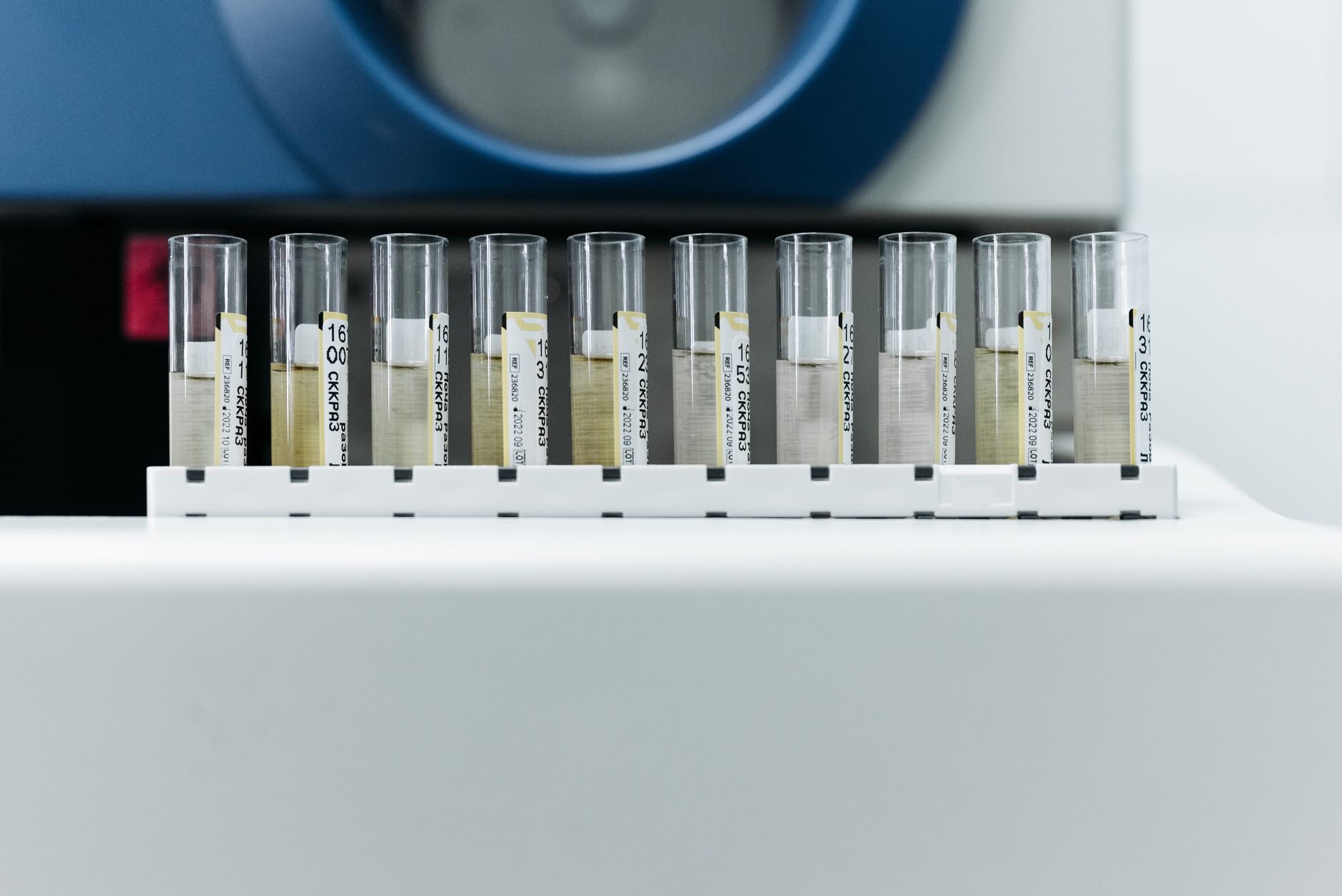
Reliability varies widely, and it is less well measured than it should be. A 2026 lab survey in Biochemia Medica found that many laboratories had not validated their tube system and were not maintaining it. About half of respondents, 51%, did not know how often theirs was serviced.
The same survey asked about failures. Of 45 respondents, 19 said their system failed fewer than five times in the prior six months, while 8 said more than ten times. That spread is the point. A hospital should pull its own service log before comparing tube performance with any robot fleet's uptime.
What happens when each system goes down?
A tube outage is a facilities event first. One Corewell Health downtime procedure tells staff to notify Facilities Management, apply the downtime procedure and send specimens, including STATs, by courier. CSF and medicolegal specimens must be hand-delivered. The same procedure says a specimen leak shuts the whole system until decontamination is complete.
Saratoga Hospital's policy takes a different shape. The tube system alerts Engineering automatically when it goes down, and a Code Brown call signals a full outage.
A single robot fault usually idles one unit. A shared failure, such as lost elevator integration, a dead access-control link or a charging problem, can idle several at once, and that is the outage pattern to test. A 2016 Western Journal of Emergency Medicine study found hemolysis of 13.6% in tube-delivered blood samples and 13.1% in hand-carried samples during downtime. The small gap suggests the fallback courier is mainly a custody and timing decision, not a sample-quality one.
Where Service Robot Co. fits in the decision
Service Robot Co. is an OEM-neutral integrator. We compare robot options across manufacturers for a site, then lease, deploy, integrate, train and service them through a nationwide US engineer network. Our offer is a 3-year lease with one fixed payment quoted after a site assessment, and that assessment is where elevator access, door integration and downtime routes get checked.
We do not assume any model's elevator or door features. Those have to be confirmed against that model's documentation and against your building's controls, including any upgrades older elevator systems need before a quote is built.
What a site review should check first
Before anyone commits to a route, a hospital team can answer a few questions from its own records.
- Pull the tube service log, including service frequency and fault counts for the last six months.
- Map every specimen run by floor, elevator and door, and count trips in the peak hour.
- Confirm how elevators are reached: direct calls from the fleet system, or reserved hours.
- Write down the custody fields each run must record, including the sender, the receiver and each handoff.
- Name the courier path for STAT, CSF and medicolegal specimens, and test it before an outage happens.
Frequently asked questions
Want a robot working for you?
Tell us the job and the site. We will recommend the robot, quote the lease, and keep it serviced.
Sources
- Biochemia Medica, 2026 laboratory pneumatic tube survey
- NHS Wales, HTM 2009 pneumatic air tube transport systems good practice guide
- Kuka, Swisslog Transponet overview
- Corewell Health East, Pneumatic Tube System downtime procedure
- Relay Robotics, BayCare Winter Haven hospital robot expansion
- Pulse.bot, BayCare expands autonomous hospital delivery at Winter Haven