
Key takeaways
- Hold fairway robots when dew leaves footprints that shear turf.
- Low spots and shade stay wet longer than open fairways.
- Log release times beside weather notes each morning.
- Run supervised test loops before full autonomous schedules.
- Service Robot Co. maps chronic dew holds at deployment.
Why does heavy dew stop fairway robots?
Dew wets leaf blades and softens the top few millimeters of soil. Fairway robots concentrate weight on the same overlap strips every dawn.
Tires that would grip at midday can slip or smear turf when dew is thick. The damage looks like torn strips, not obvious mud ruts.
Autonomous schedules do not sense slip until telemetry flags wheel spin. Holds prevent damage before sensors complain.
Dew is normal agronomy, not a robot defect. Courses with automated fairways still need foot checks like they would for triplexes.
Telemetry from prior seasons helps justify holds to ownership. Spin events clustered on the same shade hole are evidence, not excuses.
Which fairway panels stay wet longest?
North slopes, tree shade, and bottoms hold dew until sun angle rises. Hold those holes after open panels clear.
Approaches beside ponds collect mist longer than mid-fairway centers.
Mark chronic dew holes on the map as late-start zones during humid months.
Compare soil probe readings between open and shaded holes when disputes arise about whether robots can start.
What foot tests prove traction is ready?
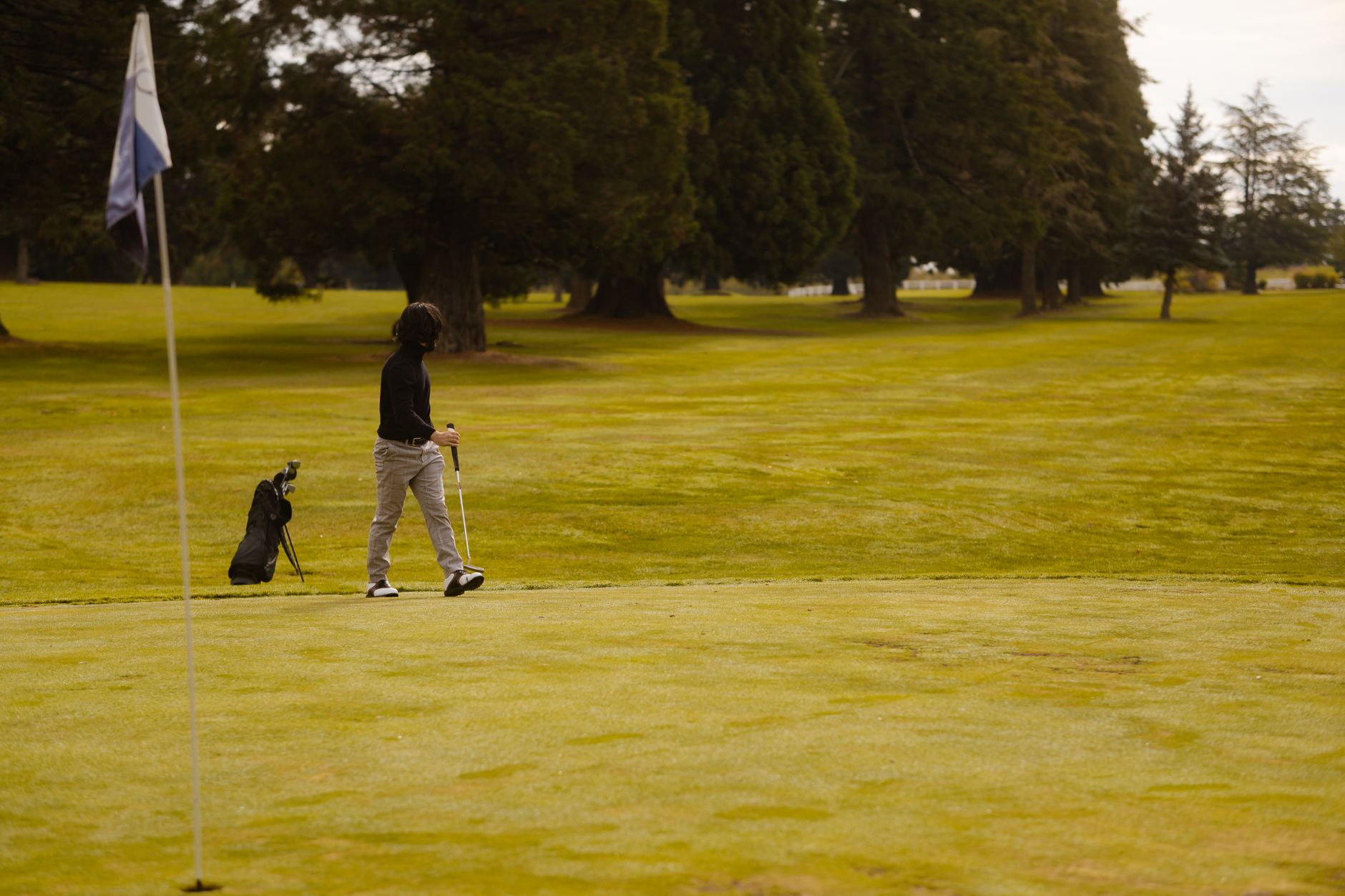
Walk robot overlap strips and press heel lightly. If turf shears or water squeezes up, keep holds active.
Clean shoe prints without tearing leaf tissue suggest robots can test next.
Repeat checks on shade holes even when the front nine looks dry from the cart path.
Photograph a sheared strip once if holds are ignored. The image ends debates faster than verbal descriptions.
When should dawn starts shift later?
Shift robot starts when dew delay already pushed player frost rules later. The same weather affects equipment.
Humid coastal mornings may need thirty to sixty extra minutes beyond calendar sunrise.
Build late-start templates into software instead of daily manual edits when patterns repeat.
Track humidity and dew point on hold logs so you can predict late starts before crews arrive.
How do supervised test loops reduce slip damage?
Run one slow loop on the first cleared hole with a technician watching tires and turf.
Stop if wheels spin, stripes smear, or the unit hunts on turns.
Log test outcomes on the maintenance board before enabling the full fleet schedule.
If one unit slips while another does not, inspect tire wear and ballast before blaming turf alone.
How does irrigation timing interact with dew?
Night irrigation plus dawn dew doubles surface moisture on some holes. Coordinate with the irrigation tech before blaming robots.
Syringe cycles for heat stress can leave fairways wet at dawn the next day.
Hold robots on irrigated holes until probe readings match your normal mowing threshold.
Document overnight irrigation skips during heat waves so dawn crews know which holes stayed dry.
What should starters know about dew holds?
Fairway stripes may arrive later on humid mornings even when frost delay is not in effect.
Tell the pro shop when holds are dew-related so pace conversations stay accurate.
Cart-path-only rules on wet approaches protect turf robots and players share.
League sheets should note dew holds so captains do not expect tournament-firm fairways at sunrise.
How does an integrator document dew holds?
Service Robot Co. marks chronic dew zones during deployment and ties them to seasonal late-start playbooks.
Financing and OEM-neutral fleet support stay in one project when humidity drives frequent holds.
RoboCare regional engineers in every state we cover review slip telemetry and suggest turn-speed tweaks on wet corners.
Review dew hold templates each spring when grass transitions change how long blades hold moisture.


