
Key takeaways
- Heavy dew is a turf decision first and a robot schedule second.
- Frost delays and cart-path-only mornings should pause mapped fairway passes the same way they pause ride-ons.
- Stagger charger routes so a dew hold does not trap units on the wrong nine.
- Crew still handles greens, tees, bunkers, and dew-sensitive detail work before play.
- Service Robot Co. maps wet pockets and quiet windows during a free site assessment before buy or lease financing.
How should fairway robots fit before first tee?
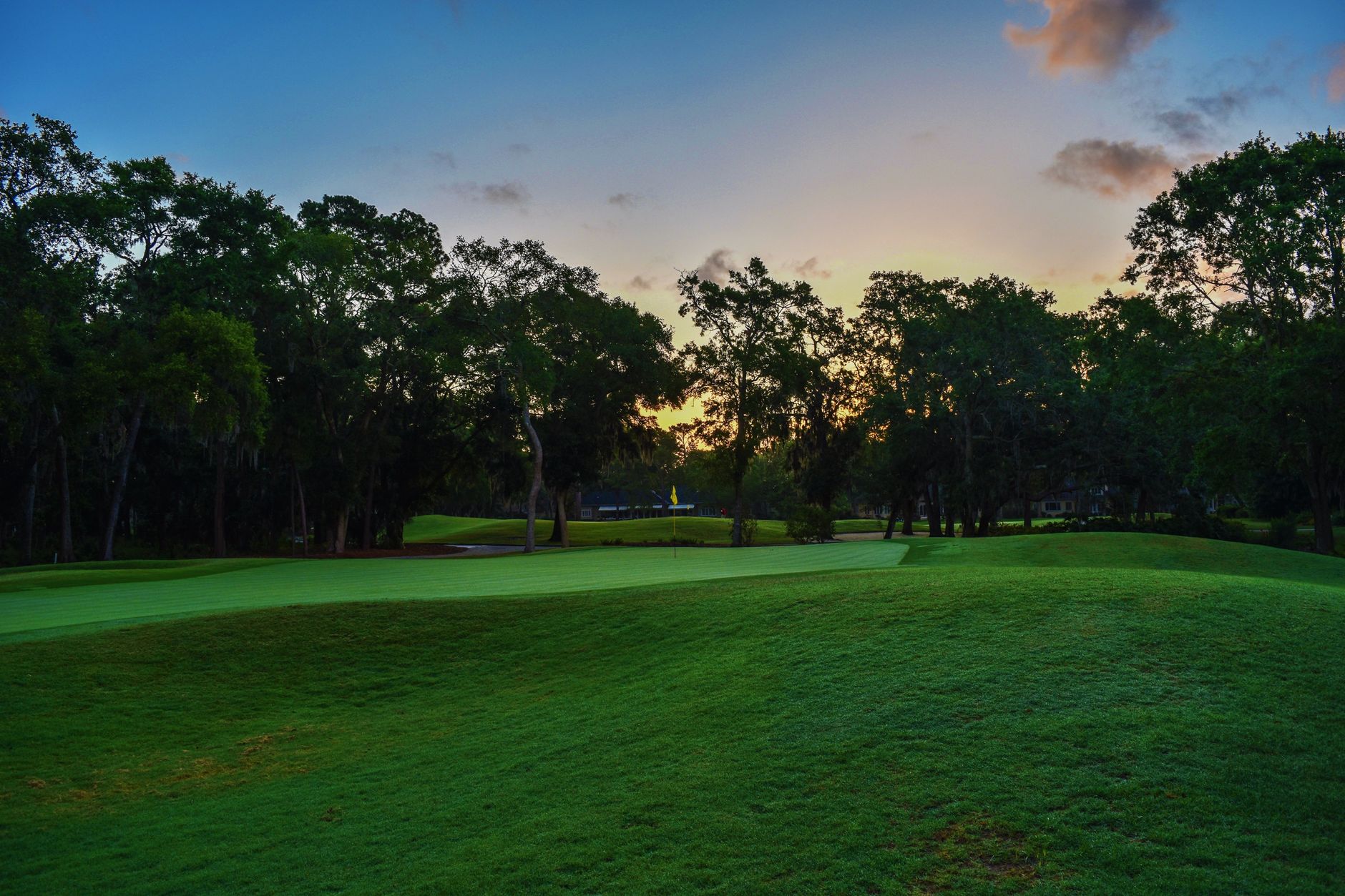
Dew-heavy mornings squeeze the same window superintendents already fight with ride-on fairway units. An autonomous mower can run mapped fairway and rough lines while the course is empty, but only when turf rules you already use for carts and rollers still make sense. The goal is not to shave five minutes off a start time. It is to finish predictable open-area cuts without stealing crew hours from cups, collars, and approaches golfers judge first.
Think of the robot as another scheduled pass in the maintenance calendar, not a side project. If frost delay pushes the first tee, the fairway map should hold the same way your shop holds blades on soft turf. When dew is heavy but play is on time, you may still run passes on drier nines or on rough panels that dry faster than collars. The opening answer is simple: run autonomous fairway work only inside the quiet, firm-turf minutes you would trust a heavy ride-on, and pause when your superintendent would call carts to paths.
When does dew force a hold on autonomous passes?
Dew itself is not automatically a shutdown. It becomes a hold when weight and traffic would bruise turf or leave ruts you will see at midday. Many crews already walk the first fairway with a foot test or a quick cart-path loop before sending mowers wide. Use the same call for robots.
Hold mapped runs when you would tell a driver to wait for sun or wind to break moisture on low areas. Low swales, north-facing fairways, and tree-lined holes that stay shaded past breakfast often need a later start even if the first tee is on the clock. Document the hold reason as moisture, not equipment failure, so your team sees the pattern across weeks.
- Shade pockets still wet when the starter clocks the first group
- Frost delay or white frost on collars even if fairways look open
- Overnight irrigation that has not cleared from rough panels
- Soft approaches after a rain event where you already limited carts

How is frost delay different from a dew hold?
Frost delay is a full stop for anything that crushes leaf tissue. Dew hold is often a staggered start by hole or by zone. Robots should follow the stricter frost rule without exception. After frost clears, you may still wait on dew while golfers begin on paths.
Your pro shop message can stay one daily post, but maintenance needs two layers: a frost flag that blocks all turf traffic and a dew map that says which fairway zones are cleared for weight. That split keeps members from assuming a robot pass equals course-wide firmness.
Where should chargers sit for dew-window turns?
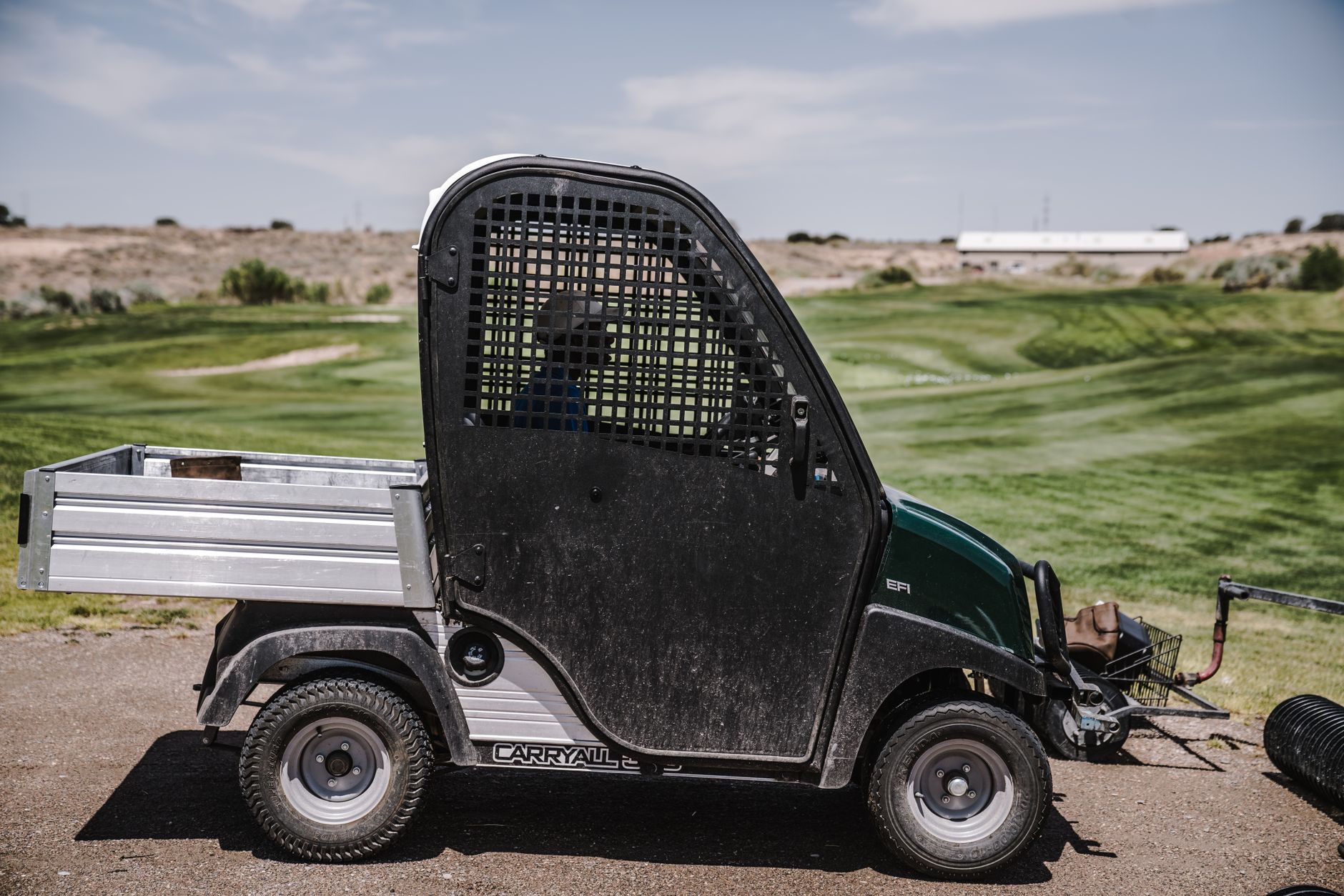
Charger placement is a scheduling tool. If every unit returns to a single barn on the wrong side of the property, a dew hold on the front nine can strand capacity when the back nine is already dry. Stage chargers where a paused pass can resume without crossing wet fairways you marked off limits.
During site mapping, note cart-path segments robots may use when fairways are soft. Those transit lines should be in the map before season, not invented at 5 a.m. Service Robot Co. walks that routing with your superintendent during deployment and adjusts after aerification or cart-path projects.
What should crew still do while robots run?
Autonomous fairway mowers do not replace morning detail work. Greens and tees stay on walk-behind and triplex schedules. Bunkers, approaches, and dew brushing near greens need hands while robots handle long fairway loops on firm ground.
Assign one staff lead as the robot watch during tight mornings. That person confirms holds, restarts paused zones, and talks to the starter if a pass runs long toward the first tee. Everyone else stays on the checklist golfers notice when they reach the turn.
How do you line up first tee without surprising golfers?
Golfers forgive maintenance they can see and plan around. They react badly to robots crossing a fairway without context. Set a hard cutoff time for open-area passes, usually well before the first ball is struck, and keep transit on paths after that cutoff.
If a pass must finish a safe zone after the cutoff, use the same radio or text thread you use for spray alerts. The starter should know whether robots are on paths only or still on turf. Quiet autonomous units can still feel intrusive if they appear from tree lines during warm-up swings.
What changes from early spring to late fall?
Cool-season fairways in spring often carry dew longer while roots are waking up. Fall brings heavier dew with shorter days, so your last fairway window may move earlier even when the course is busy on weekends. Revisit hold rules monthly instead of copying July settings into October.
Leaf cleanup and late-season topdressing can shrink the map robots use without changing charger locations. Version the map when fairway panels shrink, the same way you would for a renovation fence.
How does an integrator help lock the calendar?
Service Robot Co. is OEM-neutral: we match autonomous mowers to your turf mix, map fairways and rough, train your watch lead, and service units under RoboCare with regional engineers in every state we cover. Customers buy outright or lease through financing after a free site assessment that should capture dew pockets, shade, and realistic first-tee buffers.
Bring your historical frost and dew notes to that walk. The output is a schedule template you can drop into daily ops, not a generic night-only preset that fights your member calendar.


