Key takeaways
- Yes, security robots can work in self-park casino garages, but only as a layer between fixed cameras and human responders.
- Camera-only coverage leaves blind spots in large garages, and NIJ-backed research found some parking camera deployments did not reduce crime on their own.
- Casino garages are a strong fit when the robot is assigned clear jobs: patrol presence, exception detection, intercom support, and faster dispatch to human security.
- Robots are a weaker fit in garages with poor wayfinding, bad network coverage, steep ramps, or no staffed response process behind the alerts.
- For most casinos, the right question is not robot or no robot. It is what mix of cameras, robotic patrols, and human rounds closes the operational gaps.
Should a casino use robotic patrols in a self-park garage?
Usually, yes, with an important qualifier. A self-park casino garage is not a place where a robot replaces fixed cameras or human officers. It is a place where a mobile patrol layer can make the rest of the security stack more useful, especially in the long stretches between live incidents and scheduled rounds.
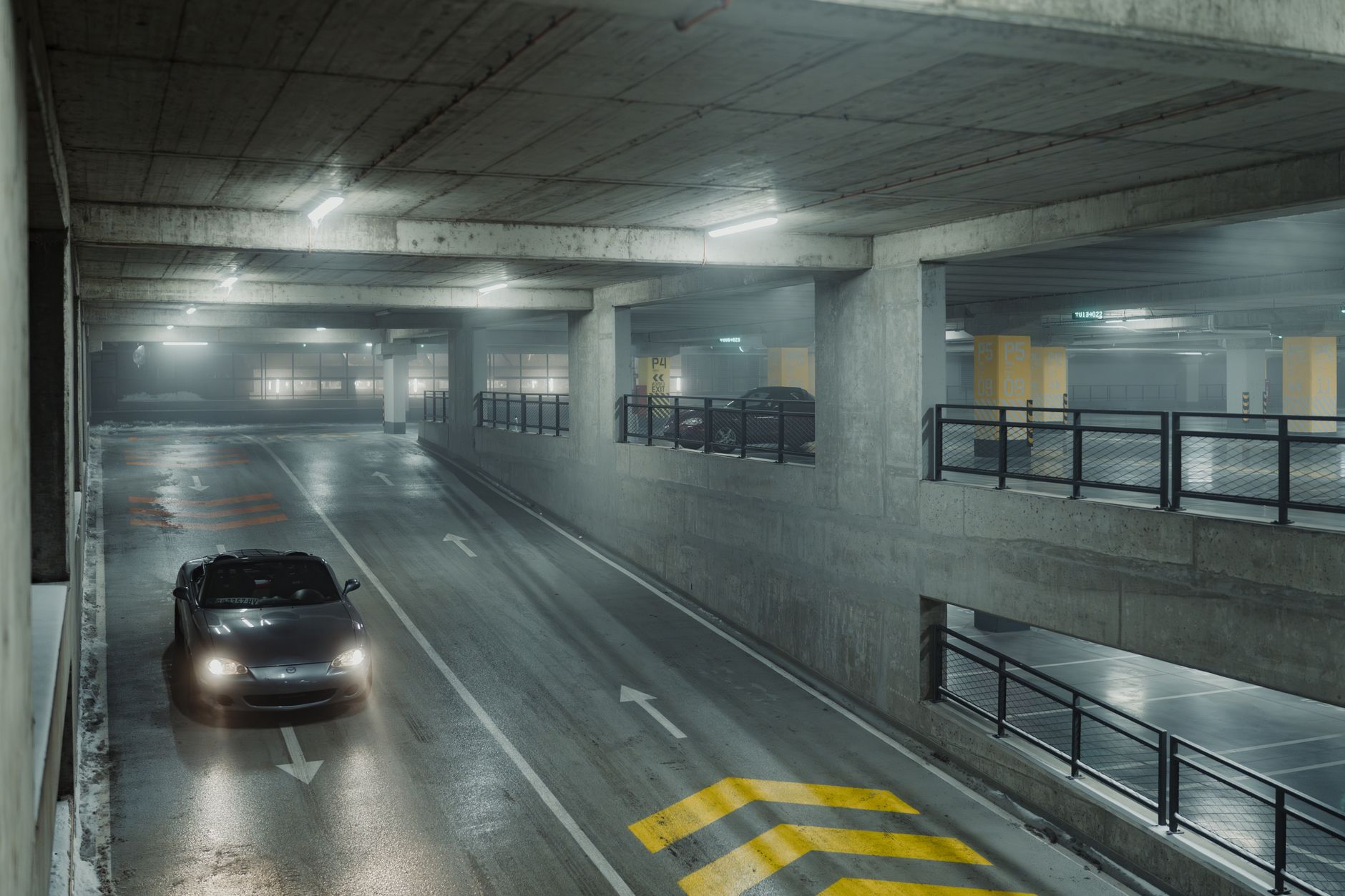
That matters because parking structures are unusually exposed environments. According to the National Institute of Justice, parking facilities are more likely settings for violent and property crime than every real estate category except residences. In a casino context, the exposure is amplified by long operating hours, guest arrivals at all times, distracted patrons carrying cash or winnings, and constant vehicle movement.
So the practical answer is this. Security robots work for self-park casino garages when the garage has enough scale, enough incident exposure, and enough expectation of guest assistance to justify a mobile presence. They work poorly when buyers treat them as a camera on wheels with no dispatch process behind it.
Why are casino garages different from other parking structures?
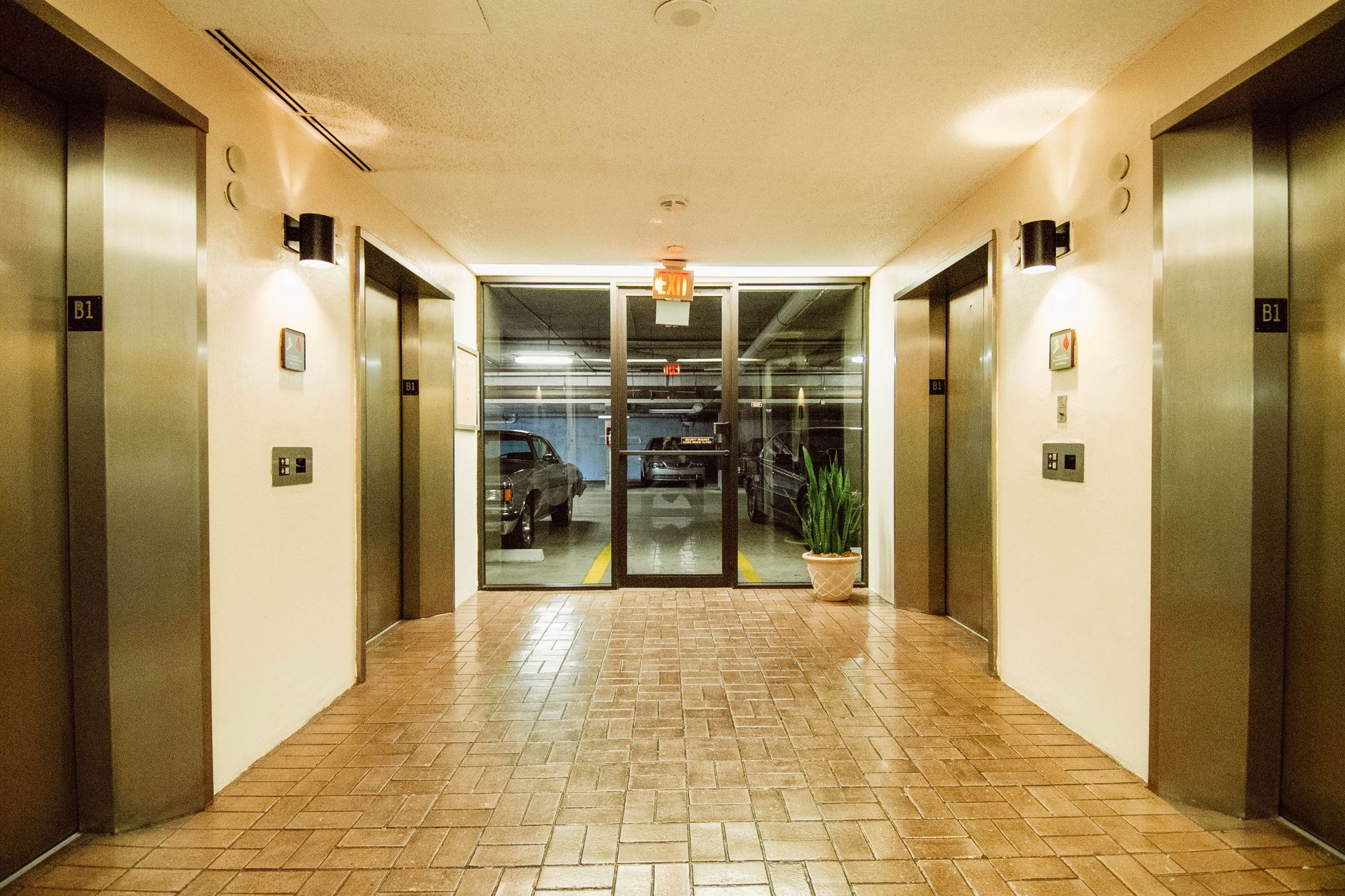
A casino garage behaves less like office parking and more like a hospitality front door that happens to store vehicles. The arrival pattern is peaky, late-night heavy, and emotionally charged. Guests may be tired, intoxicated, lost, in a hurry, or carrying valuables. That changes the security problem.
Lighting conditions also shift constantly. Daylight spill at entries, dimmer interior bays, glare from headlights, reflective concrete, and stair tower shadows all degrade simple visual monitoring. NHTSA notes that 76 percent of pedestrians killed in traffic crashes were struck in darkness and another 4 percent at dusk or dawn. A garage is not a public roadway, but the visibility lesson carries over. Low light changes reaction time, detection quality, and guest confidence.
Then there is the service expectation. A casino guest does not only want evidence after the fact. They want help now if they cannot find their car, feel unsafe walking to an elevator, spot suspicious behavior, or need a fast security handoff. That is where a stationary camera system often feels remote, even when it records clean footage.
What can robots add that fixed cameras and human rounds often miss?
Fixed cameras are strong at persistent coverage of known choke points. Human rounds are strong at judgment, de-escalation, and intervention. The gap sits in between. It is the vast square footage that is technically covered but not actively watched, the minutes between rounds, and the minor anomalies that never reach a radio call until they have grown into a real incident.
Research supports that caution. In a randomized NIJ-sponsored evaluation of commuter parking facilities, camera installation by itself did not produce a statistically significant reduction in crime. The same report notes that cameras are more likely to help when they are actively monitored and integrated into a broader enforcement strategy. That is the real opening for an autonomous patrol robot. It can keep moving, surface exceptions, and give operators a live look from the aisle or stair landing instead of a fixed ceiling angle.
In a casino garage, that mobile layer is most useful for four jobs. First, visible patrol presence in the lanes and elevator lobbies. Second, detection of anomalies such as a person lingering in a low-traffic zone, a vehicle stopped where it should not be, or a blocked accessible route. Third, two-way guest assistance through audio and remote escalation. Fourth, faster verification, so security sends a person to the right level and bay instead of starting with a blind search.
- Patrol routes that cover elevator banks, stair towers, payment areas, and remote corners
- Live exception review instead of waiting for someone to scrub video after a report
- Intercom-style guest assistance for directions, safety concerns, and welfare checks
- Escalation workflows that push a human officer only when the situation needs human presence
Where do robots fit poorly inside a garage?
Not every self-park casino garage is a clean fit. A robot struggles in layouts with severe ramp transitions, constant valet crossover, chronic puddling, dead cellular zones, or chaotic curbside traffic bleeding into the self-park floor. If the site lacks good maps, consistent wayfinding markers, and reliable charging locations, the program will spend too much time fighting the environment.
The other weak fit is organizational, not physical. A robot that detects something but cannot get a human response quickly is mostly a data generator. Casino operators should be honest about this. If there is no staffed command function, no standard operating procedure for escalation, and no agreement on what counts as a security event versus a guest-service event, robotic patrol becomes expensive theater.
Accessibility also matters. ADA guidance for parking garages requires accessible spaces on the shortest accessible route to the entrance, access aisles, and for van spaces at least 98 inches of vertical clearance. A robot program that obstructs those routes, crowds transfer areas, or ignores mobility needs is poorly designed from the start.
How should a casino compare robots against cameras and officer rounds?
Start with the actual operating question, not the hardware question. If the garage mainly needs forensic evidence after incidents, fixed cameras remain the backbone. If it mainly needs intervention with people, officers remain the backbone. If it needs stronger deterrence, faster verification, and visible presence across a large self-park footprint, a security patrol robot rental or robot as a service model becomes a credible middle layer.
The best comparison is by task. Cameras watch entrances, exits, cashier touchpoints, and license-plate approaches all day without moving. Human officers handle escorts, disturbances, intoxicated guests, trespass, medical issues, and law-enforcement coordination. Robots cover repetitive patrol loops, surface low-confidence situations for review, and shorten the time from anomaly to eyes-on confirmation.
That means the winning design is usually layered. OJP's 2019 systematic review found CCTV produced a significant but modest reduction in crime overall, with the largest and most consistent effects in car parks. The lesson is not cameras are weak. The lesson is that cameras are strongest when part of a larger place-based security design. In a casino garage, the robot can be that added layer, provided the site knows exactly what the machine is there to do.
What site conditions make the business case stronger?
The fit gets stronger as the garage gets busier, taller, and more operationally messy. The American Gaming Association reported in May 2026 that U.S. commercial gaming revenue exceeded $78 billion in 2025 across 493 commercial casino locations. Large, active properties are managing constant guest traffic well beyond the gaming floor, and the garage is part of that brand experience whether leadership treats it that way or not.
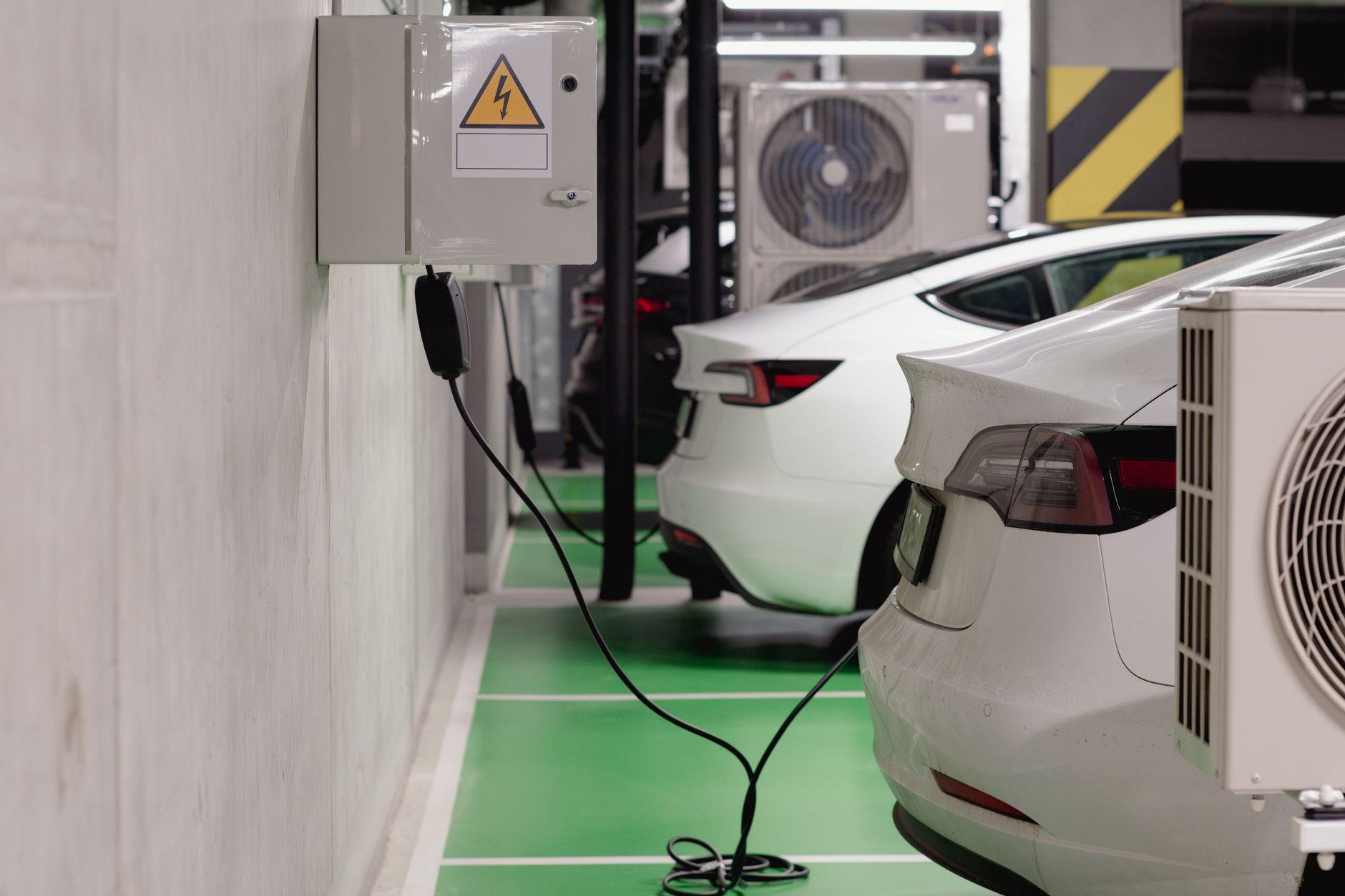
The case also improves when the garage includes EV charging. The U.S. Fire Administration noted in February 2025 that public parking garages are increasingly hosting direct-current fast charging stations operating at 400 to 1,000 volts. That does not mean a patrol robot becomes a fire responder. It means garage operators have more equipment zones, more guest questions, and more reasons to detect anomalies quickly and route the right human response.
A third trigger is service pressure. When officers spend too much time doing repetitive loop checks or hunting down vague calls like someone is acting strange on level three, a robot can absorb the routine patrol burden and sharpen where people spend their time. That is the threshold where an autonomous patrol robot starts acting less like a gadget and more like staffing support.
How should a casino buy and deploy this without creating a new vendor headache?
This is where procurement discipline matters. Casinos should avoid buying a patrol machine as a standalone experiment with no long-term operating model. The better path is to define the outcome first, then decide on lease rental or sale, a robot leasing for business structure, or a robot rental monthly program that matches the test period and the security team's appetite for change.
For many properties, a service robot rental or month to month robot lease is the practical starting point because it keeps the pilot bounded. It also makes room for site assessment mapping, integration with existing camera and dispatch workflows, go live support, operator training, and a service plan. Those pieces matter more than a spec sheet because security technology fails operationally long before it fails mechanically.
Service Robot Co. fits that procurement reality well because the company is OEM-neutral and acts as a full-service commercial robot integrator for U.S. businesses. That means one partner can handle robot deployment and integration, financing, training, maintenance included support, remote triage, and on site dispatch through a nationwide engineer network. For a casino that wants one number to call instead of stitching together hardware, software, and service vendors, that lifecycle coverage is usually the difference between a pilot and a program.
What is the right conclusion for most casino operators?
A self-park casino garage is one of the better use cases for security robots, but not because the robot replaces people. It is a good fit because the garage combines long travel paths, variable lighting, intermittent occupancy, guest anxiety, and a real need for mobile presence between fixed infrastructure and human response.
Operators should still be selective. If the garage is small, easy to observe, and already well served by active monitoring and fast officer response, fixed cameras plus human rounds may be enough. If the site is sprawling, multi-level, late-night heavy, and expected to deliver both safety and guest assistance, robotic patrol is much easier to justify.
The disciplined answer, then, is yes with a layer-cake mindset. Keep the cameras. Keep the officers. Add a robot when it closes a measurable gap in coverage, response quality, or guest reassurance. That is how the technology earns its place in a casino garage instead of merely attracting attention.