Key takeaways
- A cleaning robot usually pays off in dog daycare when it owns the repeatable nightly floor pass, not the messy exception work.
- The strongest ROI drivers are post-close labor saved, steadier soil control between deep cleans, and fewer wet-floor windows for staff.
- Robots fit sealed hard floors and predictable routes best. They are weaker around fresh accidents, trench drains, hoses, and kennel wash zones.
- A good deployment plan matters as much as the machine because floor type, drainage, charging, and service response shape real uptime.
The short answer: yes, but only in the right cleaning slice
A cleaning robot can pay off in an indoor dog daycare, but not because it replaces your entire sanitation routine. The real return comes when it takes over the repeatable nightly floor pass after the last pickup, keeps soils from building between heavier cleans, and helps keep hard floors cleaner and drier for opening staff the next morning.
That matters in this niche because dog daycare floors are not cleaned like retail tile or an office corridor. You are dealing with tracked-in moisture, hair, dander, body oils, food crumbs, urine accidents, and odor residue, often across scratch-sensitive sealed concrete, epoxy, LVT, or rubber transitions. A robot is good at the boring, measurable part of that job. It is not good at judgment calls, contamination triage, or washing out drain-heavy kennel zones.
So the answer is yes if your building has a meaningful amount of open hard floor, a predictable close-down window, and staff who are currently spending routine time on mop-and-scrub work. The answer is no if most of the cleaning burden is still hand work around gates, pens, drains, textured wash areas, and accident response.
Why this facility type creates unusual floor-care economics
Indoor dog daycare is a serious operating category, not a hobby business. According to the American Pet Products Association, U.S. pet industry spending reached 158 billion dollars in 2025, and 71 million U.S. households owned a dog that year. That demand is one reason many daycare operators are trying to protect margins without loosening sanitation standards.
The cleaning burden is heavier than many first-time robot buyers expect. Animal-care guidance from AAHA and ASPCA Pro emphasizes removing organic matter first, then washing, then applying disinfectant for the full label contact time, then drying before animals re-enter. In other words, your real cleaning process is layered. A robot can own one layer well, but it cannot collapse the entire protocol into a single automated pass.
That is why ROI in dog daycare is operational, not abstract. You are not buying a shiny machine to make the floor look nice. You are deciding whether one piece of automation can reliably reduce the dullest nightly labor while helping the rest of the sanitation process happen on time.
Where does the labor savings actually come from?
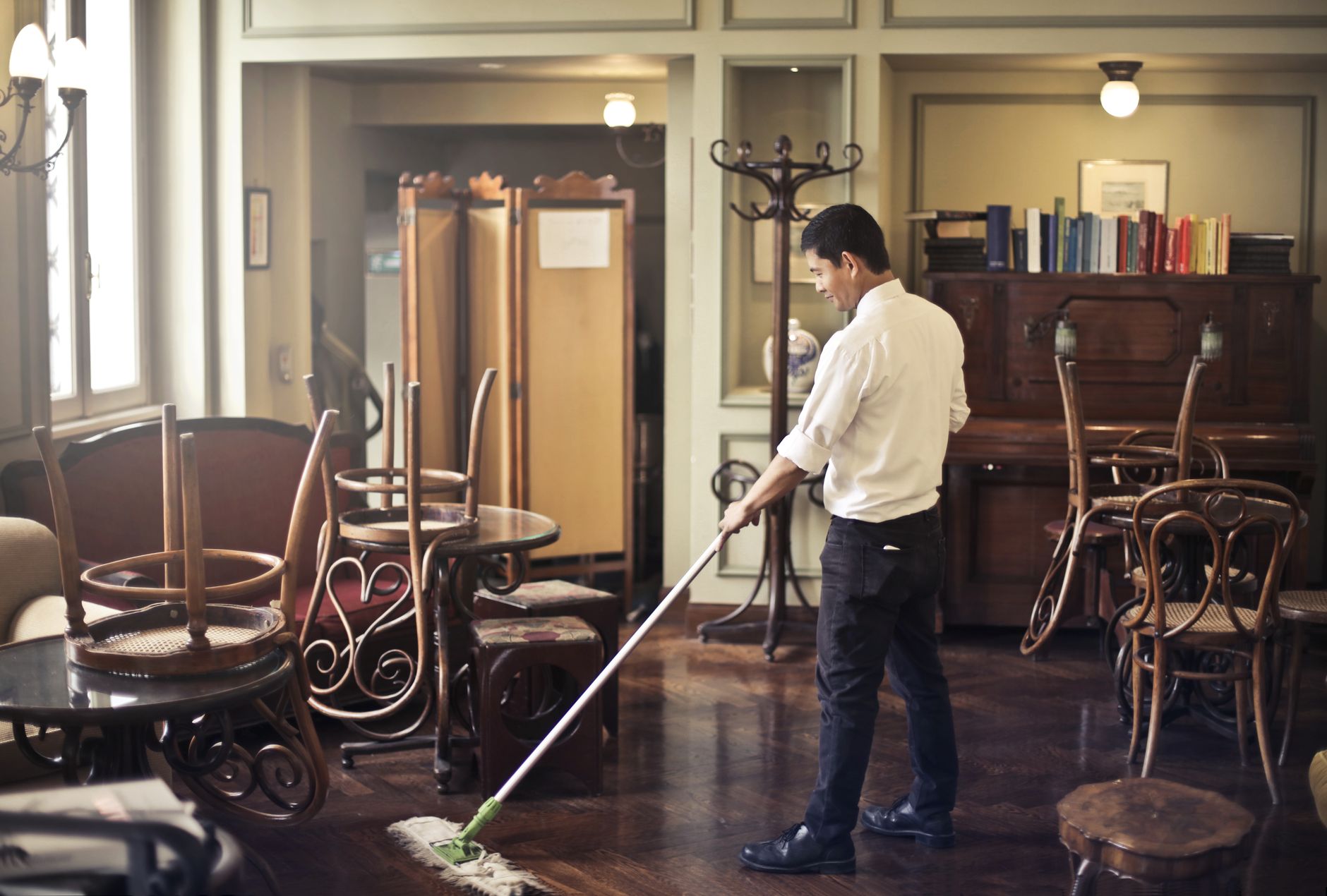
The cleanest savings usually come after the last pickup, when staff would otherwise spend one to three hours walking a scrubber, pushing a mop, or making repeated passes over the same open play-floor square footage. The U.S. Bureau of Labor Statistics says the median hourly wage for janitors and building cleaners was 17.27 dollars in May 2024. Even before payroll burden, two labor hours saved across 300 operating nights is about 10,362 dollars a year.
That example is not a promise. It is a simple way to frame the math. If your site only has a small amount of robot-friendly floor or closes irregularly, the savings shrink fast. If you have several large indoor rooms that need the same end-of-day scrub every night, the savings stack quickly because the robot does the same route without fatigue, shortcuts, or a rushed final half-hour.
The hidden labor win is not just time removed. It is time relocated. Staff can handle laundry, final dog handoffs, crate resets, chemical prep, waste removal, and targeted disinfecting while the machine works its route. In a labor-tight service business, that redistribution often matters more than raw headcount reduction.
Can consistency be worth as much as the labor?
Often, yes. Dog daycare floors degrade gradually through repeated light soiling. Hair, paw residue, and thin films of dirt do not always trigger an immediate deep clean, but they do change traction, odor, and the general feel of the building. A robot that runs every night, or even during a controlled mid-day lull in selected zones, keeps that baseline from drifting.
That consistency matters because sanitation guidance in animal settings is explicit about sequence. The CDC says surfaces should be cleaned before sanitizing or disinfecting, since dirt can make it harder for disinfectants to work. AAHA says scrubbing is often necessary to remove feces, bodily fluids, biofilms, and stubborn debris in animal housing areas. A robot helps most when it reduces the volume of ordinary floor soil before staff begin the more selective sanitation steps.
In practical terms, consistent nightly floor care can mean fewer ugly mornings, fewer areas that need rework before opening, and less chance that an odor problem is really a floor-film problem hiding in plain sight. That is a real payoff even when it does not show up as a single payroll line item.
How much of the slip-risk story is real?
It is real enough to matter, especially in a business full of wet paws, splash bowls, leashes, and staff moving quickly at close. OSHA requires walking-working surfaces to be kept clean and, to the extent feasible, dry. The same rule says drainage must be maintained when wet processes are used. Those requirements read like they were written with places such as kennel corridors and wash-adjacent rooms in mind.
The broader injury data also supports taking wet floors seriously. BLS reported that private industry logged 2.5 million nonfatal workplace injuries and illnesses in 2024, and slips, trips, and falls that caused days away from work occurred at a rate of 22.6 cases per 10,000 full-time workers. Not every one of those incidents maps to dog daycare, of course, but the underlying mechanism does: moisture plus haste plus clutter is expensive.
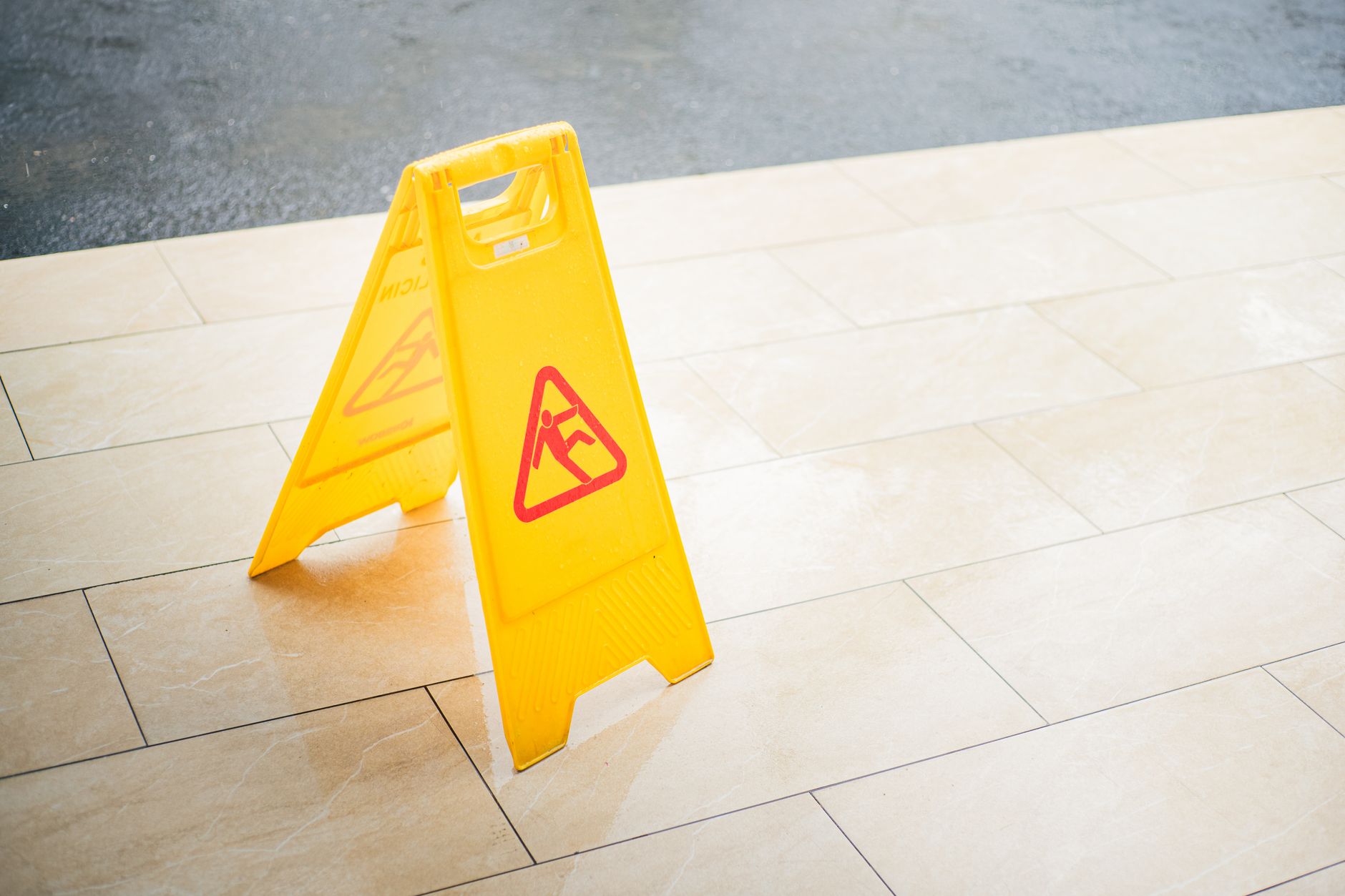
A robot does not eliminate slip risk. Fresh accidents still need immediate human response, and robots do not replace cones, mats, drainage upkeep, or floor coatings. What they can do is reduce the time your team spends manually dragging water and detergent across large open floors, which shortens the part of the night when the building is most uniformly slick.
Where robots usually struggle in a dog daycare
This is where many ROI projections go off the rails. Organic messes are the first limit. ASPCA Pro and AAHA both stress manual removal of feces, urine, hair, bedding, and other debris before proper cleaning and disinfection. If staff still have to patrol for accidents, scoop solids, blot urine, and pre-treat contaminated spots, the robot is a complement, not a replacement.
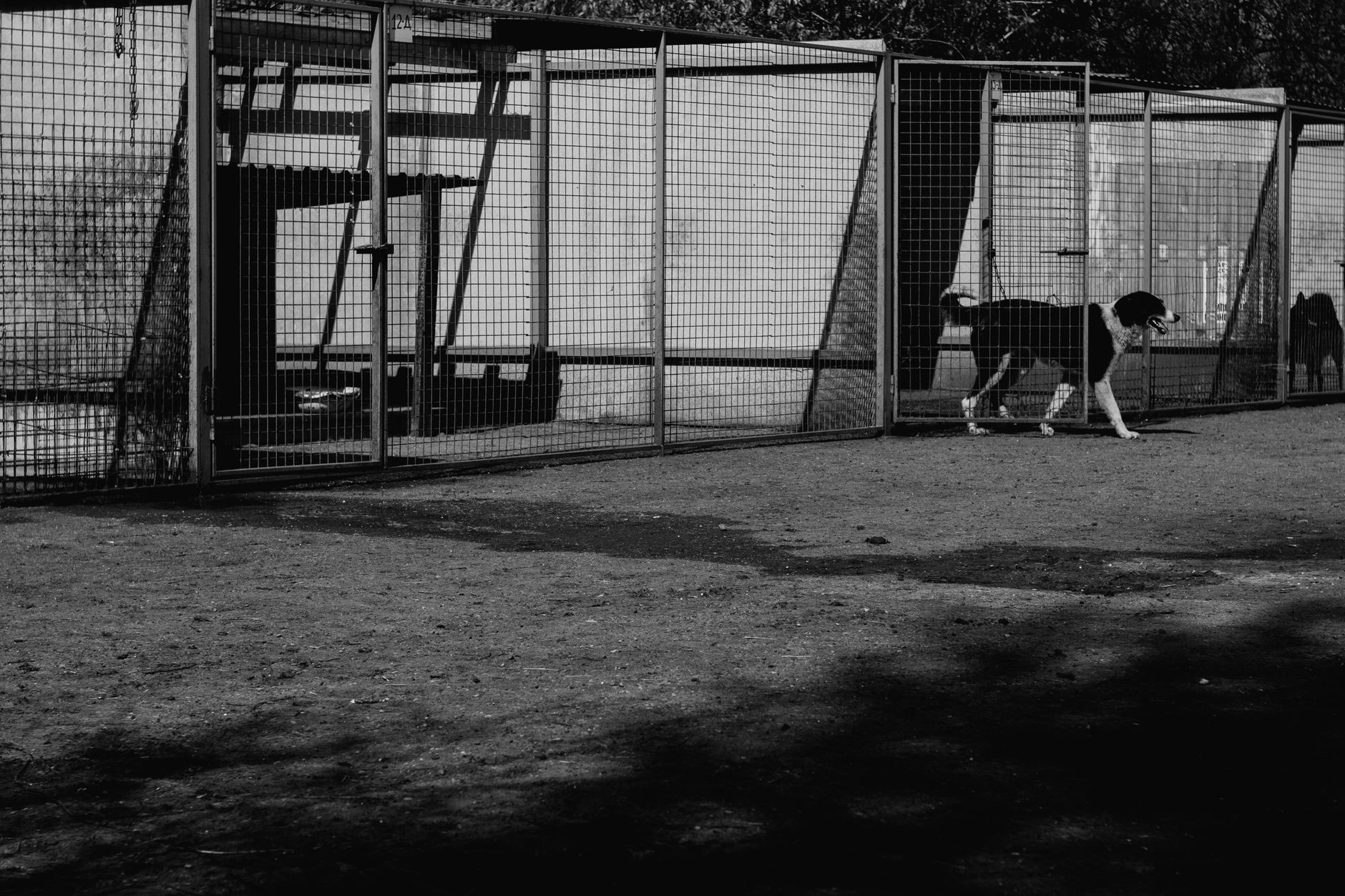
Drains and kennel wash areas are the second limit. AAHA specifically warns that high-pressure washing can aerosolize contaminants and spread organisms into other areas, and it notes that excess water can dilute disinfectants. In hose-down zones, sloped floors, drain channels, thresholds, and standing water often create navigation and traction problems for autonomous scrubbers. Those areas usually remain manual-cleaning territory.
The third limit is edge density. The more your floor is chopped up by pens, gates, benches, water stations, cubbies, and tight turns, the less productive a robot becomes. Dog daycare buyers should think in terms of robot-friendly square footage, not total square footage. A 12,000 square foot building may have only 4,000 to 6,000 square feet of genuinely automatable floor.
What floors and operating patterns tend to support a payoff?
The best candidates are facilities with sealed, non-carpet hard floors, broad play areas, and a dependable sanitation window after close. Scratch-sensitive surfaces can still work well if the right pad pressure, water use, route logic, and edge rules are set correctly. The point is not maximum aggressiveness. The point is repeatable soil removal without chewing up the finish that your staff worked to protect.
Facilities also need a sane separation between zones. Open play floors and main corridors often suit an autonomous floor scrubber rental or commercial cleaning robot rental model far better than kennel wash rooms. If you split those tasks on purpose, the ROI picture gets clearer. The robot owns the repeatable floor lane. Staff own accidents, drains, corners, and true sanitation events.
This is also where an OEM-neutral integrator earns its keep. Service Robot Co. is a full-service commercial robot integrator for U.S. businesses, so the question is not which single machine looks best in a brochure. The question is which robot fits your floor, your route complexity, your financing preference, and your service expectations. For buyers considering robot leasing for business, commercial robot rental, or a robot as a service program with maintenance included, that selection discipline matters more than brand mythology.
How should an owner judge ROI before signing anything?
Start with four numbers: robot-friendly square footage, nights per week cleaned, current post-close labor hours, and the percentage of your cleaning burden that is truly repetitive floor work. If the routinized hard-floor pass is small, the machine will struggle to justify itself. If that pass dominates the close-down routine, the economics get much stronger.
Then pressure-test the nonfinancial questions. Can the building support charging and storage without blocking traffic? Are there drains, ramps, mats, or thresholds that break the route? How often do accidents require intervention during the intended run window? How much of your sanitation protocol depends on hand scrubbing, dwell time, rinsing, and drying that a robot cannot own by itself? Honest answers beat optimistic spreadsheets.
Finally, plan for lifecycle support, not just delivery day. Service Robot Co. weaves in here because many operators do not want five vendors for one fleet. The company finances, deploys, integrates, trains, and services units through a nationwide U.S. engineer network. For a buyer comparing lease rental or sale options, monthly payment programs, or a commercial robot demo before rollout, one partner across selection, go-live support, and repair service makes ROI less fragile because uptime is part of the economics, not an afterthought.
The bottom line for indoor dog daycare operators
A cleaning robot pays off in indoor dog daycare when you treat it like a specialist. It should handle the predictable, open-floor, after-hours cleaning pass that staff repeat every night. That is where labor savings, cleaner morning starts, and better floor consistency show up.
It does not pay off when buyers expect it to solve accident cleanup, drain sanitation, kennel washdowns, or every contamination event that makes animal-care cleaning messy in the first place. Those are still human jobs.
For most operators, the right question is not, Can a robot clean my daycare? It is, Which slice of my cleaning program is repetitive enough to automate, and is that slice large enough to matter? If the answer is yes, the ROI case can be very solid.