Key takeaways
- Keep the cobot on packing steps outside the dry-ice fill zone, and keep solid CO2 handling with trained staff.
- Dry ice releases about 540 litres of CO2 per kilogram according to Cambridge guidance, and the gas settles low with no warning odor.
- Confirm the 5,000 ppm 8-hour average against OSHA's current table before you set any alarm threshold.
- Oxygen below 19.5 percent is the line where work stops and ventilation starts.
- Cobot safety modes protect people from the arm, not from gas, so CO2 and oxygen alarms must stop the cell.
Can a cobot work in a dry-ice packing room?
A cobot can handle a good share of the packing work in a dry-ice room. The limits come from the room, though, not the arm. Carbon dioxide released as dry ice sublimates, together with the cold itself, decides where a machine may stand, how long people can stay, and when the cell must stop.
Settle the gas questions before the arm is bolted down. Confirm exposure limits, oxygen levels, ventilation and alarm placement with your safety staff, then set stop conditions that pause the robot the moment a reading leaves its range.
Which packing tasks suit a cobot?
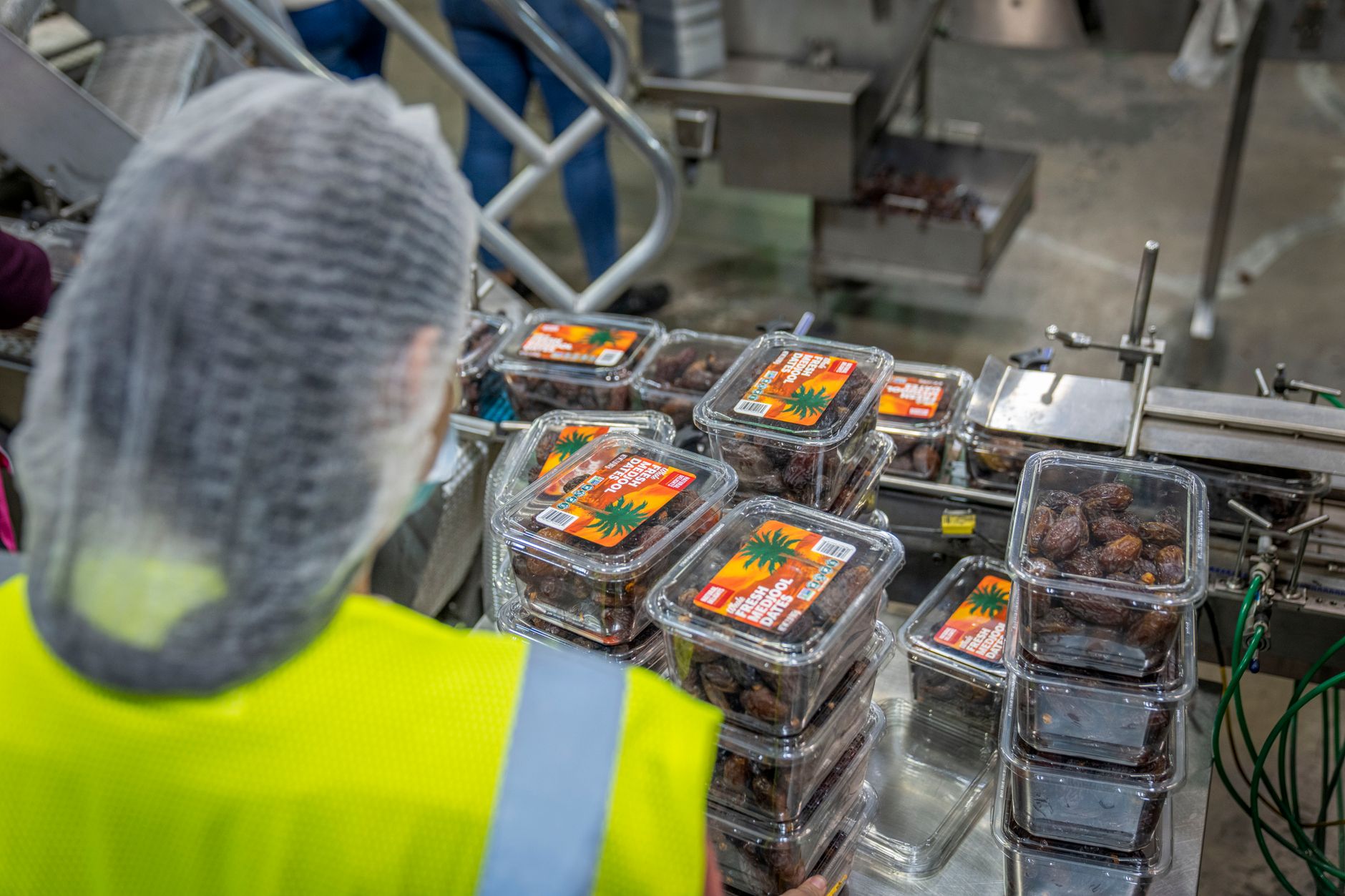
The safest split keeps the arm on fixed, repeatable work away from the dry-ice fill point. People stay responsible for anything that touches solid CO2. Tasks that suit a cobot in this setting include:
Keep the arm away from open dry-ice fill points. Contact limits do nothing about gas that settles at floor level.
- Moving sealed, packed cartons from an infeed conveyor to a case station outside the fill zone
- Erecting and closing cases at a station clear of open dry-ice hoppers
- Building pallet patterns at the end of the line, outside the cold zone
- Applying labels to finished cartons once they leave the dry-ice area
Why the gas sets the limits
Dry ice gives off a lot of gas. According to Cambridge University safety guidance, 1 kg of dry ice produces about 540 litres of CO2 gas. Rochester Regional Health's dry-ice policy uses about 250 litres per pound, and it sets a formula for safe quantities in an enclosed room based on room volume and air changes per hour.
A JLab safety data sheet notes that CO2 is heavier than air and settles in low spots, and it has no warning odor. A worker at floor level or in a low corner can be exposed while the air at head height still feels clear. Run the Rochester formula with your own room numbers rather than copying another site's.
Which CO2 exposure limits should you confirm?
Most secondary sources give 5,000 ppm as the 8-hour time-weighted average and call it the commonly cited enforceable OSHA limit. The NIOSH pocket guide lists that TWA as the OSHA PEL. The same entry gives a 30,000 ppm 15-minute short-term limit, which it attributes to ACGIH and the NIOSH recommended exposure limit rather than to OSHA.
Not every source agrees. Some show a 10,000 ppm TWA paired with a 30,000 ppm STEL from an older OSHA rulemaking, and this guide has not verified that pairing's current legal status. Pull OSHA's current table, and your state plan's text if your state runs one, before you choose any alarm setpoint.
Oxygen and ventilation rules to check first
Oxygen matters as much as CO2. Cambridge does not permit work in atmospheres below 19.5 percent oxygen, and Durham's code treats 19.5 percent as the minimum for normal comfort. Durham also says to use oxygen monitors where ventilation is insufficient, and never to take solid CO2 into a confined space.
Ventilation is the first control, and it is a fact to measure, not assume. Ask the facility for room volume and air-change rates, then compare them with the Rochester formula before deciding how many kilograms of dry ice a shift can use.
Where gas monitors belong and what they must do
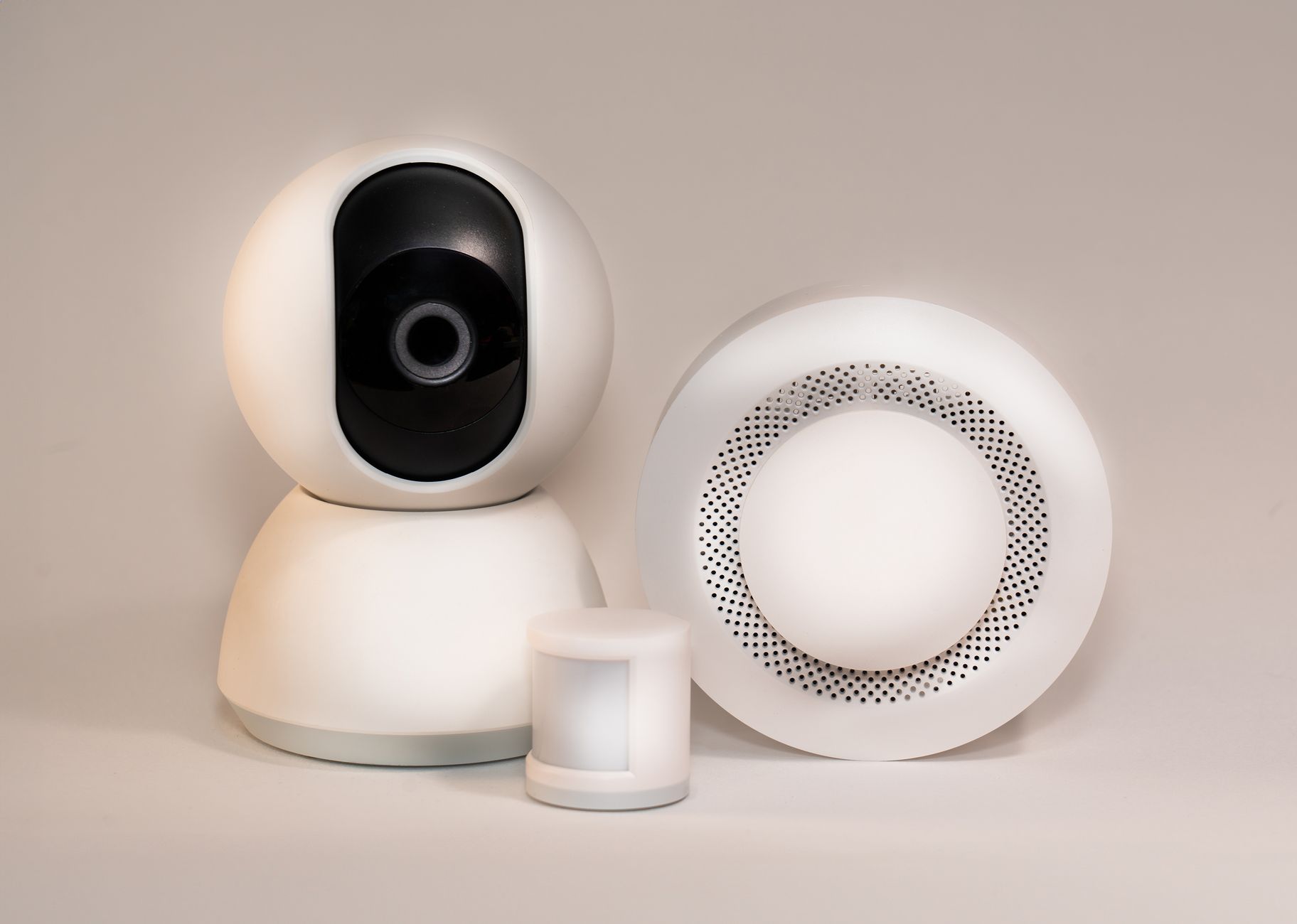
GAWDA's 2022 safety organizer says any area that may be a confined space should have a CO2 detector and alarm system. Cold Jet advises placing monitors near dead areas and remote corners with minimal ventilation, which is where gas collects first.
Mount at least one detector low, not only at head height, because CO2 settles. Treat a monitor fault or lost signal as an alarm, never as a quiet reading.
How cobot safety modes fit a cold cell
ISO/TS 15066 supplements the ISO 10218 robot safety standards and lists four collaborative operation modes: speed and separation monitoring, power and force limiting, hand guiding, and safety-rated monitored stop. Speed and separation monitoring uses sensors to track people near the arm, which slows or stops as distance shrinks. Power and force limiting allows contact but caps energy and force at levels the body can tolerate.
Neither mode detects gas. A cobot in a cold room still needs its CO2 and oxygen alarms wired to stop the cell. Check the standard text and its current status before you cite any force or pressure value, since the research behind this guide drew on secondary and vendor summaries.
Stop conditions to set before the first run

Write stop conditions as a short list you can test, then test each one on the floor before the first production run. Base the thresholds on the confirmed limits above and on your safety officer's judgment.
Service Robot Co. is an OEM-neutral integrator, so we select the arm and cell for your room rather than from a single catalog. We lease the system on a fixed lease quoted after a site assessment, deploy and integrate it, train your staff on stop conditions, and service every unit under RoboCare, backed by regional service engineers. Log each test and every alarm event from day one.
- CO2 alarm at the threshold your safety officer sets from the confirmed limit, which pauses the arm and holds the cell
- Oxygen reading below 19.5 percent, which stops work and starts ventilation
- Monitor fault or lost signal, handled exactly like an alarm
- Door opened during a run, which requires a trained operator to reset the cell
- Person detected inside the arm's reach, handled by speed and separation monitoring or a monitored stop
Frequently asked questions
Want a robot working for you?
Tell us the job and the site. We will recommend the robot, quote the lease, and keep it serviced.
Sources
- NIOSH Pocket Guide, carbon dioxide entry
- Cambridge University Safety Office, dry ice guidance
- Durham University Chemical Safety, code of practice
- GAWDA 2022 Safety Organizer
- Automate, ISO/TS 15066 explained
- Rochester Regional Health dry-ice policy
- Cold Jet, CO2 safety guidance
- JLab dry ice safety data sheet