Key takeaways
- Dual-arm cells shine when parts must be reoriented hand to hand without custom fixtures at every step.
- Single-arm cobots win on footprint, spare parts, and programming when a fixture or conveyor presents the part correctly.
- Collaborative robots still made up about ten percent of global industrial robot installations in 2023, per IFR.
- Cycle time claims should include fixture design and vision teach time, not just the motion study on day one.
- Cobot rental monthly programs let you run both layouts on the same SKU before you capitalize either cell.
When does a dual-arm cobot beat a single-arm cell?
Dual-arm versus single-arm cobots for assembly comes down to how much reorientation the job needs before a screw, clip, or press fit can happen. If the part arrives wrong-side-up and must flip twice before insertion, two arms can pass the workpiece like a bench assembler without stacking custom nests at every station.
Dual-arm layouts also help when one arm holds a flexible subassembly steady while the other drives a tool. Wire harness routing, gasket placement, and cover alignment while fasteners start are common examples.
That flexibility costs floor space, controllers, and coordination logic. You buy handling freedom and pay in integration hours.
Where does a single-arm cobot still win?
Single-arm cells dominate when fixtures, bowl feeders, or a conveyor present the part in the right pose every cycle. The robot only executes pick, place, screw, or inspect. Programming stays linear. Spares inventory stays smaller.
Footprint shrinks enough to tuck beside legacy manual benches without rebuilding the whole line. For high-mix shops that change SKUs weekly, one arm plus quick-change fixtures is often faster to retool than reprogramming two arms to cooperate.
Reliability also favors simplicity. Fewer controllers and fewer inter-arm collision checks mean fewer night calls when a sensor drifts.
How do fixtures change the math?
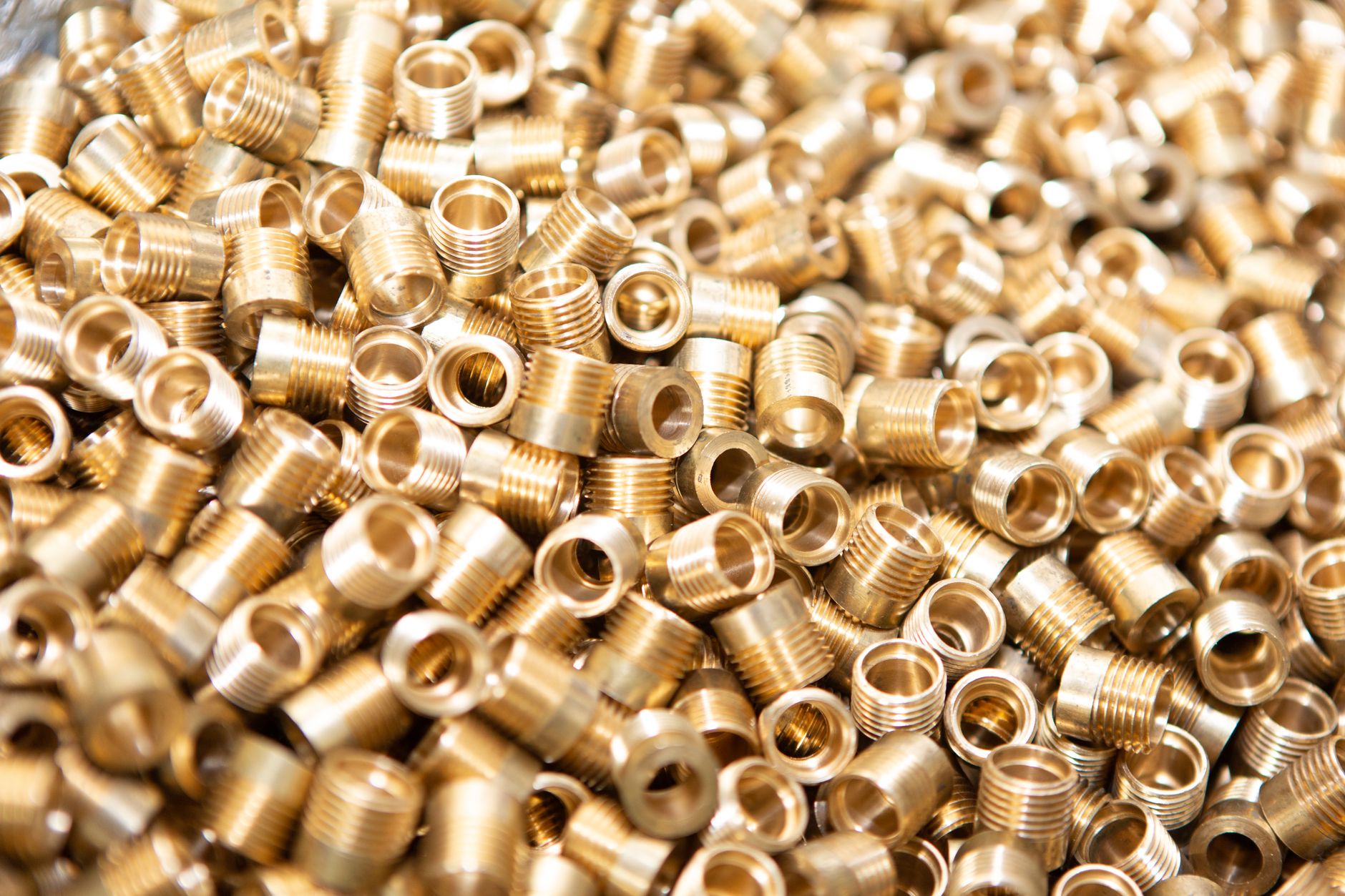
Fixture cost is the hidden variable in every dual-arm versus single-arm quote. A clever nest on a single-arm cell can eliminate the second arm entirely by presenting the part pre-oriented.
Dual-arm cells can reduce fixture spend when orientation is unpredictable, such as bulk bins or deformed plastic parts. Each arm can re-grasp without a new machined nest per variant.
Budget fixture design for washdown, ESD, and changeover time in the same spreadsheet as the cobot quote. The arm is rarely the expensive surprise.
What happens to cycle time and programming effort?
Dual-arm cycles can shorten when hands pass parts in air, but only after both arms are tuned to avoid idle wait. Synchronization adds teach points and safety zones.
Single-arm cycles look slower on paper yet ship faster because one programmer owns the whole sequence. Vision locate plus one pick often beats two arms waiting on each other on low-volume lines.
Record setup minutes per SKU change, not just seconds per part at steady state. High-mix assembly lives in changeover.
How should US manufacturers read current robot demand?
According to the International Federation of Robotics, global industrial robot installations totaled 541,302 units in 2023, the second-highest annual count on record. Collaborative robots held about a ten percent share of those installations while remaining a minority next to traditional industrial arms.
IFR also reported global manufacturing robot density at 162 robots per 10,000 manufacturing employees in 2023. Assembly lines that still run manual-only at that density compete with plants that already automate reorient and fastening steps.
Dual-arm cobot projects are a narrow slice of that collaborative share. They make sense when labor is scarce for awkward handling, not when a single nest solves orientation.
What about reliability and service?
Two arms mean two gear trains, two cables, and two sets of calibration checks. Preventive maintenance doubles unless you standardize identical arms.
Single-arm cells simplify remote triage. One integrator can replay the program, swap a gripper, and return to production with one serial number on the ticket.
Plan backup tooling and a loaner path before peak season. Downtime on assembly starves downstream packout faster than slides suggest.
How do integration costs compare?
Dual-arm integration includes collision modeling, coordinated safety validation, and often dual grippers. Expect more site acceptance time with your safety team.
Single-arm integration still needs risk assessment, guarding, and part presentation design. It rarely needs the same motion-coordination layer.
Compare total integration quotes that include vision, fixtures, and training seats, not hardware list price alone. Cobot rental for manufacturing with integration bundled spreads cost across a pilot quarter.
How can Service Robot Co. help you choose?
Service Robot Co. is a vendor-neutral integrator for US manufacturers. We bench the same assembly on a single-arm cell and a dual-arm layout when part geometry is ambiguous, then quote financing, deployment, and nationwide service as one program.
A cobot rental for manufacturing pilot runs four to eight weeks on one SKU while you log changeover pain. Convert to purchase or extend rental once the winning configuration is obvious.
Machine tending robot rental on a single arm can run beside a dual-arm pilot on another line so you do not bet the whole factory on one architecture.
What should a 30-day comparison test include?
Week one baselines manual cycle and defect rate. Week two runs single-arm with provisional fixtures. Week three adds dual-arm if reorientation still hurts.
Track scrap from misorientation separately from tool errors. That split tells you which arm count actually paid.
End the month with a written standard operating procedure for the winner before you order spare grippers.