
Key takeaways
- HosRob runs from May 2026 to April 2029, a 36-month window, and its status was listed as set-up when checked in November 2026.
- A three-year window can show how a hospital robot behaves across seasons, staffing changes and building changes, which short pilots often miss.
- No HosRob pilot results or trip counts were published that we could find, so judge the project on its design for now.
- Line up any two trials by service days, site variety, fixed metrics, log-based counts and logged software changes.
- Ask every vendor or research team for trip logs and a named site list, not only headline totals.
What is HosRob, and why does its 2026 to 2029 window matter?
HosRob is a European research project on autonomous delivery inside hospitals. According to its project page, it runs from May 2026 to April 2029, a span of 36 months, and its status was listed as set-up when the page was checked in November 2026. The page is titled Development of robotic delivery system in multistore hospital building, and its stated aim is an autonomous robot system for delivering medicine and instruments inside hospitals. It also cites AI, machine learning and autonomous mobile robots.
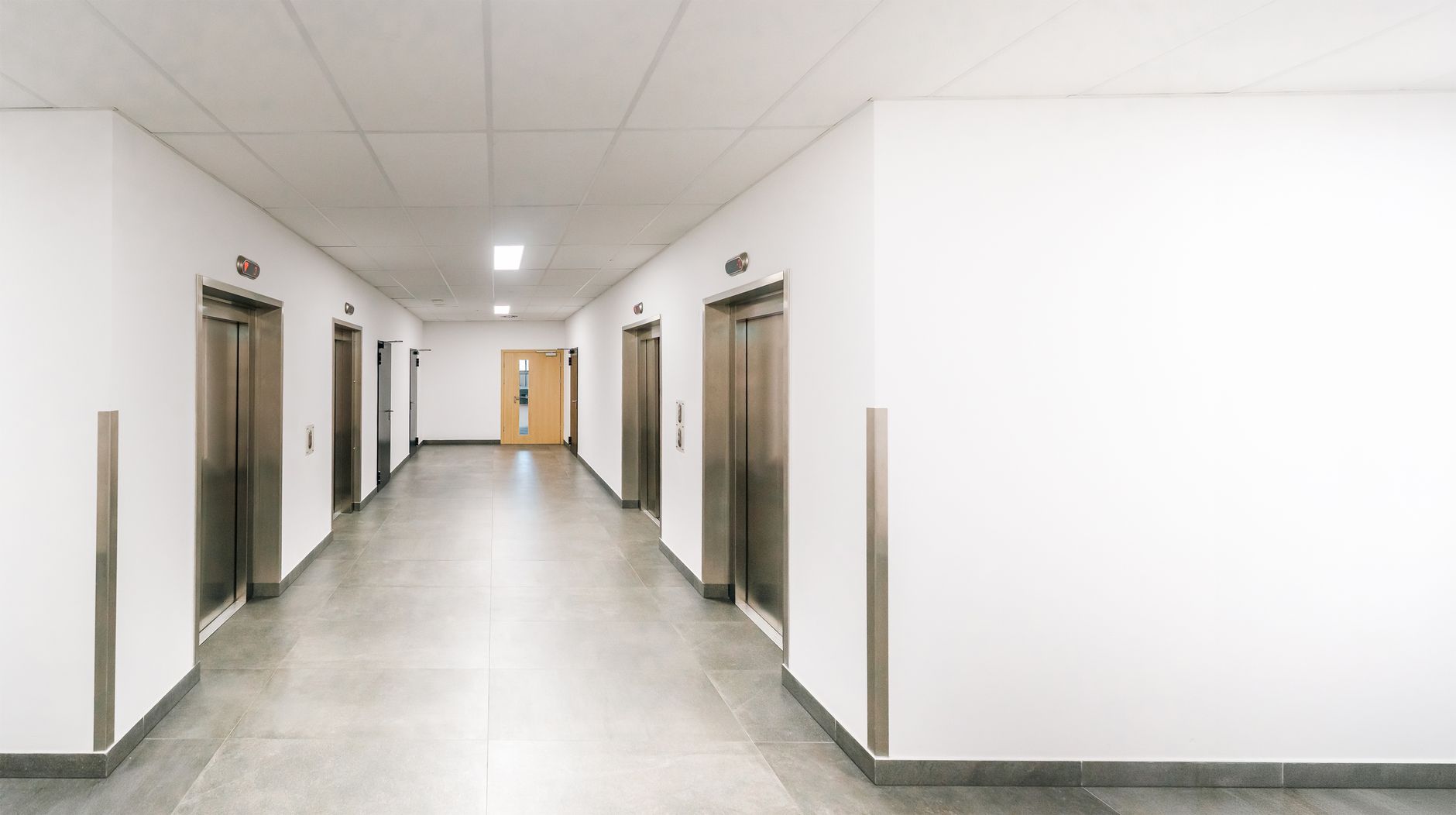
The length is the story. A project that runs three years is built to watch a robot through more than one season, more than one staffing pattern and more than one round of software or building changes. Claims made after a few weeks of operation often describe a best case, not the ordinary week a unit spends on a busy floor.
Outsiders cannot judge HosRob's results yet. The project lists a budget of 661.9 K€ and 20.3 person-years of effort, with Vilnius Gediminas Technical University in Lithuania as coordinator. Partners are listed across Lithuania, Poland and Ukraine, including a university hospital in Vilnius.
How long is long enough for a hospital robot trial?
A short pilot answers narrow questions. Can the robot reach the lab? Does it handle one elevator? Does the nurse station accept the handoff? Those answers are useful, but they rarely show whether the robot still performs when the night shift is thin, a corridor is closed for repairs or the building network changes.
Multi-site programs surface drift. A route that worked in one tower may jam in an older wing. Elevator waits can grow when visitor traffic peaks. A monthly summary may show steady delivery counts while the share of trips needing staff help quietly rises. A 36-month window gives those patterns room to appear across several sites.
What has HosRob published so far?
The only page we found for HosRob itself is the project page, checked as of November 2026. It describes the aim, dates, budget and coordinator. We did not find pilot results, trip counts or published findings, so none appear in this article.
That gap is normal for a project that began in 2026. Readers can watch for the materials a serious report would contain: a site list, trip logs, intervention counts and an account of how failures were handled. Until those appear, HosRob is a design to follow, not a result to quote.
How do HOSBOT and HospiBot compare on length and evidence?
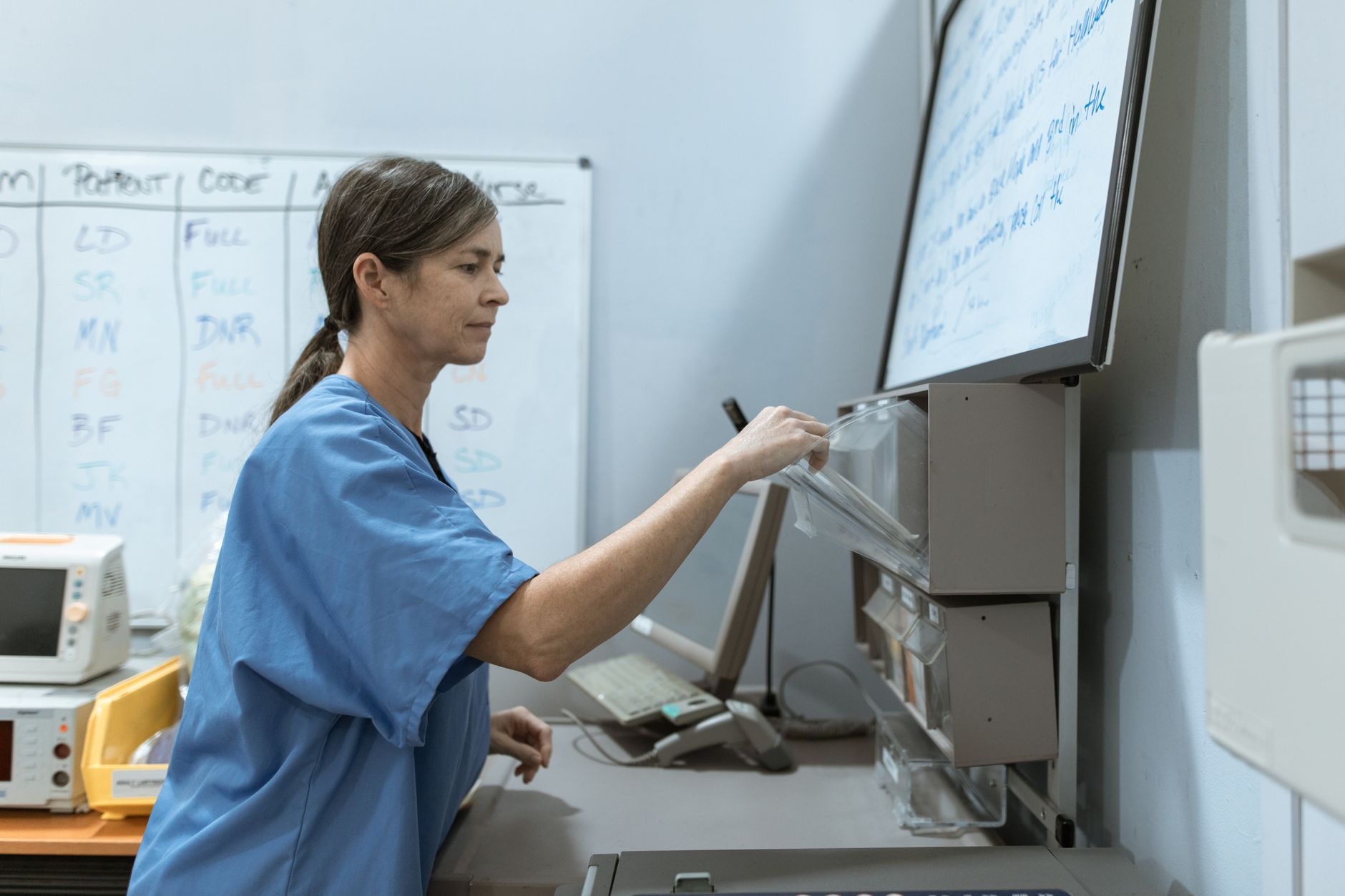
Two other European hospital robot efforts show different ways a project can be framed. HOSBOT is described in an IEEE Transactions paper as a modular hospital logistics robot, validated in three pilot experiments in real hospitals across Europe and supported within the EU project ODIN. The summary we reviewed did not give run lengths for those pilots, so they cannot be placed on the same timeline as HosRob.
HospiBot is a German-Danish project led by the University of Southern Denmark, focused on non-medical hospital tasks. Its project portal lists September 1, 2023 to August 31, 2026, the same 36-month span as HosRob. That makes it a useful reference for what a three-year European hospital project looks like on paper, although the portal material we found does not report outcomes.
What should a checklist for comparing trials include?
Use these questions to line up any two robot trials, whether they run for a month or for three years.
- Run length counted in service days, with downtime days subtracted.
- Number of sites, floors and elevator types, and whether each site ran the same robot model and software version.
- Whether the trial covers at least one seasonal peak and one staffing change.
- Metrics fixed before go-live, such as completed trips, failed handoffs, staff interventions and remote fixes.
- Whether counts come from robot logs or from a summary written afterward.
- Software updates and route remaps, logged with dates.
- Units withdrawn or retired during the trial, and the reason for each.
- Who operated the robot during the trial, vendor staff or hospital staff.
How should a hospital read a short pilot next to a long program?
Treat a short pilot as a test of fit and a long program as a test of staying power. When the two disagree, the long program usually deserves more weight, provided its metrics were set in advance and its logs are published.
Phasing helps. Start with a small zone, prove the handoff and the elevator behavior, then expand. A staged plan lets a facility gather its own long-run data, so a comparison with outside studies becomes a check rather than a leap of faith.

Where does a robot lease fit a multi-site hospital plan?
Service Robot Co. is a full-service commercial robot integrator for US businesses. We are OEM-neutral, so we select robots across manufacturers for the task, then finance, deploy, integrate, train and service every unit through a nationwide US engineer network. One partner, one number, from site assessment through go-live support.
We lease robots on a three-year lease, with one fixed lease payment quoted after a site assessment. A hospital delivery robot lease should be judged against the same checklist above, and a three-year term matches the span of HosRob's window. A common path is to start with one leased unit, measure it across real shifts, then decide on the next phase.
Frequently asked questions
Want a robot working for you?
Tell us the job and the site. We will recommend the robot, quote the lease, and keep it serviced.