Key takeaways
- A robotic mower handles open turf on a mapped route, while the crew keeps edges, beds and obstacles.
- Supervision means a named person checks the fleet on a set schedule, and you should get that answer in writing.
- The recurring report should show where the mower ran, where it stopped and how the cut looked, not just hours run.
- Slopes, wet ground and tight beds decide where a mower fits, so the site assessment comes first.
- Start with one area and one leased unit, prove the report, then widen the program.
What does a robotic mower actually cut on your lawns?
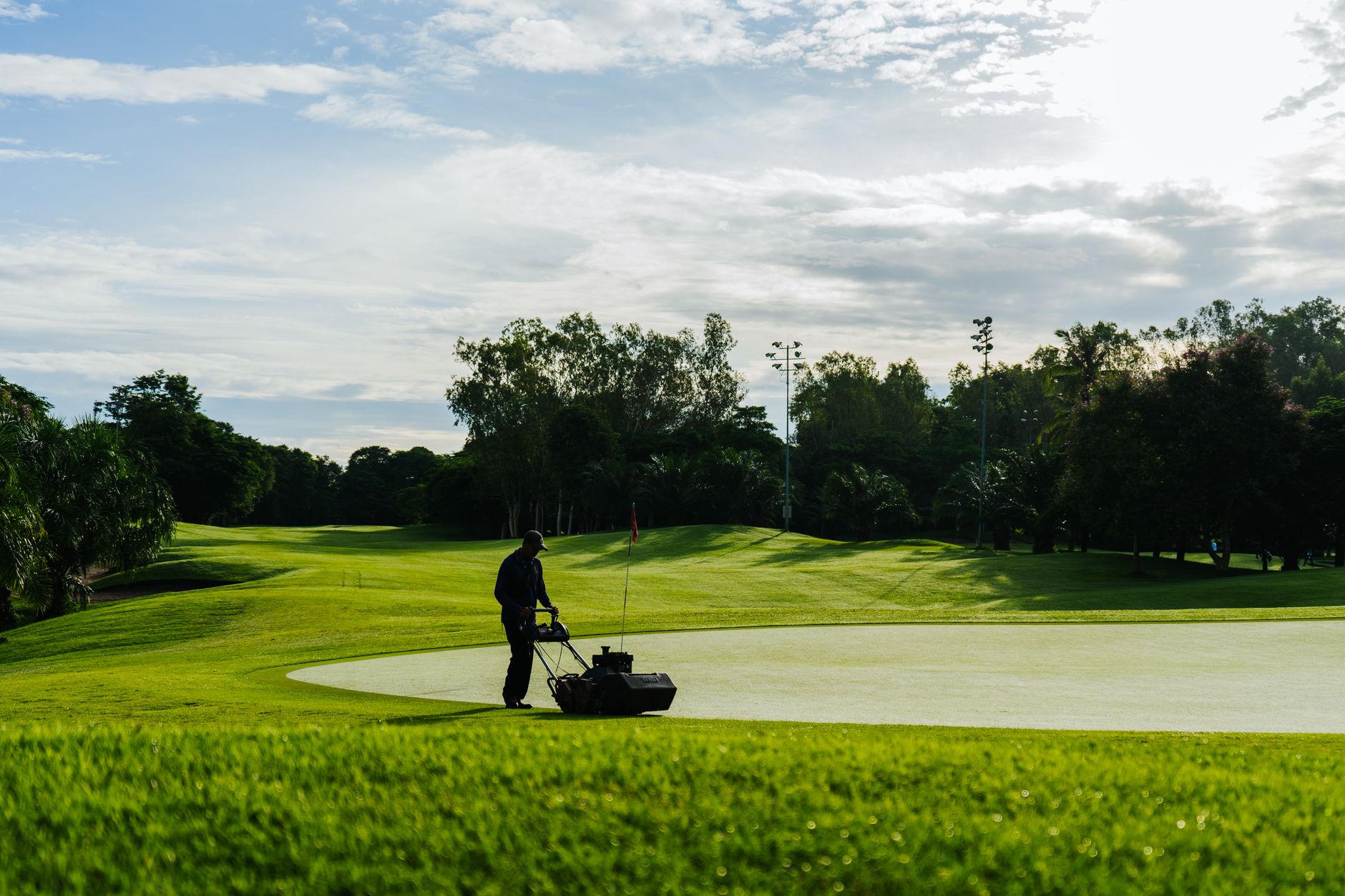
A robotic mower cuts the open turf on a property by itself, following a boundary map built during setup. It runs on a schedule, returns to its charging base, and heads back out until the mapped zones are done. On a property manager's portfolio, that means the broad fields, the lawn panels along drives, and open areas a rider would normally work.
It does not decide what the lawn needs. The crew lead sets cutting height, the pass schedule and which zones the mower may enter, then reviews those choices at each renewal. Think of the mower as a steady second worker on flat, open ground, not a replacement for judgment.
What does the crew still do on the same property?
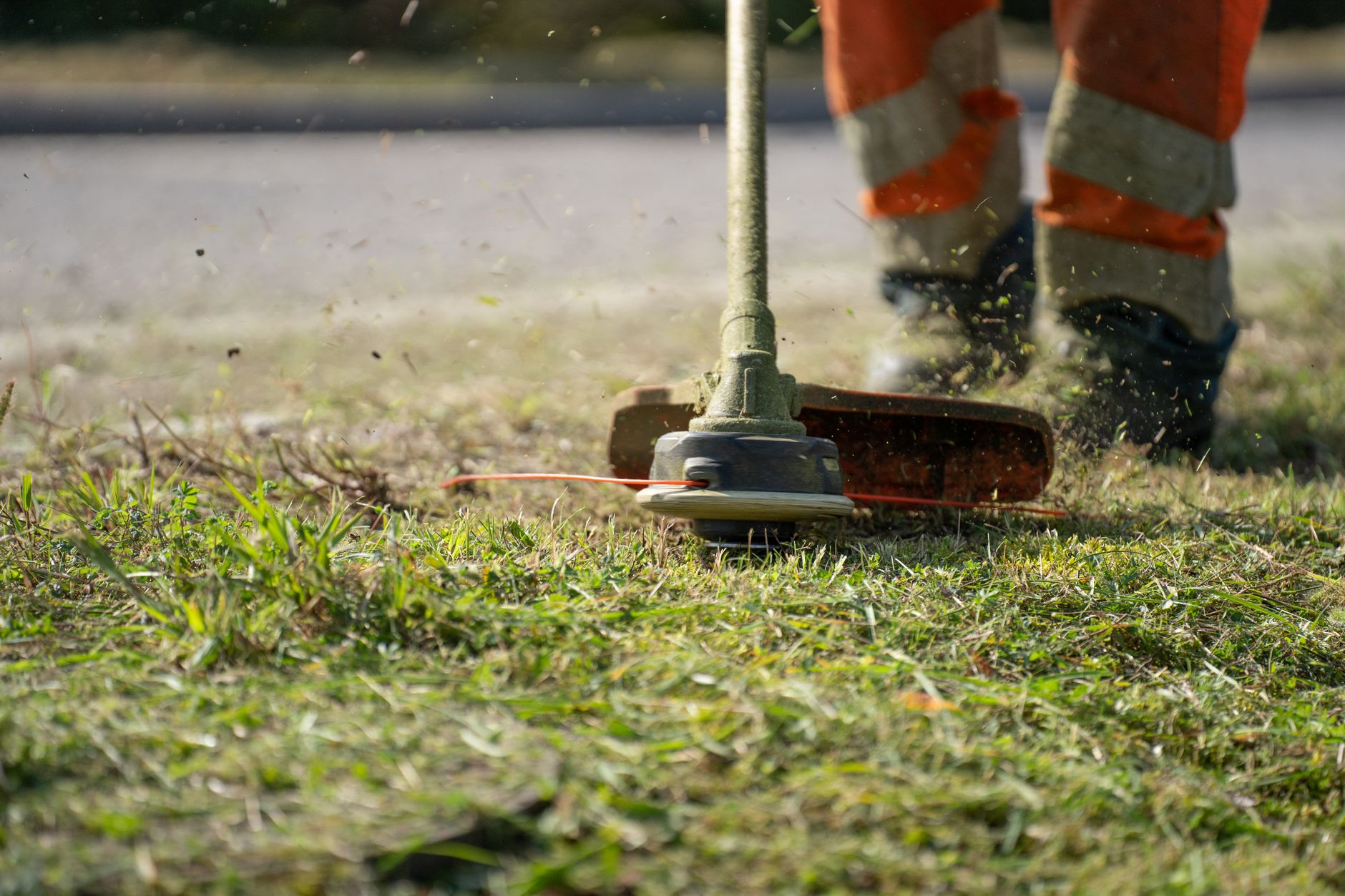
The crew keeps everything the mower cannot reach or should not touch. That means trimming and edging along walks, curbs and building lines, working around sprinkler heads, light poles, signs and beds, and clearing clippings from hard surfaces. Any spot the mower skipped because of wet ground or a slope also falls to the crew.
Robotic mowing takes the repetitive open passes so crew hours move toward detail work. Trade commentary says it can help commercial crews optimize existing labor and offset labor shortages, though adoption is still early and most contractors have not switched, according to Green Industry Pros.
Who supervises the mower when no one is standing on the lawn?
Someone has to be accountable for the fleet. In practice that is a named crew lead who reviews run logs and alerts, and walks each property on a set schedule. Maintenance tracking of usage, blade replacement, battery health and service history is where that person looks first, according to Oxmaint, a vendor adjacent property management blog rather than independent data.
We found no independent 2026 source that measures how often commercial sites are checked or who answers when a mower stops, so ask for those answers in writing before renewal. At Service Robot Co., we pick the right robots across manufacturers, then deploy, integrate, train and service every unit under RoboCare, our robot maintenance service plan, backed by regional service engineers in every state we service. That is one partner, one number, delivered on a three year lease quoted after a site assessment, with one fixed robot lease payment.
How do you prove cut quality at renewal?

Renewals are won or lost on what the client sees. Cut quality is easiest to prove with consistent cut height, clean stripes where the property asks for them, and edges that look finished on a walk. A robot pass repeats the same height every time, so the manager sees the lawn rather than the mower.
The crew still checks the result. A lead walks the lawn after each pass, notes any scalped patch or missed corner, and files a photo with a short line. That record, not a verbal promise, is what carries a renewal.
What should the recurring report show the manager?
Lead with what a manager can act on. A useful report answers where the mower ran, where it stopped, and whether the lawn looked right. It should contain these five items, in this order:
Total run hours is the least useful number on the page. A manager who reads a stop log and two photos learns more in two minutes than from a single hours figure.
- Mapped zones mowed, with the date and run time for each
- Every stop, with the reason and the time the crew cleared it
- Blade and battery service dates, so upkeep shows without a phone call
- Cut height checks and edge photos from the walk after each pass
- Crew hours on edging, trimming and cleanup, so the human work is visible
Where does a robot mower not fit, and how do you start?
Slopes, wet ground, tight courtyards and beds close to water decide where a mower belongs. A site assessment with site assessment mapping records those limits before any unit runs. Some clients are uneasy about an unmanned machine on their grounds, so raise it early and explain the stop rules.
Pilot before scaling. Start with one area and one leased unit, prove the report and the cut quality, then widen. Our robot pilot program covers robot deployment and integration, crew training and go live support before the first full cycle runs, which is how a commercial robot leasing program should let you test before committing across a portfolio.
Why are property managers and landscape firms asking now?
Adoption is early, but the reasons are appearing in public reporting. As of November 2026, Landscape Management reported that LSI Services of Old Tappan, N.J., deployed robotic mowers on a commercial property and cited reduced noise for customers and a smaller carbon footprint. Husqvarna also publishes a commercial Automower reasons page, which is vendor material and should be read as such.
Vendor material also points to cost. As of November 2026, Yarbo, a robot mower maker, cites a Mordor Intelligence report that commercial landscaping firms reported an average 22% maintenance cost reduction after switching. The vendor adds that results vary by property size, terrain and operation, so treat the figure as a question to ask, not a forecast for your portfolio.
What does a five minute renewal conversation sound like?
Open with the question the manager cares about: will the lawns look the same, and who answers when a unit stops. Then cover three points in order. Say what the mower cuts on open turf in the mapped zones. Say what the crew still does, meaning edges, beds, obstacles and cleanup. Then show the report, the stop log and the cut photos.
Close by asking which two properties the manager would pilot first. A line such as 'We will start with one area, prove the report, then widen' keeps the conversation short and leaves the decision with the manager.
Frequently asked questions
Want a robot working for you?
Tell us the job and the site. We will recommend the robot, quote the lease, and keep it serviced.