Key takeaways
- Wash bay grit is mixed: dry debris such as sand and clippings, plus oil films that need water to lift.
- Sweepers suit loose dry or damp debris, while scrubbers suit bonded oil and grime.
- Run the robot in the gap after the last wash and before the morning crew, never through a shift handover.
- Drainage comes first: a settling trap must catch solids before wash water moves on.
- Service Robot Co. leases robots on a 3-year lease, with one fixed lease quote after a site assessment.
What does a golf maintenance wash bay carry into the shop?
A wash bay is the wettest and dirtiest patch in a course maintenance yard, and its grit rarely stays inside the bay. Clippings, sand, soil, oils and fuels, fertilizer and pesticide residues, and cleaning chemicals all end up in wash water, according to a DEHOUST brochure on golf course wash bays. That brochure is vendor-reported, so treat its list as a description of what wash water can carry, not a measured audit of one yard.
Much of the debris leaves on tires, deck undersides and boots. Sand and fine soil spread across shop aisles and grind into the floor, while oil film makes the same aisles slick. The grit that reaches the shop is therefore two problems at once: dry debris that rolls, and a film that bonds.
Why does the drain matter as much as the floor?
A USGA case study on an equipment wash area describes a pad that was not sloped enough. Clippings and sand moved with excess wash water into a drain field and collected there. The improved design let staff gather clippings and sand filtered from wash water, then recycle them back onto the course.
Sand, grit and heavy dirt generally settle out quickly. A 1994 municipal source notes that sewer districts often prohibit grit that could clog pipes, so a settling sump or trap is a common first stage. A golf facility checklist adds two basic questions: does the pad have curbing and sloping to prevent runoff, and does all wash and rinse water go into a recycle system.
Recycling can save real water. An archived 1998 turf industry article describing a Colorado course reported that a screened cart separated clippings, and that recycled water saved up to 4,000 to 5,000 gallons a month.
Discharge limits and permit requirements vary by jurisdiction, and we did not verify today's limits for this article. Check with your local utility or state regulator before you change a drain. One separator vendor also claims that conventional oil-water separators often produce runoff that fails EPA guidelines. That is a vendor claim we have not independently tested.
Sweeper or scrubber: which machine fits a wash bay?

Sweepers collect dry loose debris such as dust, fibers and fragments, without water. Scrubbers apply water and solution through brushes or pads to lift bonded grime such as oil, coolant and tire marks. Vendor guides we reviewed say navigation and mapping work much the same on both types, so the cleaning method is the real difference.
A wash bay usually needs both, in sequence. Sweep loose sand and clippings first so the scrubber is not pushing grit around, then scrub the oil film. Several guides recommend that order, and combined sweep-and-scrub machines exist. These are vendor guides rather than independent tests, so run a pilot on your own floor before you decide.
Can a sweeper robot handle damp clippings?
Clippings rarely arrive dry. One vendor guide says a sweeper handles loose dust and debris, including wet material, which matters when mower decks drip after a wash. Wet clippings can still mat in a hopper or clog brushes, so ask any vendor how its machine handles matted wet debris before you commit to a route.
Run the sweeper once the bay has drained to a level where the robot can move without spreading slurry across the aisle. A quick walk with the crew lead tells you whether the drain grate is clear enough for that.
When should the robot run around wash cycles and shift changes?
Timing matters more than most superintendents expect. The clean window falls after the last wash cycle, once the trap has taken its share of solids, and before the morning crew starts hosing equipment. Shift changes are different, because crew members move mowers, carts and fuel through the same aisles at handover.
- After the final wash cycle, once the trap has settled the heaviest solids.
- Before the morning crew starts hosing equipment, so the first mower finds a clear bay.
- Mid-shift, only on shop aisles the crew has left, with a hold on the wash bay during active rinsing.
How do you map the bay and set its zones?
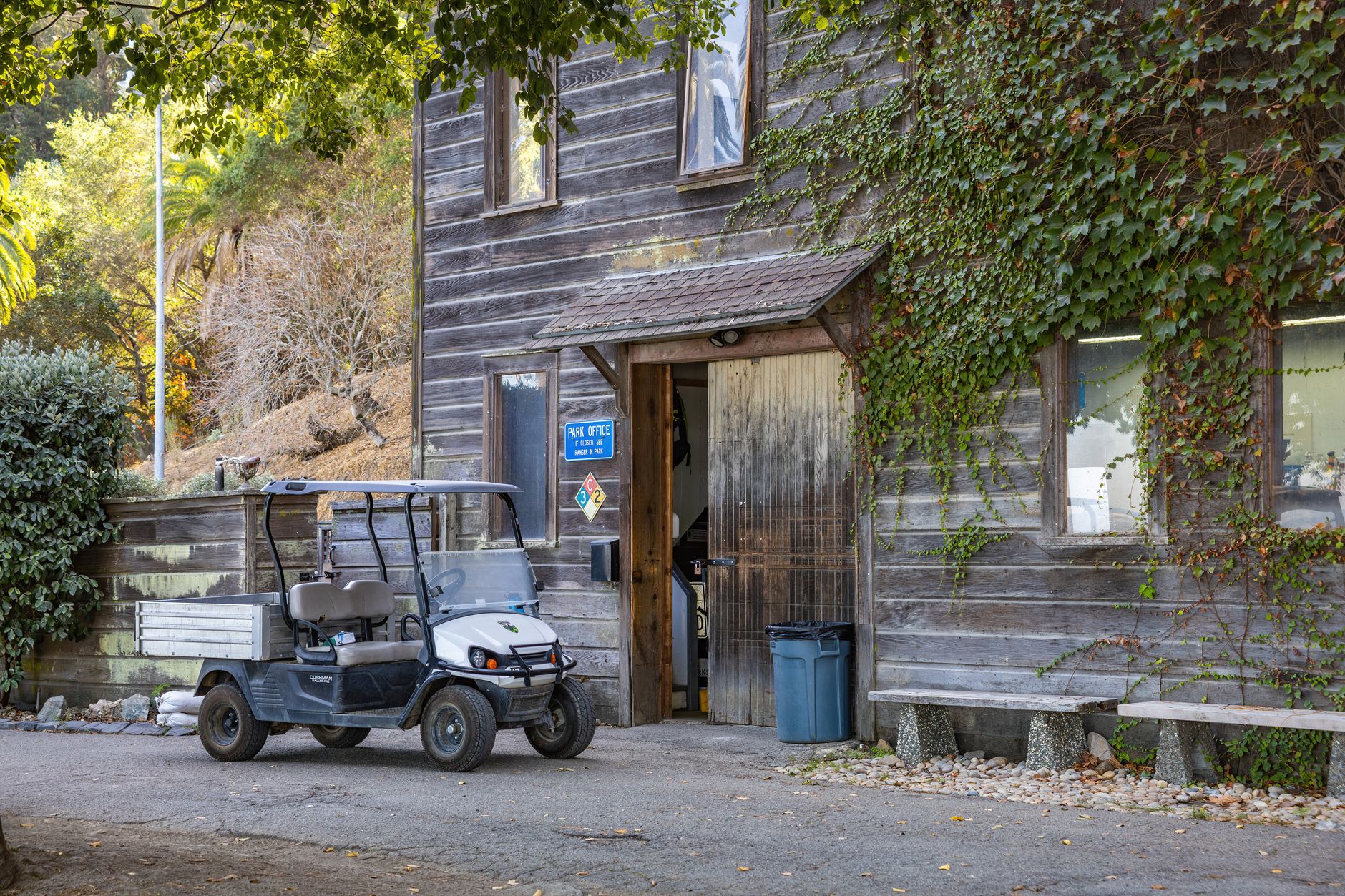
Map the wash bay as a separate zone before the first full run. Define three things: the wash pad with its hold, the shop aisle route, and a charger location clear of spray and overspray. Walk the route with the crew lead, since they know where clippings pile up and where sand collects against the drain.
Treat mapping as an ongoing task. Re-map after the wash pad is regraded, a drain is changed, or a rack moves. If the same corner keeps filling with grit, start the sweep earlier in the window for that zone.
Where does a lease and service plan fit in?
Service Robot Co. is an OEM-neutral integrator. We pick the sweeper or scrubber that fits your bay across manufacturers, then lease it to you on a 3-year lease. Our site assessment checks slopes, drains, timing windows and crew routes, and it produces one fixed lease quote after that assessment. Service Robot Co. leases robots only.
Every leased unit runs under RoboCare, our service plan, backed by regional service engineers in every state we service. Deployment covers mapping, integration, crew training and go-live support. For a superintendent, the benefit is one partner and one number, so the mapping notes, the drain details and the service calls sit in one file.
What should a wash bay pilot measure?
Pick two or three measures you already track. Note how often the trap needs cleaning before and after the robot starts, count slip reports or tracked-in complaints in shop aisles, and log each time the robot paused for a crew hold. A pilot on one bay zone shows whether the sweep changes anything before the yard commits to more.
Keep the log in a shared file that the crew lead and shop staff both read. The robot's run logs help, but they will not show what the crew sees on a Monday morning.
Frequently asked questions
Want a robot working for you?
Tell us the job and the site. We will recommend the robot, quote the lease, and keep it serviced.
Sources
- USGA: An Improved Equipment Wash Area (BMP case study)
- DEHOUST: Equipment Wash Bays for Golf Course Water Management
- DEHOUST GOtec 2025 brochure (PDF)
- 1994 municipal source on grit and sewer limits (archived by Michigan State University Library)
- 1998 turf industry article on wash water recycling (archived by Michigan State University Library)
- MaintainX: Golf Facility Checklist guide
- InRobots: Scrubber vs Sweeper Robot buyer's guide
- Monster Janitorial: Sweeper vs Scrubber guide