Key takeaways
- A compact floor robot can keep a trophy room clean when it runs only while the room is empty.
- Quiet mode matters, but silent settings vary by model, so measure before you trust the label.
- Map every plinth, case base and rope post before the first run, then remap after any layout change.
- Check stand bases, cords and surfaces after each event, not just the floor.
- A lease quoted after a site assessment lets a club start with one leased unit and widen only on evidence.
Can a floor robot clean a trophy room without disturbing members?
Yes, if the club plans the job before the machine arrives. A compact floor robot can keep a trophy room or display case area presentable by running between member visits, provided it works in a quiet mode, follows a route that clears every stand and plinth, and runs only when the room is empty. The robot handles the floor. Cups, glass and engraved plates stay with staff.
Heritage display rooms make the job harder than an ordinary lounge. Worn stone, old parquet, low plinths with brass feet, and a rope line that drifts into the path all raise the stakes. The order of work is noise first, then route, then timing, and each step depends on the one before.
How loud is a floor robot in practice?
Noise is the first question a board asks, and the published answers are thinner than they look. Most figures come from spec sheets or distributor listings, and the distance, floor type and operating mode are often unstated, so one number cannot be compared with another. Treat each figure below as vendor-reported unless noted.
The Co-botic listing shows why mode matters, because its quiet setting sits 10 dB below power mode as listed. The Nilfisk SC370 silent setting sits only 1 dB below its maximum, so a silent label alone does not guarantee a quiet room. Ask every vendor for dB(A) at a stated distance, in each mode you plan to run, and check that the test floor resembles yours.
- Nilfisk SC370, a compact walk-behind scrubber: listed maximum of 67 dB, and 66 dB in silent mode, per a Sylvane product listing (checked November 2026).
- Nilfisk NSC750, a walk-behind scrubber: 61 dB, per a Ferguson retailer listing (checked November 2026). Both Nilfisk machines are operator-run, so they serve as a baseline rather than robot figures.
- Co-botic 45 robotic scrubber-dryer: 75 dB in power mode, 71 dB in standard mode and 65 dB in quiet mode, per a Wray Bros distributor listing (checked November 2026).
- Windsor Qk32: 73 dBA measured at the operator's ear on tile in a commercial setting, from a manual reading. This is a field reading, not a rated specification.
When should the robot run during club hours?
Run the robot in the gap between member visits, not in the middle of them. Set a window that starts after the last visitor leaves the room and ends before the next group arrives. Keep a buffer on each side so staff have time to pause the machine if a guest walks in early.
Event days need their own rule. Awards dinners, speeches, photo sessions and open-house tours fill the room with people who stand still and talk. Hold the robot until the room is clear, and schedule the post-event pass for the first quiet window after the crowd leaves. Quiet mode suits adjacent lounges and early openings, but it is no reason to run during a presentation.
How should the route avoid display stands and cases?
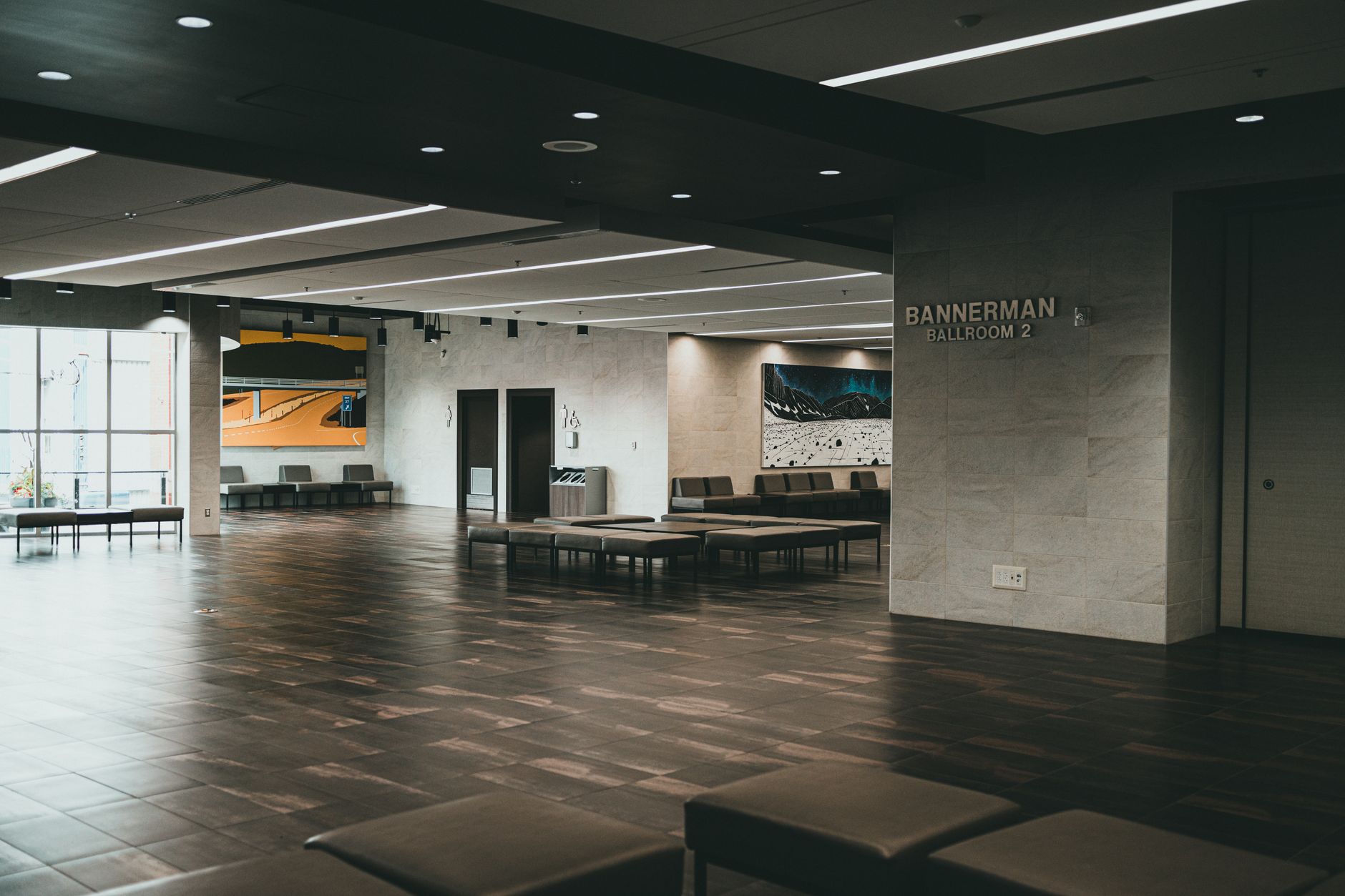
Map the room before the first run. Photograph every plinth, case base, rope post, lighting cable and threshold, then mark them on the robot's map as no-go zones or slow zones. Walk the planned route with the room lit and the stands in place, because a map drawn from memory misses a stand that was moved for an event.
Low-profile objects deserve the most care. A robot's bumpers and sensors catch what they can detect, and a thin cable, a case foot or a brass rail can sit below that detection zone. Keep those objects inside no-go boundaries and leave a clear margin around anything with a glass front. After any layout change, remap that area before the next run rather than trusting the old route.
What about carpet, stone and old wood?
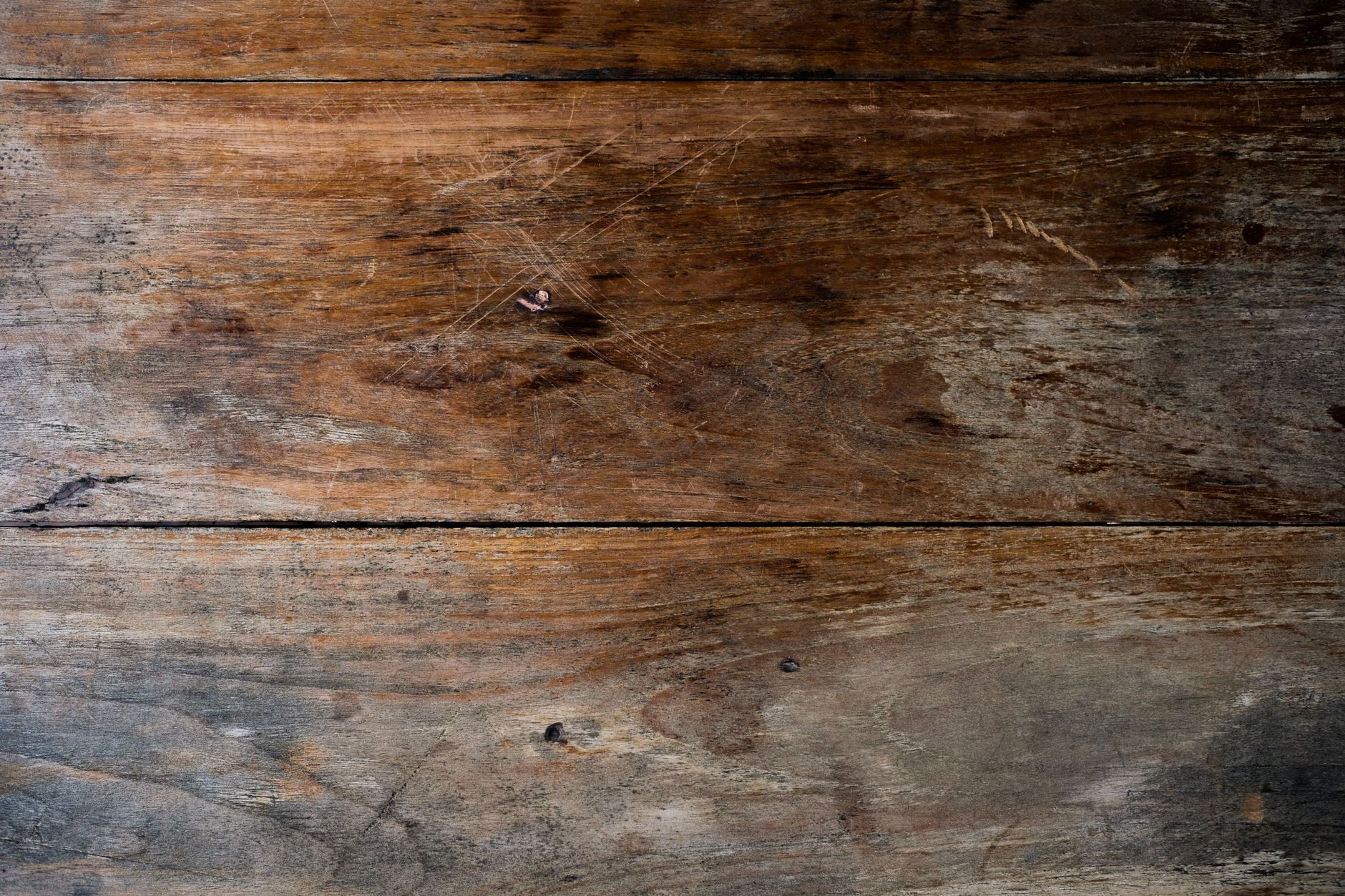
Surface type decides whether a floor robot belongs in the room at all. Carpet, polished stone and sealed wood respond differently to moisture, brushes and wheel contact. The sources for this piece include no verified floor-type figures for specific machines, so do not assume a scrubber rated for hard floors will suit heritage parquet.
Ask the vendor three direct questions: is the machine rated for your surface, are wet passes allowed on it, and what does the manufacturer recommend for transition strips between rooms. Then test a small patch in a closed room and inspect it after it dries. A heritage floor can carry a wheel mark that takes longer to notice than to make.
What should staff check after an event?
A floor pass after an event is only half the check. Staff should walk the room with the lights on and look at the parts a robot cannot judge, then log what they find so the next route accounts for it.
Record the findings in the same log as the robot's runs. A repeated scuff at one plinth, or a stop at the same threshold after each event, tells the club to change the route or the layout rather than to blame the machine.
- Plinth bases and case feet for scuffs, drink rings or candle wax.
- Rope posts and stanchions returned to their marked positions.
- Cords and lighting cables that crossed the path during the event.
- Wet footprints or residue near case edges and the entry threshold.
- Robot dock, charge level and the run log, with any stop or pause noted.
How can a club start without a large commitment?
Service Robot Co. (servicerobotco.com) is an OEM-neutral integrator for US businesses. We pick the right robot across manufacturers for the floor in front of us, then lease it through financing, deploy and integrate it, train staff, and service every unit under RoboCare, our service plan, backed by regional service engineers in each state we service. One partner and one number replace a separate vendor for each step.
We lease robots only. A club receives one fixed robot lease payment on a 3-year lease, quoted after a site assessment that maps the room, marks the stands and checks the surfaces. Commercial cleaning robot leasing for a club starts with the room itself. A club can begin with one leased unit in the trophy room, log a season of events, and decide on more units only if the records support it.
Frequently asked questions
Want a robot working for you?
Tell us the job and the site. We will recommend the robot, quote the lease, and keep it serviced.