Key takeaways
- Run robot passes in the lull after each turn wave clears, not inside the rush.
- Wet tile and grit tracked in from the course are the slip risks that matter most on heavy weekends.
- A floor still wet after cleanup needs caution signs, per OSHA guidance as summarized by a secondary source.
- Pause the robot the moment a guest enters its path, and resume only when the corridor is clear.
- Build drains and wet zones into the route so the wettest floor is not left until last.
Can a robot run restroom corridors between golf turns?
Yes, if the robot runs in the lull after a turn wave clears and stops whenever a guest is in its path. A golf clubhouse restroom corridor is small, busy, and wet for much of a weekend, so the schedule has to follow the traffic rather than the clock.
Three decisions carry most of the work: when the pass happens, where drains and wet zones sit in the route, and how staff and guests learn that the floor is in use or still wet. Each is manageable. Each is easy to skip when the tee sheet is full and the lunch room is three deep.
Why do restroom tiles turn slick on heavy weekends?
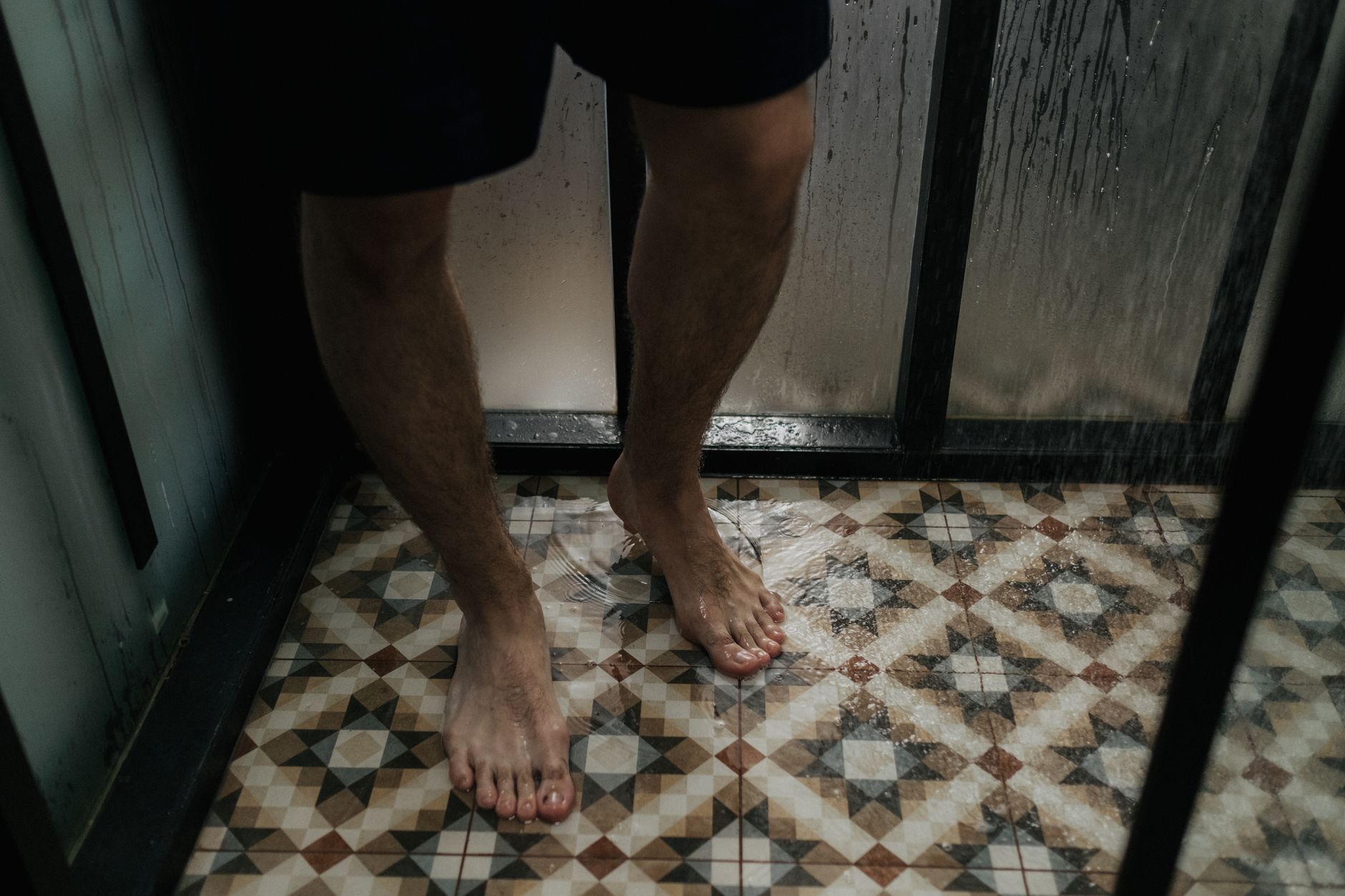
Restroom floors take the water, grit, and sand that come in on shoes, bags, and cart traffic. On a golf weekend that wet load arrives in waves that follow the turns, so a floor can look fine mid-morning and be treacherous by lunch.
OSHA's walking-working surfaces standard, 29 CFR 1910.22, requires that surfaces be kept clean, orderly, and sanitary. A secondary summary by Becker's ASC Review also describes a duty to inspect regularly and guard a hazard until it is fixed, so check the primary text on osha.gov before quoting it to staff.
OSHA's healthcare eTool recommends no-skid waxes and grit-coated surfaces in toilet and shower areas. For a restroom, the floor finish matters as much as the scrub, and a scrub pass does not replace a surface that was never treated for slip resistance.
How should robot passes fit between turn rushes?
Start from the turn schedule, not from the robot. Map the waves of golfers arriving, finishing, and heading toward food service, then find the stretch when the corridor empties. That gap, not a fixed hour on the wall clock, is the window.
Lock these inputs before you choose a window:
- Tee sheet turn times for each wave on each weekend day
- Food service and bar peaks that send guests toward the restrooms
- Staff who can hold a corridor door or walk the route during the pass
- The drying time the floor needs before the next wave arrives
Where do drains and wet zones belong in the route?
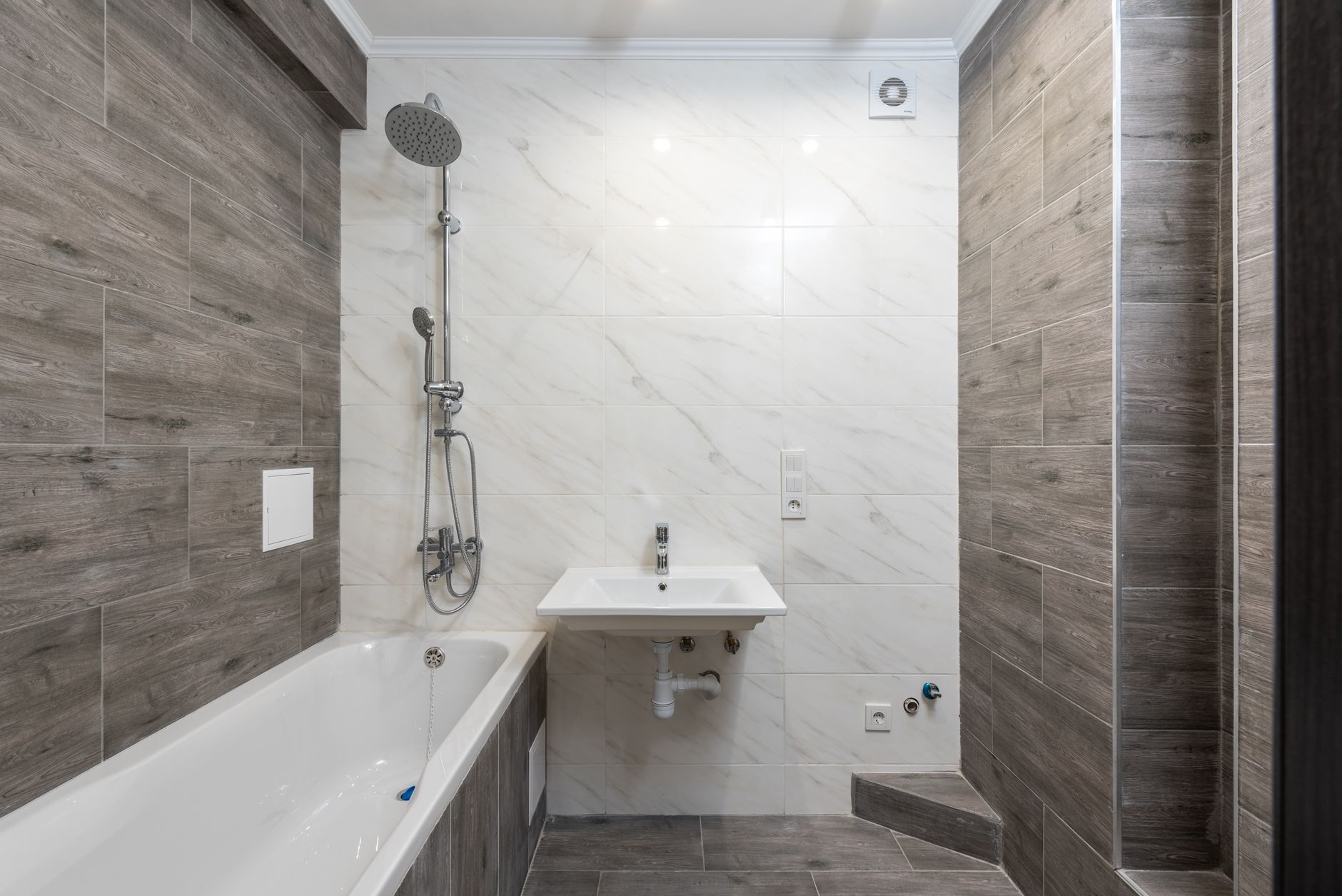
Drain placement is a site question more than a robot question. The route should reach the wettest zones, such as the entry and the spots in front of sinks, in an order that leaves them drying rather than pooling when the next wave arrives. No published standard we could find covers drain placement in golf restrooms, so treat this as an operating choice to test on your own floor.
Vendors describe autonomous scrubbers as mapping spaces, planning routes, and avoiding obstacles. Those are vendor-reported claims, worth checking against your own corridor layout. One university sports-center deployment reports a squeegee and vacuum system that leaves no wet film behind, but that is a single site's report, not independent data.
Wet-floor signage and when a floor counts as still wet
A floor that stays wet or slick during or after cleanup should carry a caution sign, according to a secondary summary of OSHA's rules that points to warning-sign requirements under 1910.145(c)(2). Confirm that wording on osha.gov, then post signs at every entry the wet zone can reach.
A Delaware OSHA-aligned checklist asks whether wet surfaces are covered or treated with slip-resistant materials. Use that question as a test after each pass. A wet floor with no sign and no treatment is not ready for guests, whatever the robot's log says.
When should a robot pause for guests?
Pause the robot whenever a guest, child, or staff member enters its path, and resume only when the corridor is clear. A restroom corridor leaves little room to route around a machine, so the pause decision belongs to a person watching the floor, not to the robot alone.
Treat these as pause triggers, not suggestions:
- A guest or staff member stepping into the corridor or a stall doorway
- Someone with a mobility aid, a stroller, or a child in the route
- A spill or tracked-in debris the robot does not clear on its pass
- A door propped open into the path for longer than the pass allows
Where do floor robots sit in the wider market?
Global professional service robot sales rose 24% in 2025, according to IFR as reported by Australian Manufacturing. Transportation and logistics took 117,500 units, up 21%, and 47% of professional service robot sales in 2025, per Supply Chain 247 citing IFR.
Professional cleaning ranked third with a 12% share in the same IFR data, as reported by Supply Chain 247. Floor care is therefore a planning item for facilities alongside other robot work, even though most of the growth sits in logistics.
How Service Robot Co. fits a golf restroom schedule
Service Robot Co. is an OEM-neutral integrator for US businesses. We pick the right robot across manufacturers, lease it through financing, deploy and integrate it, train staff, and service every unit under RoboCare, our service plan, backed by regional service engineers in the states we serve.
For a golf clubhouse, the site assessment maps corridor widths, drain locations, and turn schedules. The offer is a three-year lease with one fixed payment quoted after that assessment, so the restroom schedule and the lease terms come from the same measured floor.
Frequently asked questions
Want a robot working for you?
Tell us the job and the site. We will recommend the robot, quote the lease, and keep it serviced.
Sources
- Becker's ASC Review: OSHA guidance on slips, trips and falls
- OSHA eTool: Hospital-wide hazards, slips, trips and falls
- Delaware OSHA-aligned walking-working surfaces checklist
- Australian Manufacturing: IFR global professional service robot sales up 24% in 2025
- Supply Chain 247: Transportation and logistics professional robot sales
- Cleaning Parts Direct: autonomous floor scrubbers (vendor listing)
- University sports-center autonomous scrubber report