
Key takeaways
- Walk every fairway corridor first and mark holes where cellular or RTK signal drops before you promise full-course autonomy.
- Keep-out zones around greens, tees, and bunkers are non-negotiable; the robot should never inherit work the crew must own.
- Storm and lightning pauses are normal in humid markets; plan resume behavior instead of forcing a single daily timer.
- A vendor-neutral integrator maps, trains a watcher, and supports the unit under RoboCare after financing or purchase.
- Dead zones are a routing problem, not a failure: assign conventional passes only where autonomy cannot safely run.
Why dead zones show up after the demo looks perfect
The question every superintendent asks after a fairway robot demo is simple: which holes still need a person on a mower? Autonomous fairway units depend on reliable positioning and data links across tree lines, low valleys, and maintenance areas that were never designed for antennas.
Golf Course Industry reported in 2025 that Coeur d'Alene Golf Club superintendent Jon Bauer brought in an autonomous fairway mower and later upgraded connectivity because several holes had no usable cell service. That story is common: the machine cuts beautifully on open holes, then stops where the map meets a radio shadow.
Dead zones are not a reason to abandon the project. They are a reason to map honestly before members see the first autonomous pass.
What should be on a pre-launch coverage walk?
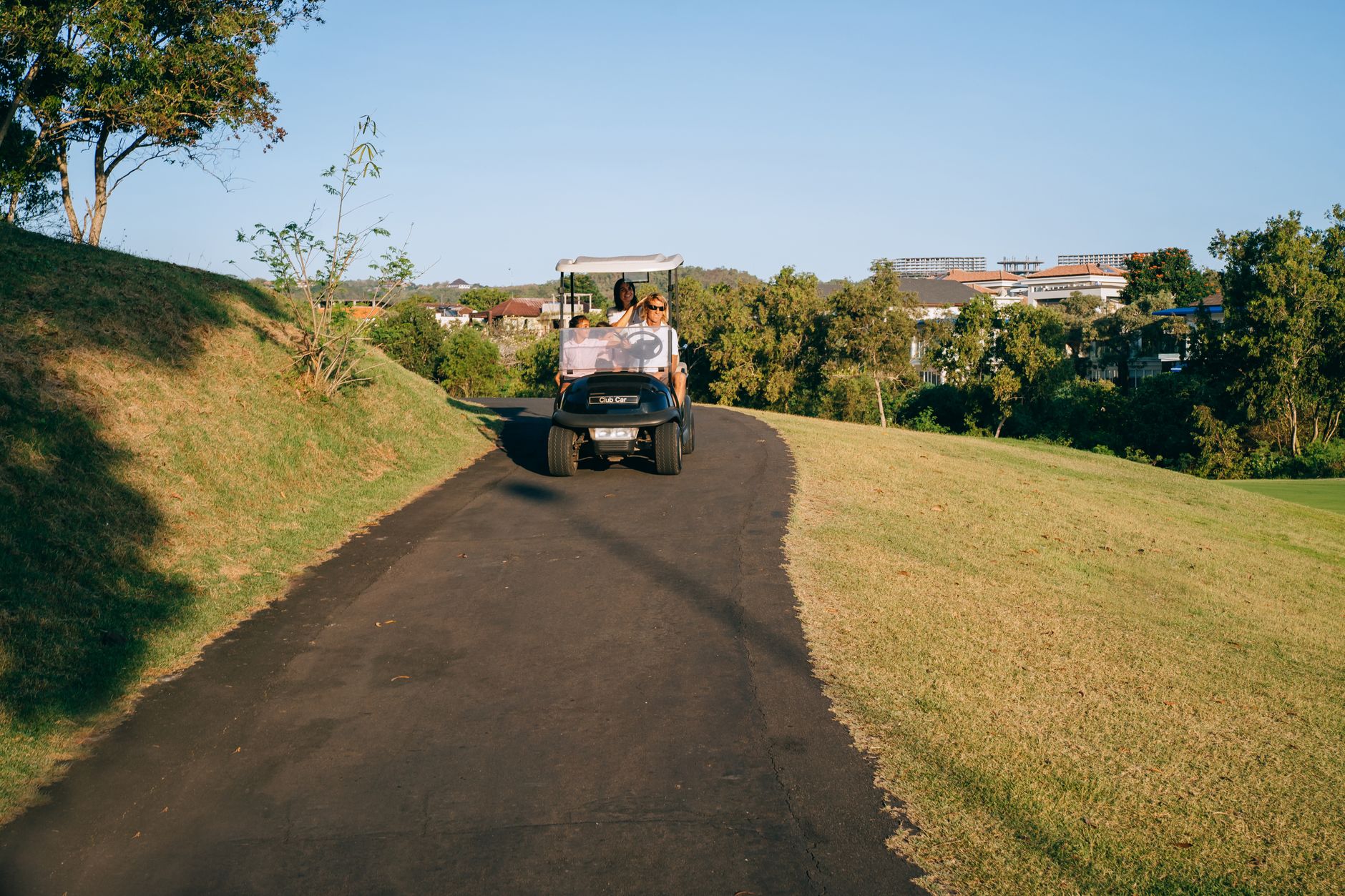
Start at dawn with a phone and a course sketch. Note where LTE bars drop on each fairway corridor, especially tree-lined holes and low pockets near water. Mark cart paths that shadow the fairway edge because those paths often predict where the robot will lose correction.
Record RTK or correction behavior at the far ends of par fives and on doglegs where the line of sight to a base station changes. If your property already uses precision irrigation or GPS sprayers, reuse those signal notes; turf teams often already know the blind spots.
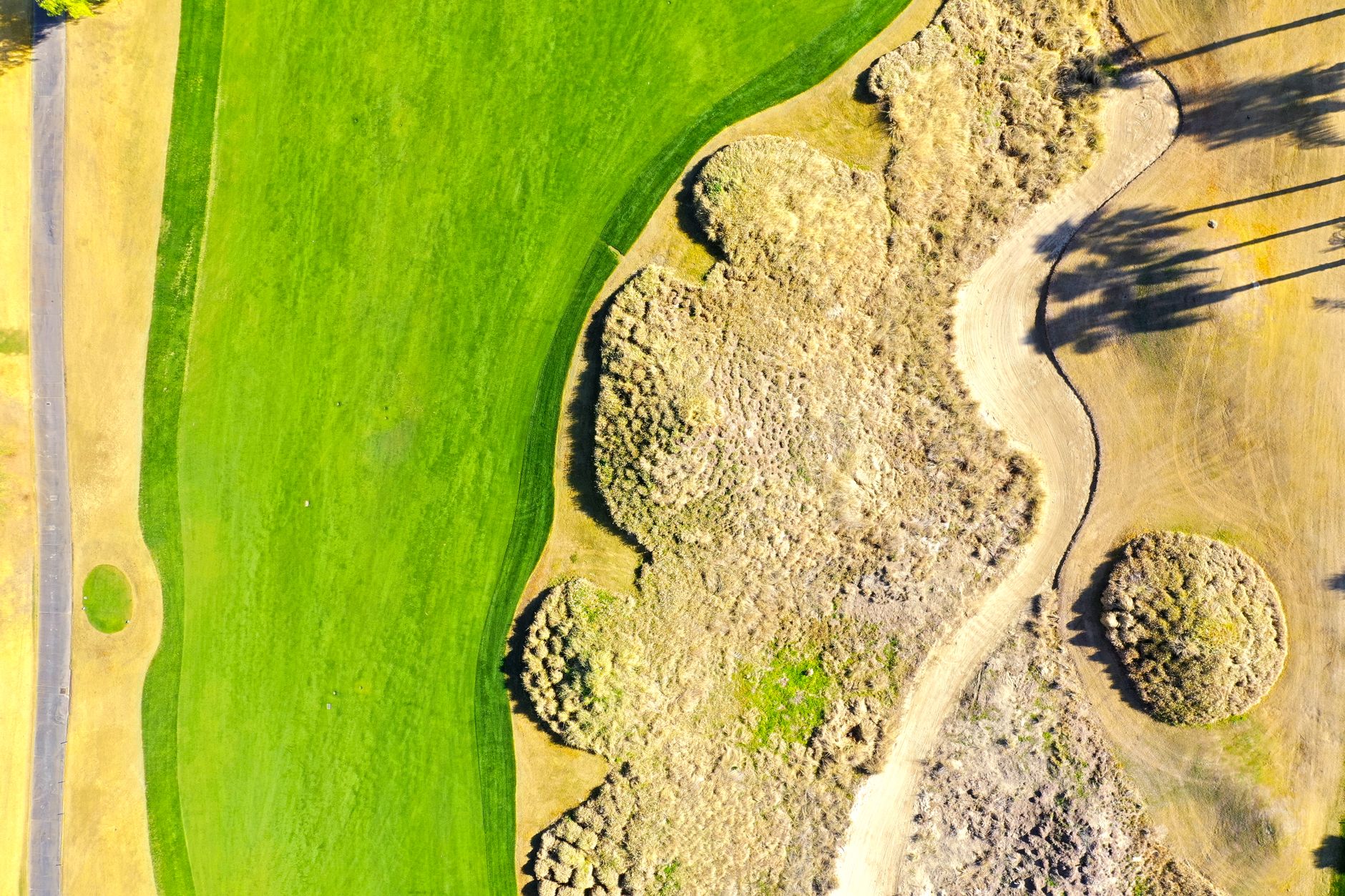
Flag maintenance yards, range fences, and pump houses as hard boundaries. The goal is a color-coded map: green for autonomous-ready fairway and rough strips, yellow for watch closely, red for conventional mowing only.
Bring the mechanic and the assistant superintendent on the same walk. Mechanics notice where metal roofs, irrigation wire, and fuel storage create interference; assistants know which fairways members complain about first when pace of play tightens.
- Hole number and side of fairway where signal fades
- Nearest landmark (cart path bend, irrigation box, tree belt)
- Whether the gap is seasonal (leaf canopy) or year-round (terrain)
- Backup plan: which pass moves back to a ride-on unit
How do keep-out zones protect greens and tees?

Fairway robots are built for fairways and rough. Greens, tees, bunkers, and hand-mowed detail stay with the crew. That division is both agronomic and reputational; members forgive a slightly wider collar before they forgive a tire mark on a green.
Digital keep-out zones should mirror physical stakes: a generous buffer around greens complexes, approach collars you mow with walk-behinds, and bunker lips that change after a rain. Superintendents who map these buffers during setup avoid midnight phone calls when a unit wanders toward a practice green.
Train the staff watcher to treat keep-outs like irrigation no-go areas. If a zone moves after a renovation, update the map the same day sod ships, not after the next tournament week.
When should storms pause autonomous fairway passes?
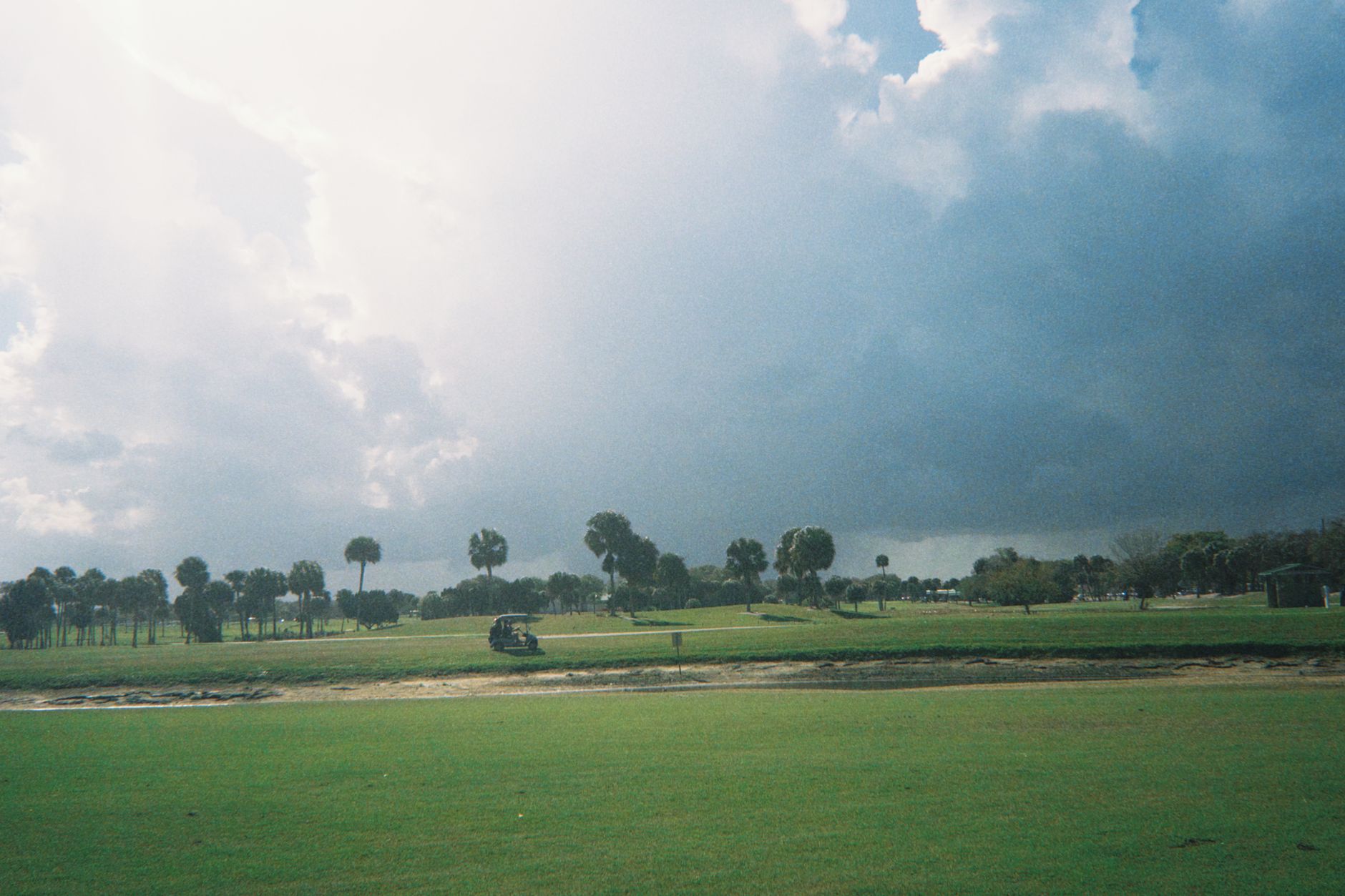
Lightning protocols already govern human crews; autonomous units need the same discipline. In Gulf and Atlantic markets, afternoon cells arrive fast, and wet rough can soften enough to leave ruts if a heavy unit runs too soon.
Pause rules should be written beside the mowing schedule: who calls the halt, how the robot returns to charge, and how long to wait after the last thunder before resuming. The map should survive the pause; rebuilding boundaries after every storm wastes the main benefit of autonomy.
Humid nights can still be ideal mowing windows when the course is closed. The win is repeatable timing, not running through standing water.
What connectivity upgrades actually fix blind holes?
When cellular correction fails on isolated holes, superintendents sometimes add alternate links. The Coeur d'Alene example in Golf Course Industry moved from a cellular RTK path to a satellite-based upgrade after the vendor documented the gaps alongside the superintendent.
Not every club needs the same fix. Some properties solve small dead zones by shifting the autonomous route to the opposite fairway side; others need hardware on the maintenance barn roof. The integrator should prove the fix on the worst hole, not on the clubhouse lawn.
Document the final architecture in the shop binder: correction source, base station location, and who to call when the status light blinks red at 4 a.m.
Florida and Gulf Coast clubs watching Concert Golf Partners roll autonomous fairway platforms into select private clubs in 2026 should ask the same coverage questions on day one, even if their soil and grass differ from mountain layouts.
How does Service Robot Co. fit a superintendent timeline?
Service Robot Co. stays vendor neutral: we match fairway-capable autonomous mowers to your mapping data, then finance through purchase or lease, deploy, train a watcher, and support the unit under RoboCare. Greens and tees never move onto the robot schedule.
A free site assessment turns your dead-zone sketch into a written plan: autonomous acres, conventional acres, and the order of rollout by nine. That sequence matters when member play stays heavy through a long season.
Clubhouse floors, cart paths, and parking lots can follow on separate cleaning or security platforms, but fairway autonomy should stand on its own business case first.
What should members and ownership see in year one?
Set expectations with a simple map on the agronomy board: where the robot runs, where it does not, and how often fairways get an extra pass. Consistency beats novelty after the first month.
Track crew hours reallocated to bunker detail, tee setup, and tournament prep rather than chasing a vague labor savings headline. Superintendents at early adopters quoted in trade press describe reallocating mowing hours toward presentation work; your scorecard should mirror that honesty.
Review dead zones quarterly. Tree growth, new range nets, and construction on neighboring lots can shrink radio corridors without anyone noticing until a unit stops mid-fairway.
Share a one-page dead-zone summary with the pro shop and general manager so tee sheet conversations stay factual when a hole is temporarily conventional-only.


