
Key takeaways
- Frost delays compress the same morning hours fairway robots would otherwise use, so pass timing must follow soil thaw, not yesterday's tee sheet.
- USGA research links morning cart traffic on frost-covered cool-season fairways to turf injury when soil temperatures stay at or below freezing.
- One maintenance lead should call the end of a frost delay before any autonomous unit leaves the barn.
- Late fall growth slowdown means fewer robot passes beat forcing daily stripes when grass is barely growing.
- Vendor-neutral integrators can tie charger placement and route edits to your frost communication plan.
Why do frost delays change fairway robot plans in the Midwest?
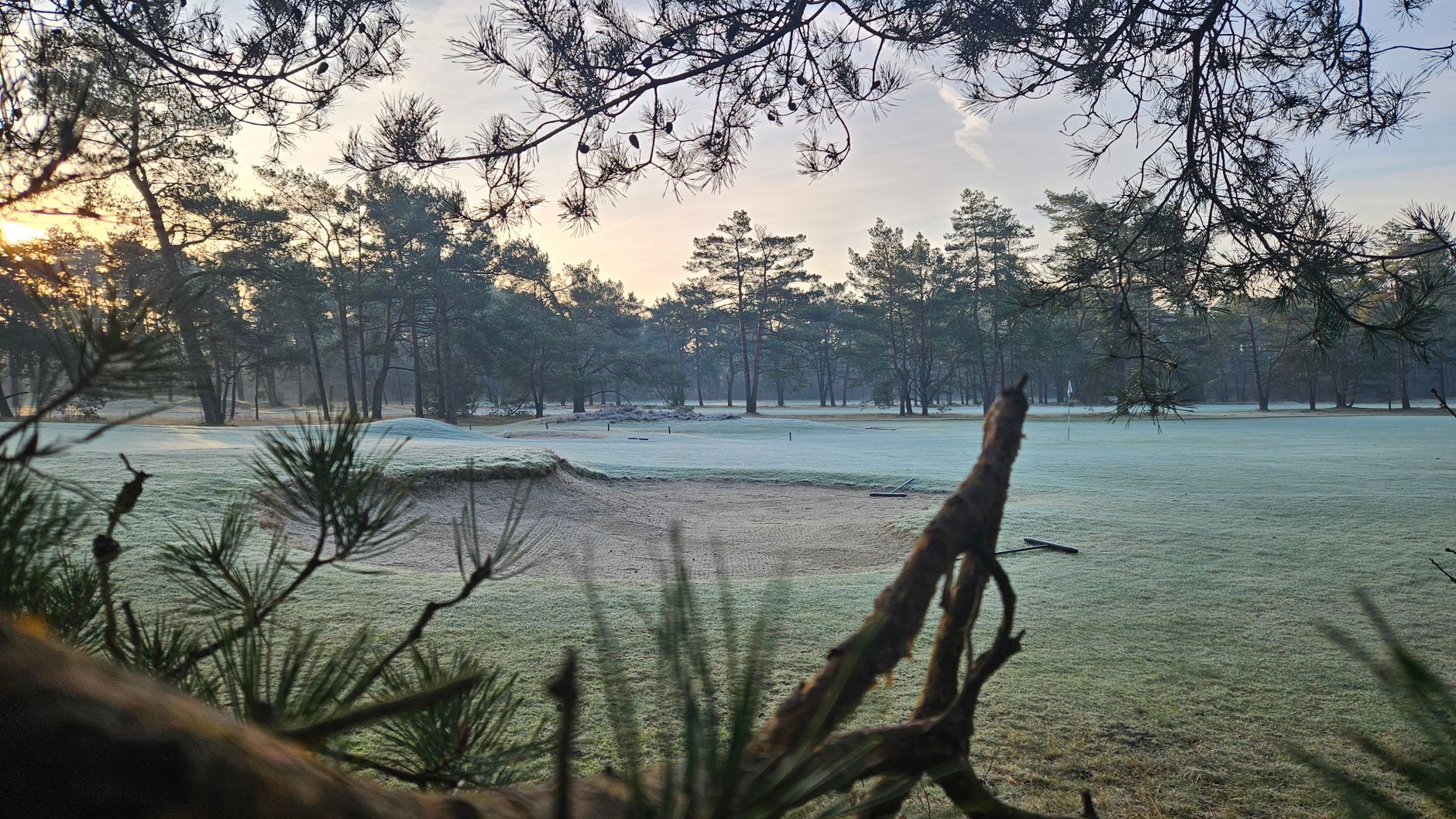
Late spring and early fall in Indiana, Ohio, and neighboring states bring mornings when fairways glitter with frost while the tee sheet still fills. Superintendents already delay carts and heavy equipment until turf can take traffic without bruising. A lawn mowing robot scheduled like a summer fairway pass will hit the same conflict.
The practical shift is to treat autonomous fairway and rough work as flexible blocks that start only after your frost program clears equipment, not just walking golfers. Greens and tees remain human-led because rolling, mowing, and setup still follow their own frost rules. Robots earn hours on fairway corridors once soil and canopy conditions match what you would allow for a ride-on fairway unit.
Golf Course Industry frost guidance stresses one senior maintenance voice calling when the delay ends, consistent member communication, and no promised tee times while ice crystals remain. Fairway robot schedules should publish the same discipline so members do not assume a quiet fairway means play is already open.
What does research say about traffic on frost-covered fairways?
USGA Green Section Record research on traffic during frost and freezing conditions found cart passes on annual bluegrass and perennial ryegrass fairways reduced turf quality when applied at 8 a.m. versus later in the day during winter monitoring periods. Correlation work pointed to morning soil temperature as a strong predictor of injury for those surfaces.
When morning soil temperatures were below 32 degrees Fahrenheit, traffic in morning or afternoon slots could injure annual bluegrass fairways in that study. Perennial ryegrass showed unacceptable injury at morning temperatures at or below 35 degrees Fahrenheit. The lesson for robot routing is not that autonomous units are magically lighter, but that timing matters as much as tire type.
Maintenance equipment also damaged greens under frost in the same line of research, so mowing and rolling still wait even if walking access loosens. Fairway robots should stay parked until the same threshold you use for fairway cart or mower traffic, with routes edited on heavy frost days rather than forced.

How should spring first-cut timing interact with robot passes?
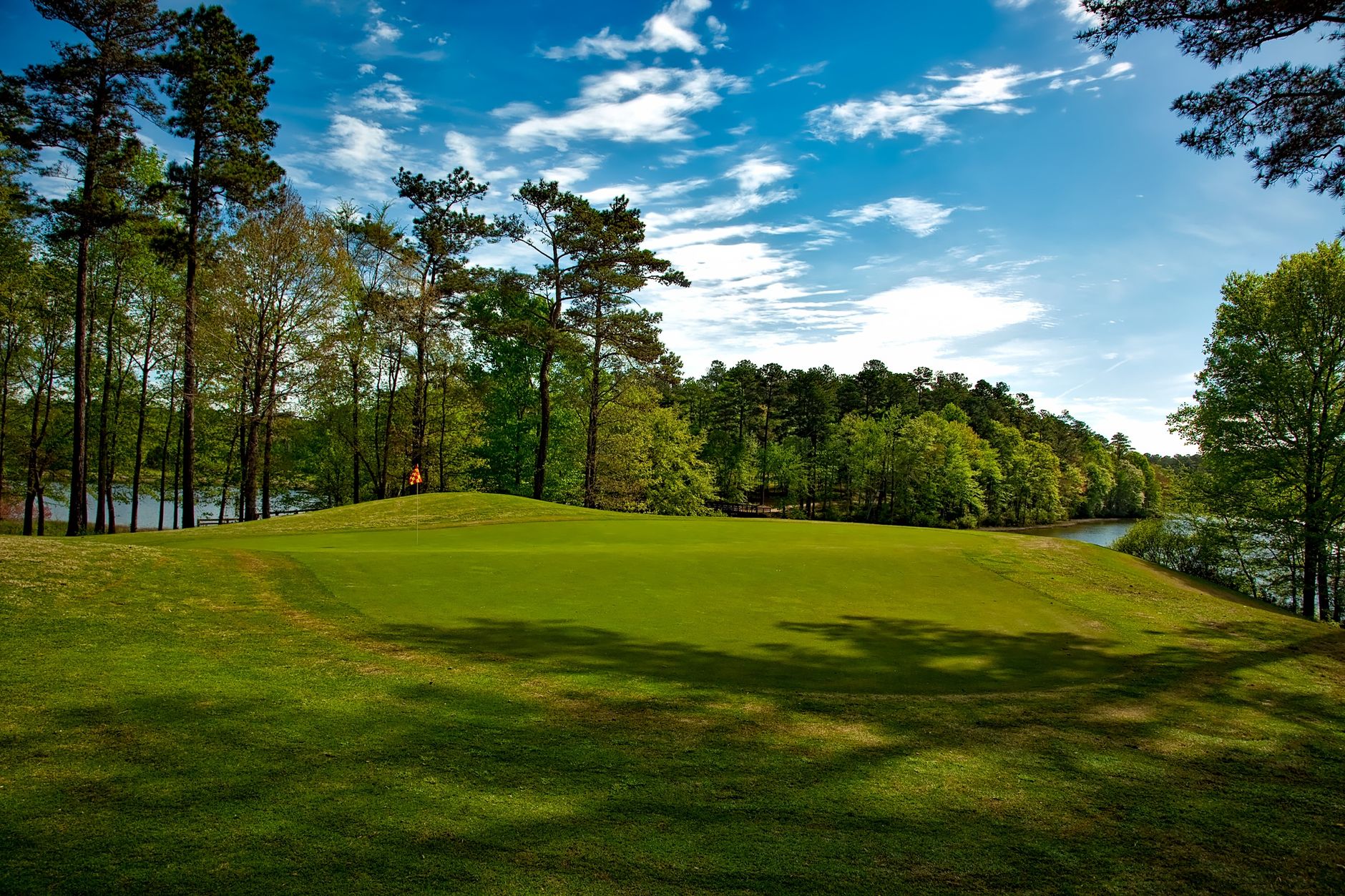
University of Tennessee turf specialist John Sorochan told Golf Course Industry that the first cut of the season on cool-season fairways should match the last fall height before active growth returns. Superintendents often mow dormant brown leaf tissue before stepping down, which is a human judgment call robots should not rush.
Cool-season fairways in the Midwest typically see meaningful mowing resume in early April, while warm-season surfaces follow later frost dates, according to extension sources quoted in the same piece. Map robot height-of-cut targets to those phased steps instead of importing a midsummer strip pattern on the first thaw.
If your course hosts high school matches or early member events, build buffer days where the robot runs only rough or peripheral loops while fairways stay at the taller spring setting. That keeps autonomous hours productive without fighting agronomic first-cut rules.
What changes in fall when growth slows?
USGA Green Section education director Adam Moeller told Golf Course Industry that labor, not equipment, is often the limiting factor for late-season mowing. When staffing is thin, superintendents must decide whether another fairway pass adds playability or just wears metal.
Moeller also warned that holding summer mowing heights deep into cold weather without letting turf acclimate can raise winter injury risk in northern markets. Autonomous units make it easy to over-mow because no operator is tired. Drop weekly pass counts when growth charts flatten, and favor rolling programs your team already uses for speed management.
Kentucky turf extension specialist J. Mark Munshaw noted in the same fall mowing roundtable that mowing solely out of habit when growth is negligible adds wear without benefit. Program the fleet dashboard for seasonal minimums, not peak-season defaults.
How do you sequence crew work versus robot blocks?
Start with a frost calendar tied to your average first frost date and member communications two weeks ahead, as frost-delay articles recommend. Overlay fairway robot passes as movable bars that cannot start until the maintenance lead clears equipment traffic.
Assign charger locations on paved pads away from low fairway pockets where cold air pools. On shotgun-start frost days, pause transit paths that cross shaded nines until those loops thaw. Keep detailed logs of aborted passes so you can show members why a strip looks taller after a hard freeze.
When frost lifts mid-morning, humans usually sprint through hole setup. Let robots take the next open fairway window while staff finish cups and tee markers. The split preserves the rush without sacrificing the long fairway hours robots handle best.
Do bermudagrass or non-overseeded fairways change the rules?
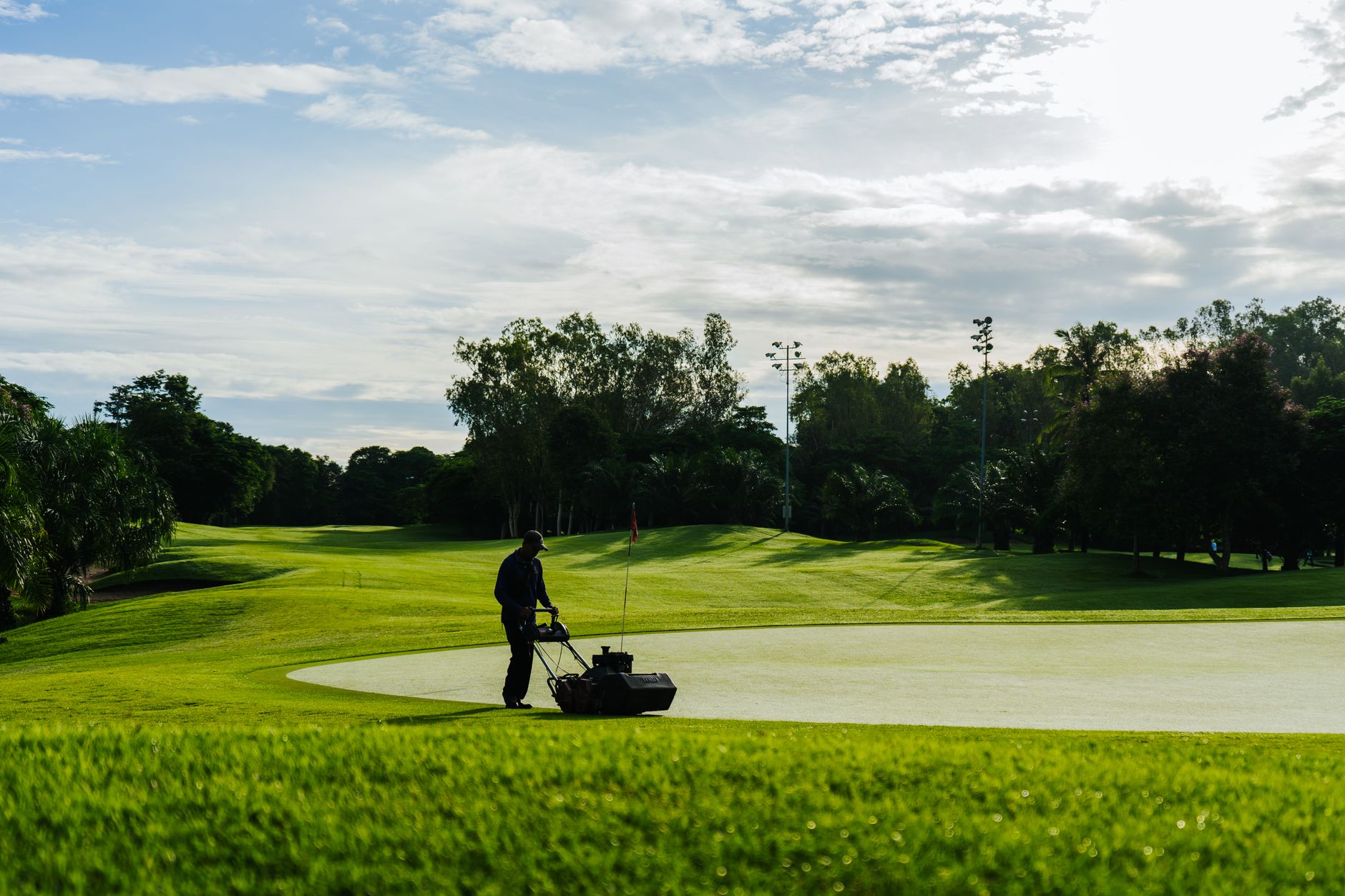
USGA guidance on non-overseeded bermudagrass fairways notes that concentrated traffic still damages slow-growing turf in fall and winter, even when overseed is gone. Some courses relax cart rules to fill tee sheets, while others keep delays. Your robot policy should match the traffic rule members see, not a separate lax standard.
Hybrid approaches described there include walking-only play with carts in rough under frost. Map robots away from dormant bermuda crowns if your policy keeps carts out of fairways entirely during freeze events.
Southern Ohio and Indiana transition zones may mix cool-season fairways with warm-season rough. Use separate polygons and frost rules per surface rather than one fleet schedule.
Where does outside integration help?
Frost weeks are the wrong time to negotiate mapping software, financing, and service contracts alone. Service Robot Co. acts as a vendor-neutral integrator: we select fairway-capable autonomous mowers, structure buy or lease paths, walk the course, and maintain RoboCare support through regional engineers.
Ask for a free site assessment that explicitly covers frost-delay communication, charger placement, and seasonal pass minimums. A short pilot on one fairway loop through a known frost month proves whether routes fit your delay calls before you scale the fleet.
Robots do not replace frost judgment. They extend fairway and rough capacity once your team clears the morning freeze window and still has collars, bunkers, and member questions waiting.


