Key takeaways
- No public record we checked shows a robot mower running on a pitch and putt course, so the plan rests on transferable golf practice.
- Short holes leave little turning room, so mapping tee box edges, green collars and cart paths comes before the first pass.
- Place hold points at the edge of each zone so a paused mower has room to wait without blocking play.
- Tournament fleets add cutting capacity, but greens, tees and hand edges still need crew coverage.
- Vendor and press figures are reported claims, so run your own trial before you rely on them.
Can a robot mower cut a pitch and putt course?
On paper, yes. In practice, the public record we could check does not yet show a robot mower running on a pitch and putt course or on its tee areas. The autonomous fairway work we found sits on full size courses and at tournaments, so any short hole plan is a plan to verify, not a result to copy.
The layout approach still transfers. Map the tight areas, set hold points where people and mowers meet, and plan crew coverage for the days when the tee sheet fills. Each step below is a test you can run on your own grounds before you commit to anything.
How small are the holes, and what does that do to passes?
The sizing data we could verify is old. A 1965 article held in the MSU Libraries archive describes pitch and putt holes of 25 to 60 yards, with greens of 1,000 to 1,500 square feet. It predates robot mowers, so it helps with path sizing, not with machine performance.
A student prototype gives a rough feel for pace. A Florida Atlantic University senior design project from 2022 reports that its autonomous greens mower covered a 400 square foot green in about 15 minutes. That is a university prototype claim, not a commercial specification, so keep the number out of any bid.
The real constraint is turning room. On a green ringed by tees and cart paths, every turn is a small decision, and the mower's turning radius decides how close it can run to a tee edge or a bunker lip.
What should you map before the first pass?
Mapping decides whether a small course succeeds. Start with the zones where a mistake shows: tee box edges, the collar around each green, cart path borders, drains, and any slope steep enough to matter.
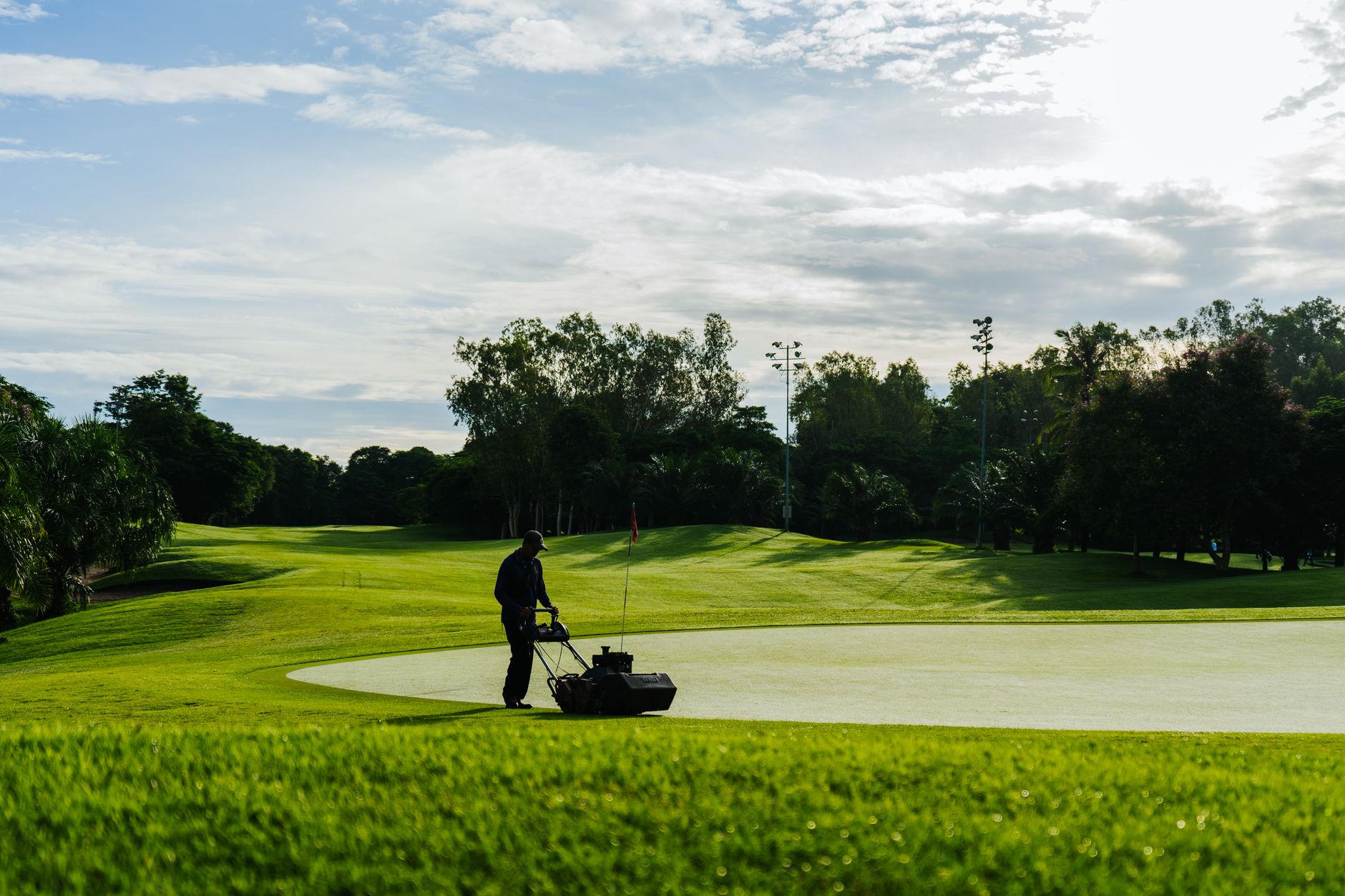
A USGA case study on robotic greens mowers reports that the machines kept a consistent perimeter on each green. That result is hard to achieve without precise positioning and an in ground wire sensor. The same study notes that turning radius can be adjusted to reduce turf damage on green surrounds, a useful setting when the surround is narrow.
Where should hold points sit near greens and tees?
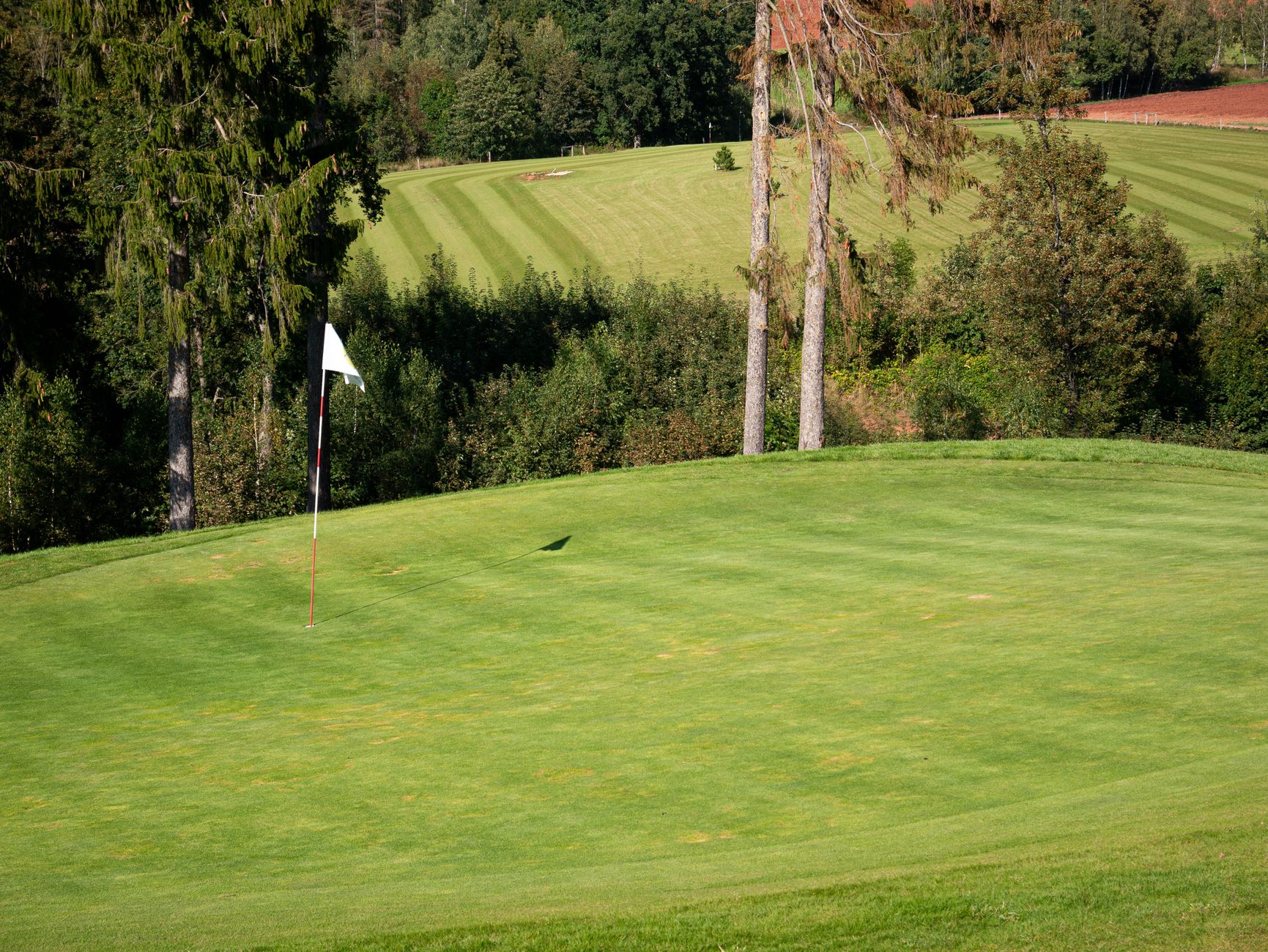
On a short hole, a hold point is about people more than turf. A group on a tee, a crew member working a flag or bunker, or a golfer walking to the next green each justify a pause before the mower enters that zone.
Place each hold point at the edge of the zone, not in its middle, so a paused mower has room to wait without blocking a walking path. Log every hold with its time and hole. The pattern shows which greens cause the most stops and where the layout needs a second look.
How much crew coverage does a busy day still need?
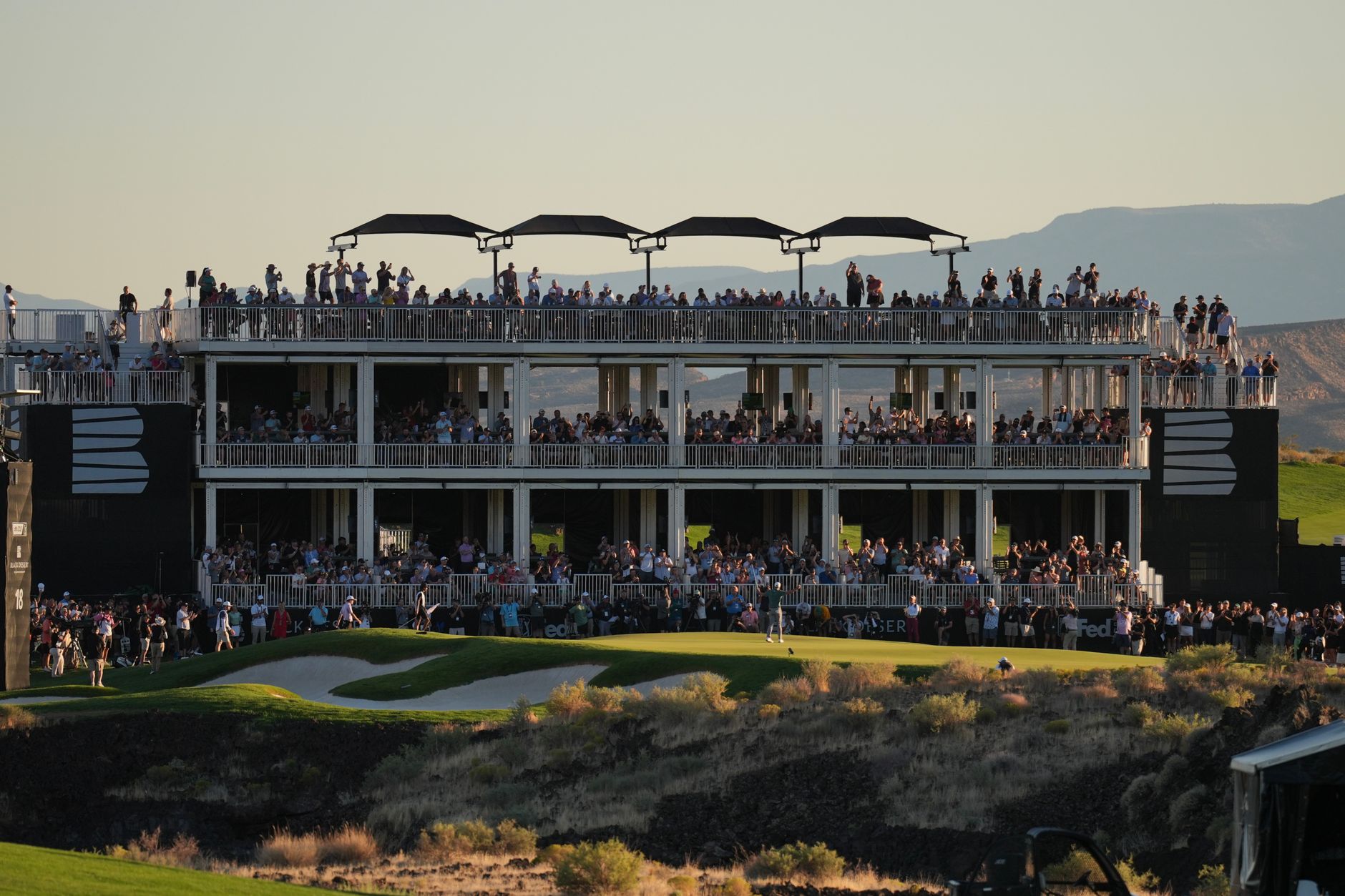
Tournament weeks show the scale of the work. According to a Golf Business News report, seven Husqvarna CEORA mowers maintained fairways at The Belfry before the 2026 Husqvarna British Masters, and 16 units were deployed across the Brabazon Course during the event. The report relies on press and club figures, so treat them as reported rather than audited.
The lesson for a small course is staffing. A fleet takes the repetitive passes, but greens, tee boxes and hand edges still need people, and a packed tee sheet can pull those people off the mowing route. Plan coverage for the busiest weekend first, then build the weekday routine around it.
Adoption is spreading beyond tournaments. According to Golf Course Industry, as of November 2026, Wichita Country Club in Kansas is adopting Toro autonomous fairway mowers in 2026. The Golf Wire reports that Concert Golf Partners adopted FireFly Automatix's electric autonomous fairway mowing platform in March 2026.
What does the mixed record tell a course owner?
Outcomes are uneven. A Michigan lodge blog reports that an Echo Robotics install on a golf course was stopped and uninstalled in 2025, and that a later Yarbo test ran on holes 5, 6 and 9 in July 2026. The blog does not establish the results of that test, so treat both stories as open questions.
Vendor materials need the same scrutiny. Rye Robotics, founded in 2022, targets golf turf with a Level 4 autonomous mower for fairway trimming and rough care. Its funding details come from Dealroom, while its performance claims come from the company itself, so ask for your own trial data before relying on them.
How would Service Robot Co. approach a short hole course?
Service Robot Co. is an OEM neutral robot integrator for US businesses. We pick the right robots across manufacturers rather than pushing one brand, and we handle robot leasing through financing on a three year lease. The fixed robot lease payment is quoted after a site assessment, so the cost is clear before deployment.
For a pitch and putt, the site assessment is the site assessment mapping stage: boundaries, slopes, hold points and charging locations. We then handle robot deployment and integration, train your crew, and service each unit under RoboCare, our service plan, backed by regional service engineers in every state we service.
If the course has not run robots before, a phased deployment on a few holes produces the data you need before any larger lease. Map first, measure the holds, then decide how many units the course needs.
Frequently asked questions
Want a robot working for you?
Tell us the job and the site. We will recommend the robot, quote the lease, and keep it serviced.
Sources
- Golf Business News, Belfry Husqvarna British Masters report
- USGA case study: Maximizing Productivity with Robotic Mowers
- Florida Atlantic University senior design project: Electric Greens Mower
- MSU Libraries archive, 1965 golf periodical article
- The Golf Wire, Concert Golf Partners and FireFly Automatix
- Golf Course Industry, implementation article part 3
- Keweenaw Mountain Lodge blog
- Dealroom, Rye Robotics funding news