Key takeaways
- Walk the fairway-to-rough line on foot before the first robot pass, and mark it with stakes.
- A height step at the edge is the usual cause of a visible seam, so measure both sides.
- Vendor first-cut features are unverified until they are tested on your own turf.
- Log every ragged spot for the first two weeks and adjust before member play picks it up.
What a transition strip is and where the handoff goes wrong
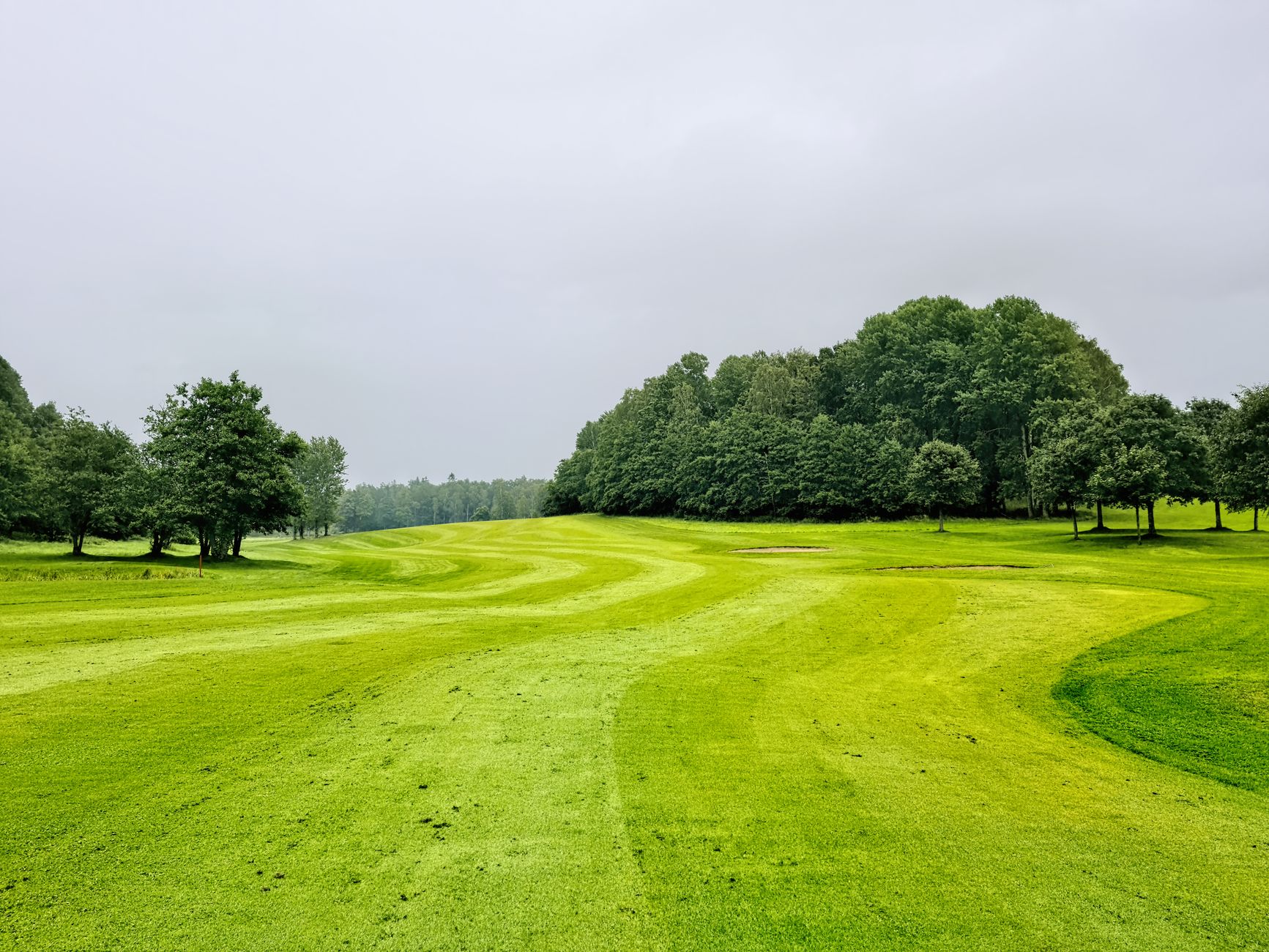
A transition strip is the band where a fairway mower stops cutting at fairway height and the rough begins. On a robot course, that line is where one machine hands turf to the next, either a robot, a reel mower or a rotary rough mower. Set it carelessly and members spot it at once: a stripe of uneven height, a scalped patch, or rough clipped too low.
The fix is mostly routine, not technology. Walk the line, check the height at the edge, mark it with stakes, and watch the first two weeks of passes closely. A vendor feature can help, but it sits on top of that routine rather than replacing it.
Walking the handoff line before the first robot pass
Start on foot, not from the seat. Walk the full edge with a superintendent or crew lead, ideally at the time of day the robot will run. Dew, traffic and sun change how turf stands, so a line that looks clean at noon can look different at dawn.
Pay attention where the fairway edge meets a cart path, a bunker lip or a tee. Those are the places where one mower's pattern meets another's, and where ragged strips usually start. Walk them twice.
Checking for a height step at the edge

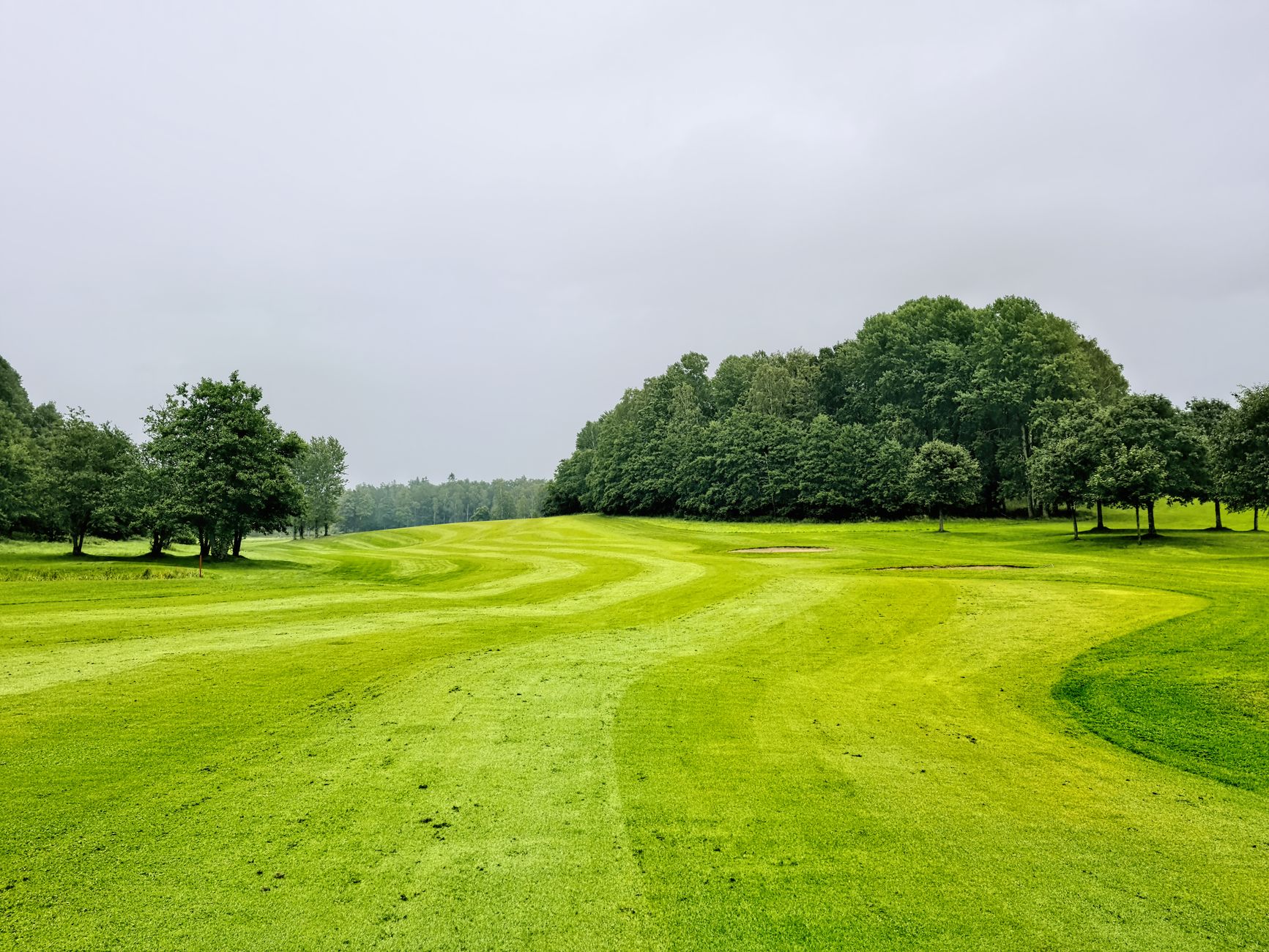
A height step is a sudden drop or rise between the fairway cut and the rough cut. It causes the most visible seams, and it is easy to measure with a ruler or height gauge at several points along the line.
Measure both sides of the boundary, then record the fairway height, the rough height and the difference. Husqvarna describes CEORA as operating across fairway, semi-rough and rough at 10 to 60 millimeters, a vendor-reported range. It tells you what the machine can do, not what your turf will hold after a wet week.
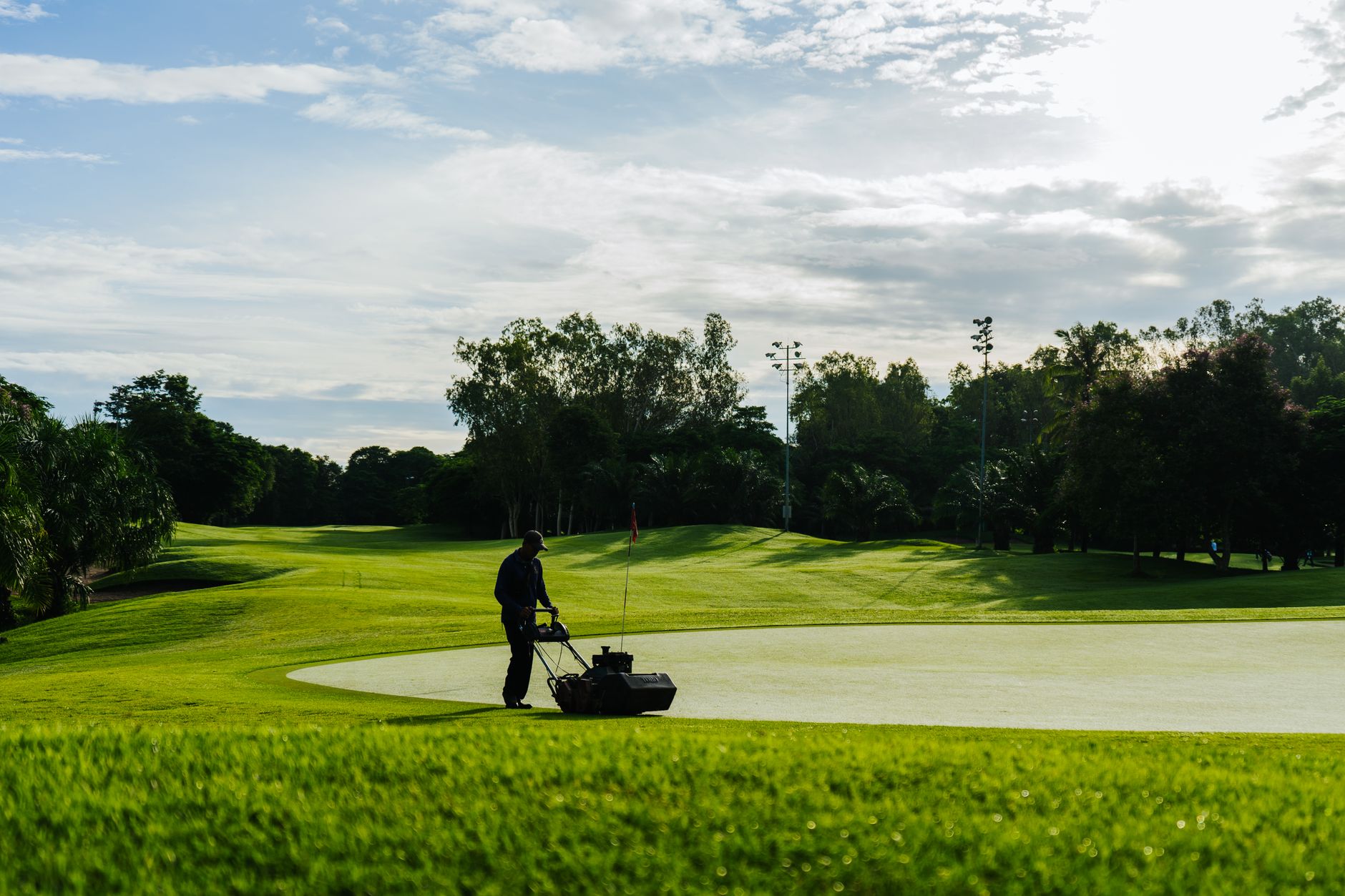
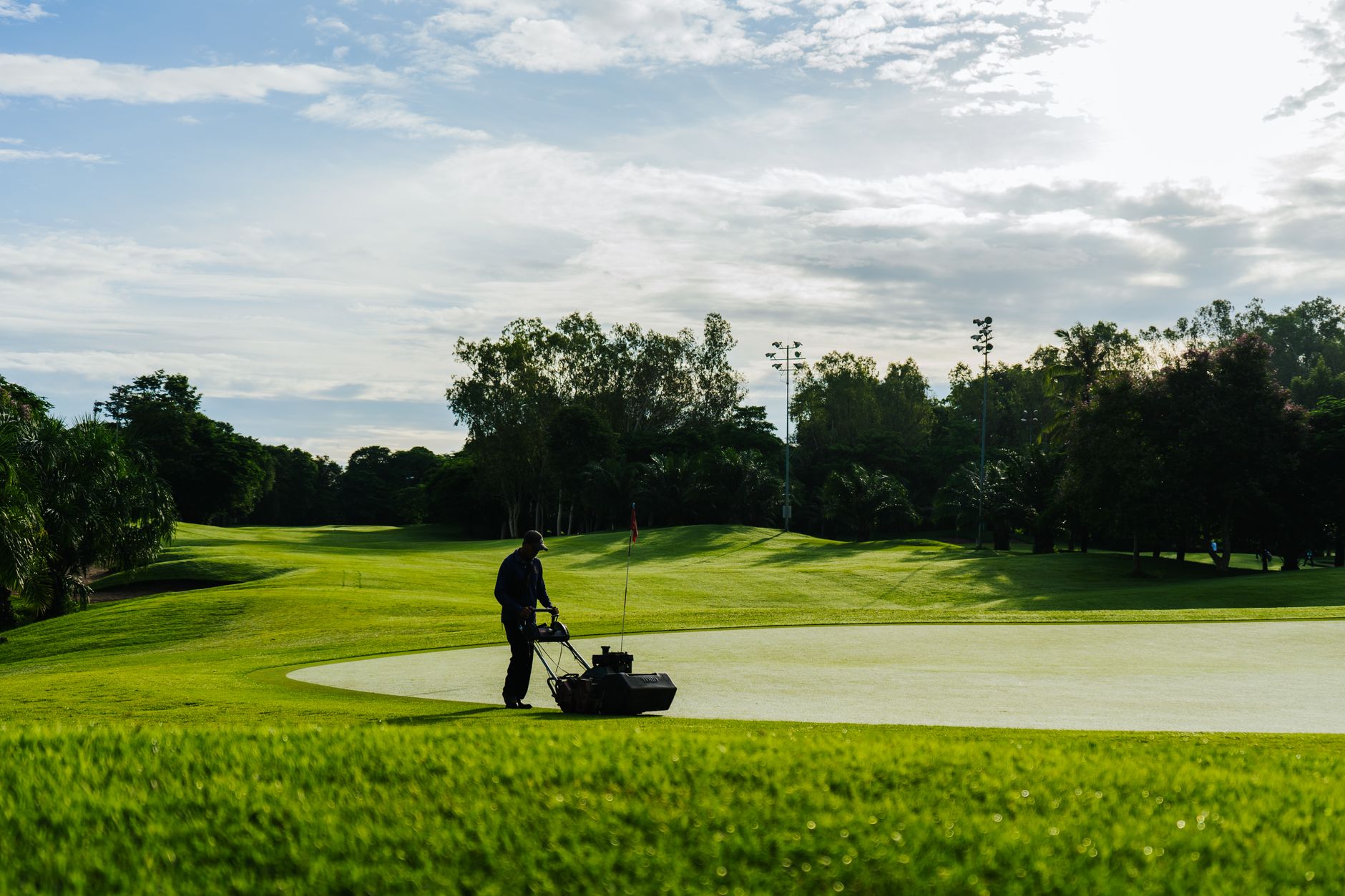
One club's account, quoted by Greenkeeping EU, describes cutting fairways at 10 millimeters overnight and switching to 60 millimeters rough cutting during the day. That is one operator's routine, not a standard. Set your numbers from your own measurements.
Staking the edge so crew and robot agree on the line
With the heights checked, mark the edge with stakes spaced close enough to follow a curve. Choose a color that shows in low light, and set the stakes just off the grass line so mowers and trimmers can work around them without knocking them over.
Stakes do two jobs. They tell the crew where hand trimming belongs, and they give you a physical reference for checking a robot's path against the zone you drew in software. Sketch the stake pattern in the course log so the next person can match it.
Does a first-cut zone in software replace the walk?
Husqvarna says it has added a First Cut function to its CEORA and Automower 580L EPOS robotic mowers, aimed at the transition strip between fairway and rough. According to Golf Business News trade coverage, the feature works on existing machines with no added hardware and arrives as a free software update. These are vendor claims, and we have not tested them.
An April 2026 product review describes the setup. A course copies an existing fairway zone in Husqvarna Fleet Services, expands it, then trims around bunkers and tees. The same review says a greenkeeper still needs to refine the zone, and courses with legacy mapping that was never tidied may need groundwork first. Each zone can carry its own cutting height and schedule, as the vendor reports.
Treat the zone as a claim to test against your turf. Belrobotics says its Wisecut adjusts height and mowing style across zones, which is also an untested vendor claim. As of November 2026, the trade coverage we reviewed had no report of a dedicated first-cut feature for Toro's GeoLink Autonomous Fairway Mower, a hybrid with a seat and steering wheel.
Logging ragged strip for the first two weeks
The first two weeks of passes show whether a strip problem repeats. Grass responds to the first few cuts, weather shifts, and members start walking the edge. A daily log lets the crew see if a fault recurs at one spot, at one time of day, or on one machine.
Keep the log at the edge, not in the office. Walk it before the first pass each morning and again after the last one. Record:
- Date, time of day and weather that morning
- Hole and stake number, with a short sketch if the spot is hard to describe
- Measured height on the fairway side and the rough side
- Fault type: scalp, step, clumped rough or missed strip
- Action taken, and whether the next pass repeated the problem
Logging ragged strip for the first two weeks
When the same fault shows up across three passes, adjust the zone or the height before member play picks it up. A scalp at one spot usually points to a zone edge, while a step along a whole run usually points to height settings.
Service Robot Co. works the same way on the robots we place. We lease robots through financing on a 3-year lease, with one fixed payment quoted after a site assessment. Our RoboCare service plan covers on-site dispatch and remote triage when a log points to a fault. We are OEM-neutral, so the same log works whichever mower your course runs. Details are at servicerobotco.com.
What independent research says about robot mowing quality
Independent research on robot mowing is thinner than vendor material. A USGA Green Section Record study, using 2020 to 2023 data, compared Husqvarna 550 robots with reel fairway mowers and rotary rough mowers at five Nordic and Danish courses. Superintendents rated robotic mowing quality very high, and rated it superior in rough compared with rotary mowers.
That study did not address transition strips. It supports the general case for robot mowing quality, but it cannot tell you where your fairway edge will go ragged. That answer comes from your own walk and log.
Frequently asked questions
Want a robot working for you?
Tell us the job and the site. We will recommend the robot, quote the lease, and keep it serviced.
Sources
- Golf Business News: Husqvarna adds First Cut functionality to autonomous golf course mowing
- Golf Business Monitor: Husqvarna First Cut feature product review (April 2026)
- PitchCare: Husqvarna adds First Cut functionality to autonomous mowing range
- Husqvarna press room: CEORA
- Greenkeeping EU: Robotic mower CEORA as a greenkeeping solution
- Golf Course Industry: Part 2 execution (Belrobotics Wisecut)
- USGA Green Section Record: How do robot mowers affect turf management and the golfer experience
- Golf Business News: Toro rolls out autonomous mower fleet with Reesink