
Key takeaways
- Wet leaf mats cut quality before operators notice blade issues.
- Canopy hold zones keep robots out of the worst drop zones.
- Daily brush and sensor cleaning beats mid-season blade swaps.
- Hand blow-down before a robot pass saves double work on fairways.
- Service Robot Co. maps seasonal holds during deployment planning.
Why does fall leaf load hit fairway robots harder than summer growth?
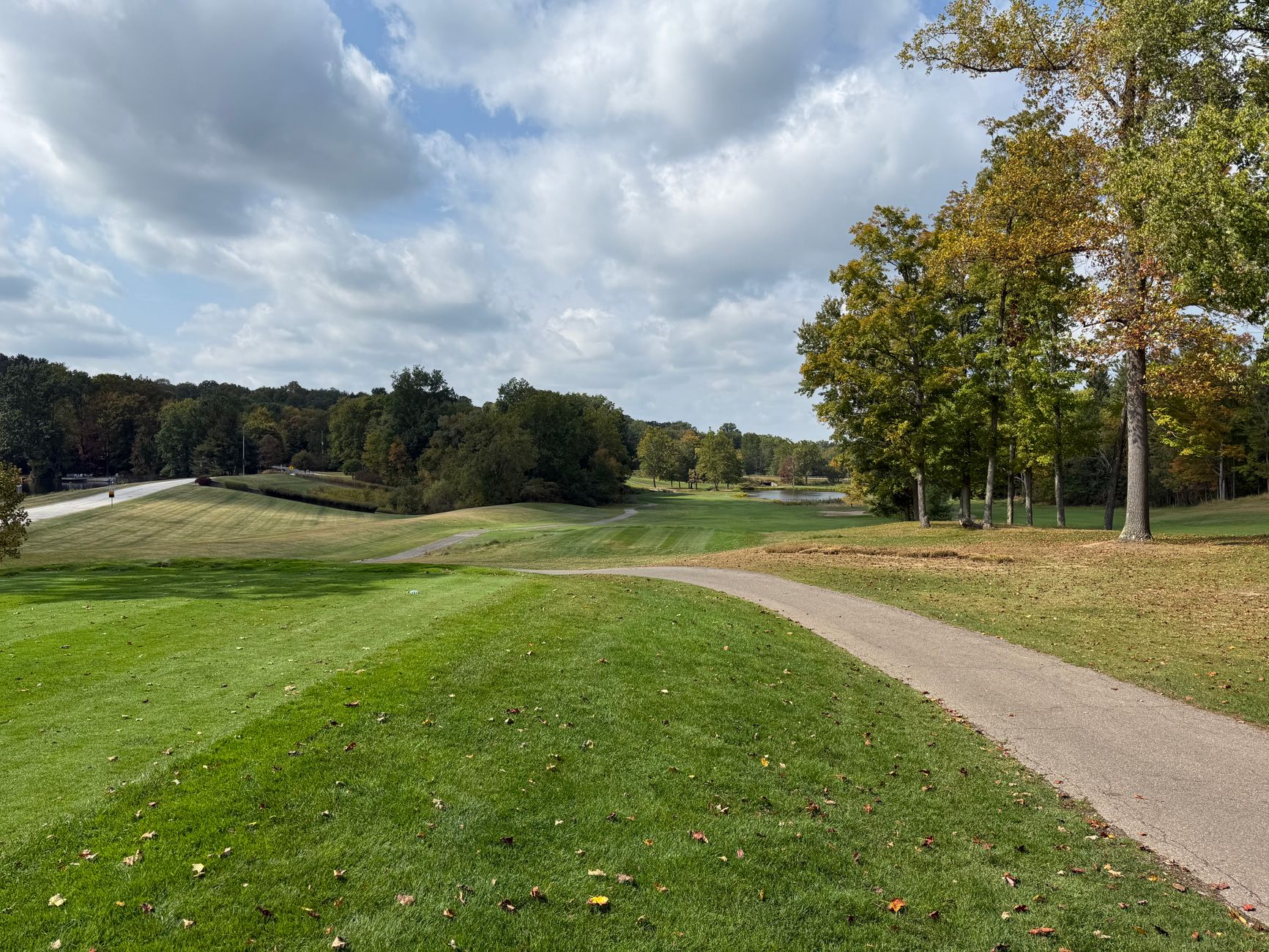
Tree-lined fairways shed leaves in waves from late September through November. An autonomous fairway mower that looked fine in August can leave strips of uncut turf once mats build under the deck. Leaves wrap around spindles, pack into brush housings, and stick to bump sensors where a summer grass clipping would blow off.
The problem is volume and moisture together. Dry crumbs are annoying. Wet layers behave like a moving blanket that lifts the cutting unit and tricks obstacle detection. Superintendents who run the same night schedule as peak season often discover the issue on the first frosty morning when play complains about uneven lies.
Treat leaf season as its own operating mode. Calendar holds, slower transit speeds, and shorter routes under canopy are not over-caution. They keep robots useful without asking a small machine to chew through what a blower crew should clear first.
What blade and brush problems show up first?
Uneven cut height is usually the first sign. You will see polished strips where the deck rode on leaf pack and scalped patches where the unit finally dropped through. Listen for new vibration on return to the barn. That often means wrapped debris on a spindle or a bent skid.
Brushes and rear rollers clog before blades dull. Packed material holds moisture against bearings and belts. A quick visual after each run takes less time than pulling a unit for service mid-week during a member tournament.
Document which holes fail first. The same three tree lines on your property will repeat every year. That map becomes your hold-zone list for the next October.

How do wet leaves blind sensors and safety fields?
Ultrasonic and lidar units depend on clean faces and predictable ground reflectivity. Wet leaves stick to housings and create false returns when wind pushes debris across the beam. Bump strips can stay compressed if a mat wedges underneath, so the robot thinks it is still against an object.
Rain after a partial shed is worse than a steady dry week. The turf looks open while the robot still carries a load from the previous pass. If your model uses camera assist for edge follow, glare on wet leaves can pull the unit off line near bunker lips.
Wipe sensors at the charging station with the same discipline you use for blade checks. Keep a dry microfiber on the maintenance cart. Two minutes there prevents a midnight stop on hole seven.
What should a daily leaf-season inspection cover?
Start with the deck upside down in a wash bay or on a lift. Clear wrapped material from spindles, brushes, and discharge chutes. Spin each blade by hand to feel drag. Check skid wear where leaf pack lifted the head.
Inspect tires and drive pods for packed debris that changes turning radius. Confirm firmware hold flags for canopy zones still match the course map after any tree work or limb removal.
Log stops and error codes from the prior night. Repeated pause events on the same corridor mean mapping, not operator error. Adjust the route before players see the pattern.
- Clear deck, brushes, and discharge paths
- Wipe lidar, ultrasonic, and bumper faces
- Verify hold zones match current tree lines
- Note holes with repeat pause codes
When should you map canopy hold zones?
Draw holds before the first heavy shed on each species you maintain. Oaks and maples on inland courses often drop on different weeks than ornamentals near the clubhouse. A hold is cheaper than a recovery tow from a wet rough strip.
Hold zones can be partial. Some superintendents keep robots on open fairway centers while excluding the last fifteen feet under tree lines. Hand crews or blowers handle the edge band once or twice a week.
Export the seasonal map for reliefs and weekend staff. Tournament weeks need the same file the robot uses so nobody re-enables a summer loop by mistake.

How should height and speed change under leaf load?
Raise cut height slightly only when turf health allows. The goal is to reduce packing, not to chase summer aesthetics. A quarter-inch change can keep the deck from plowing mats on damp mornings.
Slow transit along known drop corridors. Speed saves minutes until a clogged deck triggers a fault and kills the whole loop. Night windows are long in fall. Use them.
Avoid stacking leaf season with aggressive grooming goals. If you are also rolling for an event, separate passes by days so robots are not fighting both leaf pack and firm-up targets on the same night.
When should crews blow down before the robot runs?
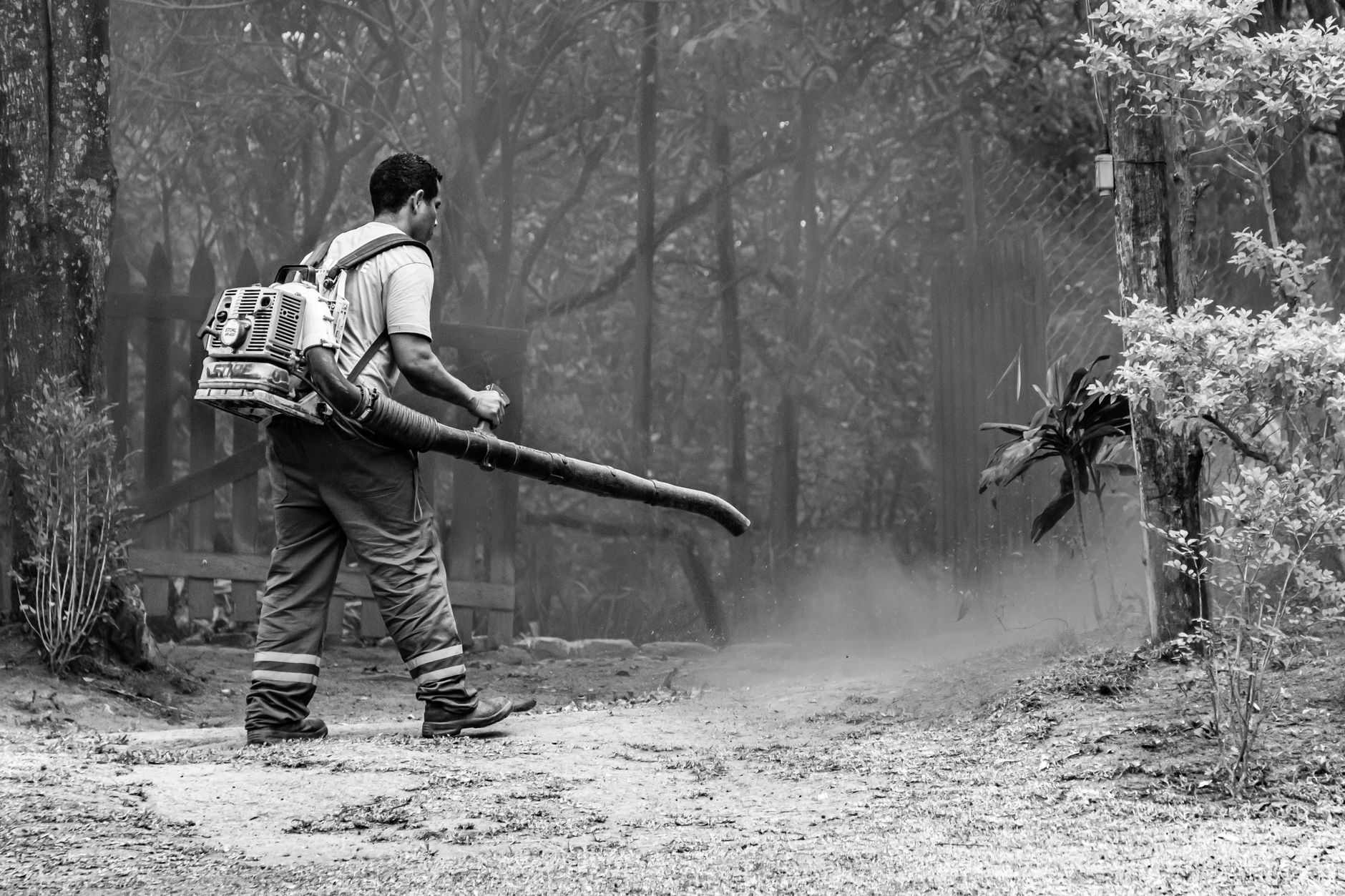
Schedule blow-down on holes where mats return within twenty-four hours of the last pass. A fairway blower crew working ahead of the robot clears the volume a mower was never sized to eat.
Coordinate with irrigation. Wet leaves after a late cycle stick immediately. Some clubs shift robot start times to follow blower routes by ninety minutes instead of running parallel paths.
Communicate with the pro shop on heavy play days. A quick blower on a few landing zones may be enough while robots stay on open fairways only.
How does an integrator help before leaf season peaks?
Service Robot Co. is OEM-neutral on autonomous fairway mowers. We finance buy or lease options, map fairways, rough, and seasonal holds, train your watch lead, and service units under RoboCare with regional engineers in every state we cover.
Import canopy holds and slower speed profiles during deployment so default October settings exist before the first shed. After the season, review error logs with your superintendent to tighten buffers on the holes that actually failed.
Bring leaf-season notes to your fall debrief. Next year’s map should start from data, not memory of a wet week in November.


