Key takeaways
- Map fire lanes, hydrant clearances and access routes on paper and on the ground before any mower pass.
- Model code text commonly quotes a three foot clear space around a hydrant, but the local fire authority sets the final figure.
- Base code text for fire apparatus access roads calls for 20 feet of width and 13 feet 6 inches of overhead clearance, and local rules can raise both.
- GPS keep out zones are only as good as the positioning behind them, so test edges and narrow corridors before trusting them.
- Put a crew check at every visit, because a boundary drawn last season may not match what is parked on the lawn today.
What a keep out map has to show
A keep out map tells a robot mower where it may not go, and it records what the fire authority expects to stay open. Before a robot mower runs on an apartment or office lawn, mark every fire lane, every fire hydrant with its clear space, and every emergency access route a fire truck would use to reach the building.
The short answer is to draw boundaries from the fire rules and a physical site walk, not from the outline of the lawn. Then confirm the finished map with the robot vendor and the local fire marshal before the first unattended run. Model code numbers give you a starting point, but local amendments can change them. The official 2024 code text was not retrieved for this piece, so treat every figure here as a starting point to verify.
How much clear space does a hydrant need?
The model code text quoted in search results, gathered in November 2026, requires a clear space of three feet around the circumference of a fire hydrant, except where otherwise required or approved. Metro Fire district documentation repeats that wording, and Louisville, Colorado uses the same three foot minimum, subject to city approval. Those are starting figures, not guarantees for your address.
A California summary lists the usual violations: parked vehicles, dumpsters, temporary structures and landscaping inside that clear space. Landscaping is the one a mower can cause, because the mower does not recognize a hydrant as a hazard. It only sees grass, so the no go line belongs well outside the ring.
One forum comment says the code does not explicitly cover the space in front of hydrant connections. That is a comment, not code text, so put the question to the fire marshal in writing.

What width and height do fire access roads need?

The base IFC text quoted in search results calls for an unobstructed width of at least 20 feet and an unobstructed vertical clearance of at least 13 feet 6 inches, with an exception for approved security gates. A mower that drifts onto the edge of a lane narrows the path the truck needs, even when the lane looks wide on the map.
Local rules can raise these figures. Covington, Washington requires 26 feet for 20 feet on both sides of the operating nut where a hydrant sits on the access road. Snohomish County lets the fire marshal increase the 20 foot width or the 13 foot 6 inch clearance where those are not adequate.
How do GPS virtual boundaries and no go zones hold up?
Robot mowers rely on GPS, and standard GPS carries errors large enough to matter at a hydrant ring. RTK corrects satellite positions against a fixed reference, which tightens the picture. Vendors describe drawing virtual boundaries and no go zones in a companion app and redrawing them when the site changes, but that is vendor language, so test it on your own lawn.
A 2026 accuracy guide says multi meter error creates problems for edge cutting, narrow corridors and no go zones, and it sets out how to test a property. Run that test before you trust a boundary near a hydrant. Several meters of error is enough to move a mower onto the wrong side of a clear space.
What is the order of setup before a first run?
Work through the map in this order, then take the finished file to the vendor and the fire authority for written sign off.
- Walk the site with a fire lane and hydrant survey, recording each hydrant, its clear space and each access route.
- Draw the no go line outside every clear space, and leave room for the mower's turning arc at the boundary.
- Confirm access road widths, overhead clearance and any gate on the plan.
- Test edges and narrow corridors at low speed with a crew member standing by.
- Send the finished map to the local fire authority and the vendor, and keep the written approval in the site file.
What should the crew check on every visit?
A boundary is only as up to date as the last site walk. A delivery van, a new dumpster pad or a sprinkler head pushed up through sod can sit inside a clear space that was empty last week. The crew check is a short walk of each hydrant and access route before the mower starts, followed by a comparison of the map against what is actually on the grass.
Log every check with a date and initials. The log shows the property manager and the fire authority that someone looked, and it becomes the trigger for a remap after tree trimming, paving work or a repainted lane.

Where does Service Robot Co. fit in?
Service Robot Co. leases robots through financing on a three year lease, with one fixed lease quote given after a site assessment. Our site assessment mapping covers the fire lane, hydrant and access route survey described above, so keep out boundaries are drawn before a unit is deployed.
We are OEM neutral, so the mower chosen for a lawn is picked for the work and the terrain. Our integrators handle deployment and integration, train the crew, and back each unit with RoboCare service and regional service engineers. The fire authority still signs off the map, and we say that at the first meeting.
How do apartment and office lawns differ?
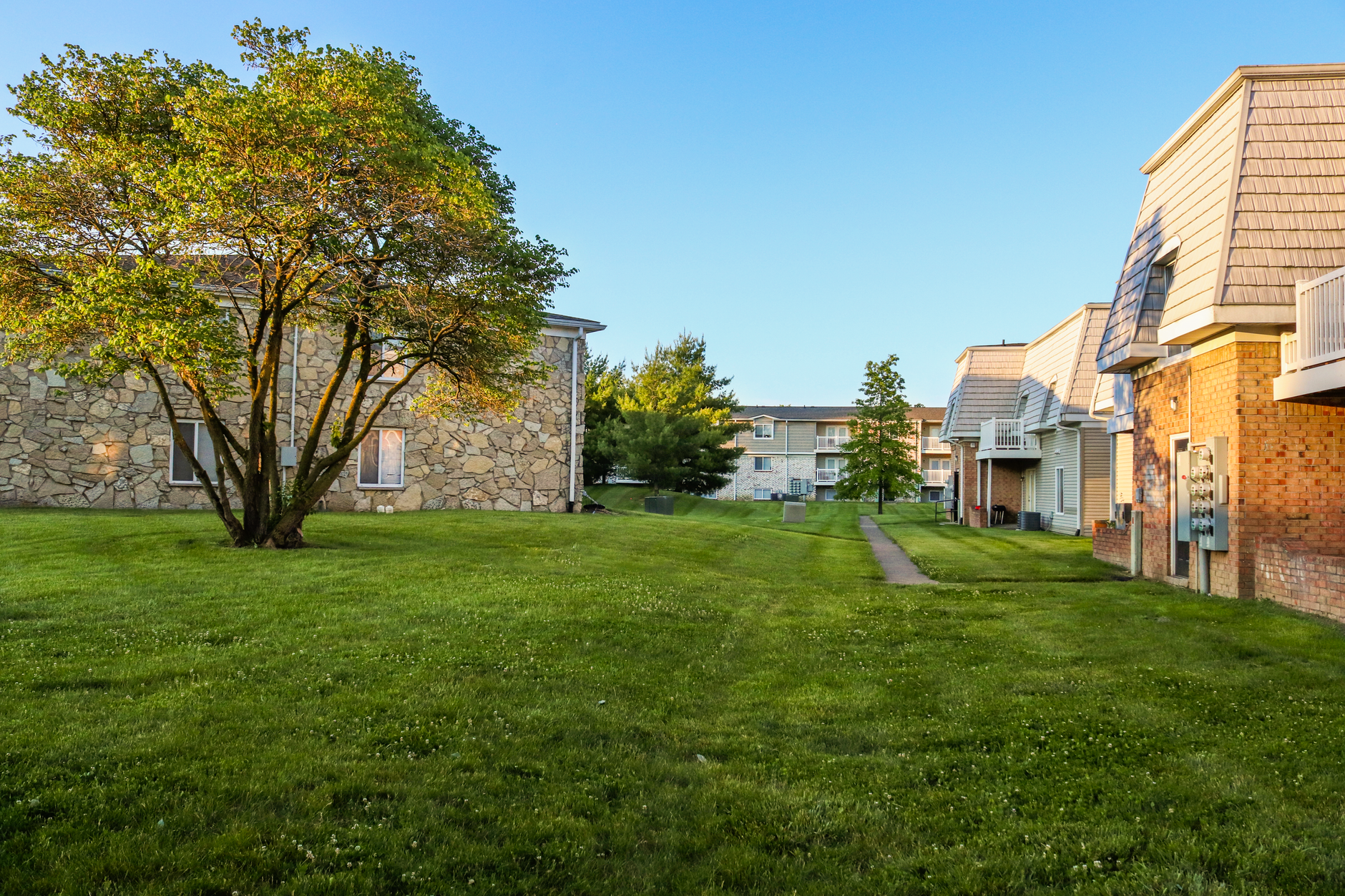
Apartment lawns often have resident cars parked along building faces, and fire lanes that double as guest drop off. Office lawns tend to have truck routes, loading aprons and hydrants set back in landscape islands. Map each type separately, because the boundary logic is the same but the obstacles change how often the crew check should run.
Frequently asked questions
Want a robot working for you?
Tell us the job and the site. We will recommend the robot, quote the lease, and keep it serviced.
Sources
- Metro Fire clearances for fire hydrants and fire appliances (PDF)
- Louisville, Colorado fire hydrant clearance page
- California fire code hydrant location, spacing and clearance summary
- City of Mobile fire access road requirements
- Covington Municipal Code 15.20.050
- Snohomish County Code 30.53A.512
- Vendor guide on RTK versus wire robot mower setup
- 2026 wire-free robot mower RTK accuracy guide