Key takeaways
- First Supply’s West Salem Skypod install targets about 10x faster picking and fourfold storage density in the same footprint.
- Next-morning delivery for 5 p.m. orders can cover roughly 20 percent of daily volume when overnight replenishment is reliable.
- More than 14,000 SKUs inside one automated zone changes how regional wholesalers plan slotting and branch replenishment.
- Phased cutovers keep daily picks moving while robotics zones earn trust with operators and branch customers.
- A vendor-neutral integrator still matters for financing, WMS ties, training, and service after the go-live weekend.
What changed when First Supply turned on Exotec in West Salem?
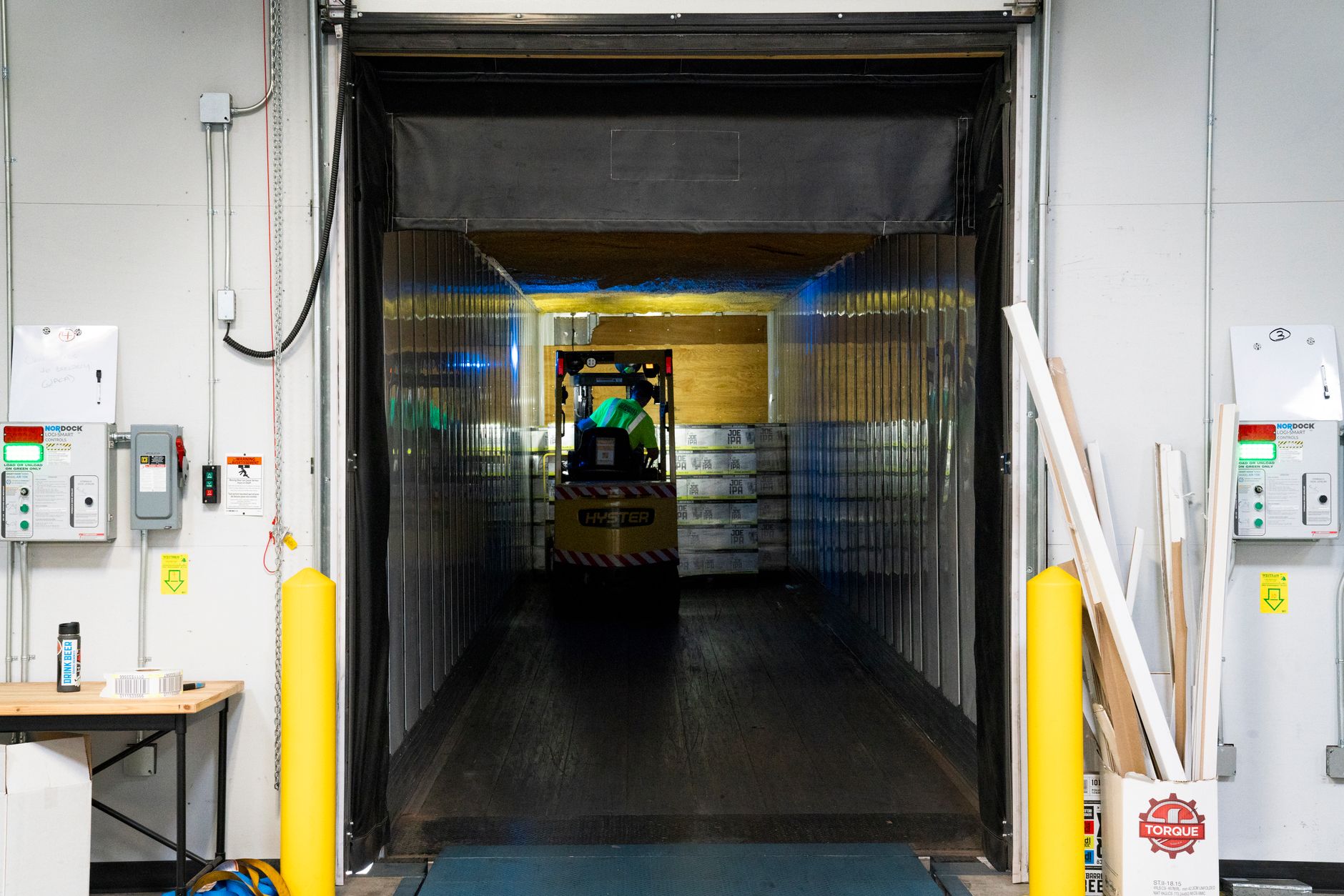
Regional wholesalers live and die on whether a contractor’s truck leaves your dock with the right fittings before the job site opens. According to Robotics and Automation News on October 8, 2026, First Supply deployed Exotec’s Skypod goods-to-person system in its West Salem, Wisconsin distribution center after more than a year of operation on the project timeline described in the story.
The public results are blunt: about 10x faster picking versus manual processes, storage capacity growth described as fourfold without expanding the existing racking footprint, and next-morning delivery at scale for orders placed by 5 p.m. For HVAC, plumbing, lighting, and waterworks SKUs, that is not a vanity metric. It is how you keep a fifth-generation family business credible against national players.
If you run a US wholesale DC, the lesson is not to copy Exotec by default. It is to see which promises your network actually needs: denser storage, fewer walk miles, or a hard cutoff for branch replenishment. Those three goals rarely arrive in the same quarter without a deliberate automation zone.
Which published metrics should wholesale leaders track?
Exotec and First Supply quoted a handful of figures that are useful because they are specific. The Skypod zone handles more than 14,000 SKUs. Picking speed is described as about 10x faster than manual work. Storage capacity is said to grow about fourfold while keeping roughly 30 percent headroom for future hardware expansion inside the same building shell.
Service level shows up in customer language, not robot language. First Supply can meet next-day demand that Robotics and Automation News said can reach about 20 percent of the new distribution center’s daily volume, supported by overnight replenishment through Skypod. That percentage is the bridge between automation engineering and branch managers who hear complaints when a counter promise slips.
Travel time and distance for operators also matter, even when headlines focus on robots. Goods-to-person designs exist to stop pickers from wandering entire aisles for one line on an order. If your current labor plan assumes three miles of walking per shift, shrinking that distance is often the first payroll relief you can measure without waiting for a full year of financial close.
Why does next-morning delivery stress warehouse design?
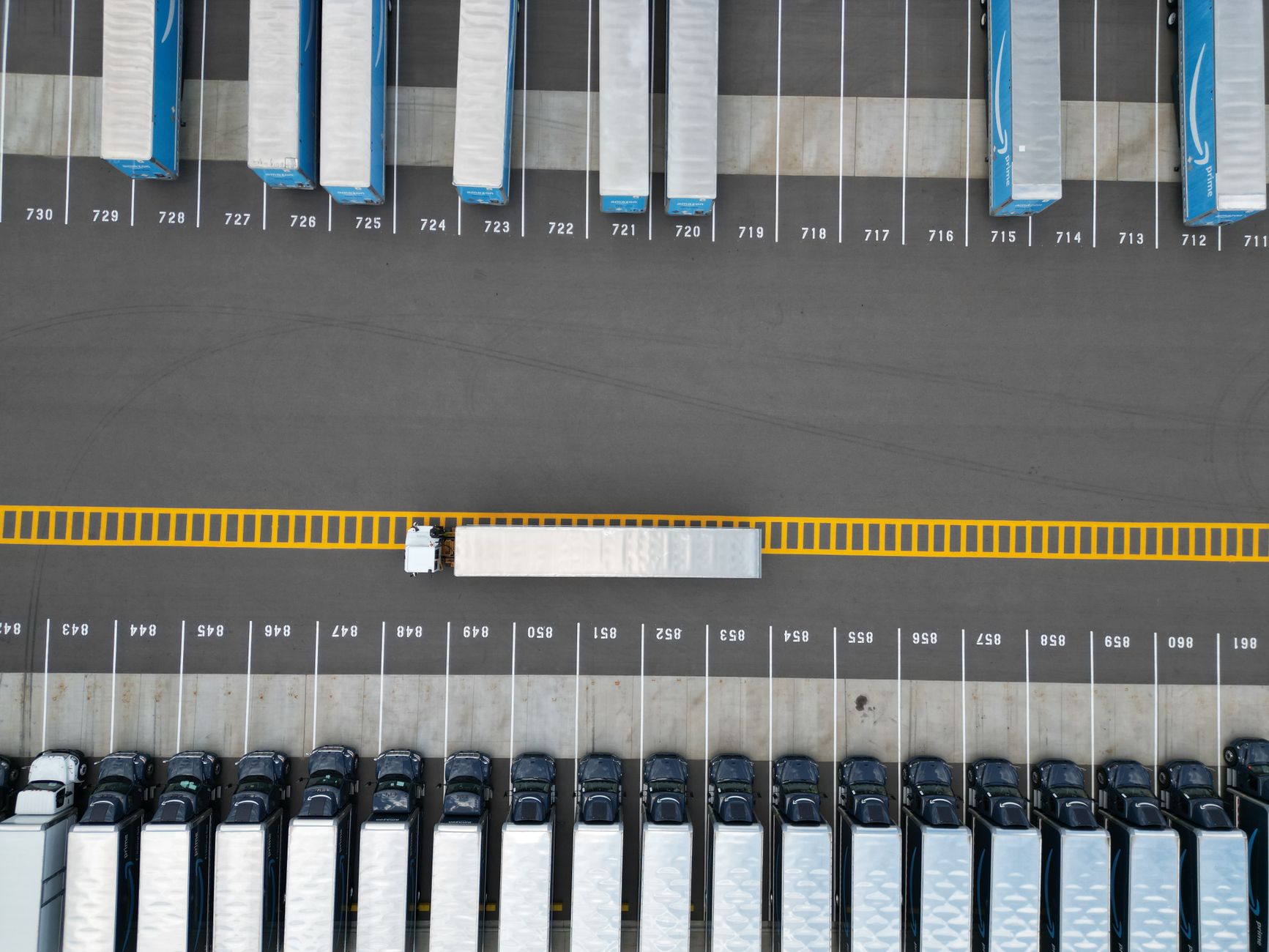
A 5 p.m. order cutoff with next-morning delivery is a sequencing problem, not a marketing slogan. You need inventory in the automated zone, cut-off times aligned with transportation, and confidence that overnight replenishment can clear the queue before the first outbound trailer doors open.
First Supply’s story highlights overnight replenishment as the enabler for that service promise. For wholesalers, the hard part is deciding which SKUs earn a slot in the high-velocity cube and which stay in conventional bulk storage. Plumbing and HVAC assortments mix slow movers with items that spike after weather events, which the article notes played out when flash flooding hit southeastern Wisconsin and the company rushed product to affected customers.
Robots do not remove that judgment. They make the fast loop repeatable once leadership agrees on the service portfolio. Branches still need accurate availability signals, and transportation still needs dock discipline. Automation buys time inside the four walls so those adjacent teams see fewer surprises.
How is this different from sprinkling AMRs on a conventional floor?
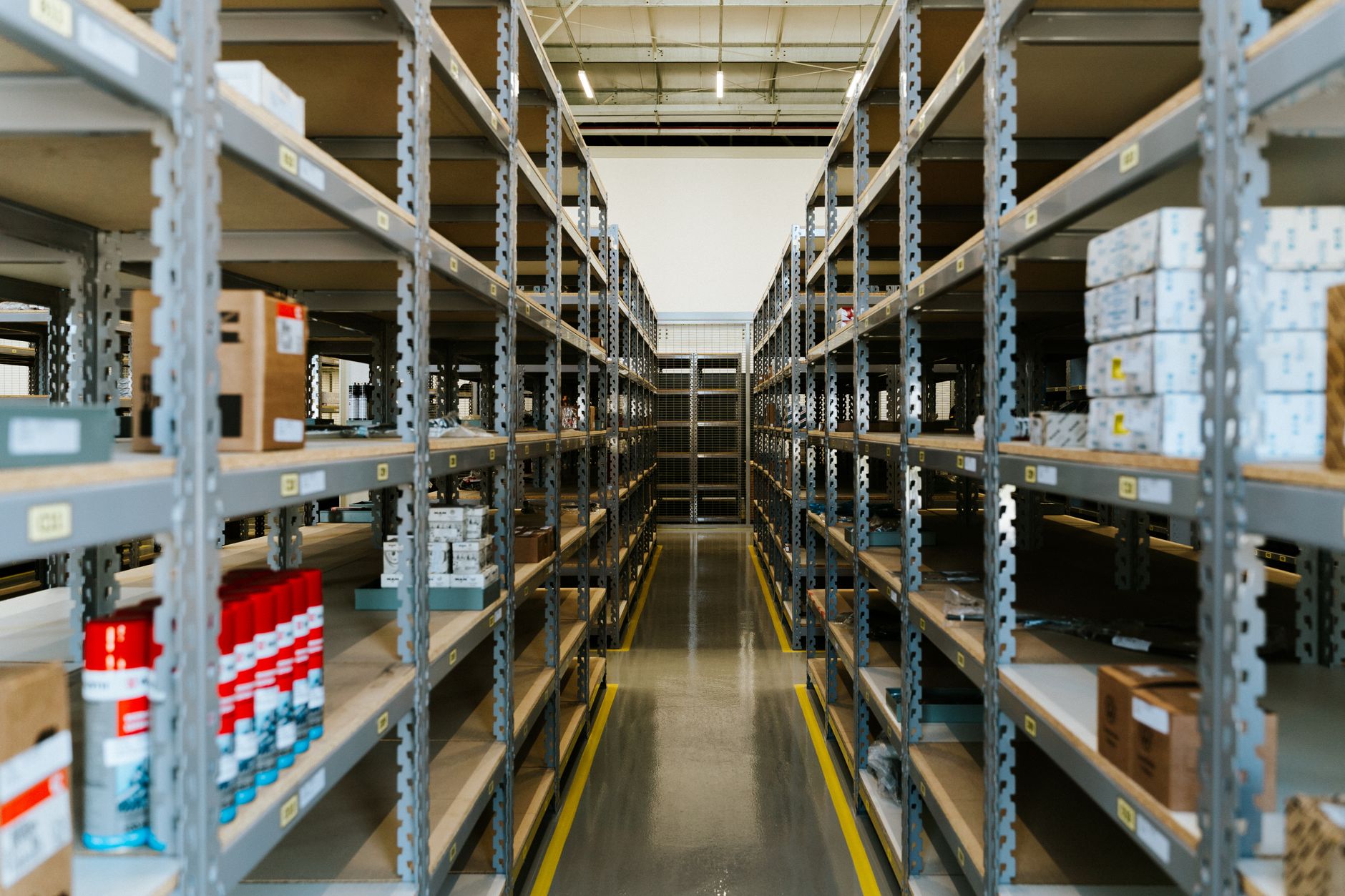
Autonomous mobile robots that travel wide aisles solve a different problem than a vertical goods-to-person cube. AMRs excel when you must keep legacy racking, move pallets between dock and reserve, or add transport without rebuilding slotting. Skypod-style systems trade construction for density and picking cadence inside a defined zone.
First Supply’s deployment is a bet on concentrated vertical storage and robotic shuttles that bring totes to pick stations. That architecture is why the same building can claim fourfold storage growth without growing footprint. It is also why the project is not a single weekend install.
Wholesale leaders should map their order profile before choosing a lane. High-line-count picks with small cube sizes favor goods-to-person density. Heavy pallet moves and full-case picks may still need forklift workflows alongside automation. The wrong match shows up quickly as stranded capital and frustrated night-shift supervisors.
What does a phased rollout look like when orders cannot stop?
Large retail and wholesale buildings rarely get a two-week holiday to re-slot everything. The workable pattern is to stand up an automation island, prove cut-off performance with a subset of SKUs, then widen the SKU gate as operators trust the system.
Start with inventory master data. If your WMS still treats equivalent SKUs as separate locations, robots will not fix the chaos. Next, define a service-level pilot: one branch family or one product category with clear success metrics such as lines per hour and miss picks.
Train pickers on exception handling before you chase peak season. Robotics-supported stations still need humans for damaged cartons, short picks, and last-minute branch transfers. Document who can pause a zone without killing the nightly replenishment plan.
Keep manual backup for the first month of public cut-off promises. First Supply’s public comments emphasize growth with minimal disruption over time. That tone is what your sales team needs when a customer asks what happens if a shuttle faults on a Friday night.
- Lock SKU eligibility rules before you widen the automated zone
- Publish internal cut-off times that match real replenishment windows
- Run a parallel manual pick path until miss rates stay flat for four weeks
- Review travel-heavy SKUs quarterly so slotting keeps pace with seasonality
Where does a full-service integrator fit after the headlines fade?
OEM announcements describe what is possible in a reference building. Your building still has mezzanines, mixed flooring, battery charging constraints, and a service network that expects 24/7 response when a line stops.
Service Robot Co. stays OEM-neutral: we compare goods-to-person platforms, AMR fleets, and hybrid designs against your actual order mix, then finance a purchase or lease, deploy, integrate with WMS and ERP data flows, train staff, and support units through a nationwide network of regional service engineers under RoboCare.
The integrator job on a wholesale project is often boring and critical. Site mapping, safety zones around pick stations, spare parts planning, and realistic go-live sequencing matter more than the ribbon photo. If your leadership team already juggles branch service levels, handing integration to one partner with one number reduces the coordination tax while Skypod or AMR vendors focus on their core hardware.
What should you ask vendors before signing a wholesale automation deal?
Ask how SKU growth is handled inside the automated zone and what happens when you add branches. First Supply’s public story cites more than 14,000 SKUs inside Skypod with room for hardware expansion. Your question is whether your slow movers belong there on day one or only after you prove service levels.
Ask for operator ergonomics data, not only robot speed. Exotec’s release emphasizes improved operating conditions alongside productivity. Wholesale picking injuries often come from repetitive reaches and long walks, so a vendor should explain station design and pause policies.
Ask how overnight replenishment interacts with your transportation schedule. A 5 p.m. customer cutoff is worthless if replenishment finishes after your linehaul departs. Bring transportation leaders into the automation workshop early.
Ask for references in similar product categories. HVAC and plumbing assortments mix small parts and bulky items. A fashion fulfillment reference may not predict your cube utilization.
Frequently asked questions
Sources
Service Robot Co. is not affiliated with, sponsored by, or endorsed by the companies mentioned in this article.