Key takeaways
- A juice bar floor robot should be judged on footprint and cleaning width first, then on how it handles sticky fruit residue.
- Counter tops and blender parts are cleaned and sanitized by hand under Food Code, so the robot works the floor after that step.
- Map the back of counter and walk up zones separately, because residue and customer traffic differ in each.
- Check which Food Code edition your health department enforces before you set a floor schedule.
- Measure aisles, drains and thresholds before you call, because a fixed lease quote follows a site assessment.
Which floor robot fits a juice bar after close?
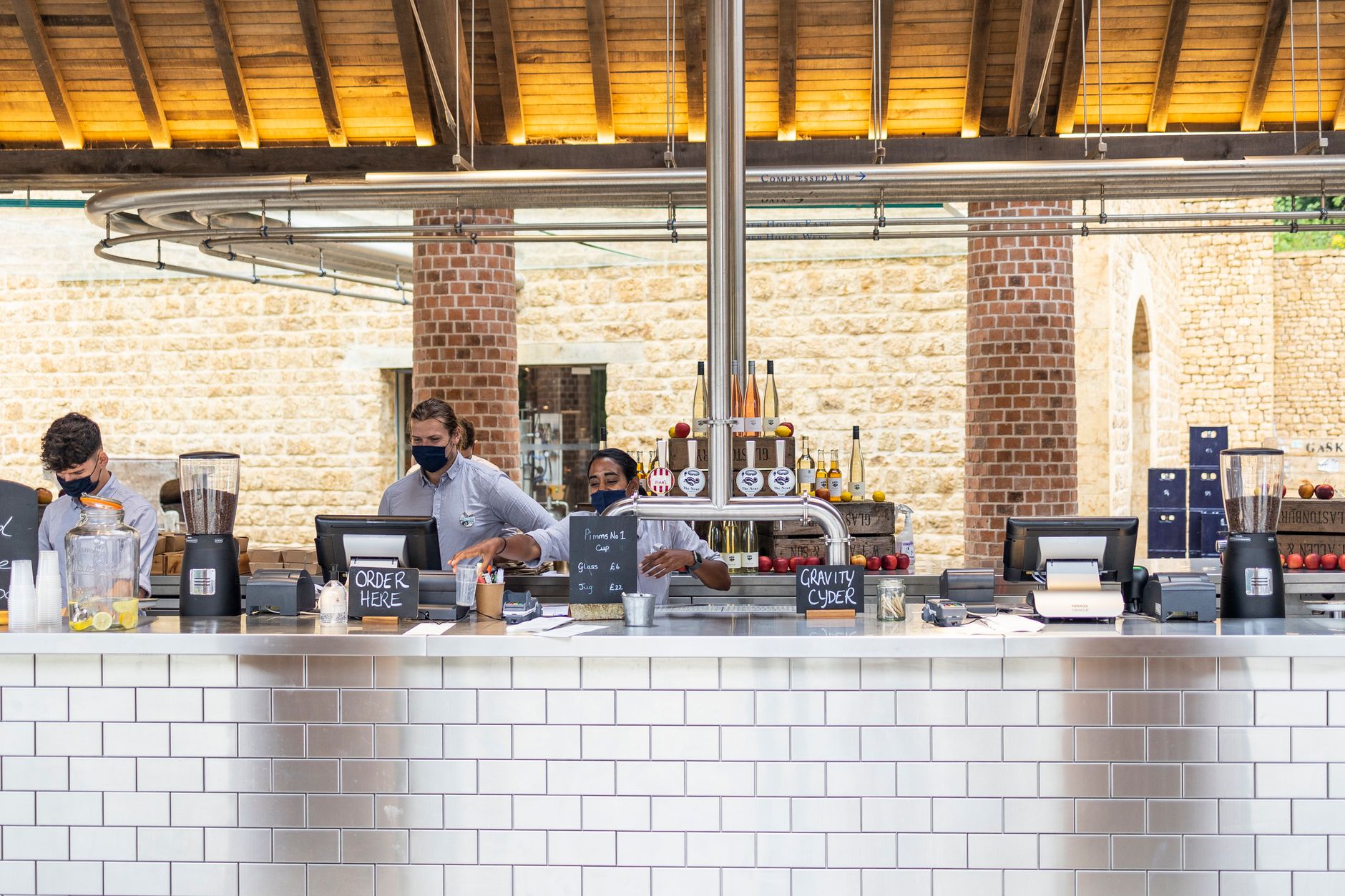
A juice or smoothie shop after close needs a machine that fits between the blender station and the walk up window, works a narrow strip in a few clean passes, and runs a route staff can predict. For most shops that points to a compact auto scrubber rather than a large unit. Start with footprint, then residue, then battery run time.
Vendor listings show how the compact class spreads. Uline lists a 14 inch lithium ion model with up to 90 minutes of run time per charge and 68 dBA noise, and positions it for offices, retail and narrow hallways. Dapper Supply lists a 15 inch unit on a 24V battery with listed productivity up to 12,900 sq ft/hr and a 1 year warranty. Diamond Tool Store lists an 18 inch model, a wider deck that needs more room to turn. These listings were checked as of November 2026. None of them should be read as autonomous unless the listing says so, and each listing's figures should be confirmed on its spec sheet.
The category is growing. According to the International Federation of Robotics, global professional service robot shipments rose about 24% in 2025 to almost 250,000 units, and professional cleaning ranked third by application with a 12% share. IFR also says its figures come from a sample of 238 suppliers and are not projected to the whole industry.
Why does sticky fruit residue change the spec?
Juice and smoothie floors rarely carry dust. They carry sugared drips, pulp, citrus oil and melted ice. A mop pushes that film into the grout, where it dries tacky by morning. A scrubber that lifts water and detergent in one pass handles this better than a dry sweeper, which spreads the film around.
Weight is the other spec that matters. The Karcher BR 30/4 C listing shows 44 lb and a low 4 inch profile, and the listing markets it for kitchens. It is a walk behind machine, not an autonomous one. Diamond's listing shows 260 lb net weight, a different load to move over a threshold or up a ramp.

How should you measure aisles and clearances first?
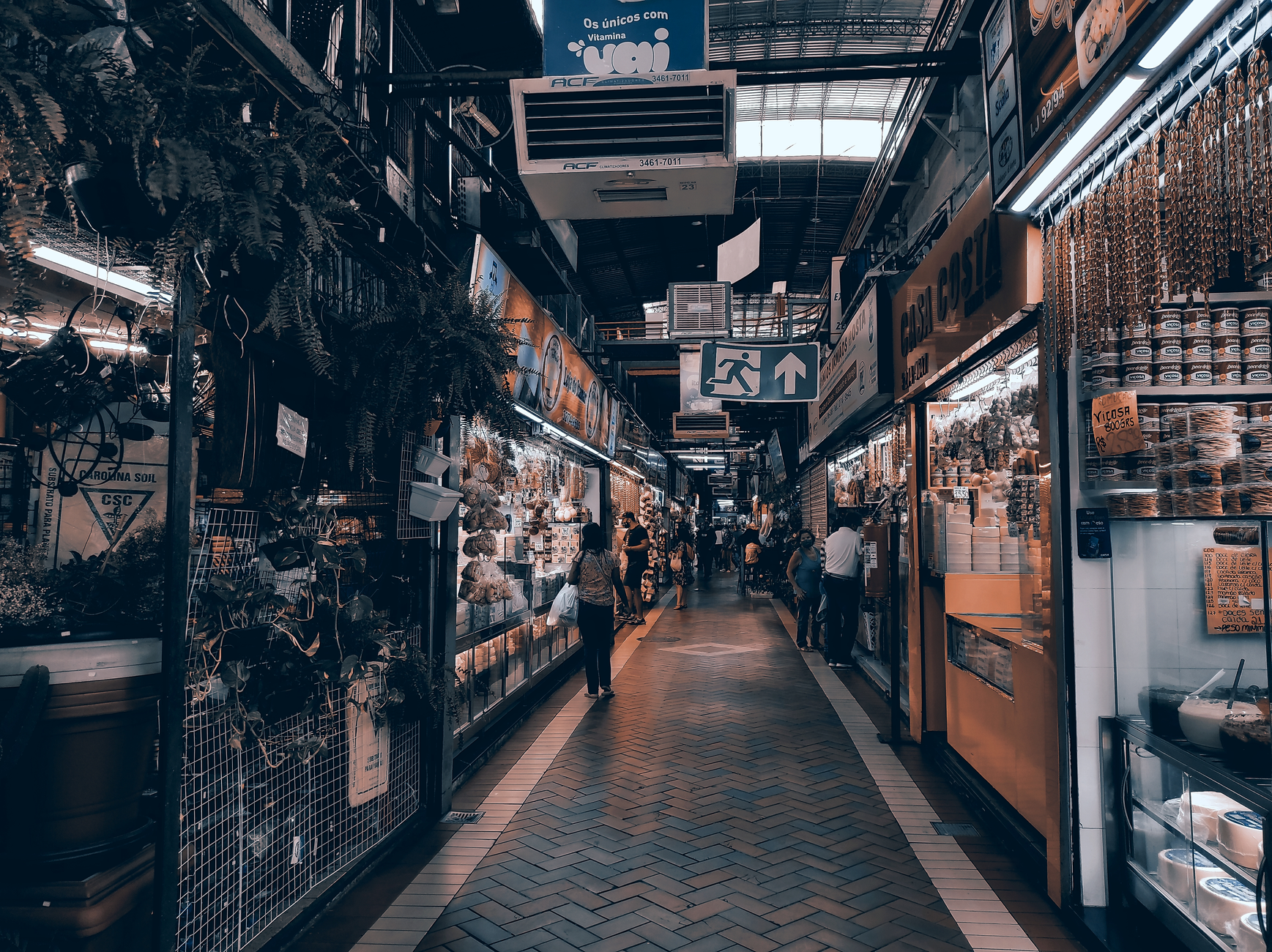
Measure three things: the narrowest walk up aisle, the back of counter lane between the prep table and the cooler, and the clearance under the counter kick plate. A 14 or 15 inch deck moves through narrow lanes more easily than an 18 inch deck, which needs more room to turn at each end.
Then mark the stoppers. Floor drains, raised thresholds, chair legs and the ice bin mat cause more stalls than the floor itself. Note each one and decide if it is a robot zone or a hand zone. A machine that cannot reverse out of a dead end cleans only half of that lane, so check turning room at every dead end.
What do sanitation rules ask of the floor?
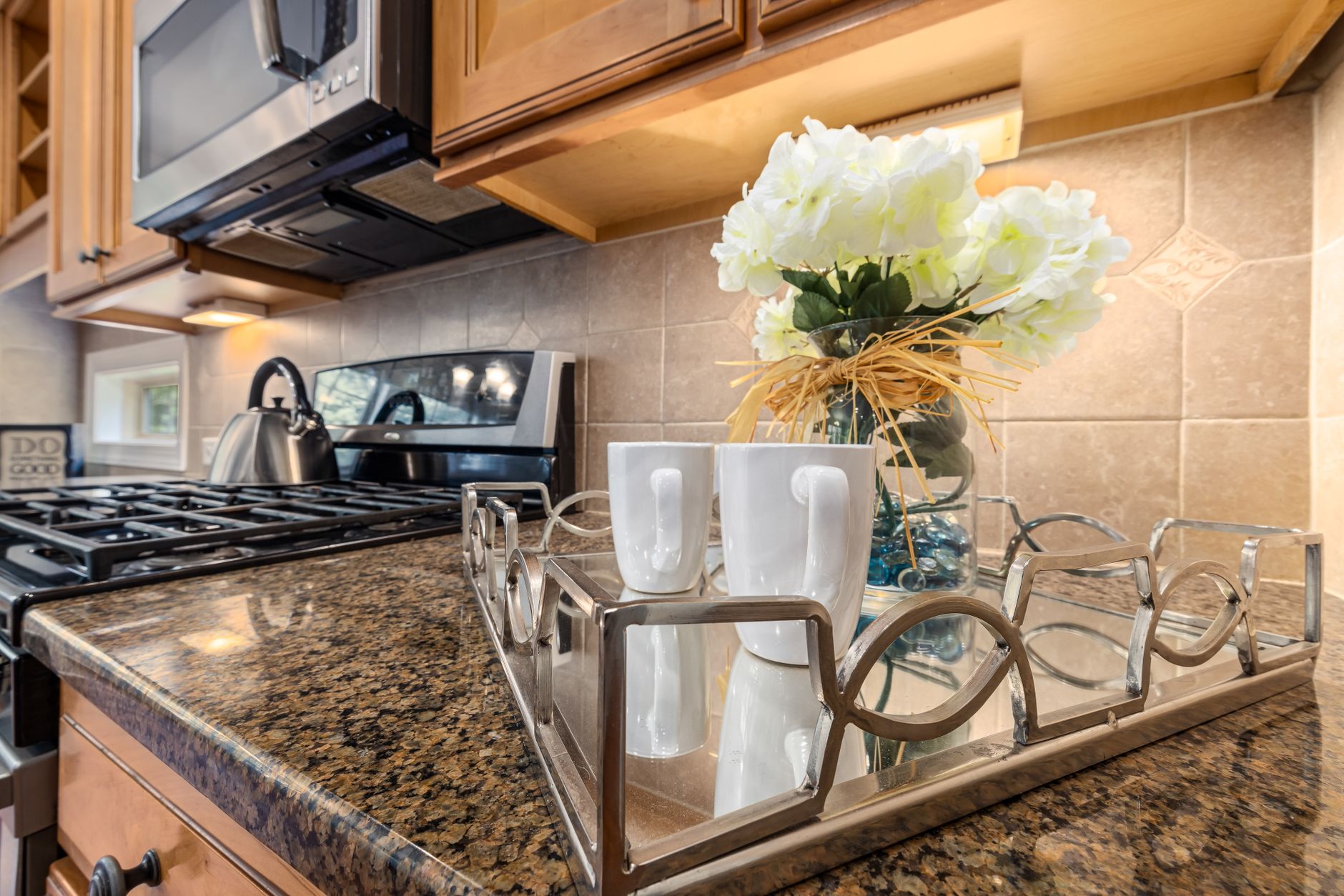
The Food Code sets the clock for food contact surfaces, not for floors. A Kentucky equipment guide quotes section 4-602.11: food contact surfaces used with TCS food must be cleaned and sanitized at least every four hours. Counter tops, blender bases and juicer parts are food contact surfaces. Several sources also say they must be cleaned and sanitized after each use and before they touch a different food, so that counter work comes first and stays manual.
Floors and other non-food contact surfaces follow a looser rule. Washington's code, which implements section 4-602.13, asks for cleaning at a frequency that keeps soil residues from building up. The sources reviewed do not give a floor interval. Gojo lists cleaning, frequency and restrictions among top inspection violation categories and cites section 6-501.12 on physical facilities.
Editions differ. Sources reference the 2013, 2017 and 2022 editions, and states adopt with local changes. Confirm which edition your health department enforces before you write the floor schedule.
How should the back of counter and walk up zones split?
Split the shop into zones that match how residue and traffic behave. Run the back first and work toward the exit, so the last pass cleans the customer side.
- Prep lane behind the counter: heaviest residue. Hand sanitize the counter, then run the robot once those surfaces are closed out.
- Blender and juicer splash zone: keep the robot off the cord run and the drain tray, and mark it as a hand zone.
- Cooler and ice bin approach: melt water collects here. Run after the final ice fill, not before.
- Walk up window and queue lane: customer traffic and dropped straws. Run after the last order is out.
- Entry mat and threshold: wipe by hand and let the robot skip the mat.
What does the closing routine look like?
Start the clock at the last order. Staff wipe down the counter and equipment under local rules, empty drip trays and bins, and move stools off the robot lane. Then the robot gets a clear route with no open boxes, no loose cords and no mats left in the aisle.
Run the robot after the manual work, never before. Plan each pass against the listed run time. Uline's 90 minute figure is an upper limit from its listing, so a zone that needs more than one charge gets a recharge stop built into the route rather than a stall mid lane. Empty recovery tanks, rinse the squeegee and brush, log any stop, and dock the unit before the lights go off.
Where does Service Robot Co. fit in?
Service Robot Co. is an OEM neutral integrator for US businesses. We choose the floor robot across manufacturers for the aisle, residue and hours we measure, then deploy it, train the closing crew on this routine, and service the unit. We offer leases only. A 3 year lease comes with one fixed lease quote, issued after a site assessment.
Service runs under RoboCare, our service plan, with on site dispatch from regional service engineers in each state we service and remote triage for faults. One partner covers the whole lifecycle, from the first walk through to the last service call.
Frequently asked questions
Want a robot working for you?
Tell us the job and the site. We will recommend the robot, quote the lease, and keep it serviced.
Sources
- International Federation of Robotics: Global sales of professional service robots surge 24 percent
- Karcher BR 30/4 C vendor listing (checked November 2026)
- Diamond Tool Store 18 inch floor scrubber vendor listing
- Uline compact auto floor scrubber 14 inch vendor listing
- Dapper Supply Mini 15 inch floor scrubber vendor listing
- Kentucky food service equipment guide (Food Code section 4-602.11)
- Washington WAC 246-215-04605
- Gojo Hand Hygiene Hub foodservice articles