Key takeaways
- A floor robot can cover the bay and the waiting room, but as two zones with two routes.
- Grit and oil leave the bay on boot soles and tires, so the lobby entrance needs attention on every pass.
- Mark lifts, hoses and tool carts as no go areas before the first unsupervised run.
- A compact unit suits the lobby and tight aisles, while a larger scrubber suits wide open bay floors.
- Vendor cleaning rhythms are starting points. Set the schedule from what your own walk and logs show.
Can one floor robot handle both the bay and the waiting room?
Yes, in most tire shops, but as two zones with two routes rather than one loop. A floor robot can sweep and scrub the bay and the customer waiting area on a fixed schedule, provided the map, the no go areas and the cleaning method are set for each space. A compact unit usually suits the lobby and the tight pockets around the desk. A larger scrubber earns its place only where the bay floor is wide and open.
Both spaces need attention because the grit and oil do not stay in the bay. Road grit, brake dust and oily residue ride out on tire treads, creeper wheels and work boots, then travel to the desk, the seating and the restroom door. One cleaning contractor recommends three to five cleanings per week for high traffic tire shops, and IPC suggests daily cleaning for busy shops. Both are vendor statements, so use them as starting points, not as a standard.
How grit and oil travel from the bay into the lobby
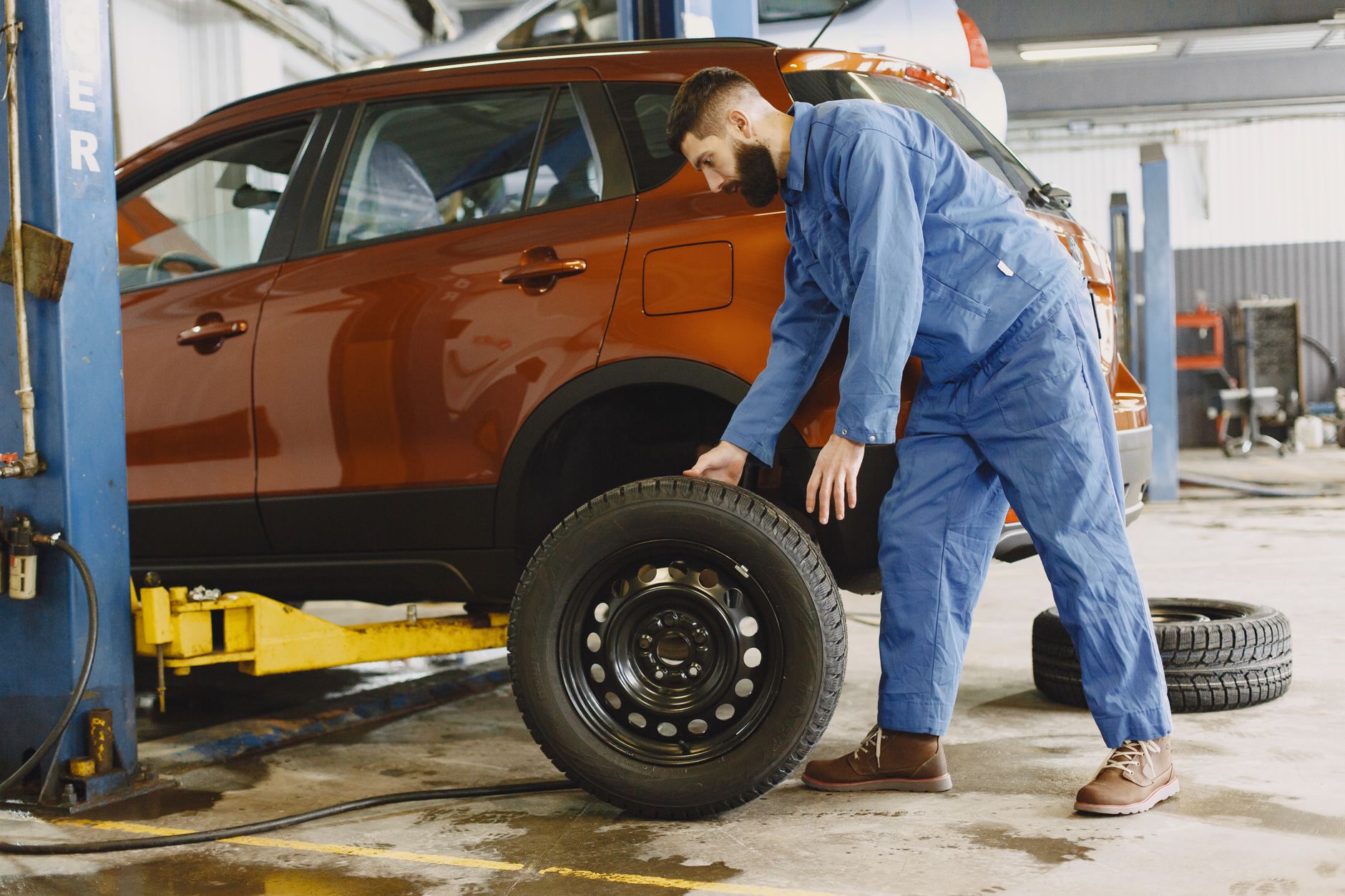
Bay floors collect material in three ways: tires rolling off lifts, technicians walking in and out, and drips from vehicles waiting their turn. Most of it is grit and rubber dust. Oil and degreaser residue is the harder problem because it films the concrete and clings to boot soles, so it leaves the bay one step at a time.
That step by step transfer is what customers notice. A greasy footprint crossing the entrance mat and onto lobby tile reads as dirt even when the bay looked clean at close. Entrance transitions are where wet residue is most likely to catch a shoe, so the route should cover the bay door threshold and the first few feet of lobby on every pass.
I could not find independent measurements of how far oil travels in tire shops or how often it reaches the lobby. Walk the route at shift end with a flashlight and note where sheen or grit collects. That walk gives you a baseline to schedule the robot against.
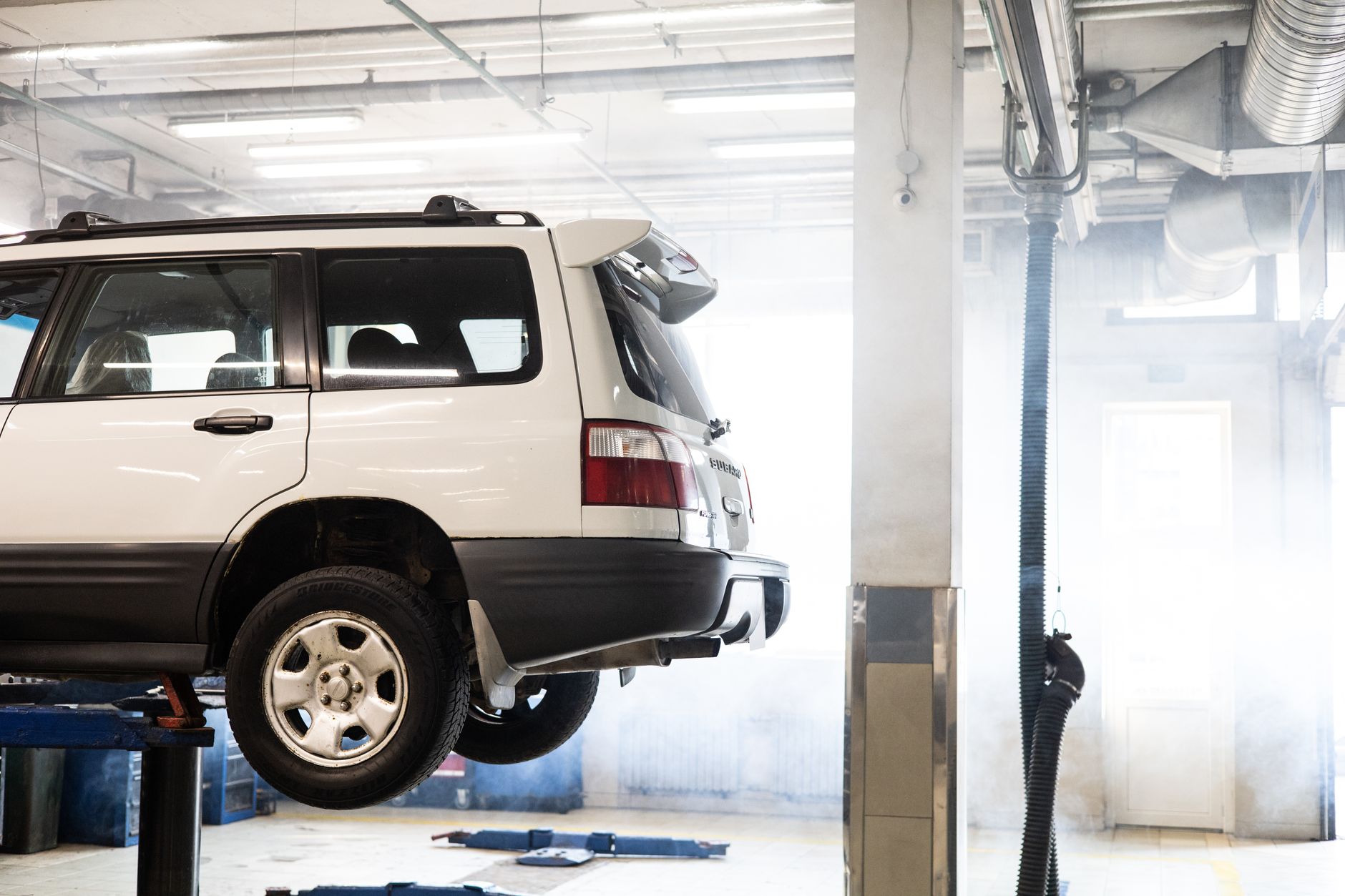
Zone mapping before the first unsupervised run
A common sequence in 2026 guides is mapping first, then routes, no go zones and schedules, with a configuration phase before unsupervised runs. These are secondary sources, not independent tests, but the order matches what a site assessment should do. Most units build the map with multi point LiDAR SLAM, often with cameras, ultrasonic sensors and sometimes infrared added.
For a tire shop, divide the site into zones before anyone draws a route. Each zone gets its own cleaning rule, schedule and stop condition.
- Bay floor, cleaned after close when lifts are lowered and technicians have left
- Tool and tire storage aisles, kept clear while carts are staged
- Bay door threshold and the first few feet of lobby, covered on every pass
- Lobby entry mat, seating rows and the desk approach, cleaned before opening and during slow hours
- Restroom approach, treated as its own stop
Keeping the robot clear of lifts, hoses and tool carts
Lifts are the hardest geometry in a tire shop. A robot that maps the bay as open floor will try to pass through lift footprints, hose lines and cart paths unless those are entered as no go areas. Mark them on the map during the site assessment and test the boundary with the lifts both raised and lowered, since the vehicle footprint changes what the robot sees.
Some vendors also describe reactions to people. LiDAR combined with 3D cameras is said to detect people or forklifts and reroute mid run, a secondary claim I could not verify, so treat it as something to test on your floor. Robot Industries described a dealer case for a body shop with separate cleaning zones for the mechanical bay, reception and paint booth. That case is not independently verified, but it shows how zoning works in auto service.
When a compact unit beats a larger scrubber
The size question comes down to floor area and obstacle density. IPC markets the CT15 as a compact walk behind for tight spaces and the CT51 as a battery powered mid size unit, both pitched at tire shops and service bays. These are vendor descriptions checked in November 2026, so confirm specifications with the manufacturer or your integrator before deciding.
On the autonomous side, Kärcher describes its KIRA B 50 as able to run autonomously or be pushed manually, with obstacle avoidance. Tennant describes its X6 ROVR as a mid sized autonomous scrubber rated for up to 75,000 square feet per cycle, a vendor rating reported in a 2025 article and not independently tested. Units of that size fit wide, open bays. They are a poor fit for the waiting room, the desk approach or the aisles between tire racks.
As a rule of thumb, use the compact unit wherever a customer walks, and a larger scrubber only where the bay is open enough for its size to pay off. Neither choice is final. Let the first two weeks of logs decide.
Setting the schedule for bays and waiting rooms
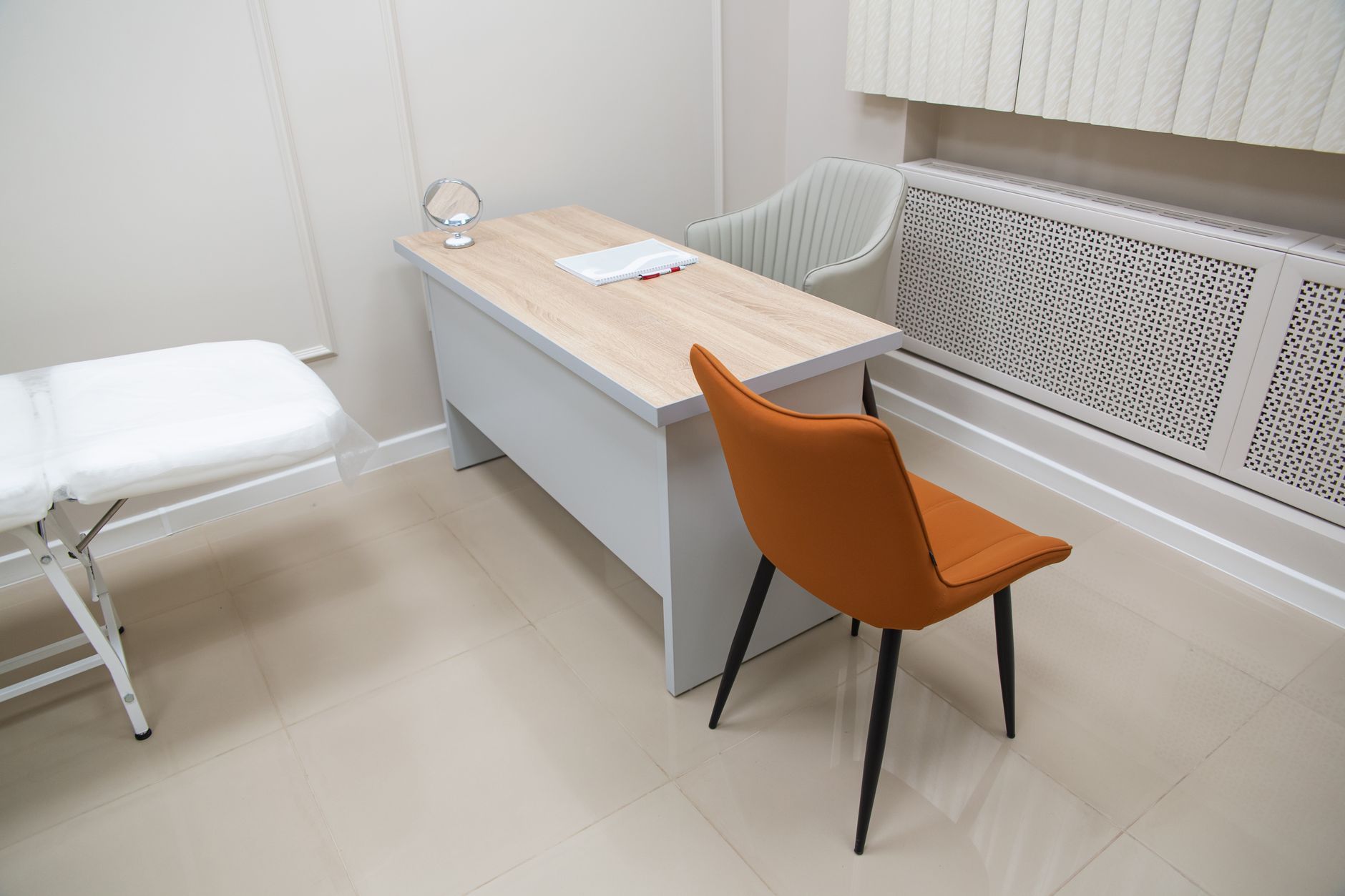
Bays and lobbies run on different clocks. Schedule the bay pass after close, when lifts are lowered and no one is working near the route. Run the waiting room pass before opening and again during the quietest service hours, so the robot is not moving through seating while customers settle in.
Frequency should follow inspection, not habit. If bay sheen returns by midday, add a midday pass there. If the lobby mats stay clean through a busy Saturday, a second lobby pass may not be needed. Keep a short shift log with the time of each pass, the stops, anything the robot paused for, and what the walk found.
How Service Robot Co. approaches tire shop floors
Service Robot Co. is an OEM neutral integrator for US businesses. We pick the robot across manufacturers, then deploy, integrate and train your team on site. You lease the robot through financing on a three year lease, with one fixed payment quoted after a site assessment. That assessment is where we map the bay and lobby, mark lift and tool positions, and test the transition at the bay door.
Every unit we place is serviced under RoboCare, our service plan, backed by regional service engineers in the states we service. One vendor covers the lifecycle, so a problem at the lift line and a problem at the lobby door go to the same people.
What payback numbers apply to a tire shop?
I did not find a source with payback or labor savings figures for tire shops. One vendor cites a 12 to 24 month payback for industrial autonomous cleaners, but that applies to factories, so it does not transfer. Before accepting any payback figure, count the floor hours you pay for now, including the nights and early mornings the work gets squeezed into, and compare that with the fixed payment quoted for your site.
Frequently asked questions
Want a robot working for you?
Tell us the job and the site. We will recommend the robot, quote the lease, and keep it serviced.
Sources
- Executive Clean, tire shop cleaning
- IPC, daily cleaning for busy shops
- IPC, CT15 and CT51 floor scrubbers
- Tennant, automotive floor care
- Kärcher, KIRA B 50 autonomous scrubber dryer
- Robot Industries, body shop case study
- Monster Janitorial, autonomous floor scrubber technology explained
- Spaces4Learning, Tennant X6 ROVR