Key takeaways
- Count unused overnight hours at each site before comparing any figure.
- Log unfilled shifts, early finishes, overlap and skipped zones as separate causes.
- Quote each site on its own, after a site assessment, so no weak location hides behind a strong one.
- Put every site on the same hours, zones and lease term before totaling them.
- Ask every vendor for uptime and service terms in writing, then test one unit first.
Where does a four-site night budget start?
Start with the hours, not the invoice. For each site, count the overnight hours that floor care needs, the hours someone actually covers, and the gap between them. Set each site's fixed lease quote beside its gap, then total the four sites together. That total is where the budget conversation should begin.
Most overnight budgets get argued from memory. A manager recalls the sick call that left an aisle unscrubbed, or the store that never fills its night shift. A count turns memory into a figure every site can check, and it shows which gap is real.
The wider market points the same way. According to IFR, global professional service robot shipments rose about 24% to almost 250,000 units in 2025, and professional cleaning ranked third by application with a 12% share. IFR's figures are sample-based, drawn from 238 producers out of 1,001 manufacturers, and are not projected to the whole industry, so read them as direction rather than a forecast for your buildings.
What counts as an unused night hour?
Not every empty hour is waste. An unused night hour is a window that should carry floor care and does not, because no one is scheduled, the crew left early, or a zone was never reached. The hour still appears on the staffing sheet, but the floor receives none of the cleaning it was meant to carry.
- Unfilled shifts, where the crew was scheduled but nobody arrived
- Early finishes, where the crew clocked out before every zone was done
- Overlap hours, where two people worked the same aisle
- Skipped zones, where back rooms or loading lanes went unscrubbed
How do you map each site's night hours?
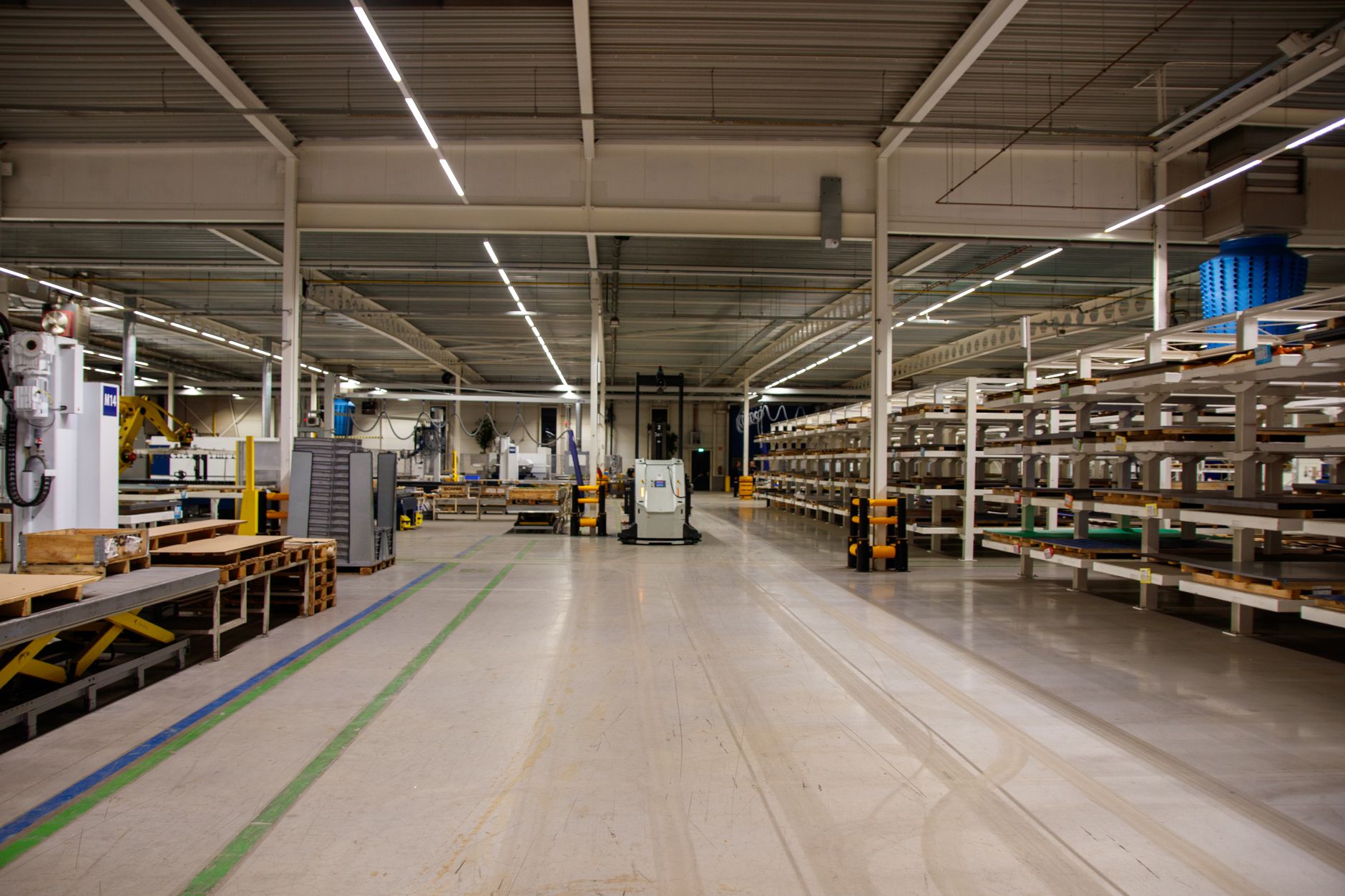
Walk each site with a simple grid. Record floor area, floor type, aisle widths, the hours the building runs overnight, and the zones that need floor care inside that window. Note where stock, equipment or foot traffic breaks a crew's route.
This is site assessment mapping in practice. The map shows where a night shift autonomous scrubber can run, which zones need a second pass, and whether a single unit can cover the whole night or the work must split across two. Large facility coverage starts from the map, not from a catalog.
Pull the sick-call history as well. One unfilled shift can empty an entire night's floor care schedule, so a site with frequent absences shows a different gap from one where the schedule holds.

How does a lease quote sit beside those hours?
Service Robot Co. is a full-service commercial robot integrator for US businesses. We pick robots across manufacturers, then finance, deploy, integrate, train and service every unit through a nationwide US engineer network. Our offer is commercial cleaning robot leasing on a 3-year lease, with one fixed lease payment quoted after a site assessment.
For a multi-site budget, the per-site quote is the useful part. Each location gets its own figure, so its gap can be set against its own cost. A single blended estimate can hide a weak site behind a strong one.
Ask for each quote in writing, with its scope stated: the zones covered, the hours, the floor types, and what happens when a unit is out of service.
How do you total four sites without mixing units?

Put every site on the same footing before adding anything. Use the same window of hours, the same lease term, and the same description of coverage. An hour of unfilled floor care and a three-year quote cannot be netted until you decide what that hour is worth to the operation.
Build one sheet with a row per site: unused hours per week, zones uncovered, the fixed lease quote, and what the quote leaves out. Then total the four rows. For the labor side, use payroll and hours records from your own business, not outside averages. Compare robot lease options site by site before you add them.
A quote that excludes a zone is not comparable to a crew that cleans it. Make exclusions visible in the sheet, or the total will flatter the option you already prefer.
What does uptime do to the comparison?
A robot covers the night only while it runs. Count the hours a unit sits idle, not only the hours it is assigned, or the comparison will overstate coverage.
Brain Corp and Tennant describe service-level commitments for cleaning robots in Europe, with uptime as a central point. Those descriptions come from the companies themselves and were published in May 2025, so use them as a checklist of questions rather than as evidence of performance.
Ask any vendor for its uptime commitment in writing, and ask what happens to the night's coverage when a unit is out. The answer changes how many hours you can honestly count as covered.
Which service terms belong in the comparison?
A vendor guide on leasing industrial cleaning robots says leases usually include preventive maintenance and software updates. That source is written by a vendor and has not been checked against an independent one, so confirm each term against the quote itself.
On our side, we service every unit through a nationwide US engineer network. Put that in writing for each site, along with response expectations and confirmation that maintenance included in the quote matches what the lease covers, so the service line in your sheet reflects the actual contract.
How should the first unit be tested?
Before the four-site total goes into a budget, lease one unit where the gap is largest and measure it across a full set of nights. Compare the hours it covered against the hours the site map said were needed. That test shows whether the map was right, which matters more than the first quote.
Once the first site holds, add the others on the same method. Start with one leased unit, then phase in each site with its own measured result. Every addition is observed rather than assumed, so the four-site total stays honest as it grows.
Frequently asked questions
Want a robot working for you?
Tell us the job and the site. We will recommend the robot, quote the lease, and keep it serviced.