Key takeaways
- An unfilled overnight shift usually means the floor waits until someone covers it.
- Measure open hours, unfinished zones and cover costs before you change anything.
- The Bureau of Labor Statistics put the 2024 median pay for janitors and building cleaners at $17.27 an hour.
- IFR ranked professional cleaning third by application in its 2025 professional service robot data.
- A floor robot backstops a thin night crew. It does not replace the people on it.
The short answer: the floor waits, or a manager covers it
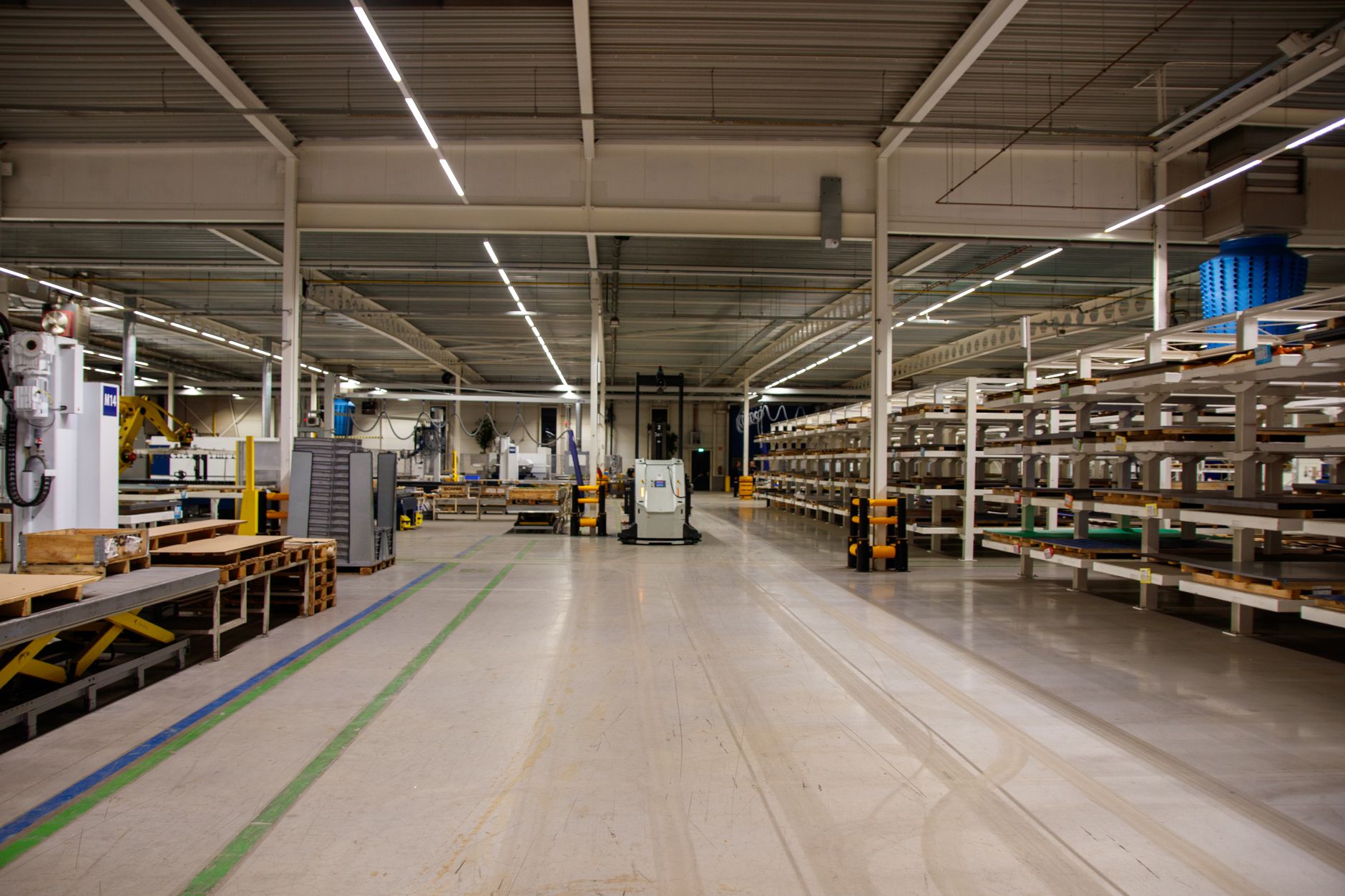
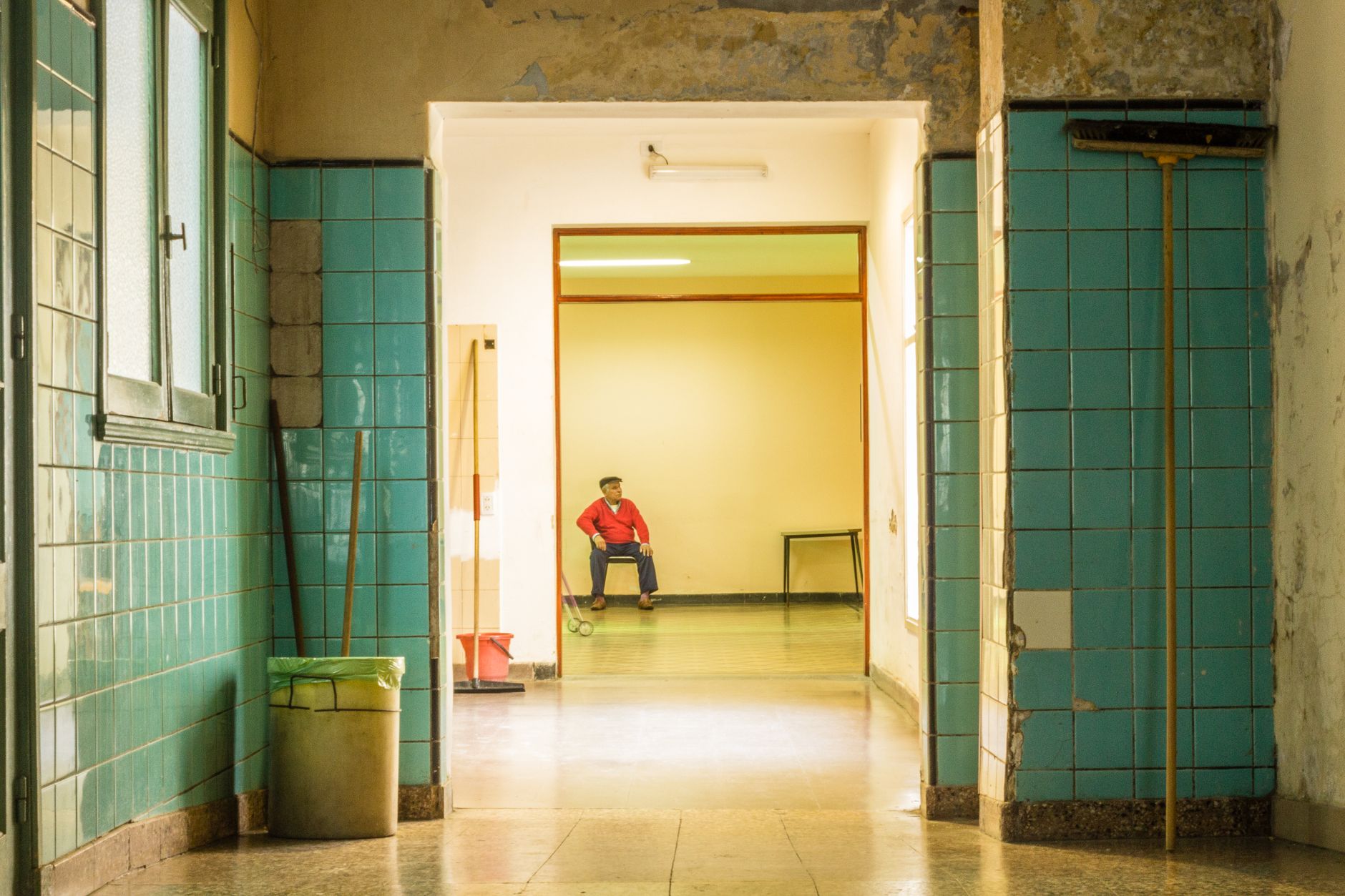
When the overnight crew does not show, the floor usually waits. A day worker arrives early, a manager grabs a mop, or spills stay visible until the first customer or employee walks through them. Overnight floor care often rests on one or two people, so a single open shift can leave a whole building dirty by morning.
The fix is simple in principle: cover the open hours, or put a machine on the route those hours would have covered. This piece shows how operators measure the gap, what cover costs them, and where a robot can backstop a thin crew without pretending to replace it. Thinly staffed buildings get the most from that backstop.
Why overnight floors rest on so few people
The Bureau of Labor Statistics counted 2,447,700 janitors and building cleaners employed in 2024. It projects 2 percent growth from 2024 to 2034, slower than the average for all occupations, and it lists no formal credential as the typical entry requirement, with brief on the job training.
Low barriers to entry do not guarantee a full overnight roster. When one person is the whole night crew, one call in sick empties the schedule, and the building absorbs the consequence before anyone notices. The 2024 median was $35,930 per year, or $17.27 an hour, which is a reference point for your own labor math, not a quote for your site.
How operators measure the gap before fixing it
Measure before you change anything. Most operators already hold the raw data for their open nights. They just never add it up.
- Uncovered overnight hours over the last few months, pulled from timesheets rather than memory.
- Zones still unfinished when doors open, logged on a walk through at the start of the day.
- Overtime and manager hours spent covering the gap.
- Spill, slip or complaint reports traced to mornings after an open shift.
- Hours one operator spends on the largest zone each night.
What an empty shift actually costs
The visible cost is the cover: overtime for a day worker, a manager's evening lost to a mop bucket, or a contractor called in at short notice. The hidden cost is the morning. Guests and staff walk on the floor before the crew catches up, and the cleanup grows as the day goes on.
Put the hidden cost in writing too. A morning complaint has a price even when no invoice carries it, and a two or three month log will show if the gap is a few nights a year or a standing weakness.
Where a floor robot fits as a backstop
An autonomous floor scrubber runs a stored route on its own once the site is mapped. On an open night it can cover the broad sweep of aisles, corridors or concourses, while the staff who remain handle spills, restocks, doors and anything the machine flags.
It is a backstop, not a replacement. Routes need clear floors, a charging point, and someone who checks the log the next morning. A robot does not decide that a spill near a fire exit needs a person right now.
Thinly staffed facilities get the most from this arrangement: a one person night, a large floor, or a building where the floor is the only overnight task that can slip.
What the 2026 market numbers say, and what they miss
According to IFR, global professional service robot shipments rose 24 percent to almost 250,000 units in 2025. Professional cleaning ranked third by application with a 12 percent share, and floor cleaning is the main cleaning application, according to coverage of the release.
Transport and logistics remained the largest category, with 117,500 units, up 21 percent and holding 47 percent of the market. Cleaning is a serious application group, not a niche one.
Use the numbers with care. IFR's figures come from a sample of 238 service robot suppliers, and IFR advises against comparing figures across other World Robotics reports because the sample changes. A rising market tells you nothing about whether your night floor is covered.
How a lease puts a backstop robot on your floor
Service Robot Co. is a full service commercial robot integrator for US businesses. We stay neutral across manufacturers, so we pick the right robot for the floor in front of us. We then arrange the lease financing, deploy and integrate the unit, train staff, and service it through our nationwide US engineer network.
The lease runs three years, with one fixed lease payment quoted after a site assessment. One sensible starting point is a single leased floor scrubber on the shifts that go open most often, measured against the log you already keep, before any wider rollout.
Frequently asked questions
Want a robot working for you?
Tell us the job and the site. We will recommend the robot, quote the lease, and keep it serviced.
Sources
- IFR: Global sales of professional service robots surge 24 percent
- Supply Chain Digital: IFR professional service robot sales surge worldwide
- Supply Chain 247: Transportation and logistics professional robot sales
- BLS Occupational Outlook Handbook: Janitors and Building Cleaners
- Malay Mail: Global sales of professional service robots surge 24 percent